Key Specifications to Consider When Sourcing Tillage Machinery
When sourcing agricultural tillage machinery, several key specifications must be evaluated to ensure optimal performance and longevity.
Size and Weight: The dimensions and weight of the machinery affect its maneuverability and the types of soil it can effectively work. Larger, heavier equipment may be necessary for deep tillage in compacted soils, while lighter tools are better suited for seedbed preparation in looser soils.
Material Quality: High-strength materials such as hardened steel are preferred for components subjected to wear and tear, such as blades and tines. The choice of material influences not only durability but also maintenance frequency and overall cost efficiency.
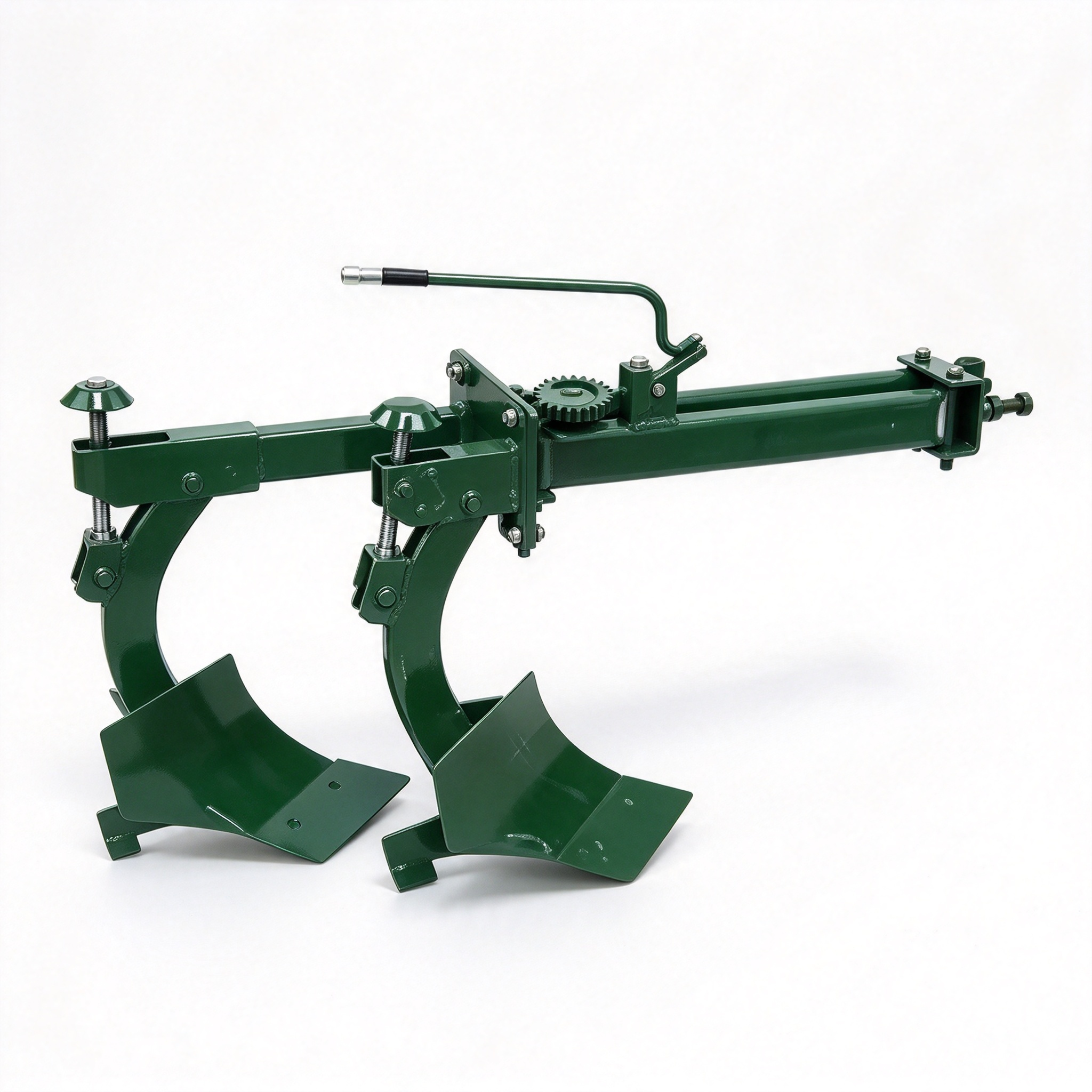
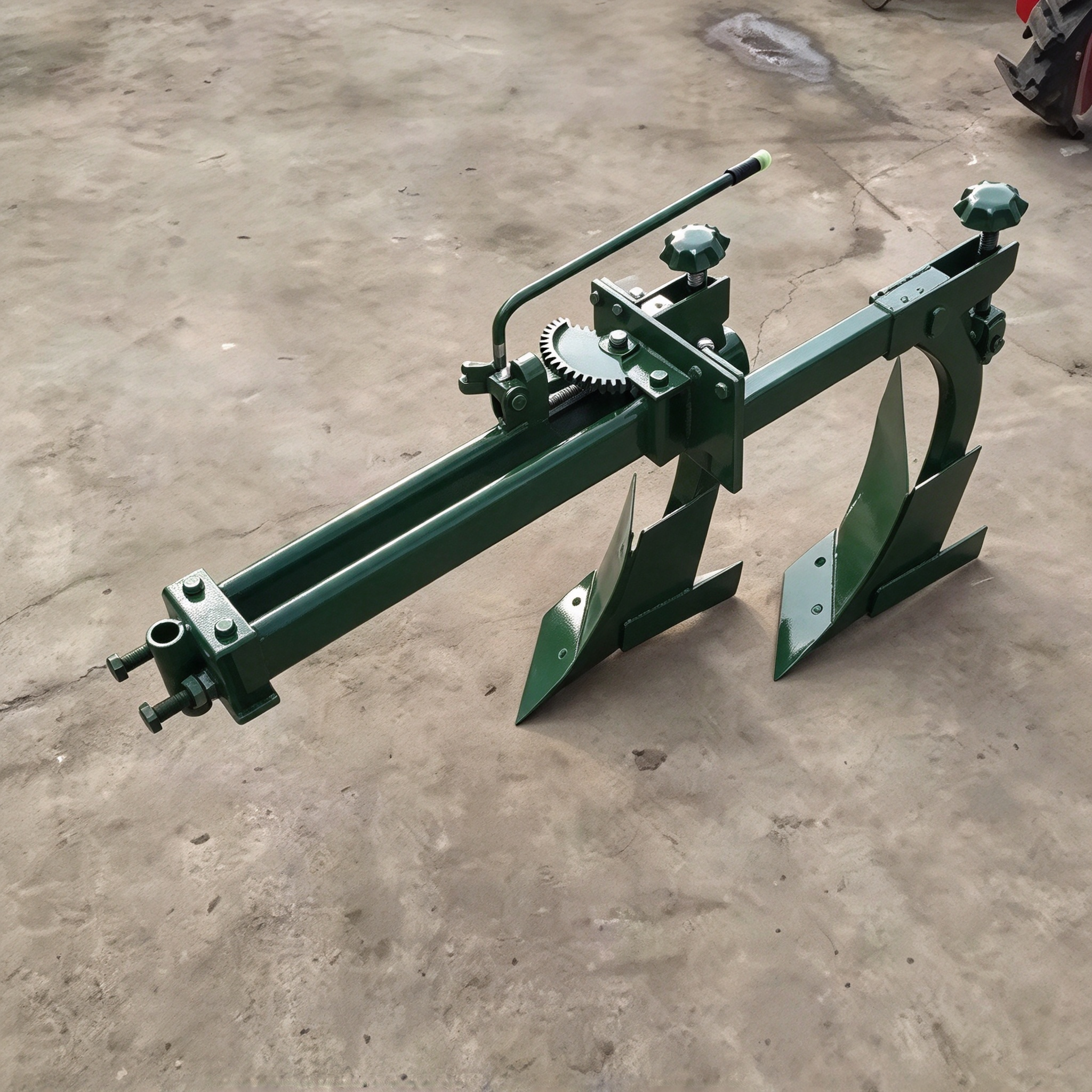
Depth Adjustment Mechanisms: Adjustable tillage depth is a crucial feature. Ensure the machinery allows for fine-tuning to accommodate different soil types and crop requirements. This capability can significantly impact seed germination and root development.
Tillage Type: Different tillage types (e.g., conventional vs. conservation tillage) can affect soil structure and moisture retention. Understand your farming practices and choose equipment that aligns with your tillage philosophy.
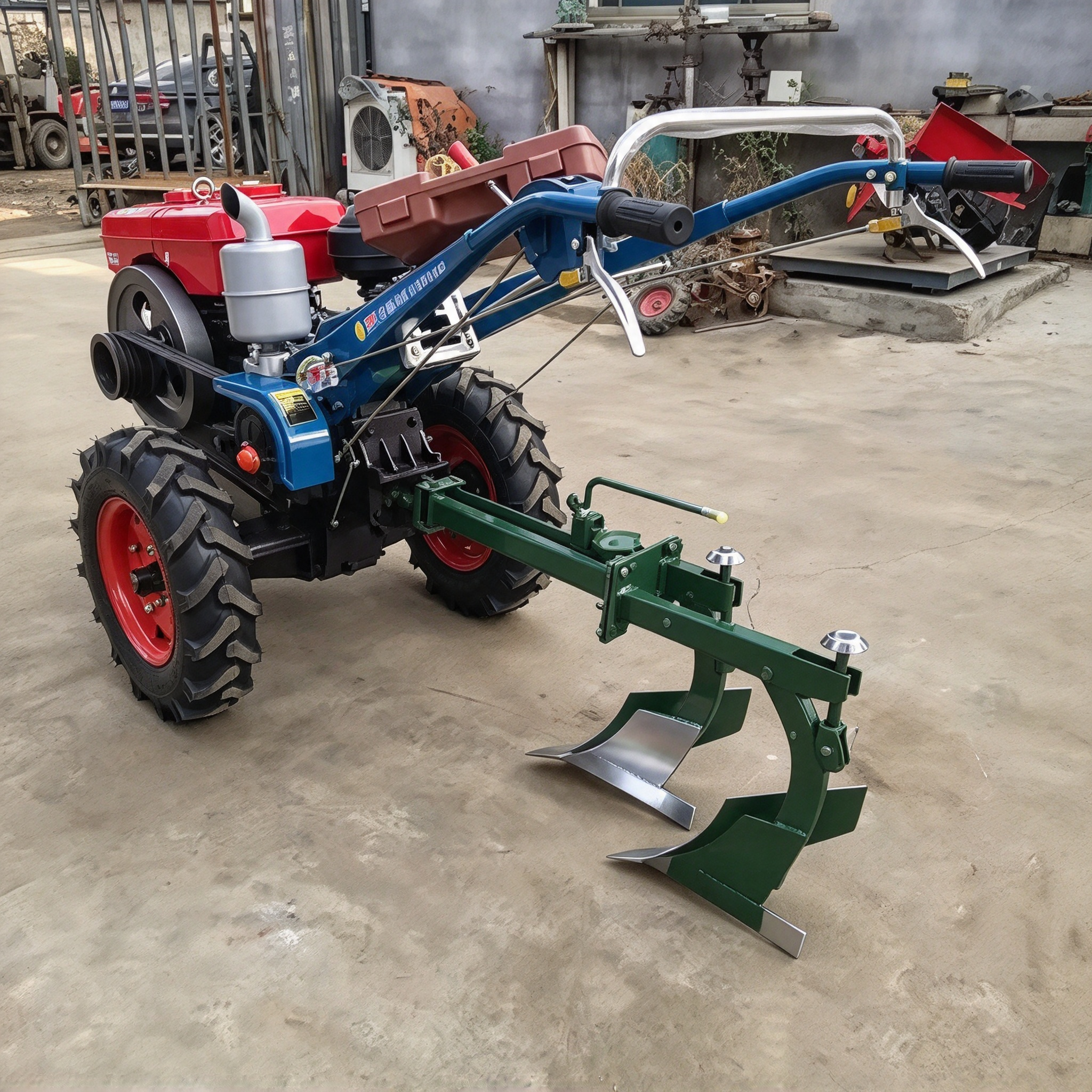
Power Requirements: Check the horsepower requirements of the tillage equipment to ensure compatibility with your tractors. Underpowered machinery can lead to inefficiencies, while overpowered units may incur unnecessary fuel costs.
 EN