Evaluating MB Plough Quality and Performance

application/mb-plough, application/mb-plough, 
Inquiry
Inquiry

mb plough

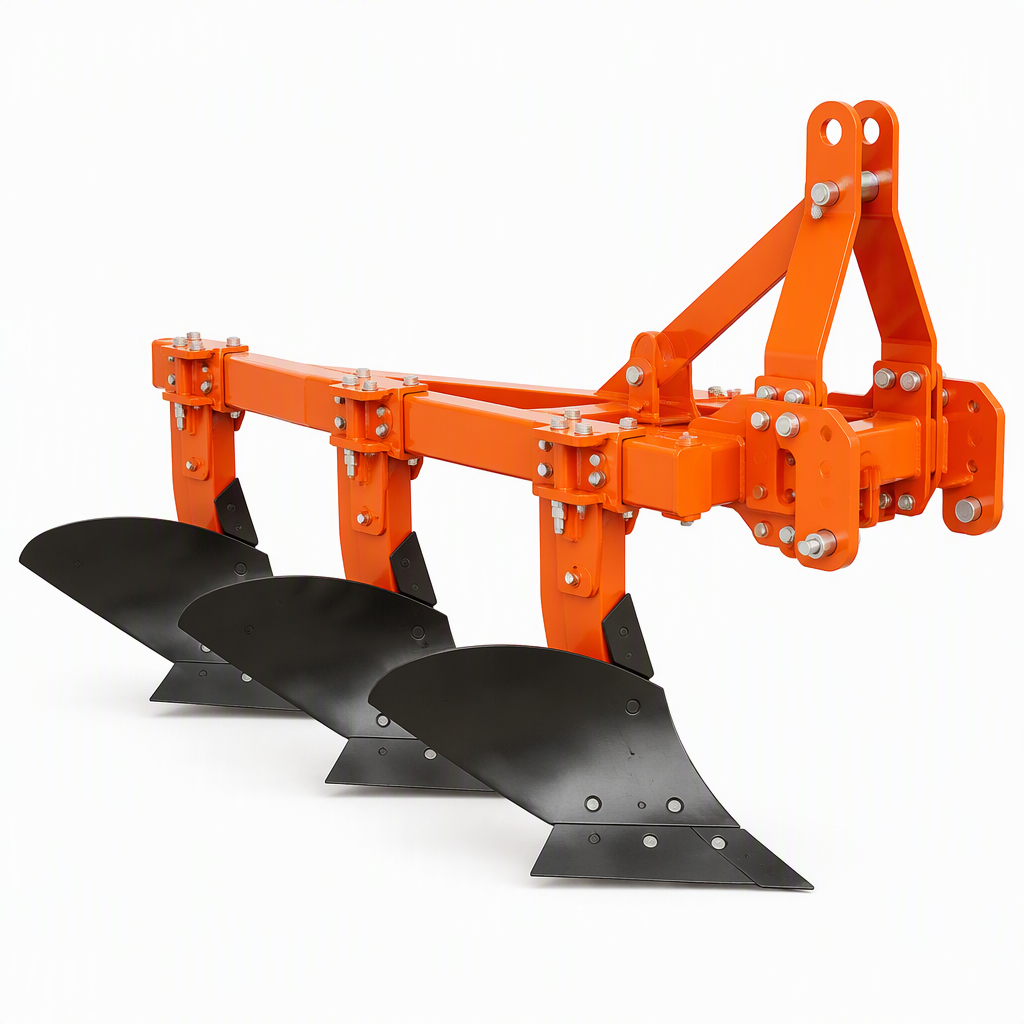
The MB plough is an essential piece of agricultural machinery designed for efficient soil tillage, enabling farmers to prepare their fields for planting. For B2B buyers, such as purchasing managers and agricultural engineers, understanding the quality and performance standards of MB ploughs is crucial for making informed procurement decisions. This article will delve into key considerations, including how to assess MB plough quality, sourcing from reliable manufacturers, comparing specifications, installation guidance, and diverse agricultural applications.

Sourcing Your MB Plough from Trusted Manufacturers

Sourcing Your MB Plough from Trusted Manufacturers

Sourcing an MB plough from reputable manufacturers is crucial to ensure product quality and reliability. Start by researching manufacturers with a strong track record in agricultural machinery. Look for companies with a global presence and experience in exporting to various markets, as they are likely to have refined their products to meet diverse agricultural needs.

Engage with suppliers to understand their manufacturing capabilities. Reliable manufacturers will have modern production equipment and a robust supply chain. It’s beneficial to request case studies or references from other clients who have purchased their ploughs, as this can provide insight into the manufacturer’s reputation and service quality.

Additionally, consider manufacturers that offer customization options based on specific agricultural requirements. Customization can include variations in blade size, material type, and additional features tailored to different soil types and farming techniques.

Comparing MB Plough Specifications for Optimal Agricultural Results

Comparing MB Plough Specifications for Optimal Agricultural Results

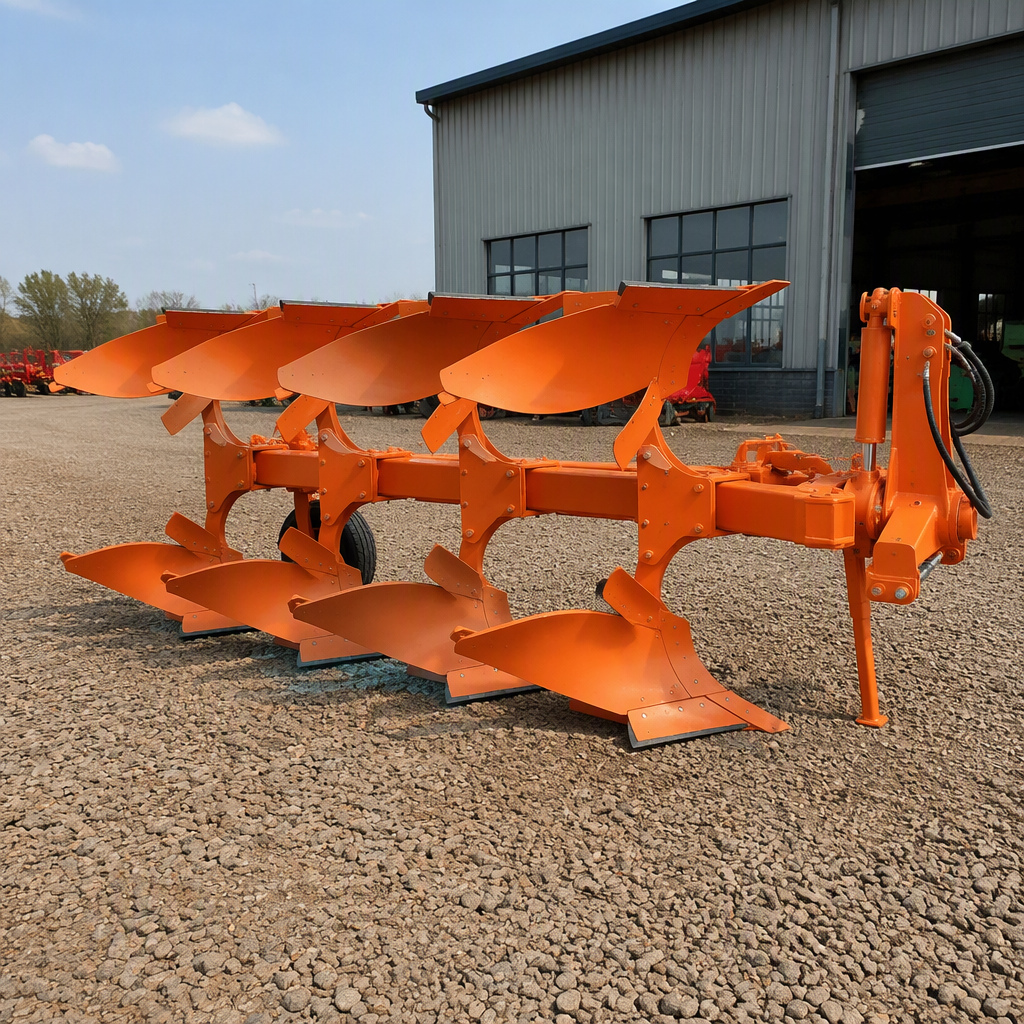
When comparing MB plough specifications, focus on essential parameters such as blade design, working width, and weight. The blade design affects soil turnover and the depth of tillage, which is critical for different crops. A wider working width can enhance efficiency by covering more ground in less time, while the weight of the plough influences its stability and penetration into the soil. Also, consider the integration of equipment like a seed drill for enhanced operational synergy.

Another vital specification is the plough's compatibility with tractors. Ensure that the plough’s mounting system aligns with the tractor’s hitch configuration. A mismatch can lead to operational inefficiencies or even damage to the equipment.

Buyers should also evaluate the plough's maintenance requirements. Specifications related to service intervals, ease of blade replacement, and overall maintenance schedules can affect long-term operational costs. A plough that requires less frequent maintenance can save time and money for agricultural operations.

Installation Guidance for Efficient Use of Your MB Plough Equipmen

Installation Guidance for Efficient Use of Your MB Plough Equipmen

Proper installation of an MB plough is essential for maximizing its efficiency and lifespan. Begin by ensuring that the tractor is appropriately equipped to handle the plough's weight and dimensions. The installation process typically involves aligning the plough with the tractor’s hitch and adjusting for the correct height and angle.

Before beginning tillage, conduct a test run in a small area to ensure that the plough is functioning correctly. Monitor for signs of excessive vibration or misalignment, which could indicate installation issues. Adjustments may be necessary to optimize the plough's performance based on soil conditions and the specific crops being cultivated.

Additionally, familiarize yourself with the operating manual provided by the manufacturer. This document often includes valuable insights on optimal settings and safety precautions, ensuring that the plough is used effectively and safely.

Applications of MB Ploughs in Diverse Agricultural Settings

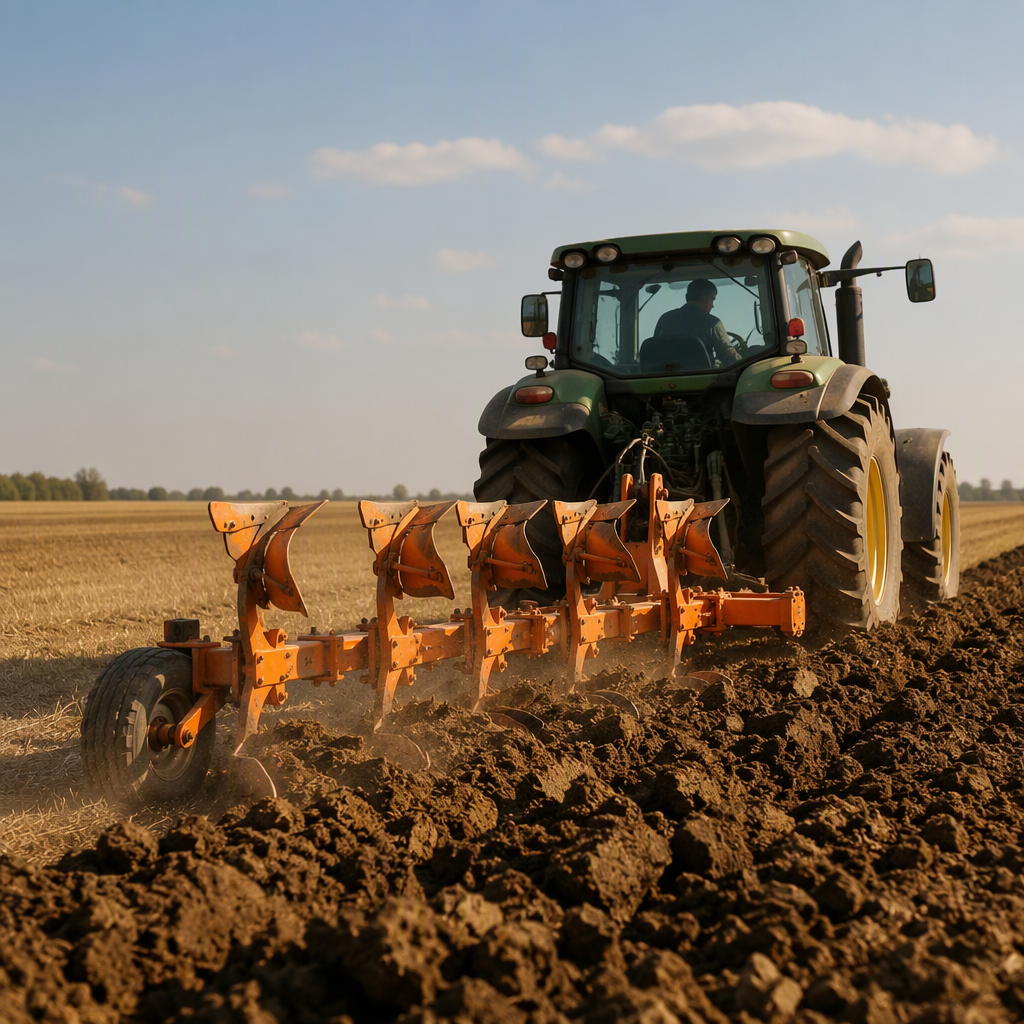
MB ploughs are versatile tools suitable for various agricultural applications. They are primarily used for soil preparation, including breaking up compacted soil, incorporating crop residues, and creating furrows for planting. In regions with diverse soil types, the adaptability of the MB plough makes it an invaluable asset for farmers.

In addition to traditional tillage, MB ploughs can be employed in specialty applications such as vineyard and orchard management. Their ability to maneuver in tight spaces and work at different depths allows for effective soil management in these settings.

Moreover, with advancements in agricultural technology, some MB plough models are equipped to work in conjunction with precision farming systems. This integration enables farmers to optimize their tillage practices based on specific field conditions, further enhancing agricultural productivity.

By understanding these applications and the operational requirements of the MB plough, buyers can make informed decisions that align with their agricultural goals.

In summary, selecting the right MB plough involves careful evaluation of quality standards, sourcing from reputable manufacturers, comparing specifications, ensuring proper installation, and recognizing its diverse applications in agriculture. By following these guidelines, B2B buyers can enhance their procurement process and ultimately improve their farming operations.

How to Evaluate MB Plough Quality and Performance Standards

When evaluating the quality and performance of an MB plough, several key factors should be considered. First, examine the materials used in construction. High-quality ploughs are typically made from durable steel, which can withstand the rigors of tillage and resist wear. The thickness of the blades plays a significant role in their effectiveness—thicker blades tend to offer better durability and performance in tough soil conditions.

Next, look into the manufacturer’s quality control processes. Certifications like ISO 9001 indicate that a manufacturer adheres to international quality standards, ensuring that the ploughs are produced consistently and meet performance criteria. Testing procedures, including stress testing and field trials, are also essential in verifying that the plough performs well under various agricultural conditions.

Buyers should also consider the warranty and after-sales support provided by the manufacturer. A comprehensive warranty can give buyers confidence in the longevity and reliability of the plough, while responsive customer support can assist with any operational issues that may arise post-purchase. Additionally, sourcing an MB plough from reputable manufacturers is crucial to ensure product quality and reliability.

Frequently Asked Questions

What is the mb plough designed for?

The mb plough is designed for primary tillage to turn soil, incorporate residues, and prepare seedbeds for farms and plantations of various sizes.
Compatibility depends on model; mb ploughs are available for small to medium tractors. Contact Agripros with your tractor horsepower for precise matching.
Yes. Agripros supplies the mb plough manufactured under CE and ISO 9001 quality standards.
Agripros provides lifecycle-based support including installation guidance, spare parts, maintenance advice, and technical assistance across our service network.
Yes. Agripros offers tailored configurations and adjustments for different soil types and field conditions to optimize performance.

Get a Free Quote

Our representative will contact you soon.
0/1000