Choosing the Right Reversible Plough for Wholesale

application/reversible-plough, application/reversible-plough, 
Inquiry
Inquiry

reversible plough

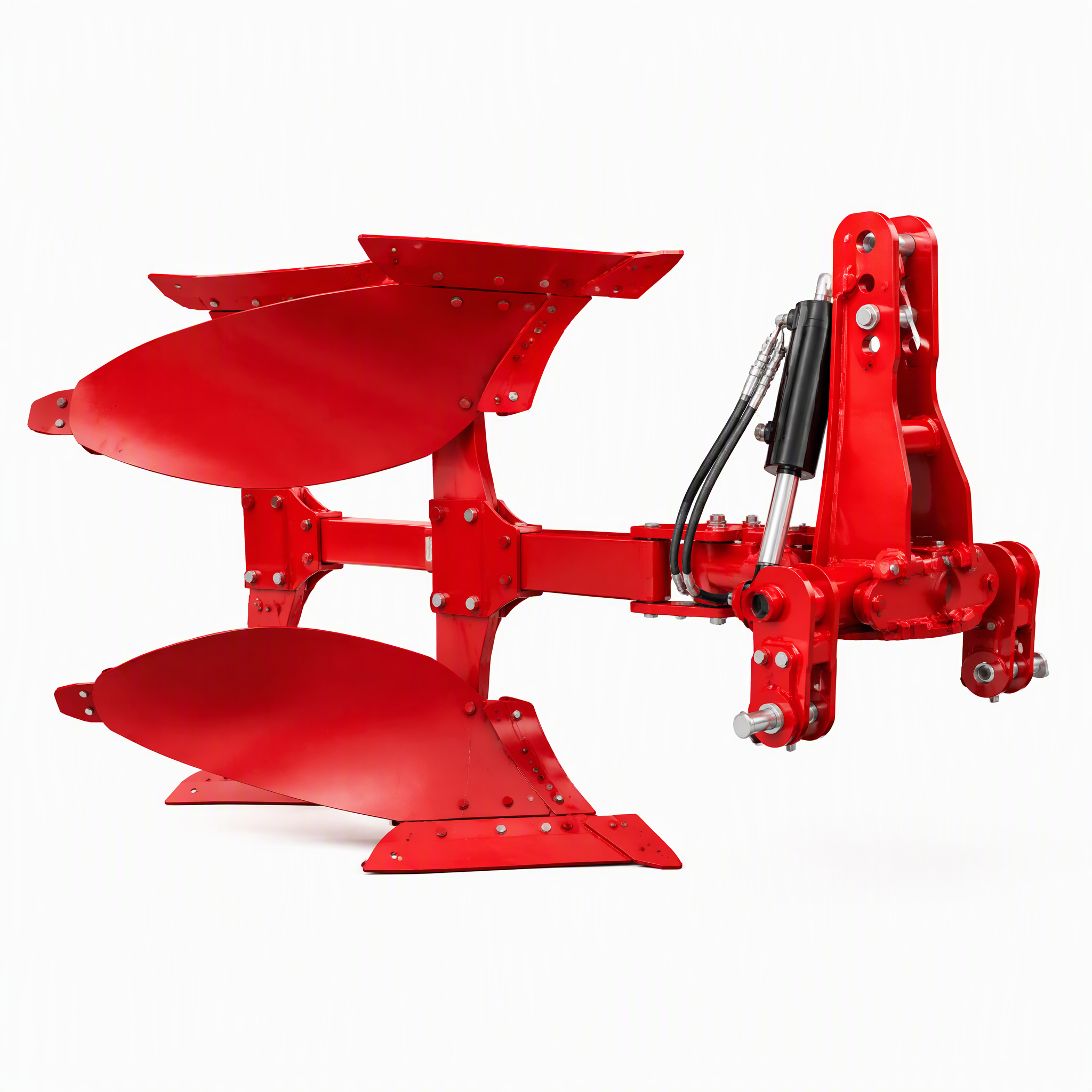
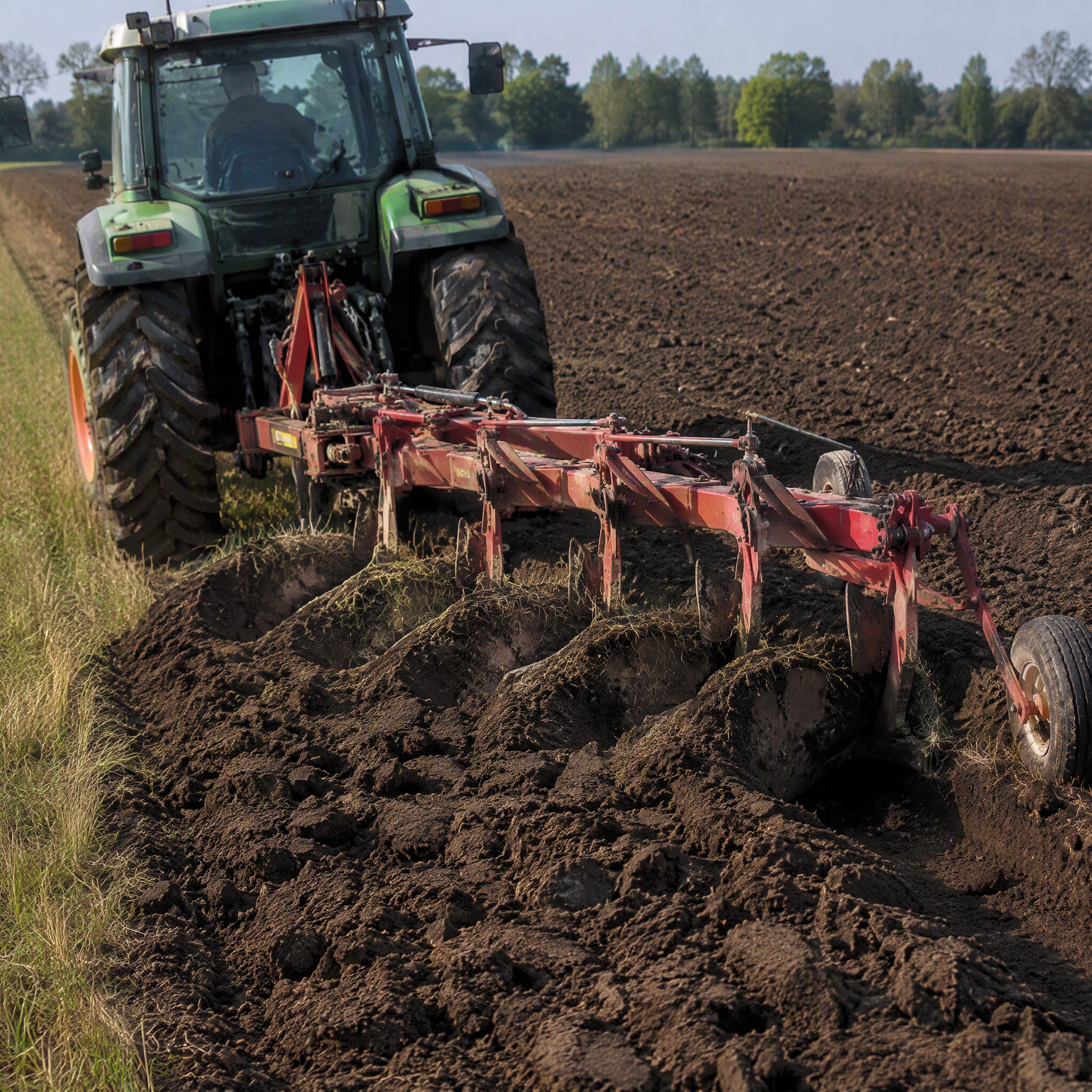
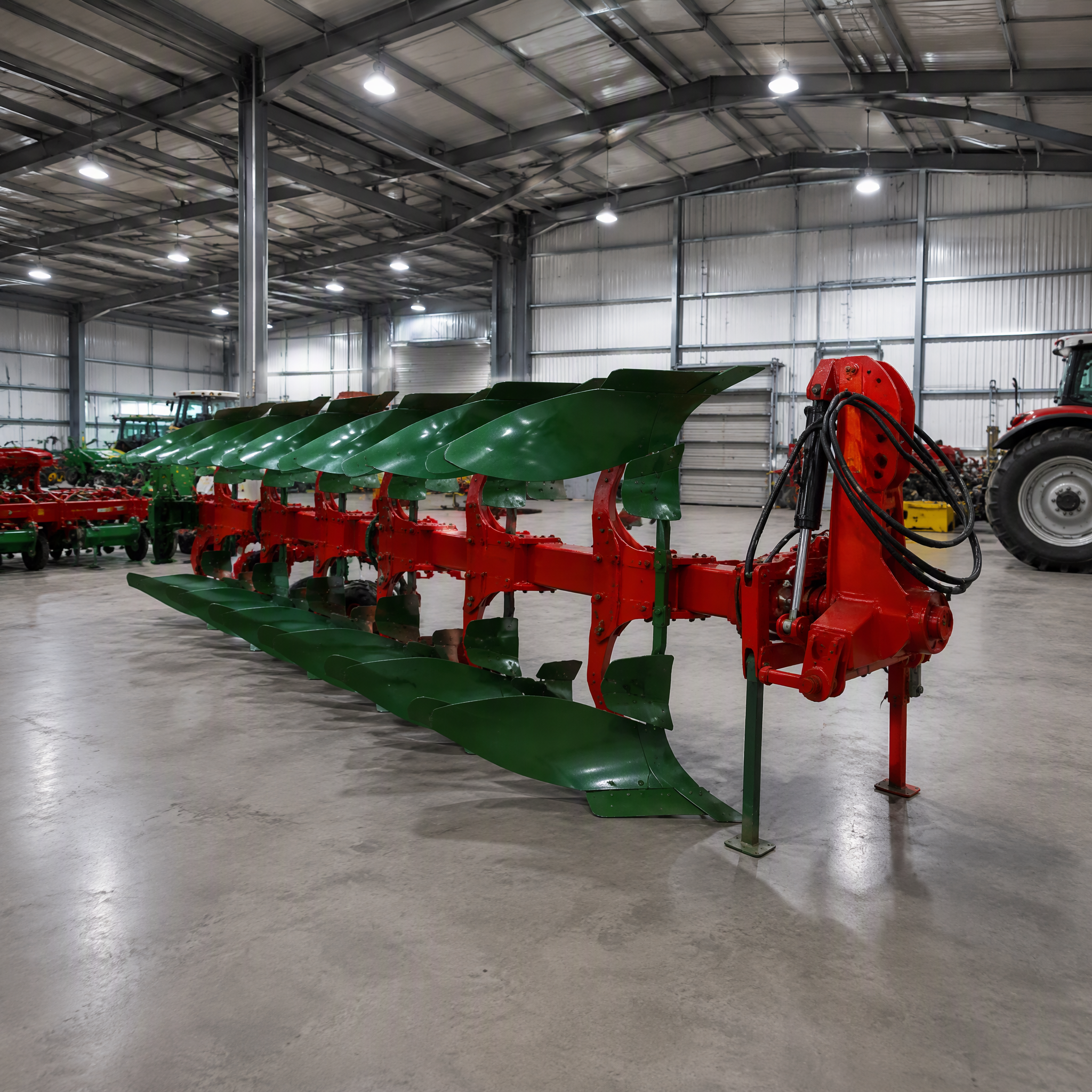
A reversible plough is an essential piece of agricultural machinery designed for efficient soil turning and preparation. It allows farmers to manage their fields more effectively by reversing the direction of the ploughing without needing to reposition the equipment. For B2B buyers, particularly purchasing managers and distributors, understanding the intricacies of reversible ploughs is crucial. This article will guide you through key considerations, specifications, applications, and cost factors, helping you make informed purchasing decisions.

Key Specifications of Reversible Ploughs for Importers and Distributors

Key Specifications of Reversible Ploughs for Importers and Distributors

Understanding the key specifications of reversible ploughs is essential for importers and distributors. Important metrics include the plough's working width, which can range from about 1.5 to 5 meters, depending on the model. This measurement affects how much area can be tilled in a single pass, influencing operational efficiency.

The number of furrows is another crucial specification. Most reversible ploughs can handle two to five furrows, with each furrow representing a distinct strip of soil being turned. The choice largely depends on the tractor's horsepower and the intended use.

Additionally, the plough's frame strength should be assessed, as it must withstand the stresses of tillage operations. Look for ploughs with adjustable skimmers and shares, as these features allow for customization based on soil conditions and crop types.

Another specification to consider is the weight of the plough, which impacts how well it penetrates the soil. A heavier plough may perform better in tough soil conditions, while a lighter one might be more suitable for sandy or loamy soils.

A Contractor's Overview

A Contractor's Overview

For contractors involved in agricultural services, a reversible plough's versatility can significantly enhance service offerings. A contractor may utilize these ploughs to provide custom tillage services for various crop types and soil conditions. Understanding the adaptability of reversible ploughs is key, as it can impact project timelines and client satisfaction.

Contractors should also consider the operational costs associated with using a reversible plough, including fuel consumption and maintenance expenses. The choice of plough can influence the overall efficiency of the service provided, and opting for equipment that reduces operational downtime will enhance profitability.

Moreover, having a range of reversible plough models enables contractors to cater to different client needs, from small farms to large agricultural enterprises. This flexibility can be a significant competitive advantage in the market.

Understanding the Cost Factors of Reversible Ploughs for Bulk Orders

Understanding the Cost Factors of Reversible Ploughs for Bulk Orders

When it comes to purchasing reversible ploughs in bulk, several cost factors come into play. The initial purchase price is essential, but buyers should also consider the total cost of ownership, which includes maintenance, repairs, and operational costs over the plough's lifecycle.

Bulk orders often come with discounted pricing, but it’s crucial to evaluate the trade-offs between upfront costs and long-term value. For instance, investing in higher-quality materials might lead to lower maintenance costs and longer equipment life, ultimately saving money in the long run.

Additionally, logistics costs should not be overlooked. This includes transportation fees, import duties, and any applicable tariffs that may arise when importing machinery from international suppliers. Buyers should also factor in storage costs, as large quantities of equipment may require significant space.

Lastly, consider financing options and payment terms that suppliers offer for bulk orders. Flexible payment plans can ease cash flow concerns and make it easier for businesses to invest in high-quality agricultural machinery.

Applications of Reversible Ploughs in Modern Agricultural Practices

Reversible ploughs are versatile tools in modern agriculture, widely used for various applications. One primary use is in seedbed preparation, where turning the soil enhances aeration and nutrient availability for crops. This practice is vital for optimizing plant growth and yield.

Additionally, reversible ploughs play a significant role in managing crop residues. By efficiently burying leftovers from previous harvests, they help improve soil health and reduce pest and disease pressure. This practice is crucial for sustainable agricultural systems, aligning with modern eco-friendly farming practices.

Moreover, reversible ploughs can be utilized in contour ploughing, which follows the natural contours of the land. This technique minimizes soil erosion and maximizes water conservation, making it essential for farmers in hilly or uneven terrains.

Finally, as agricultural technology advances, reversible ploughs can be integrated with GPS and precision farming techniques. This integration allows for more accurate tillage operations, reducing overlaps and minimizing soil disturbance, ultimately leading to better crop management.

In summary, understanding the characteristics and applications of reversible ploughs can significantly impact purchasing decisions and operational efficiency in agricultural practices.

What to Consider When Choosing a Reversible Plough for Wholesale

When selecting a reversible plough for wholesale, several factors need to be considered. First, assess the type of soil and crop requirements of your target market. Different plough designs work better in specific soil types—heavy clay soils may require a more robust construction, while lighter soils might allow for a more versatile design. Additionally, considering Irrigation Systems that complement your ploughing strategy can enhance overall farm productivity.

Next, consider the plough's working width and depth, as these will directly impact the efficiency of tillage operations. A wider plough can cover more ground in less time, making it suitable for larger farms. However, it may also require more horsepower from the tractor, which could affect compatibility with existing machinery.

Additionally, evaluate the construction materials and overall durability of the plough. High-strength steel components may offer longer service life and better resistance to wear and tear. Aspects like ease of maintenance and the availability of replacement parts should also be prioritized to ensure long-term usability. Processing Machines can sometimes share components with ploughs, which may be beneficial for maintenance.

Finally, investigate the manufacturer's reputation and customer support. A reliable supplier, like Agripros, can provide essential support, from product customization options to after-sales service.

Frequently Asked Questions

What is a reversible plough used for?

A reversible plough turns and inverts soil to prepare seedbeds, control weeds, and incorporate crop residues. Its reversible feature allows turning the furrow in opposite directions for consistent, efficient tillage across fields.
Required tractor power depends on model and soil. Typical ranges are 60–200 HP. Contact us with field size and soil type for a tailored recommendation.
Our reversible ploughs are produced under ISO 9001 and CE-compliant processes, ensuring manufacturing quality, safety, and consistent performance.
Yes. We provide spare parts, technical guidance, and lifecycle-based support to customers in multiple countries. Supply options and lead times vary by region.
Yes. We offer configuration options—share your soil type, crop, and field conditions to receive tailored adjustments for moldboard size, skimmer, and frame strength.

Get a Free Quote

Our representative will contact you soon.
0/1000