Tractor Plough Price: A Comprehensive Buyeru2019s Guide

application/tractor-plough-price, application/tractor-plough-price, 
Inquiry
Inquiry

tractor plough price

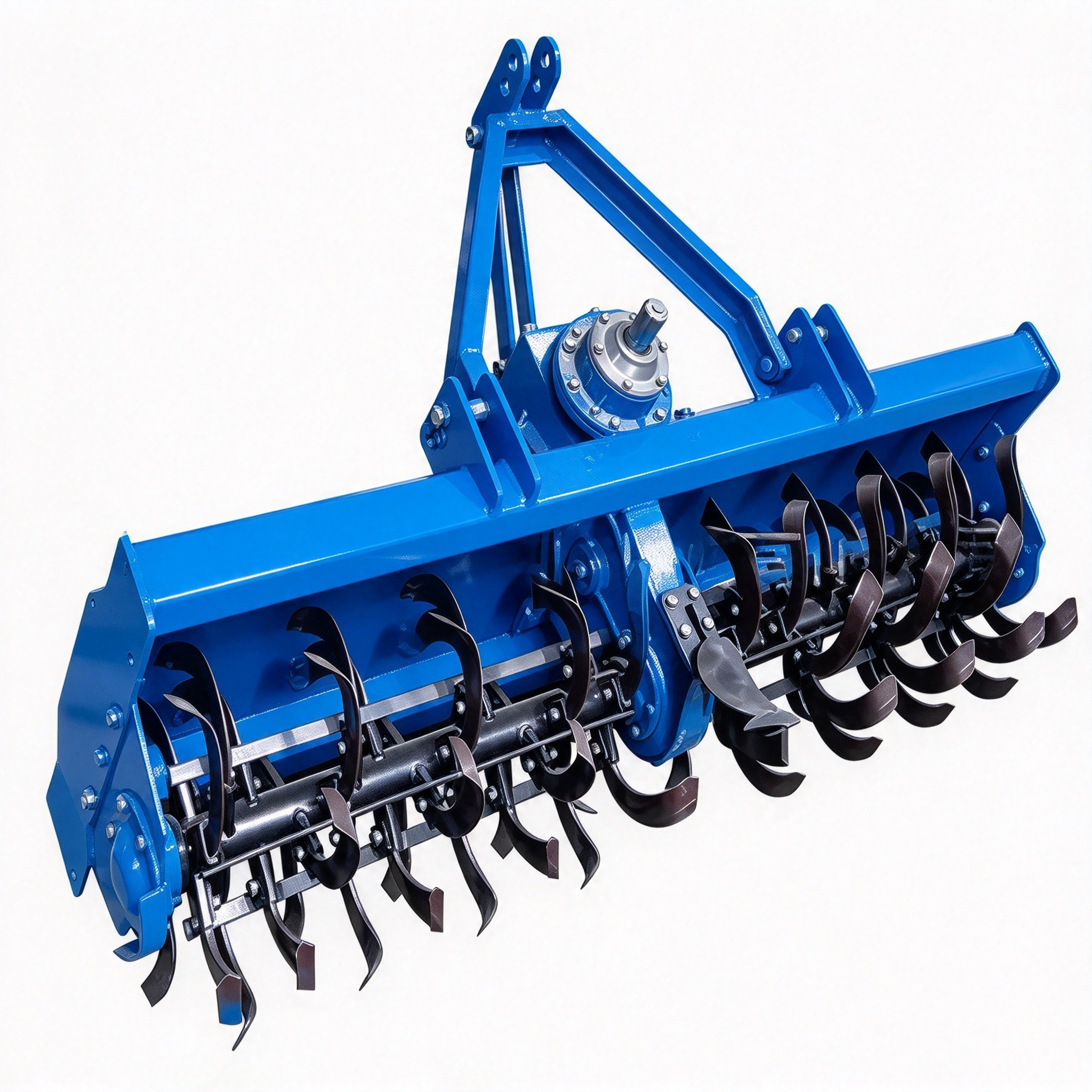
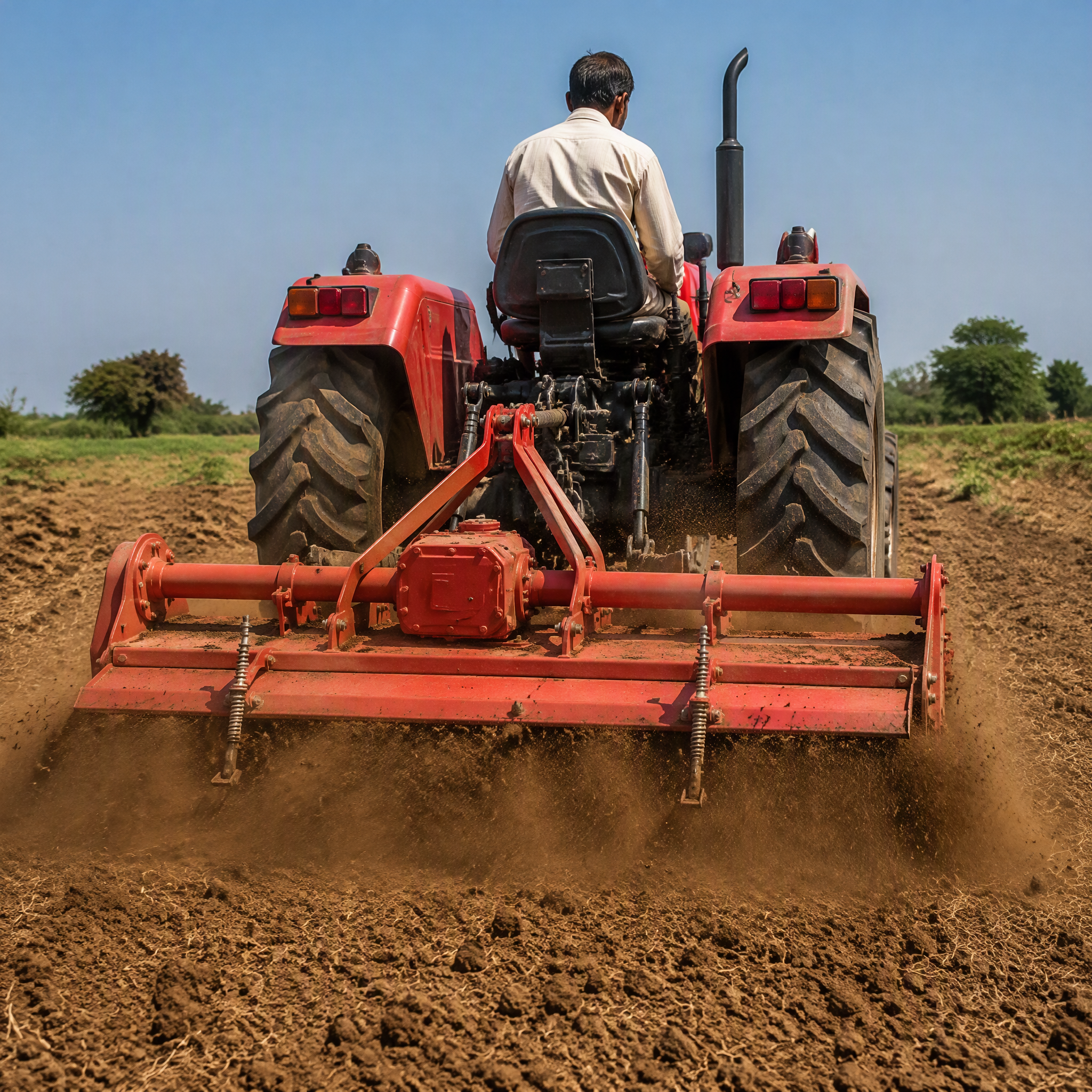
Tractor ploughs are essential tools in modern agriculture, designed to prepare the soil for planting by turning and aerating it. Understanding tractor plough prices is crucial for B2B buyers, as it directly impacts budget allocations and purchasing decisions. This article aims to equip purchasing managers, distributors, and agricultural engineers with the knowledge needed to evaluate tractor plough options effectively, addressing key concerns such as pricing factors, specifications, and common issues encountered with these implements.

Key Factors to Assess

Key Factors to Assess

Before finalizing a purchase, several key factors should be assessed to ensure the selected tractor plough meets operational needs:

Material and Build Quality: The durability of the plough is heavily influenced by the materials used in its construction. High-quality steel is often preferred for its strength and longevity. Consider whether the plough has undergone any surface treatments to enhance resistance to wear and corrosion, which is critical for longevity in agricultural applications.

Size and Configuration: The size of the plough should align with the horsepower of the tractor. An improperly matched plough can lead to inefficiencies and potential damage to both the plough and the tractor.

Adjustability and Customization: Some tractor ploughs offer adjustable features that allow users to modify working depth and width for different soil types and conditions. Customization options can also play a role in pricing, so understanding what is essential for your operations is crucial. If you're looking into specific configurations, you might also want to consider Cultivators & Tillers that can work alongside ploughs for enhanced soil preparation.

Manufacturer Reputation and Certifications: Look for manufacturers with CE and ISO 9001 certifications, as these indicate adherence to quality management standards. A reputable manufacturer, like Agripros, will provide assurance of product quality and reliability.

Common Problems with Tractor Ploughs and Practical Solutions

Common Problems with Tractor Ploughs and Practical Solutions

While tractor ploughs are designed for robustness, users may encounter common issues that can hinder performance:

Soil Compaction: This can occur if the plough is too heavy for the tractor or if it operates at incorrect depths. To mitigate this, ensure the plough's specifications align with the tractor's capabilities and adjust the settings according to soil conditions.

Wear and Tear: Over time, components such as blades and shares can wear down, impacting efficiency. Regular maintenance and timely replacement of these parts are essential to ensure the plough operates effectively.

Improper Setup: A plough that is not calibrated correctly can lead to uneven tillage. Conducting a thorough setup and test run before the actual work can help identify and rectify any issues early on.

Incompatibility with Tractor: Ensure that the plough is compatible with the tractor's hitch system. Compatibility issues can lead to operational challenges and safety hazards.

Enhancing Farm Efficiency and Yield

Enhancing Farm Efficiency and Yield

Selecting the right tractor plough can significantly enhance farm efficiency and yield. An efficient plough will improve soil aeration and structure, leading to better water retention and nutrient availability for crops. This is particularly important in regions with challenging soil conditions.

Utilizing advanced plough models that feature improved design elements can further enhance performance. For instance, a plough with a well-designed share can reduce draft requirements, allowing tractors to operate at optimal speed and fuel efficiency. Moreover, investing in technology-integrated ploughs can provide real-time data on soil conditions and tilling depth, enabling precise adjustments to optimize tillage operations. This can lead to increased productivity and a better return on investment over time.

Technical Insights on Tractor Plough Materials and Their Advantages

The choice of materials in tractor plough construction plays a crucial role in its performance and longevity.

High-Strength Steel: Many ploughs are made from high-strength steel, which offers excellent wear resistance and durability. This material can handle tough soil conditions and minimize the need for frequent replacements.

Carbon Steel: Often used for blades and shares, carbon steel provides a good balance between toughness and sharpness. It is essential for effective soil cutting and aeration, contributing to better operational efficiency.

Surface Treatments: Treatments such as galvanization or powder coating can significantly enhance a plough's resistance to corrosion and wear, extending its useful life and reducing maintenance costs.

Weight Considerations: The weight of the plough affects its performance. Heavier models may penetrate the soil more effectively, but they require appropriately matched tractor horsepower. Conversely, lighter ploughs may be easier to maneuver but may not perform well in dense or hard soils.

When assessing tractor plough prices, consider not only the upfront costs but also the long-term benefits of materials and construction quality. Investing in a well-built plough can lead to substantial savings in maintenance and replacement costs over time.

By keeping these key factors in mind, buyers can make informed decisions that align with their operational needs and budget constraints. Understanding tractor plough prices is about more than just the initial cost; it’s about acquiring the right tool that will enhance productivity and profitability in agricultural operations.

A Buyer's Guide

When considering purchasing a tractor plough, the first step is to understand the variety of options available in the market. Prices can differ significantly based on several factors, including the type of plough (such as moldboard, disc, or chisel), the material used in construction, and the customization options available. Buyers should also consider the intended application—whether it's for small-scale gardening or large agricultural operations—as this will influence both the price and the specifications needed. In addition, exploring advanced Processing Machines can provide insights into the technologies that complement tractor ploughs.

To prepare for your purchase, gather details such as the desired plough type, working width, depth of tillage, and any specific requirements based on the type of soil you'll be working with. Understanding the tractor's compatibility with the plough is also essential, as this can affect performance and efficiency.

Get a Free Quote

Our representative will contact you soon.
0/1000