Optimal Plough for Sale: Best Practices & Features

application/plough-for-sale, application/plough-for-sale, 
Inquiry
Inquiry

plough for sale

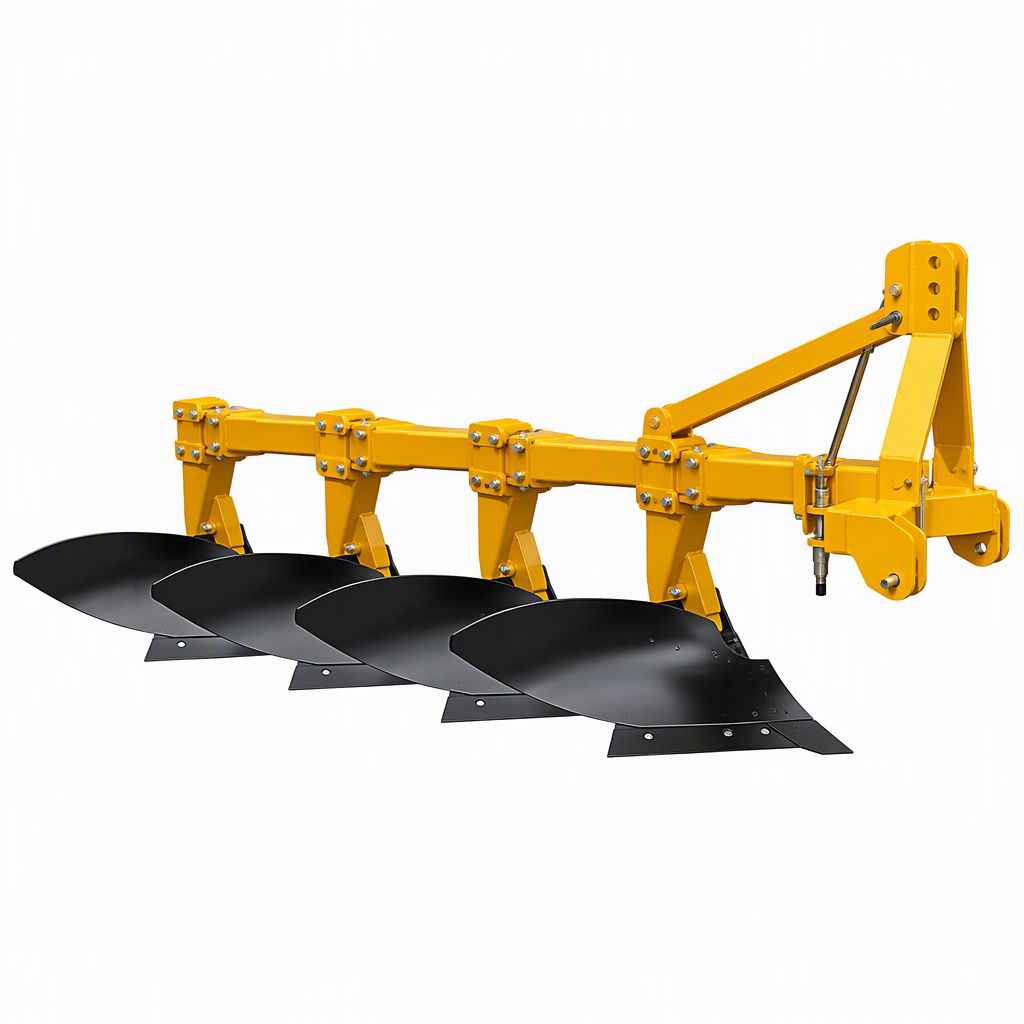
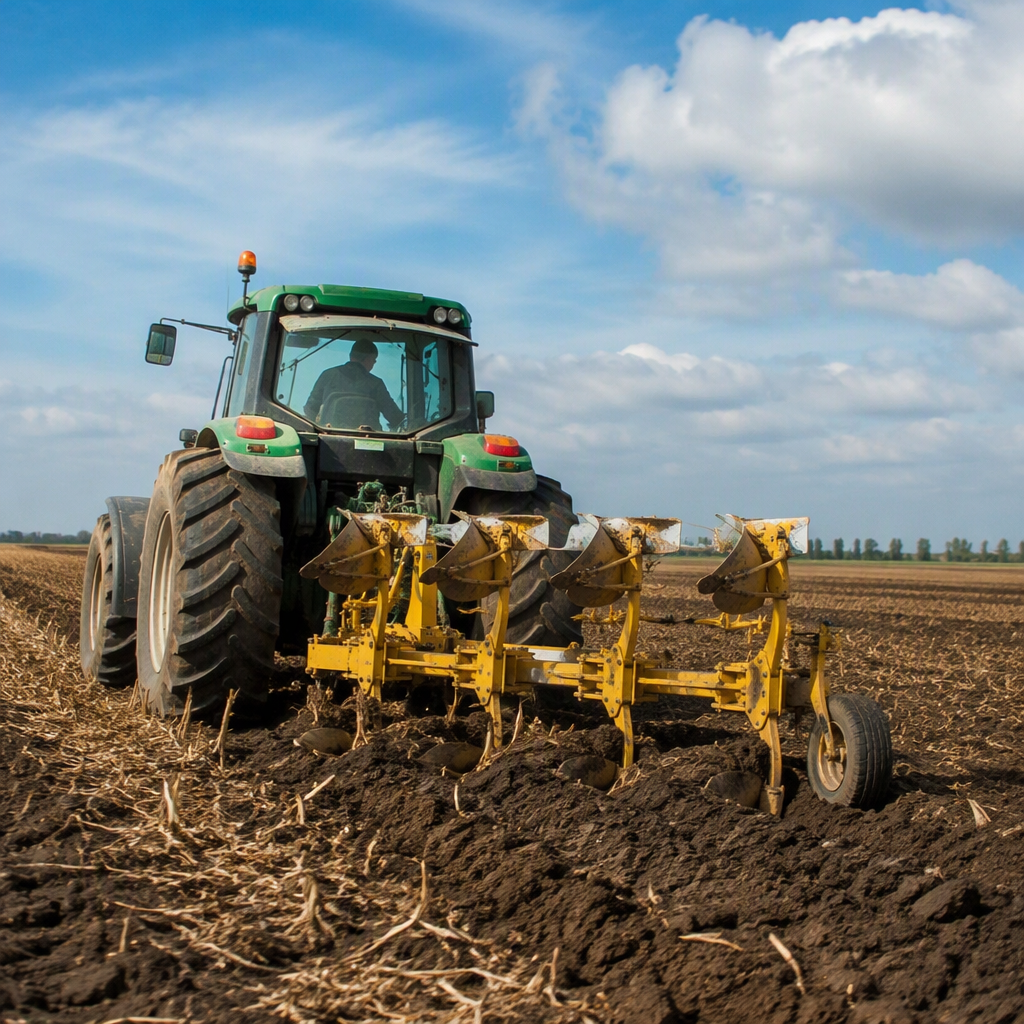
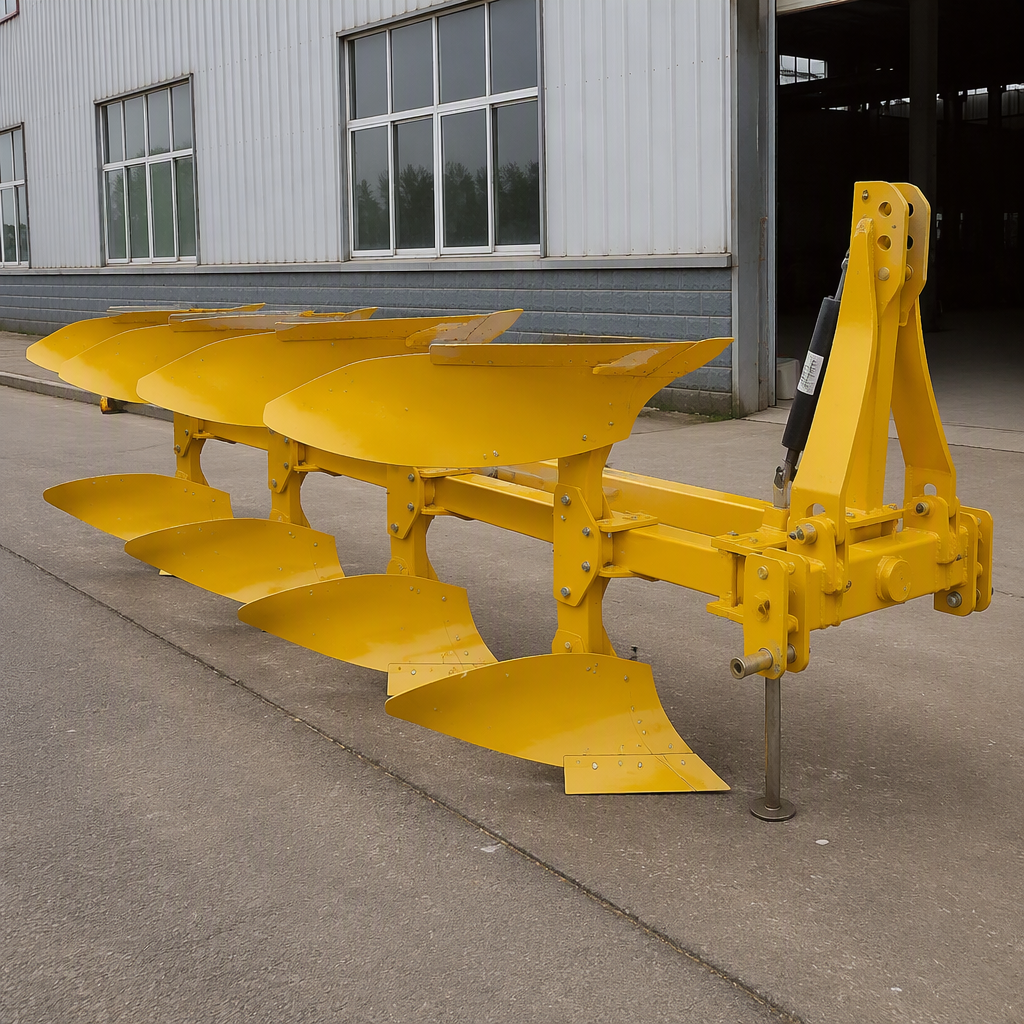
Agricultural ploughs play a vital role in soil preparation, making them essential tools for farms and plantations. If you're searching for a reliable plough for sale, understanding the best practices, types, features, and material advantages can significantly impact your purchasing decision. This article will help you navigate these considerations, ensuring that you choose the right plough tailored to your project's specific needs.

Which Type Suits Your Project Needs?

Which Type Suits Your Project Needs?

When selecting a plough for sale, it is essential to consider the specific requirements of your project. There are various types of ploughs, each designed for different applications:

Moldboard Ploughs: Ideal for inverting soil and burying crop residue, these ploughs are beneficial for improving soil structure and controlling weeds. They are suitable for heavier soils and provide deep tillage.

Disc Ploughs: These are designed for breaking up compacted soil layers and are effective in rocky or hard soils. The discs cut through the soil rather than turning it, which can be advantageous in specific conditions.

Chisel Ploughs: Best suited for minimal tillage practices, chisel ploughs create fissures in the soil without turning it over completely. This helps preserve soil structure and moisture.

Subsoilers: These are specialized ploughs that reach deeper than traditional ploughs, effectively breaking up hardpan layers to improve drainage and root growth. Additionally, when looking for durable options, consider a Walking Tractor 15-18HP Water-Cooled Diesel that can enhance your ploughing efficiency.

Understanding the specific conditions of your field and the goals for your soil preparation will help you select the right type of plough.

Solutions for Efficient Farming

Solutions for Efficient Farming

Investing in the right plough can lead to significant improvements in farming efficiency. For instance, choosing a plough that matches your tractor's horsepower ensures that you can operate at optimal speeds without overloading the tractor. This not only saves fuel but also reduces wear on equipment.

Moreover, utilizing modern ploughs equipped with advanced features, such as adjustable working widths and depths, can enhance adaptability to varying field conditions. This flexibility allows for better management of different soil types and crop rotations.

Incorporating precision agriculture practices with your ploughing operations can further enhance efficiency. By employing GPS-guided systems, farmers can achieve more accurate tillage patterns, reducing overlaps and minimizing soil disturbance. This leads to improved crop yields and better resource management.

Features and Benefits

Features and Benefits

When considering a plough for sale, it's important to evaluate the features that will benefit your operations:

Durability: High-quality materials and construction methods ensure that the plough withstands the rigors of heavy use. Look for equipment made from high-carbon steel or alloy materials, which offer greater resistance to wear.

Adjustability: Many modern ploughs come with adjustable settings for depth and angle, allowing farmers to tailor their operations to specific soil conditions and crop requirements.

Easy Maintenance: Features such as replaceable wear parts or simple hitch systems can significantly reduce downtime and maintenance costs. You might also want to explore Grain Crusher 3 kW Electric Mill to complement your farming equipment.

Compatibility: Ensuring that the plough is compatible with your existing tractor and equipment is vital for seamless operation. Check the specifications for hitch types and operational requirements before making a purchase.

Understanding these features will help you assess which plough will deliver the most value for your investment.

Understanding Material Advantages in Plough Design and Durability

The materials used in plough construction play a significant role in determining the equipment's durability and performance. High-strength steel is often preferred due to its ability to withstand heavy loads and resist deformation.

Additionally, the treatment processes applied to the steel, such as heat treatment or surface hardening, can enhance wear resistance, which is crucial for maintaining the effectiveness of the blades over time. For example, ploughs that undergo a hardening process can last longer and require less frequent replacement, ultimately reducing operational costs.

Moreover, consider the impact of corrosion-resistant coatings, which can extend the lifespan of your plough, especially in environments with high moisture or chemical exposure. These coatings not only protect the metal but also minimize maintenance needs, allowing for more time spent on productive farming activities.

when searching for a plough for sale, understanding the nuances of design, material advantages, and operational practices will empower you to make an informed purchasing decision. By considering these factors, you can ensure that your investment supports efficient, effective, and sustainable farming practices.

Best Practices for Optimal Use

To maximize the efficiency of your plough, it’s essential to adhere to a few best practices. First, ensure that the plough is properly calibrated for your soil type and desired depth of tillage. This involves adjusting the working depth according to the conditions; for example, lighter soils may require shallower settings than heavier, more compacted soils.

Regular maintenance is also crucial. Inspect the plough for wear and tear before each use, paying attention to the sharpness of the blades and the integrity of the frame. Dull blades can lead to poor soil turnover and unnecessary strain on your tractor, resulting in increased fuel consumption. Additionally, keeping the plough clean and free of debris will enhance its performance and longevity.

Lastly, consider the weather conditions when planning your tillage operations. Wet soil can cause clumping and inefficient turning, while dry soil may lead to excessive dust and erosion. Timing your ploughing activities in accordance with weather patterns can lead to optimal soil preparation and better crop yields.

Get a Free Quote

Our representative will contact you soon.
0/1000