Tractor Plough for Sale: Key Buying Considerations

application/tractor-plough-for-sale, application/tractor-plough-for-sale, 
Inquiry
Inquiry

tractor plough for sale

A tractor plough is an essential piece of agricultural machinery used for tilling soil, preparing land for planting, and improving crop yield. For B2B buyers, understanding the specifications and quality standards of tractor ploughs is vital for making informed purchasing decisions. This article will cover critical considerations, including how to evaluate tractor plough specifications for wholesale purchase, quality control standards in manufacturing, cost factors, and expert tips on sourcing. By the end, readers will be better equipped to navigate their buying process.

A Guide for Distributors

A Guide for Distributors

Distributors play a crucial role in connecting manufacturers with end-users. To effectively sell tractor ploughs, distributors should focus on building strong relationships with manufacturers and understanding product details.

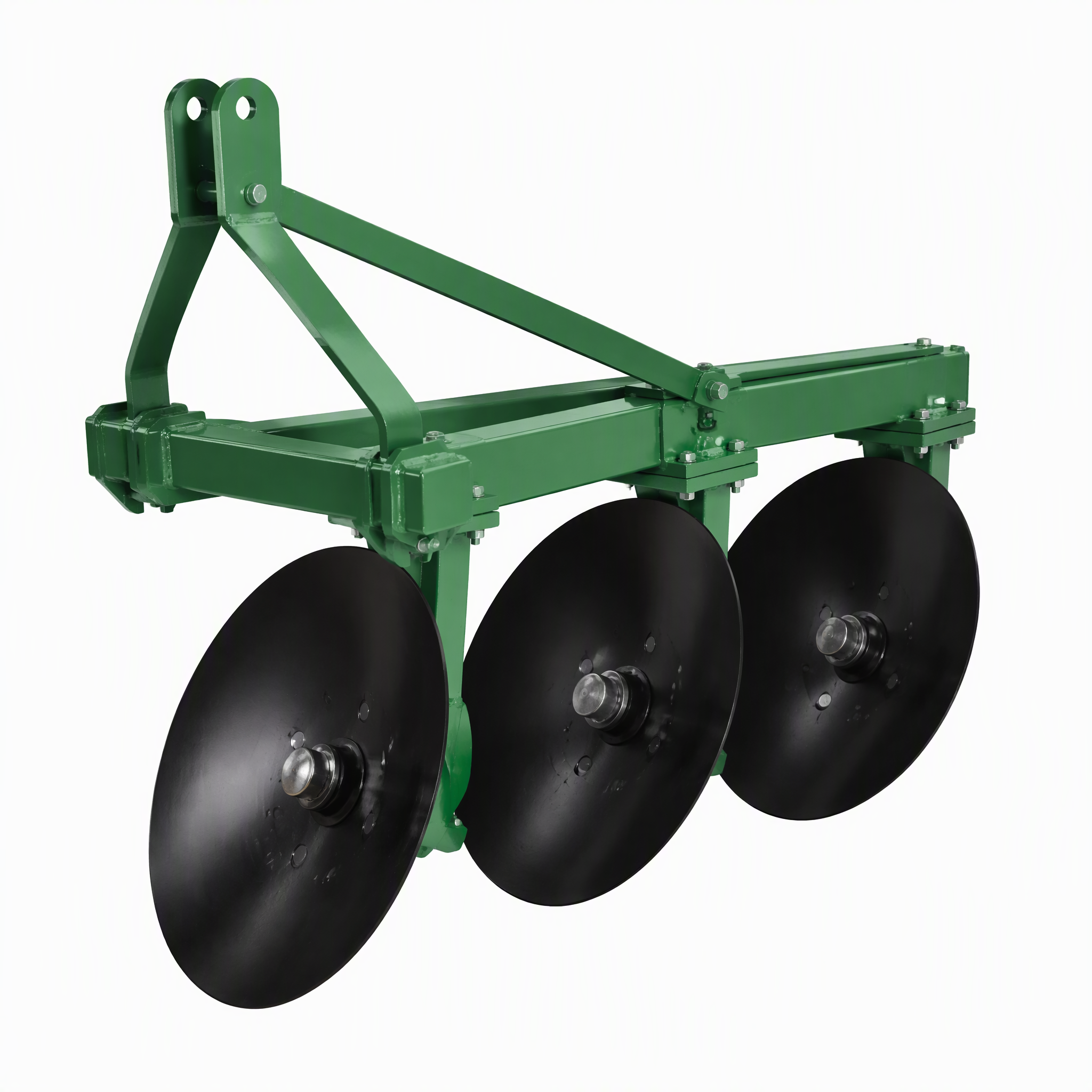
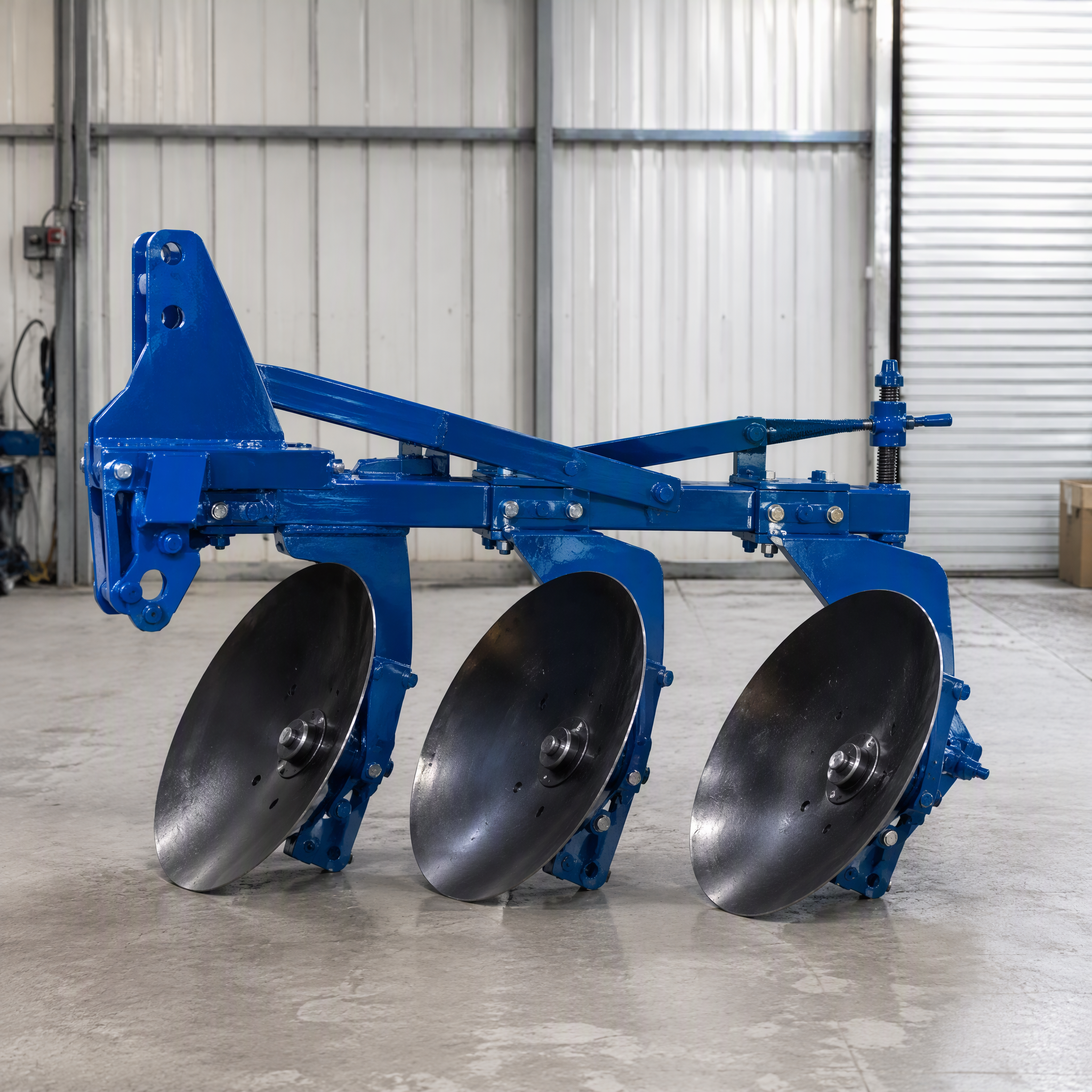
Product Knowledge: Distributors should familiarize themselves with the full range of tractor ploughs available, including variations such as mouldboard, disc, and reversible ploughs. This knowledge allows them to recommend the right product based on the specific needs of their clients.

Quality Assurance: Understanding the quality control processes employed by manufacturers is critical. Distributors should verify that products meet international standards, such as CE and ISO 9001 certifications, ensuring reliability and safety for end-users.

Market Trends: Keeping abreast of market demands, including technological advancements and shifts in agricultural practices, can help distributors position themselves effectively. Engaging with local farmers and agricultural organizations can provide insights into emerging needs.

Logistical Considerations: Distributors must also be prepared to manage logistics efficiently, including storage, shipping, and delivery timelines to ensure a smooth supply chain and customer satisfaction.

Quality Control Standards for Our Tractor Plough Manufacturing

Quality Control Standards for Our Tractor Plough Manufacturing

At Agripros, we adhere to rigorous quality control standards throughout our manufacturing process to ensure that each tractor plough meets the highest benchmarks for performance and safety.

Material Inspection: Before production begins, all raw materials undergo thorough inspection to verify compliance with our quality specifications. This step ensures that only the best materials are used in the manufacturing process.

Production Monitoring: During manufacturing, each stage is monitored by skilled technicians who check for adherence to design specifications and quality standards. Regular audits help identify and rectify potential issues early in the process.

Final Testing: After production, ploughs undergo extensive testing under simulated operating conditions. This testing assesses performance and durability, ensuring that the plough can withstand the rigors of real-world agricultural use.

Certification: Our commitment to quality is reflected in our CE and ISO 9001 certifications, which require us to maintain a consistent level of quality across all products. These certifications provide assurance to buyers that they are investing in reliable and safe machinery.

Understanding Cost Factors in Buying Tractor Ploughs for Projects

Understanding Cost Factors in Buying Tractor Ploughs for Projects

Several factors influence the cost of tractor ploughs, and understanding these can help buyers make cost-effective decisions.

Material Costs: The type and quality of materials used in manufacturing significantly impact pricing. Higher-quality materials may come at a premium but can result in lower maintenance costs and longer service life.

Customization: Custom features can increase the initial cost but may provide added value in terms of efficiency and performance. Buyers should weigh the benefits of customization against their budget constraints.

Volume Discounts: Purchasing in bulk often results in lower unit costs. Buyers should discuss minimum order quantities (MOQs) with manufacturers to explore potential savings when ordering larger quantities.

Shipping and Handling: Logistics costs should also be considered in the total cost of ownership. Buyers should inquire about shipping options and associated costs to budget effectively for the procurement process.

Expert Tips for Sourcing Tractor Ploughs for Your Business Needs

Sourcing tractor ploughs effectively requires careful planning and evaluation. Here are some expert tips to guide B2B buyers through the process:

Do Your Research: Before reaching out to suppliers, conduct thorough research on the types of tractor ploughs available and their specifications. This knowledge will enable you to ask informed questions and make better decisions.

Request Samples: Whenever possible, request samples or product demonstrations to assess the plough's performance firsthand. This step can help verify claims made by manufacturers regarding durability and effectiveness.

Engage with Multiple Suppliers: Don’t settle for the first supplier you find. Engaging with multiple manufacturers can provide insight into varying prices, quality, and service levels. This practice can also foster competition and potentially lead to better deals.

Evaluate After-Sales Support: Consider not just the purchase price but also the level of after-sales support offered. Reliable customer service, warranty options, and availability of spare parts are essential factors that can influence long-term satisfaction and operational efficiency.

By following these guidelines, buyers will be better positioned to make informed purchasing decisions when looking for tractor ploughs. Understanding specifications, quality control standards, cost factors, and sourcing strategies will ultimately lead to a more successful procurement process. Additionally, considering the use of Sprayer & Fertilizer equipment may complement their overall agricultural strategy.

How to Evaluate Tractor Plough Specifications for Wholesale Purchase

When evaluating tractor plough specifications, buyers should focus on key attributes such as size, design, material, and compatibility with existing equipment.

Size and Design: The plough's width and depth will impact the area covered and the type of soil it can effectively till. Buyers should consider the tractor's horsepower and ensure that the plough is compatible with the tractor's capabilities. A mismatch can lead to inefficiencies and increased wear on both the tractor and the plough.

Material Quality: The durability of a tractor plough often hinges on the materials used in its construction. High-quality steel is typically preferred for its strength and resistance to wear. Buyers should inquire about the specific grades of steel used and any additional treatments, such as galvanization or coating, that can enhance longevity.

Technical Parameters: It’s essential to assess the technical specifications, including the plough's weight, working depth, and the number of shares. These factors affect the plough's performance and the types of crops suited for different soil conditions.

Customization Options: Many manufacturers, including Agripros, offer customization options that can be tailored to specific agricultural needs. Buyers should communicate their requirements to ensure the plough meets their operational demands. Additionally, exploring options such as Cultivators & Tillers can provide further flexibility in meeting specific agricultural practices.

Get a Free Quote

Our representative will contact you soon.
0/1000