Understanding Plough Price for Optimal Farming

application/plough-price, application/plough-price, 
Inquiry
Inquiry

plough price

Understanding plough price is crucial for agricultural enterprises looking to optimize their farming operations. Ploughs are essential tools for soil preparation, seeding, and overall crop management. As a purchasing manager or product manager in the agricultural sector, you may have specific concerns regarding the selection, sourcing, and overall value of ploughs. This article will guide you through the key considerations when choosing a plough, finding reliable suppliers, understanding essential features, implementing quality control measures, and ensuring proper installation for efficient use.

Where to Find Reliable Suppliers for Plough Purchases

Where to Find Reliable Suppliers for Plough Purchases

Finding a reputable supplier is essential for securing quality agricultural machinery. Start by researching manufacturers known for their expertise in agricultural equipment, such as Agripros, which has a strong presence in over 40 countries. Here are some strategies to identify reliable suppliers:

Industry Associations: Engage with organizations like the American Society of Agricultural and Biological Engineers (ASABE) or equivalent local bodies. They often have directories of reputable manufacturers. Trade Shows and Expos: Attend agricultural trade shows where you can meet manufacturers, see their products firsthand, and discuss your needs directly. Online Marketplaces: Utilize platforms such as Alibaba or TradeIndia to find a range of suppliers, but ensure to verify their credentials and customer reviews. Referrals: Ask fellow farmers or industry professionals for recommendations based on their experiences. Establishing a relationship with suppliers who understand your business can lead to better pricing, service, and support. Consider suppliers that also offer Irrigation Systems for a more comprehensive agricultural solution.
Key Features to Consider

Key Features to Consider

When evaluating ploughs, several key features can impact performance and suitability for your farming operations:

Material Construction: The durability of the plough is often determined by the materials used. High-quality steel components can enhance longevity, especially in harsh conditions. Weight and Balance: Heavier ploughs tend to penetrate the soil more effectively but require adequate power from your tractor. Ensure your tractor can handle the plough's weight without compromising performance. Adjustability: Look for models with adjustable working depths and widths, allowing you to adapt to different field conditions and crop types. Maintenance Requirements: Consider how easy it is to maintain the plough. Features that minimize wear and tear can save costs in the long run. By prioritizing these features, you can select a plough that meets both your operational needs and budget constraints.
Quality Control Measures in Plough Manufacturing Explained

Quality Control Measures in Plough Manufacturing Explained

Quality control is a critical aspect of agricultural machinery manufacturing. Understanding the processes involved can help you ensure that you receive a reliable product. Here are some common quality control measures in plough manufacturing:

Material Inspection: Reputable manufacturers conduct thorough inspections of raw materials to ensure they meet specified standards. For example, Agripros adheres to ISO 9001 certifications, ensuring consistent quality. In-Process Testing: During production, manufacturers may perform in-process tests to detect defects early. This includes checking weld quality and component alignment. Final Inspection: Before shipping, a comprehensive final inspection is typically conducted. This may involve testing the plough's functionality under simulated conditions to ensure it meets performance standards. Documentation: Quality control processes should be well-documented, providing traceability for materials and tests conducted. This documentation is beneficial for both manufacturers and buyers during quality assessment. Understanding these quality control measures can help you evaluate potential suppliers and ensure you are making a sound investment.

Installation Guidelines for Efficient Use of Your Plough

Proper installation is crucial for maximizing the performance of your plough. Here are some key guidelines to follow:

Tractor Compatibility: Ensure that your tractor is compatible with the plough in terms of horsepower and hitch type. Refer to the manufacturer's specifications for guidance. Adjustment Settings: Before use, adjust the plough according to the manufacturer's recommendations. This includes setting the working depth and width based on field conditions. Pre-Use Checks: Conduct a pre-use inspection to ensure all components are secure and functioning correctly. Check for any signs of wear or damage that could affect performance. Field Preparation: Prepare the field by removing debris and obstacles that could impede the plough's operation. Proper field conditions can enhance efficiency and reduce potential damage. By following these installation guidelines, you can ensure that your plough operates efficiently, leading to better soil preparation and crop yields.

In summary, understanding the factors influencing plough price and performance is essential for making informed purchasing decisions. By considering your specific agricultural needs, sourcing reliable suppliers, evaluating key features, and adhering to quality control measures, you can optimize your farming operations for maximum productivity.

How to Choose the Right Plough for Your Agricultural Needs

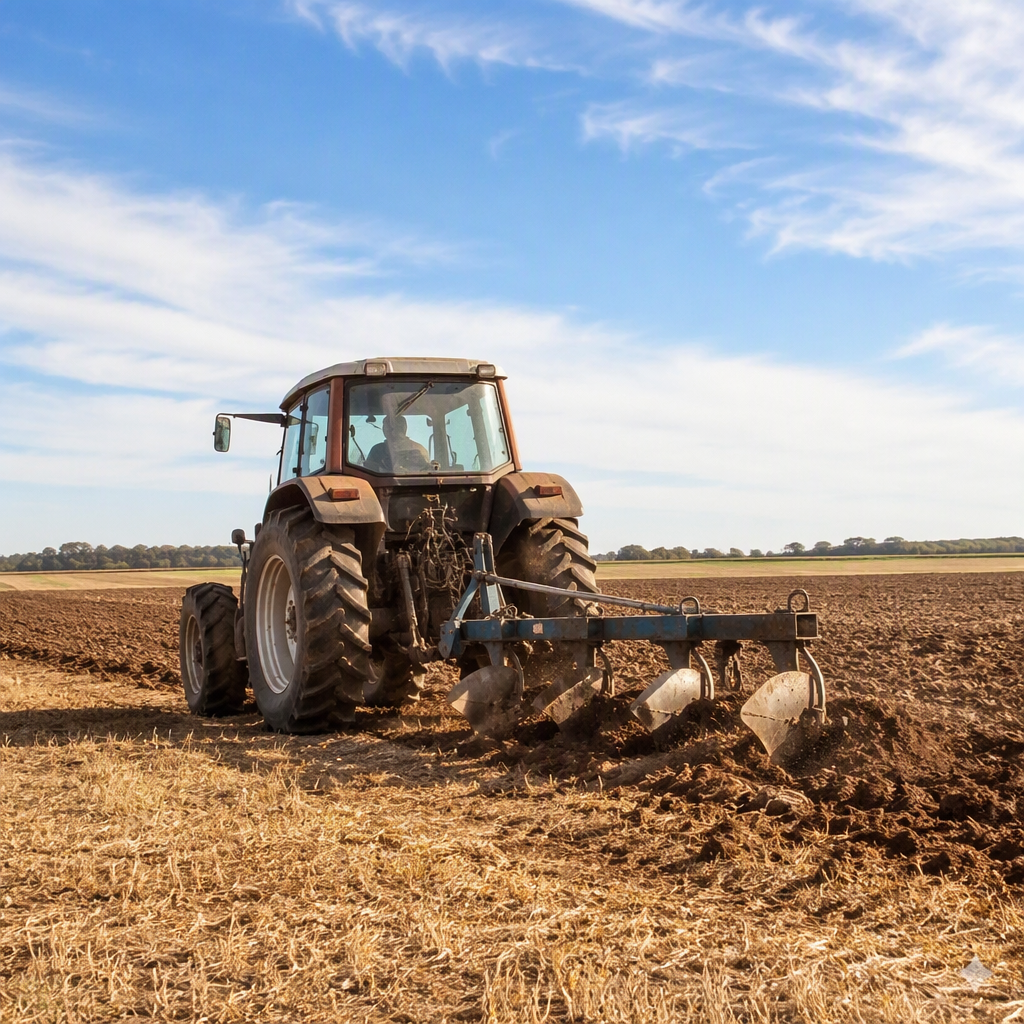
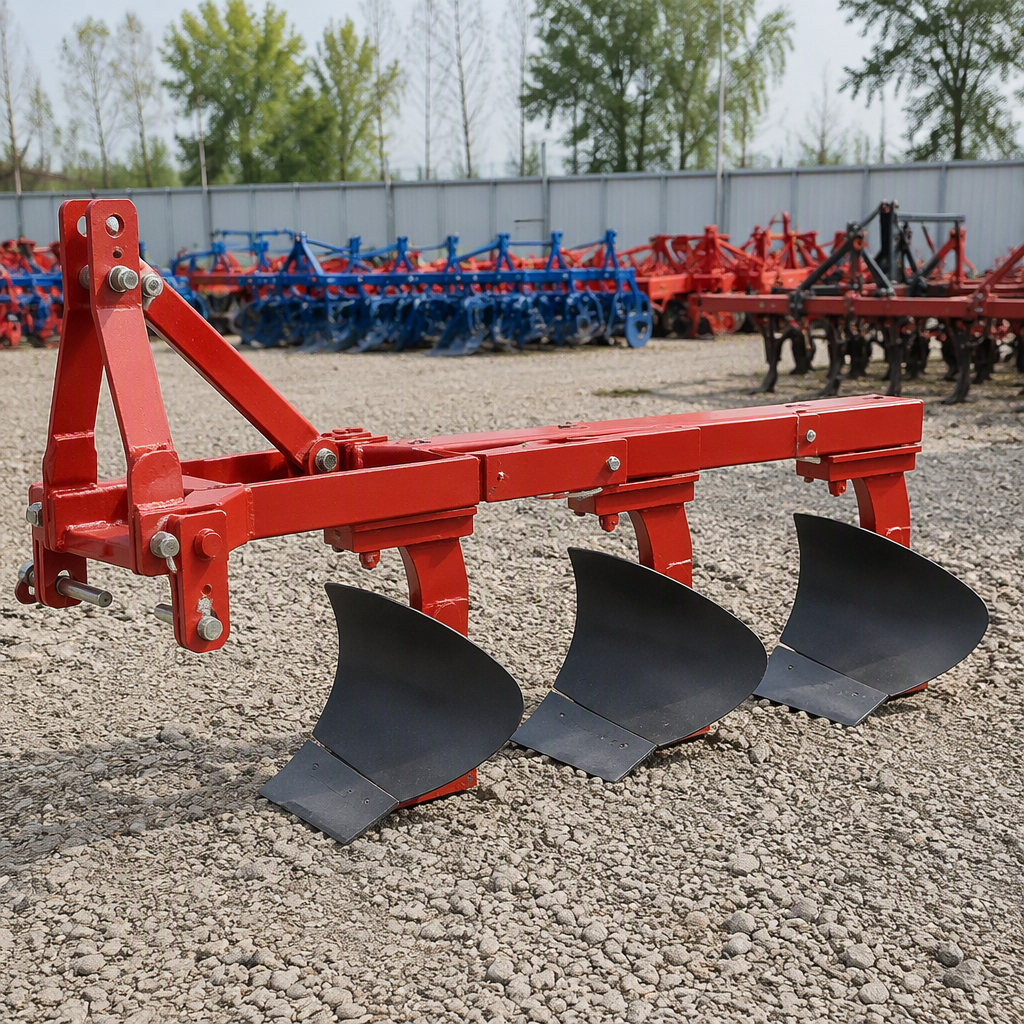
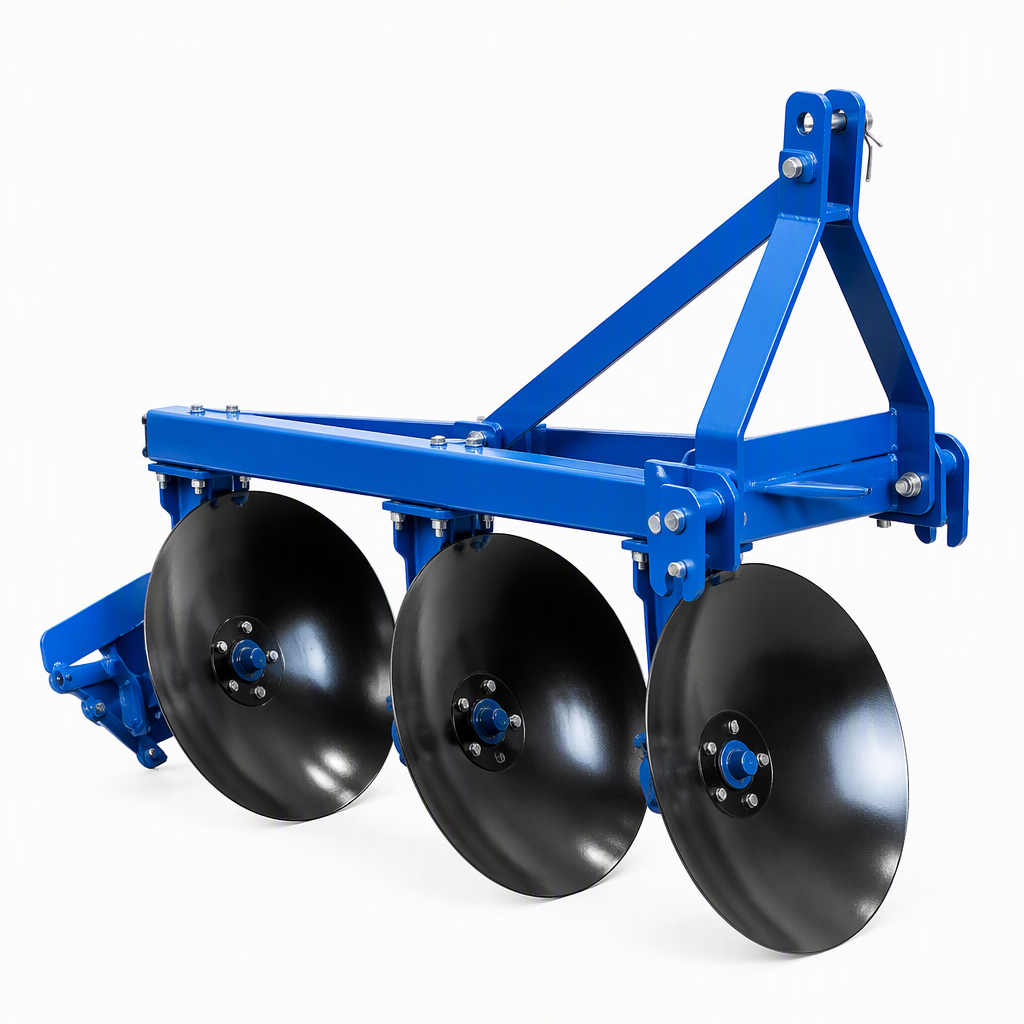
Selecting the right plough involves understanding your specific agricultural requirements, including soil type, crop rotation plans, and the scale of your operations. There are several types of ploughs available, including moldboard ploughs, disc ploughs, and chisel ploughs, each suited for different soil conditions and farming practices.

Soil Type: Determine if your soil is heavy clay, sandy, or loamy. For instance, a moldboard plough is efficient for turning over heavy clay soils, while disc ploughs perform better in sandy soils. Crop Type: Different crops may require specific tillage methods. Consider whether you will be planting cover crops or cash crops, as this can influence your plough choice. Size and Capacity: Evaluate the size of your operation. Larger farms may benefit from wider ploughs that can cover more ground quickly, while smaller farms might require more compact models for maneuverability. Features and Customization: Look for ploughs that offer adjustable widths and depths to suit varying field conditions. Some manufacturers, like Agripros, provide customization options to meet specific agricultural needs. Additionally, you might want to consider integrating Processing Machines to enhance your farming operations further.

By assessing these factors, you can make a more informed decision that aligns with your operational goals.

Get a Free Quote

Our representative will contact you soon.
0/1000