Choosing Quick Seeders for Efficient Agriculture

application/quick-seeder, application/quick-seeder, 
Inquiry
Inquiry

quick seeder

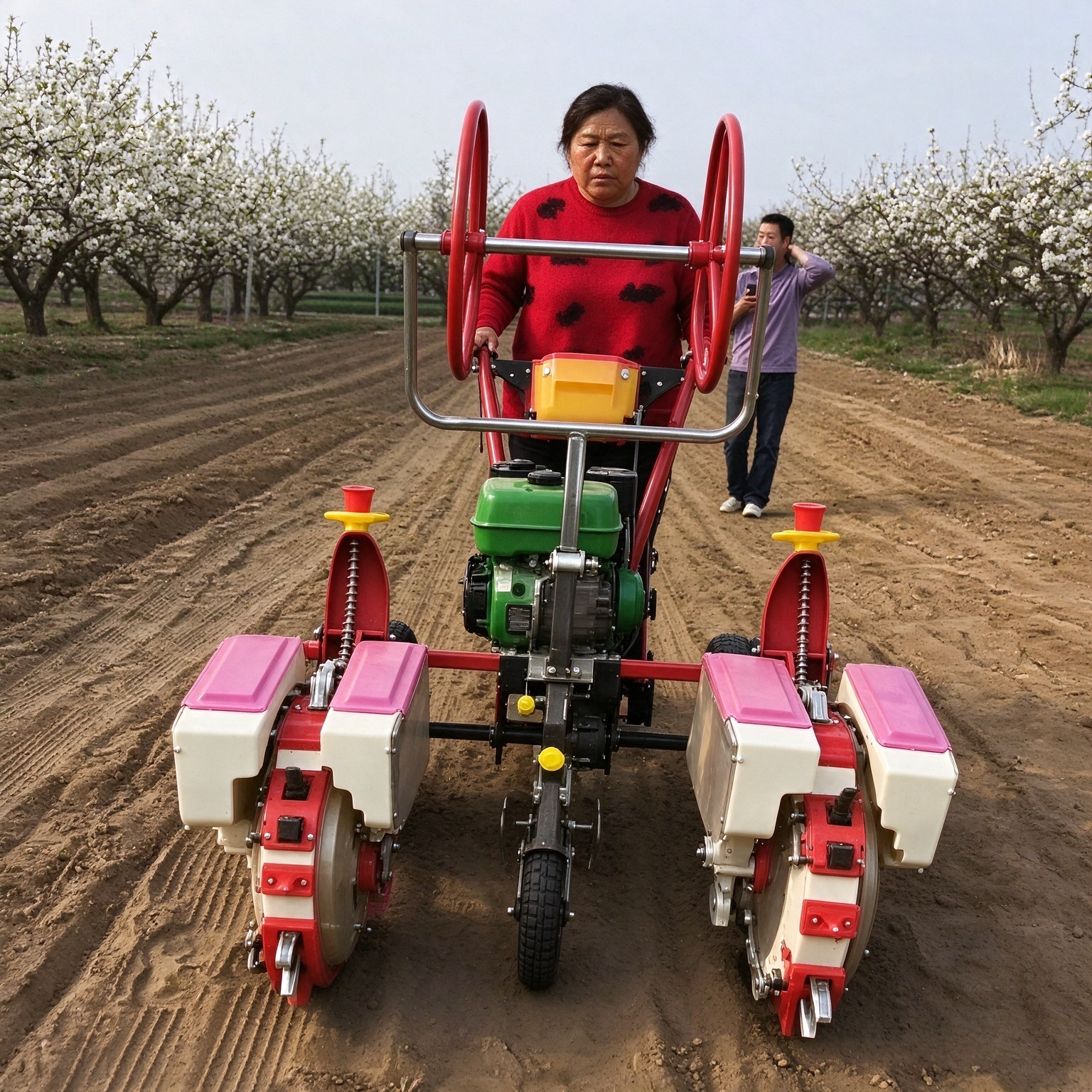
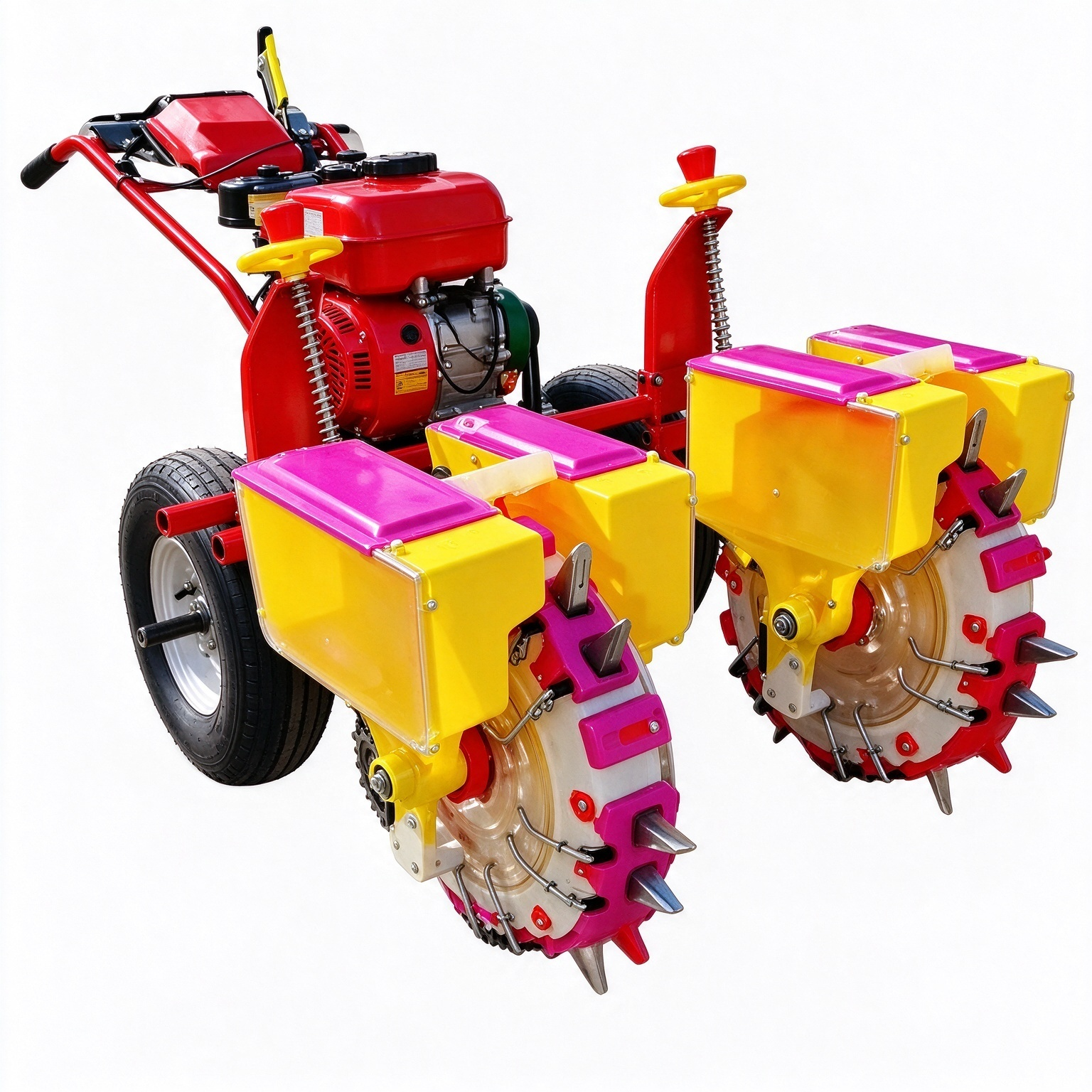
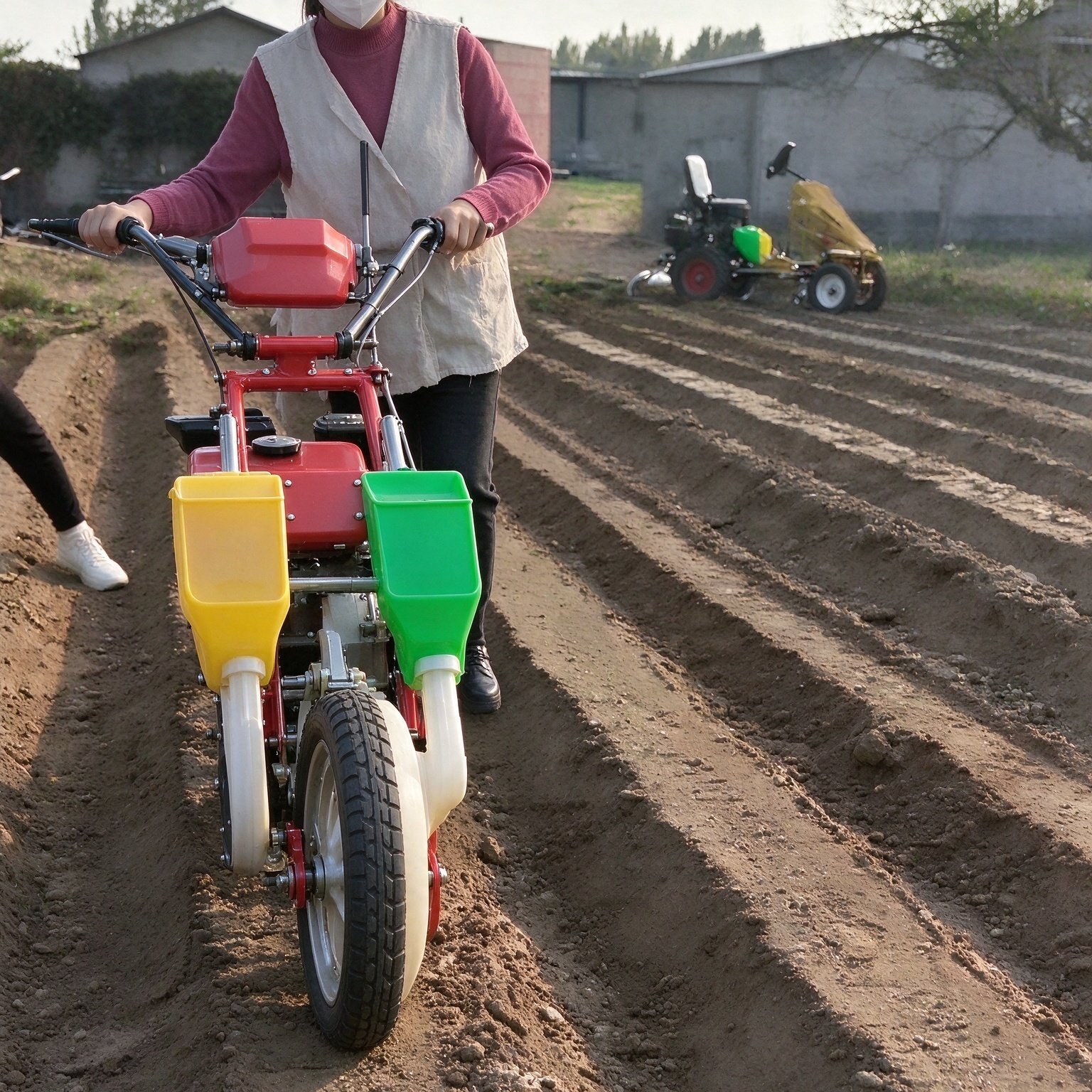
Quick seeders are specialized agricultural machines designed to streamline the seeding process, ensuring efficient planting and optimal crop establishment. For purchasing managers, distributors, and agricultural engineers, understanding the key specifications, features, and overall efficiency of quick seeders is crucial for making informed decisions. This article will guide you through essential considerations when selecting quick seeders, helping you assess various options, evaluate supplier reliability, and enhance the productivity of your agricultural projects.

Features, Costs, and Supplier Options

Features, Costs, and Supplier Options

Quick seeders come with various features that can add value to your agricultural operations. Some common features include:

GPS Compatibility: Advanced models may offer GPS technology for precision agriculture, allowing for better tracking and management of planting patterns.

Adjustable Seed Plates: This feature allows operators to switch between different seed sizes without needing to change the entire metering system.

Integrated Fertilizer Applicator: Some quick seeders have the capability to apply fertilizer simultaneously with seeding, providing nutrients right at the planting site. This feature can be complemented with equipment like the Grain Crusher 3 kW Electric Mill for Poultry Feed Milling for enhanced productivity.

Regarding costs, quick seeders can range significantly based on features, brand, and specifications. Entry-level models may start at lower price points, while high-end machines with advanced technology can be significantly more expensive. When evaluating supplier options, consider their reputation, support services, and warranty offerings. A supplier with a strong track record in agricultural machinery and responsive customer service can be invaluable, especially during peak planting seasons.

How Quick Seeders Enhance Efficiency in Agricultural Projects

How Quick Seeders Enhance Efficiency in Agricultural Projects

Quick seeders are designed to enhance operational efficiency in several key ways:

Time Savings: With their ability to cover large areas in a shorter time, quick seeders minimize the time spent on planting, allowing farmers to focus on other essential tasks.

Labor Efficiency: By automating the seeding process, these machines reduce the need for manual labor, which can be particularly beneficial during busy planting seasons.

Improved Crop Establishment: Accurate seed placement and depth control lead to better germination rates and healthier crops, ultimately improving overall yield.

Reduced Resource Waste: Efficient seed metering minimizes seed wastage, ensuring that each seed has the best chance of thriving in its environment. This contributes to more sustainable farming practices.

By incorporating quick seeders into agricultural projects, farms can enhance their productivity and profitability while also addressing labor shortages and operational challenges.

Evaluating Material Quality in Quick Seeders for Optimal Performance

Evaluating Material Quality in Quick Seeders for Optimal Performance

Material quality is a critical factor influencing the performance and longevity of quick seeders. Key considerations include:

Frame Construction: A robust frame made from high-strength materials ensures stability and resilience against field stresses. Look for seeders that utilize treated steel or reinforced designs.

Wear Components: Examine wear components such as seed discs and furrow openers. These parts should be made from durable materials that can withstand abrasive soil conditions and provide consistent performance over time.

Corrosion Resistance: Given the exposure to various weather conditions and moisture, corrosion-resistant materials or protective coatings can enhance the lifespan of quick seeders. This is especially important for equipment used in regions with high humidity or varying climates.

Buyers should request detailed material specifications from manufacturers to ensure that the quick seeders are built for the conditions they will face in the field.

What Wholesale Buyers Should Know About Quick Seeder Reliability

Reliability is a primary concern for wholesale buyers looking to invest in quick seeders. Here are several factors to consider:

Manufacturer Reputation: Research the manufacturer’s history and customer feedback. Reliable manufacturers often have established track records and positive reviews from other agricultural businesses.

Warranty and Service: Ensure that the quick seeder comes with a comprehensive warranty that covers parts and labor. Additionally, inquire about the availability of service and support, as this can be crucial for maintenance and repairs.

Field Testing: Whenever possible, request information about field testing or case studies that demonstrate the performance of the quick seeder in real-world conditions. This can provide insights into how the machine performs under various agricultural practices.

Replacement Parts Availability: Consider the accessibility of replacement parts and the manufacturer’s commitment to supporting your equipment long after the initial purchase.

By focusing on these aspects, wholesale buyers can make informed decisions that will lead to increased reliability and performance in their agricultural operations.

Investing in the right quick seeder is crucial for optimizing planting efficiency and supporting successful crop production. Understanding specifications, evaluating features, and assessing supplier reliability are essential steps for any B2B buyer in the agricultural machinery market.

Key Specifications to Consider When Choosing Quick Seeders

When evaluating quick seeders, several specifications are pivotal to ensuring that the equipment meets your operational needs effectively.

Seeding Depth and Spacing: The ability to adjust seeding depth and row spacing can significantly impact crop yield. Quick seeders should allow flexibility to accommodate various crops and soil conditions.

Seed Metering System: An efficient seed metering system ensures uniform seed distribution. Look for systems that enable precise control over seed quantity per hectare, which can influence the overall planting density and crop health.

Working Width: The working width of the quick seeder directly affects the area covered in a single pass. A wider working width can reduce the time and labor required for seeding, making it a vital consideration for larger farms. For larger operations, consider options like the 8-25HP Diesel Walk Behind Tractor Water-Cooled Hand Start Farm Tractor to enhance efficiency.

Compatibility with Tractors: Ensure that the quick seeder is compatible with your existing tractor and implements. Consider the power requirements and hydraulic compatibility to prevent operational bottlenecks.

Build Quality and Durability: Materials used in construction, such as high-strength steel and corrosion-resistant coatings, play a crucial role in the longevity of the machine. Evaluate the manufacturer’s quality control processes to ensure that the equipment can withstand rigorous field conditions.

Frequently Asked Questions

What is the Quick Seeder designed for?

The Quick Seeder is designed for fast, accurate seed placement across small to medium farms, supporting tillage-integrated seeding and adaptable row spacing for various crops.
It supports cereals, legumes, vegetables, and cover crops via adjustable seed meters and interchangeable seed plates to match seed size and rate.
Manufactured under CE and ISO 9001 quality systems, the Quick Seeder meets international safety and quality standards for reliable farm use.
We provide lifecycle-based support including installation guidance, spare parts, and maintenance schedules to ensure uptime and long service life.
Yes. Agripros offers tailored configurations for row spacing, seeding rates, and attachments to fit soil type and farm scale across 40-country experience.

Get a Free Quote

Our representative will contact you soon.
0/1000