Choosing the Right Seeder Machine for Agriculture

application/seeder-machine, application/seeder-machine, 
Inquiry
Inquiry

seeder machine

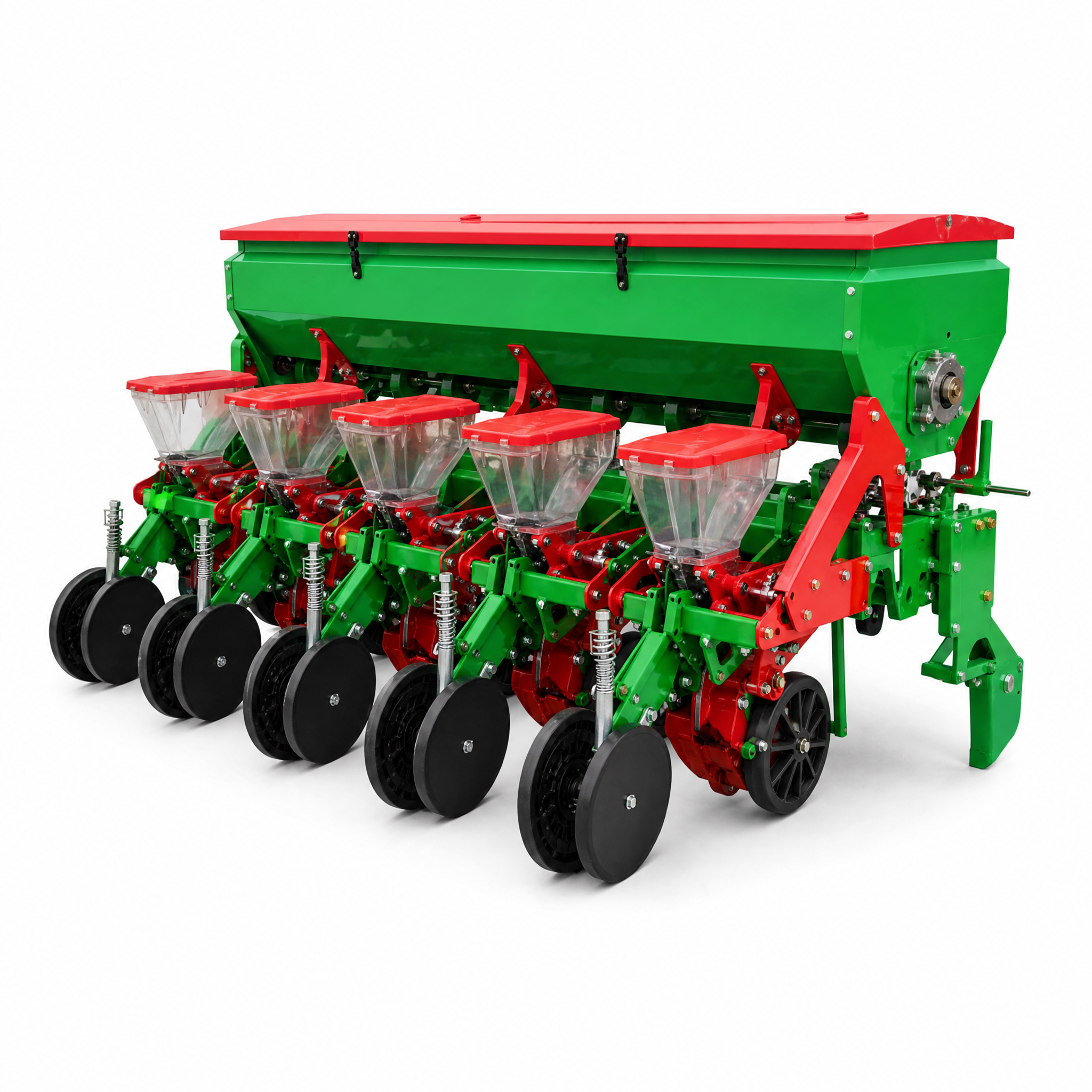
A seeder machine is a vital piece of agricultural machinery designed to efficiently distribute seeds across farming fields. For B2B buyers, including purchasing managers and agricultural engineers, understanding the intricacies of seeder machines is crucial for making informed purchasing decisions. Key concerns typically revolve around the machine's specifications, application suitability, and cost factors. This article aims to provide clarity on various aspects of seeder machines, enabling buyers to select the right equipment for their agricultural needs.

Key Specifications to Consider When Sourcing Seeder Machines

Key Specifications to Consider When Sourcing Seeder Machines

When sourcing a seeder machine, several key specifications should be assessed to ensure optimal performance. These include:

Seed Delivery System: The method by which seeds are delivered (e.g., pneumatic, mechanical) can affect planting accuracy and speed. Pneumatic systems often provide more precise seed placement, which is crucial for maximizing yield.

Adjustable Planting Depth: The ability to adjust the planting depth is essential for accommodating different seed types and soil conditions. Machines that offer easy adjustments can enhance planting efficiency.

Row Spacing: This specification is critical for crop type and growth. Ensure that the seeder can match the necessary row spacing for your specific crops to support optimal growth conditions.

Durability and Build Quality: Given the rigors of agricultural use, the materials used in construction (e.g., steel, aluminum) and the quality of welding and assembly significantly impact the lifespan and reliability of the seeder.

Capacity and Speed: Consider the seeding rate and overall capacity of the machine. A higher capacity can improve productivity, especially during peak planting seasons.

Certifications: Ensure the machine meets industry standards, such as CE or ISO certifications, which can provide assurance of quality and safety.

Understanding these specifications will help buyers select a seeder machine that fits their operational needs and budget.

Bulk Order Considerations for Seeder Machines in Agriculture

Bulk Order Considerations for Seeder Machines in Agriculture

When planning to procure seeder machines in bulk, several considerations come into play. First, determine your total required quantity and how it aligns with the supplier's minimum order quantity (MOQ). Many manufacturers have MOQs that can influence your purchasing strategy.

Next, discuss lead times with potential suppliers. Bulk orders may require extended production periods, especially if customization is needed. Establish clear timelines to ensure your machines are ready ahead of peak planting seasons.

Pricing is another critical factor; bulk orders often come with discounts, but it’s essential to compare these offers across different suppliers. Ensure you fully understand the cost breakdown, including shipping, taxes, and potential tariffs if importing.

Finally, consider logistics and delivery capabilities. Evaluate whether the supplier can meet your distribution needs effectively and if they offer support for installation or training on the new equipment.

Understanding the Cost Factors of Seeder Machine Purchases

Understanding the Cost Factors of Seeder Machine Purchases

The cost of seeder machines can vary significantly based on multiple factors. First, the type of seeder plays a crucial role; for example, precision seeders tend to be more expensive than conventional models due to their advanced technology and features.

Another cost consideration is the machine's specifications. Higher-end models with greater capacity, adjustable features, and enhanced durability will generally come at a premium. Therefore, it’s critical to balance the features you need with your budget constraints.

Maintenance and operational costs should also be factored into the total cost of ownership. Machines that require specialized parts or frequent servicing can lead to higher long-term expenses.

Finally, don’t forget to account for other costs associated with the purchase, such as transportation, installation, and training for operators. A comprehensive evaluation of these factors will help you make a well-informed purchasing decision.

Applications of Seeder Machines in Modern Agriculture Practices

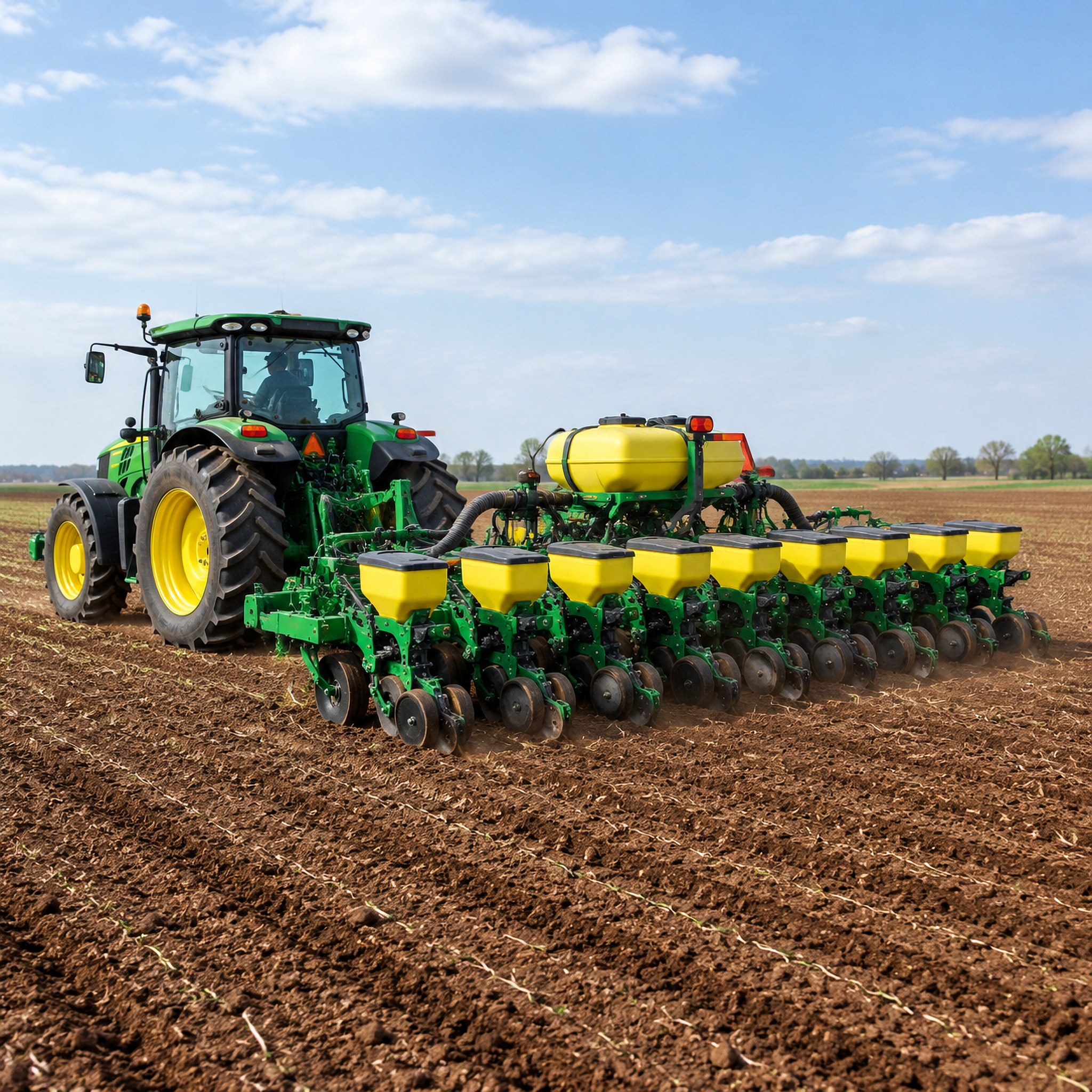
Seeder machines are integral to various modern agricultural practices, enhancing efficiency and productivity. In precision agriculture, these machines allow for targeted seeding, which can lead to increased crop yields while minimizing seed wastage. By utilizing advanced technology, such as GPS and variable rate seeding, farmers can optimize their planting strategies based on soil variability.

Additionally, seeder machines are used in conservation tillage practices, where minimal soil disturbance is essential. These machines can efficiently plant seeds directly into cover crops or residues, helping to maintain soil health while promoting sustainable farming practices.

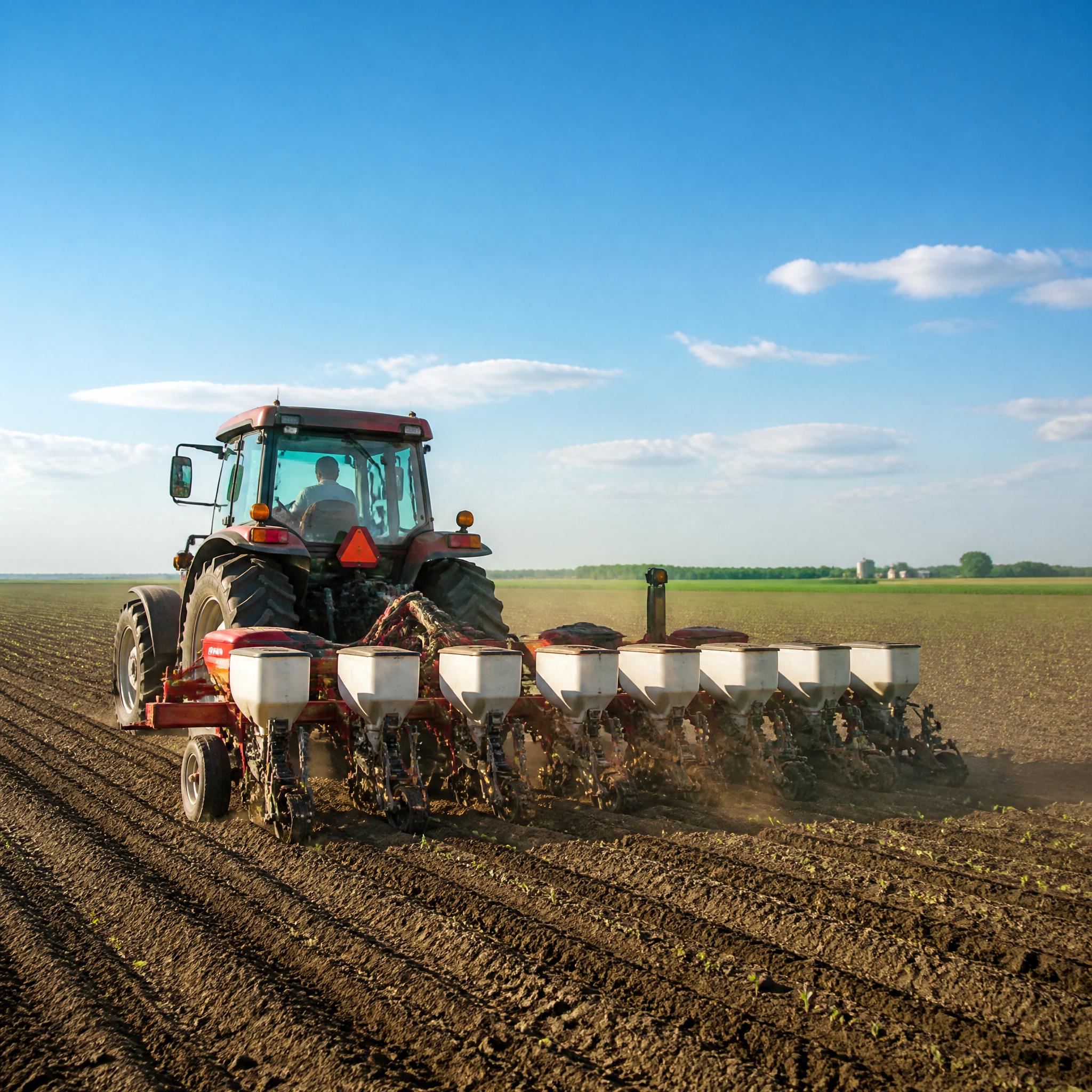
Finally, in large-scale farming operations, the speed and efficiency of seeder machines allow for timely planting, which is crucial for maximizing growing seasons. This capability is especially important in regions with short planting windows, where every day counts.

By understanding the applications of seeder machines, buyers can better align their purchasing decisions with their operational goals and environmental practices.

Choosing the Right Seeder Machine for Your Agricultural Needs

Selecting the right seeder machine involves considering several factors tailored to your specific agricultural operations. First, assess the type of crops you are planting. Different seeds require different planting techniques; for instance, row crops like corn may need a different seeding method compared to small seeds like lettuce. Additionally, machines such as the Corn Thresher Machine – 4HP Gasoline Maize Sheller for Farms can complement your seeding by efficiently processing the harvested crops.

Next, consider the machine's capacity and planting depth. Seeder machines come in various sizes, and the appropriate choice will depend on the scale of your operations. A larger machine may be necessary for extensive fields, while smaller units are more manageable for smaller plots.

Additionally, evaluate machine compatibility with your existing equipment. Ensuring that the seeder can be easily integrated with your tractor or other agricultural machinery can save time and reduce operational complexity. For example, the Walking Tractor 15-18HP Water-Cooled Diesel 2WD Hand Tractor is a versatile option that can work well with various seeder attachments. Finally, don’t overlook the importance of user-friendliness and maintenance requirements; a machine that is difficult to operate or maintain can lead to inefficiencies in the long run.

Frequently Asked Questions

What crops can the seeder machine plant?

Our seeder machine supports grains, legumes, vegetables, and oilseeds. We customize configurations to match crop spacing, seed size, and planting depth for optimal germination and yield.
The seeder is manufactured under CE and ISO 9001 standards, ensuring quality, safety, and consistent production processes.
Yes. We offer lifecycle-based solutions and scalable configurations for small farms to large plantations, including row spacing and capacity adjustments.
We provide technical guidance, spare parts supply, and maintenance support across 40 countries, plus installation and operation training as needed.
Delivery terms depend on order and destination; typical lead times are provided on request. Equipment includes warranty coverage per contract and assistance for claims and repairs.

Get a Free Quote

Our representative will contact you soon.
0/1000