Choosing the Right Seeder for Your Agricultural Needs

application/seeder, application/seeder, 
Inquiry
Inquiry

seeder

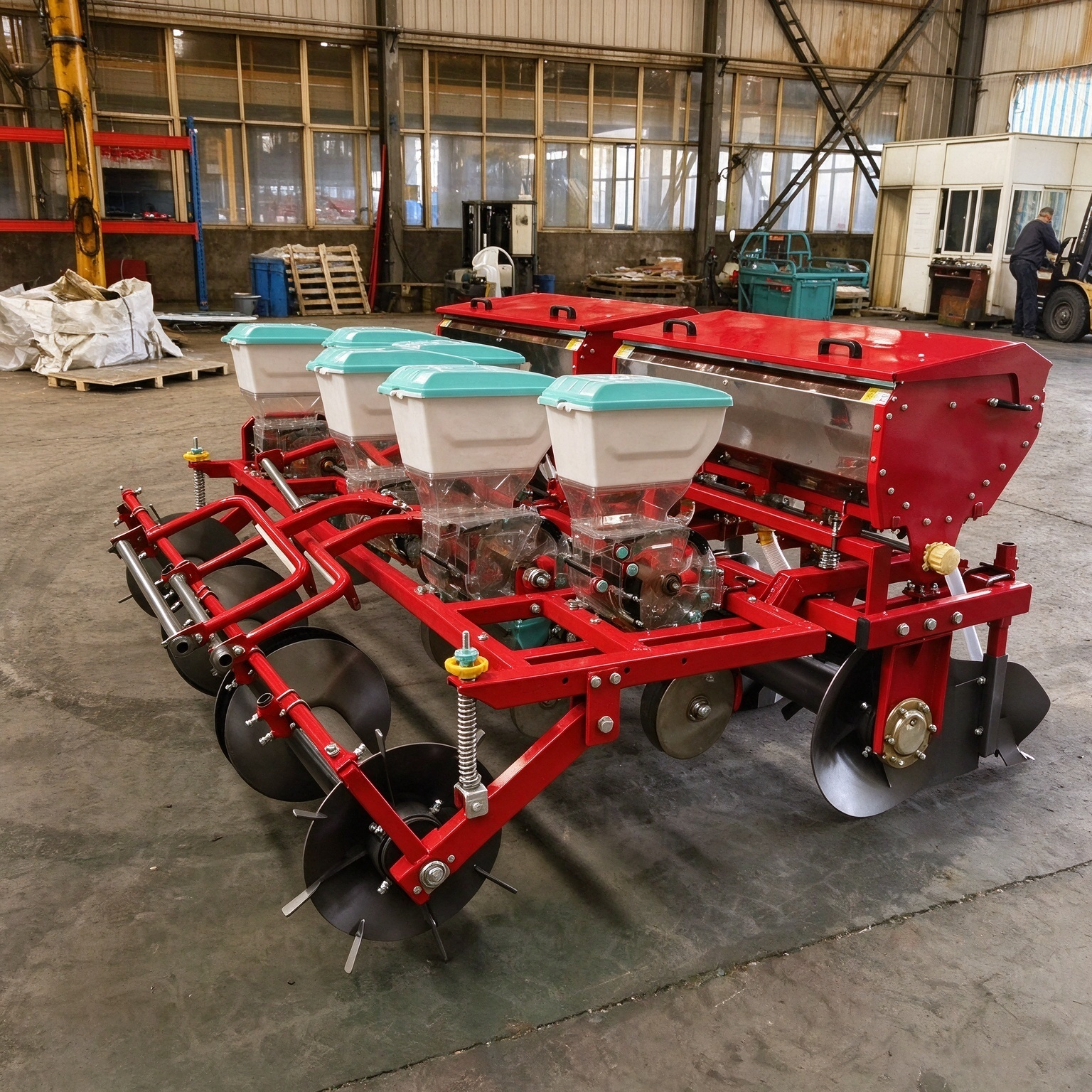
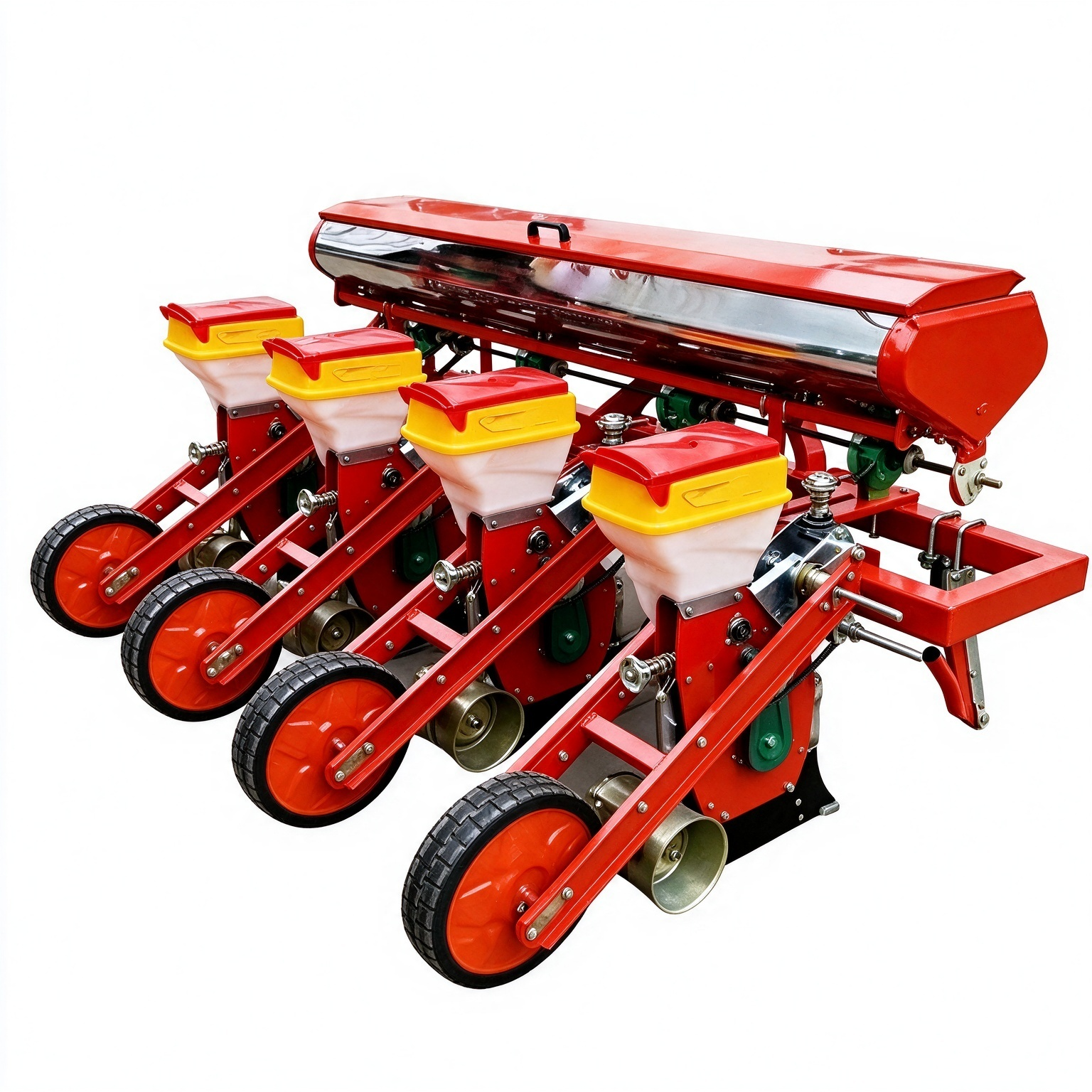
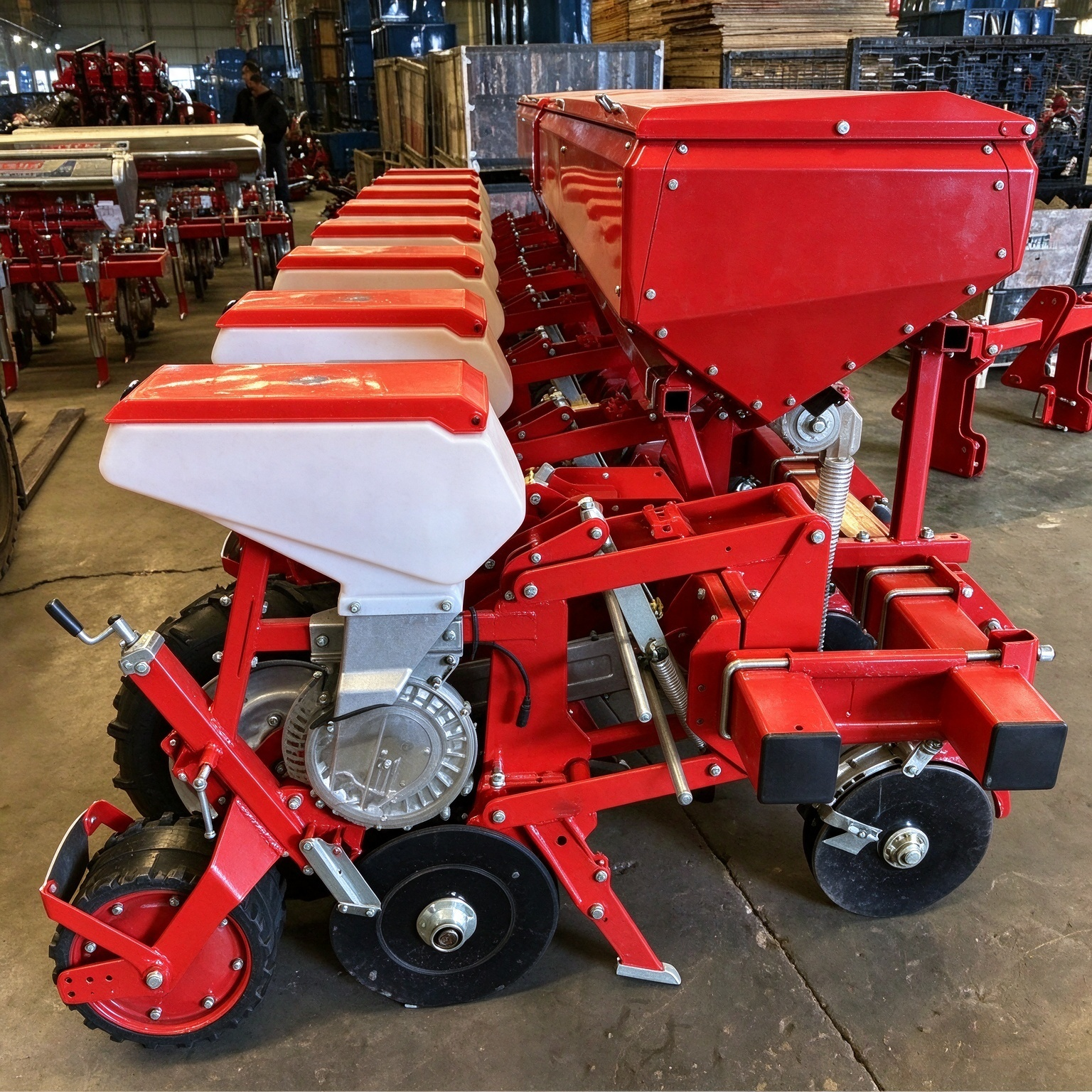
Choosing the right seeder is crucial for optimizing agricultural operations, whether for small farms or large plantations. As a primary tool for efficient sowing, seeders can significantly impact crop yield and overall productivity. However, with various options available, purchasing managers, engineers, and product managers must consider several key factors when evaluating seeder options. This article will explore essential considerations and specifications that buyers should keep in mind to ensure they select the most suitable seeder for their specific agricultural needs.

Key Specifications to Evaluate When Selecting a Seeder Machine

Key Specifications to Evaluate When Selecting a Seeder Machine

Several specifications can impact the performance and efficiency of a seeder. Here are some key points to consider:

Seed Capacity: The size of the seed hopper directly affects the seeder's operational efficiency. A larger capacity allows for longer planting sessions without frequent refills.

Row Spacing: Different crops require specific row spacing for optimal growth. Ensure the seeder can accommodate the necessary spacing for the intended crop type.

Seeder Type: Options include air seeders, mechanical seeders, and vacuum seeders, each with distinct advantages. Air seeders, for example, provide precise seed placement, while mechanical seeders may be more cost-effective for bulk planting. Furthermore, integrating seeder technology with Processing Machines can enhance overall agricultural efficiency.

Durability and Materials: The materials used in construction, such as steel or aluminum, can affect the seeder's longevity and resistance to wear and tear. Look for machines with corrosion-resistant coatings for enhanced durability in various weather conditions.

Adjustability: A seeder with adjustable settings allows for greater flexibility in planting different seed types and adapting to changing soil conditions.

Understanding these specifications helps buyers make informed decisions and ensures that the seeder meets their operational needs.

How to Compare Seeder Quality and Reliability for Bulk Orders

How to Compare Seeder Quality and Reliability for Bulk Orders

Quality and reliability are paramount when evaluating seeders, especially for bulk orders. Buyers should consider the following aspects:

Manufacturer Reputation: Research the manufacturer’s history and client feedback. A reputable company like Agripros, which designs and supplies agricultural machinery with CE/ISO 9001 certifications, offers assurance regarding product quality and reliability.

Quality Control Processes: Inquire about the manufacturer’s quality control measures. Regular inspections during production and final testing can prevent defects and ensure consistency.

Warranty and Support: A robust warranty and reliable customer support can mitigate risks associated with bulk purchases. Ensure that the manufacturer provides comprehensive service options to address any operational issues that may arise.

Field Testing: Whenever possible, request field tests or demonstrations of the seeder. Observing the machine in action provides valuable insights into its performance and reliability under real-world conditions.

By focusing on these factors, buyers can better assess the quality and reliability of seeders, leading to more successful bulk purchasing decisions.

Cost Factors to Consider When Purchasing Seeders for Projects

Cost Factors to Consider When Purchasing Seeders for Projects

Cost is always a crucial factor in purchasing decisions. Here are some key cost considerations when buying seeders:

Initial Purchase Price: While it may be tempting to opt for the cheapest option, consider the long-term value. Higher-quality seeders may have a higher upfront cost but can lead to savings through enhanced efficiency and durability.

Operating Costs: Evaluate fuel efficiency, maintenance requirements, and potential downtime. A seeder that requires frequent repairs or is less fuel-efficient can increase overall costs significantly.

Customization Costs: If customization is needed to meet specific agricultural requirements, understand the associated costs. Custom features may improve performance but can also drive up the total expenditure.

Logistics and Shipping: Consider shipping costs, especially for larger orders. Understanding these costs upfront can help avoid budget overruns.

Total Cost of Ownership: Assess the total cost of ownership, which includes purchase price, maintenance, and operating costs over the machine's expected lifespan.

By carefully evaluating these cost factors, buyers can make more informed decisions that align with their budget and operational goals.

Where to Source High-Quality Seeders for Agricultural Projects

Sourcing high-quality seeders involves identifying reputable suppliers and manufacturers. Here are several avenues to consider:

Direct Manufacturers: Working directly with manufacturers, such as Agripros, can provide benefits such as lower prices, customization options, and direct access to technical support.

Distributors and Dealers: Established distributors often have a range of products and can provide valuable insights into the best options for specific agricultural needs. They may also offer after-sales support.

Industry Trade Shows: Attending agricultural trade shows allows buyers to see multiple products in one place, meet manufacturers, and discuss specifications and pricing directly.

Online Marketplaces: While online sourcing can be convenient, ensure that you verify the credibility of the seller. Look for reviews and ratings before making a purchase.

Referrals and Recommendations: Networking within the agricultural community can yield valuable recommendations for trusted suppliers and models based on real-world experiences.

By exploring these sourcing avenues, buyers can find high-quality seeders that meet their agricultural requirements and support their operational efficiency. Seeders & Transplanters are also essential tools that can complement seeding operations effectively.

Selecting the right seeder requires careful consideration of various factors, including specifications, quality, cost, and sourcing options. By following these guidelines, purchasing managers and agricultural professionals can make informed decisions that enhance productivity and yield in their operations.

What to Consider When Choosing a Seeder for Your Agricultural Needs

When selecting a seeder, it's important to assess the specific agricultural application. Different seeders cater to various soil types, crop varieties, and planting methods. For instance, a precision seeder is ideal for small seeds, ensuring even distribution and optimal plant spacing, while a broadcast seeder works well for larger seeds and can cover more ground quickly. Additionally, understanding the compatibility of the seeder with existing Irrigation Systems is essential for maximizing efficiency.

Buyers should also evaluate the seeder's compatibility with existing equipment and the specific conditions of the farm. Factors such as terrain, soil moisture, and climate can influence performance. Additionally, understanding the maintenance requirements and ease of operation is critical, as these factors can affect productivity during crucial planting seasons.

Frequently Asked Questions

What types of seeder models do you offer?

We provide a range of seeders for row-crop, precision, broadcast and planter-style applications, configurable for small farms to large plantations with options for seed meters and fertilizer attachments.
Yes. Our seeders are produced under ISO 9001 management and many models meet CE standards to ensure consistent quality and safety.
Absolutely. We tailor seed spacing, depth control, row width and mounting options to match crop type, soil conditions and farm scale as part of lifecycle-based solutions.
We offer product manuals, spare parts supply, installation guidance and training. Warranty terms vary by model; contact us for specific coverage and regional service arrangements.
Contact our sales team with crop, acreage and destination details. We ship to over 40 countries and provide logistics, export documentation and configuration to meet local needs.

Get a Free Quote

Our representative will contact you soon.
0/1000