Rototiller for Sale: Expert Buying Guide

application/rototiller-for-sale, application/rototiller-for-sale, 
Inquiry
Inquiry

rototiller for sale

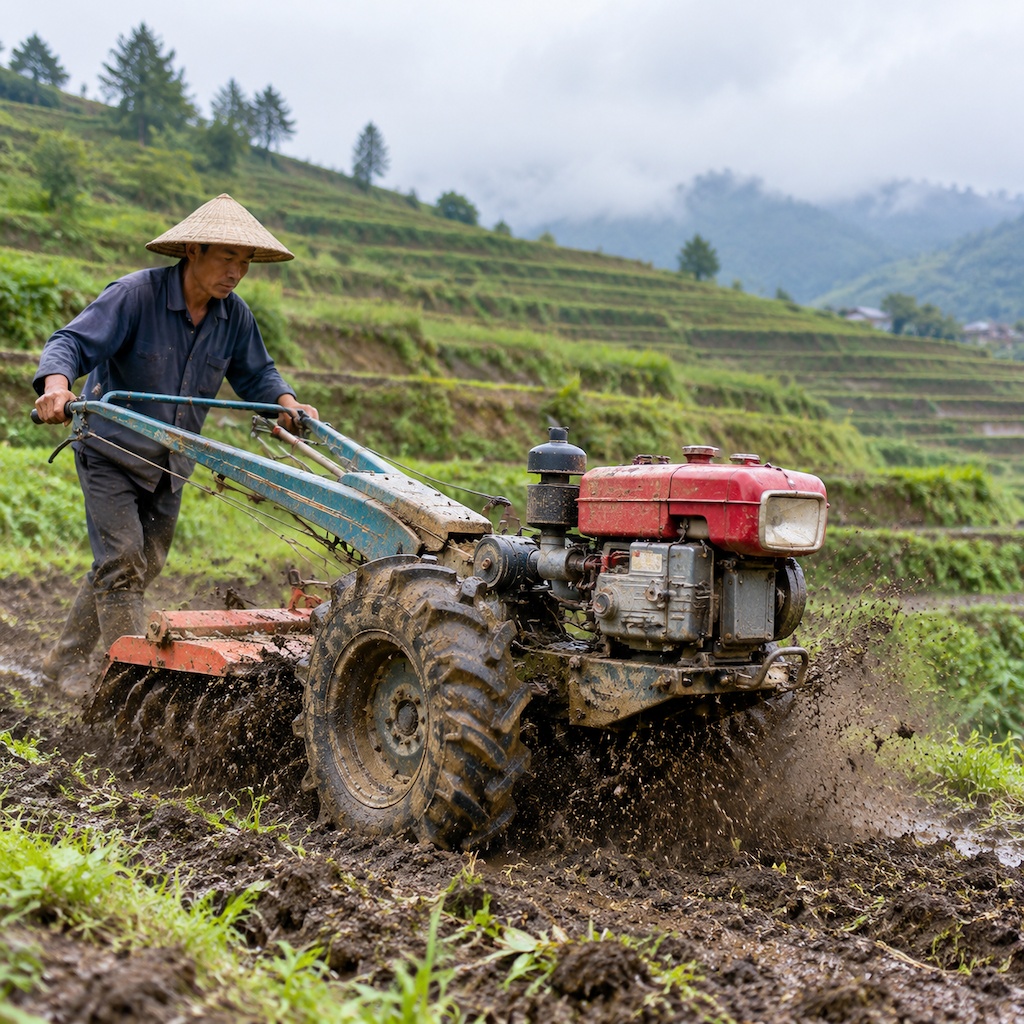
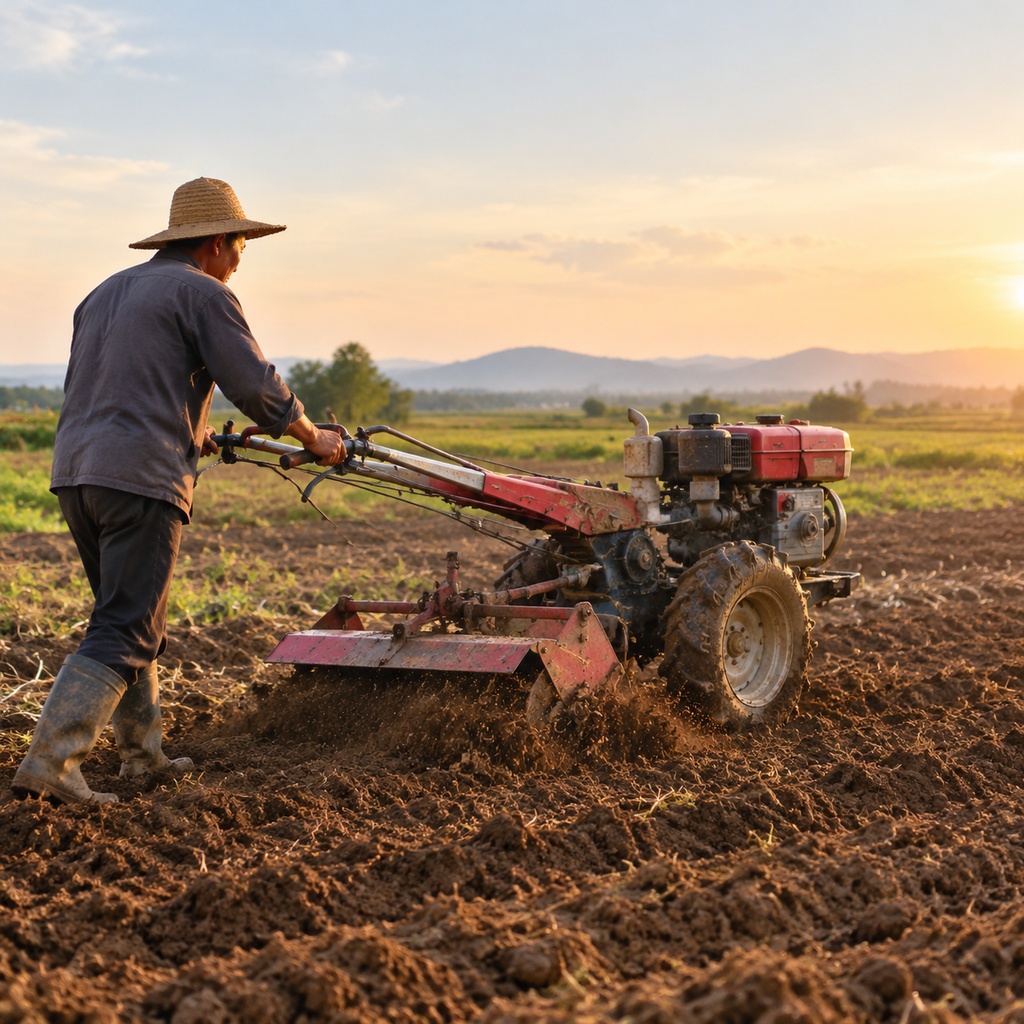
Purchasing a rototiller for sale can significantly enhance your agricultural operations by improving soil preparation for planting. As a B2B buyer, whether you're a purchasing manager or a distributor, you may have concerns regarding quality, cost, and the suitability of various rototillers for your specific applications. This article aims to clarify key considerations when selecting rototillers, ensuring you make an informed purchasing decision.

Where to Source Reliable Rototillers for Bulk Orders

Where to Source Reliable Rototillers for Bulk Orders

Sourcing reliable rototillers for bulk orders involves identifying trustworthy manufacturers and suppliers. Agripros, for instance, has a proven track record in supplying agricultural machinery across 40 countries, ensuring that they meet international quality standards through CE and ISO 9001 certifications.

To find reliable sources, begin by researching manufacturers with established reputations in the agricultural machinery sector. Look for reviews, testimonials, and case studies that highlight their experience in the field. Additionally, attending trade shows and industry exhibitions can provide firsthand insights into equipment quality and supplier reliability.

Another effective approach is to request samples or conduct product trials before committing to a bulk order. This allows you to assess performance, durability, and suitability for your specific applications. For example, testing various Sprayer & Fertilizer options can enhance your understanding of complementary agricultural tools.

Understanding the Cost Factors of Rototillers for Distributors

Understanding the Cost Factors of Rototillers for Distributors

The cost of rototillers can vary widely based on several factors, including design complexity, manufacturing materials, and additional features. When evaluating costs, consider the following key components:

Material Quality: High-quality materials often lead to higher initial costs but can reduce maintenance and replacement expenses in the long run. Look for rototillers constructed from robust steel and featuring durable components.

Production Scale: Bulk orders typically come with lower per-unit costs. However, minimum order quantities (MOQs) can affect initial investments. Ensure you understand the MOQ requirements of your chosen supplier.

Customization Options: If you require specific modifications or features, these can impact pricing. Customization may include specialized attachments or specific engine configurations tailored to unique agricultural needs.

Shipping and Import Fees: Depending on the supplier's location, shipping costs and import tariffs may add to the total cost. Factor these into your budget when calculating the overall price of the rototillers.

Understanding these cost factors can help distributors make informed pricing decisions and enhance their competitive edge in the market.

Common Problems with Rototillers and Their Solutions

Common Problems with Rototillers and Their Solutions

While rototillers are invaluable for soil preparation, they can encounter common issues that may hinder performance. Recognizing these problems and their solutions is essential for maintaining operational efficiency:

Clogging: This can occur if the tiller is used in overly wet or dense soil. To prevent clogging, ensure the soil is adequately dry and avoid tilling in overly compacted conditions.

Engine Performance Issues: If the engine is not starting or running smoothly, check fuel quality, spark plugs, and air filters. Regular maintenance, such as oil changes and filter replacements, can help mitigate these issues.

Tines Wear and Tear: The rotating tines can wear down over time, reducing effectiveness. Regularly inspect and replace tines as needed to maintain optimal tilling performance.

Belt Slippage: If the tiller experiences reduced power, check the drive belts for tension and wear. Proper adjustment and timely replacement of belts are critical for maintaining machine performance.

By being aware of these common issues, buyers can proactively address potential problems and ensure the longevity of their investment.

How Agripros Ensures Rototiller Reliability and Performance

At Agripros, ensuring the reliability and performance of our rototillers begins with a rigorous quality control process. Each machine undergoes extensive testing to verify that it meets our high standards before it reaches the market. Our manufacturing facilities utilize advanced production equipment that adheres to CE and ISO 9001 standards, ensuring consistency and quality in every unit produced.

We also focus on sourcing high-grade materials, which are crucial for the durability and performance of our rototillers. By employing state-of-the-art technology and skilled labor, we ensure that our products can withstand the rigors of agricultural use across various environments.

Furthermore, we offer customization capabilities to meet specific client needs, from modifications in size and features to tailored packaging solutions. This flexibility allows us to cater to diverse markets and applications, reinforcing our commitment to providing tailored, lifecycle-based solutions for our clients.

In summary, by understanding the characteristics of rototillers, sourcing strategies, cost factors, common problems, and our commitment to quality, buyers can make informed decisions when purchasing rototillers for their agricultural operations.

Choosing the Right Rototiller for Wholesale Purchase

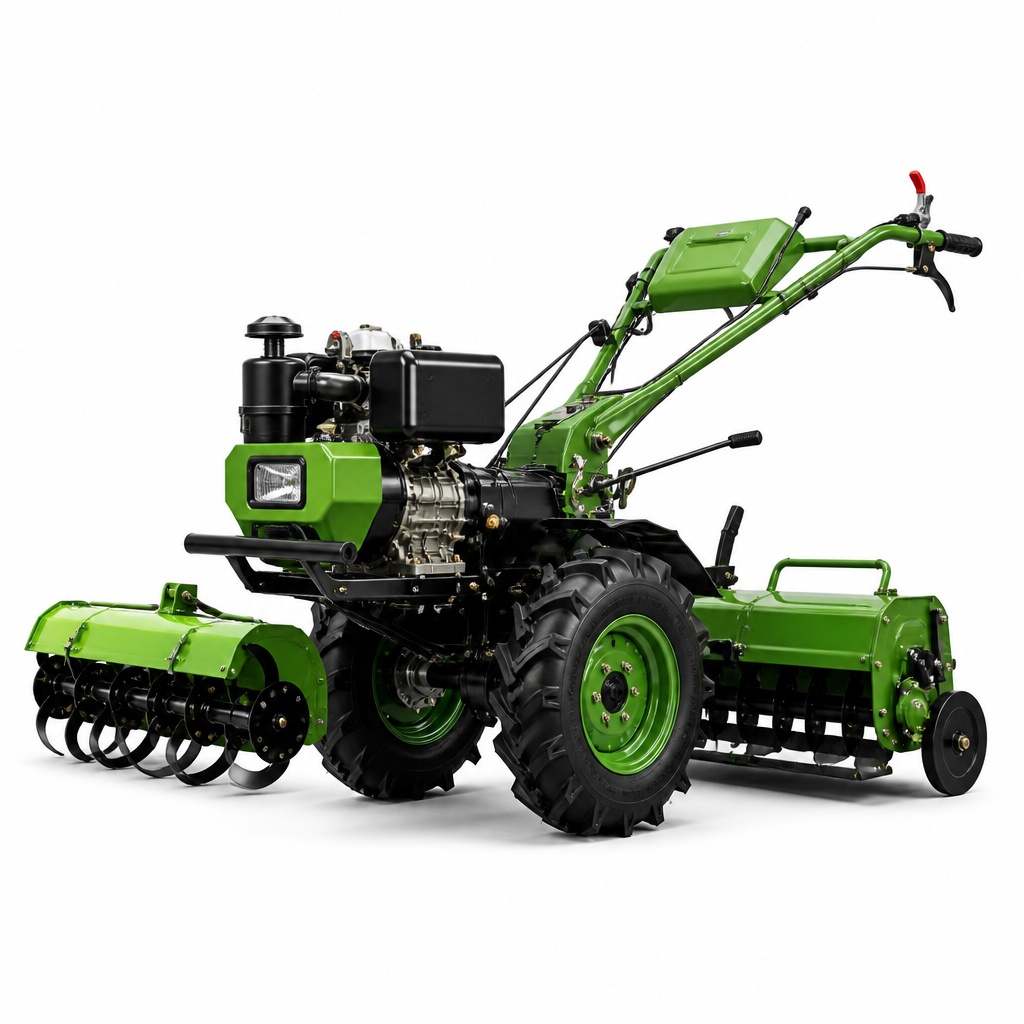
When selecting a rototiller for wholesale purchase, several factors come into play. First, consider the type of tillage you require—different rototillers are designed for varying soil types and conditions. For instance, heavy-duty models are better suited for rocky or compacted soils, while lighter models work well in loamy or sandy conditions.

Next, evaluate the specifications of the rototillers, such as engine power, tilling width, and depth capabilities. These specifications directly influence performance; for example, a rototiller with a wider tilling width can cover more ground quickly, increasing efficiency on larger farms. Furthermore, buyers should assess the machine's weight, as heavier models may offer better stability but can be more challenging to maneuver.

Lastly, consider the features that enhance usability, such as adjustable tilling depth, reverse functionality, and ease of maintenance. These aspects can significantly affect the operational experience and longevity of the equipment. Additionally, features like Cultivators & Tillers can complement the use of rototillers in various agricultural tasks.

Frequently Asked Questions

What types of rototillers do you offer?

We supply a range of rototillers for small gardens to large farms, including walk-behind, rear-tine, and tractor-mounted models tailored by soil type and capacity.
Yes. Our rototillers are built under CE and ISO 9001 quality systems to meet safety and performance standards for international use.
Yes. We offer lifecycle-based solutions and can tailor specifications like width, power, and attachments to suit your soil, crop, and operational scale.
We provide technical guidance, spare parts supply, maintenance manuals, and remote assistance to ensure long-term performance across the equipment lifecycle.
Yes. We export to over 40 countries and can manage export documentation, packaging, and shipping arrangements to meet destination requirements.

Get a Free Quote

Our representative will contact you soon.
0/1000