Features and Benefits
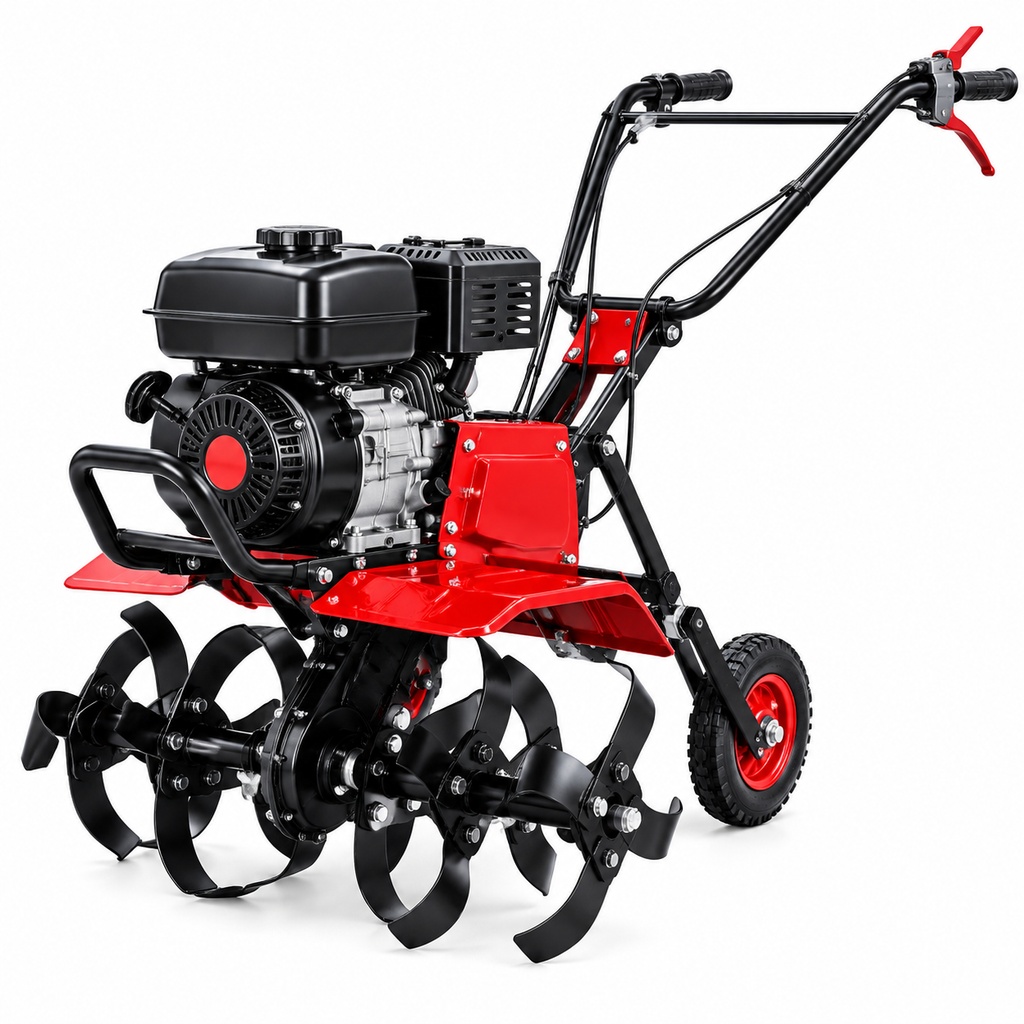
When selecting a gas-powered rototiller, focus on features that enhance usability and performance. Key specifications to consider include:
Tilling Width and Depth: Models with adjustable tilling widths (typically ranging from 12 to 24 inches) allow for flexibility in working with different sizes of plots. Depth adjustment is also crucial, as it enables you to tailor the tilling process based on soil condition and crop needs.
Transmission Type: Gear-driven transmissions provide better torque and are generally more durable than belt-driven models. This durability translates into longer life and better performance under heavy use.
Weight: The weight of the rototiller can affect its performance. Heavier models tend to dig deeper and are more stable but may be harder to maneuver. Consider your operational needs when evaluating weight.
Ergonomics: Features such as adjustable handles, comfortable grips, and vibration dampening can significantly impact user experience during operation. Models designed with user comfort in mind can reduce fatigue and improve overall productivity.
In summary, when choosing a gas-powered rototiller, prioritize features that match your specific agricultural needs and ensure you are investing in quality equipment that will perform reliably under the expected conditions of your projects.
 EN