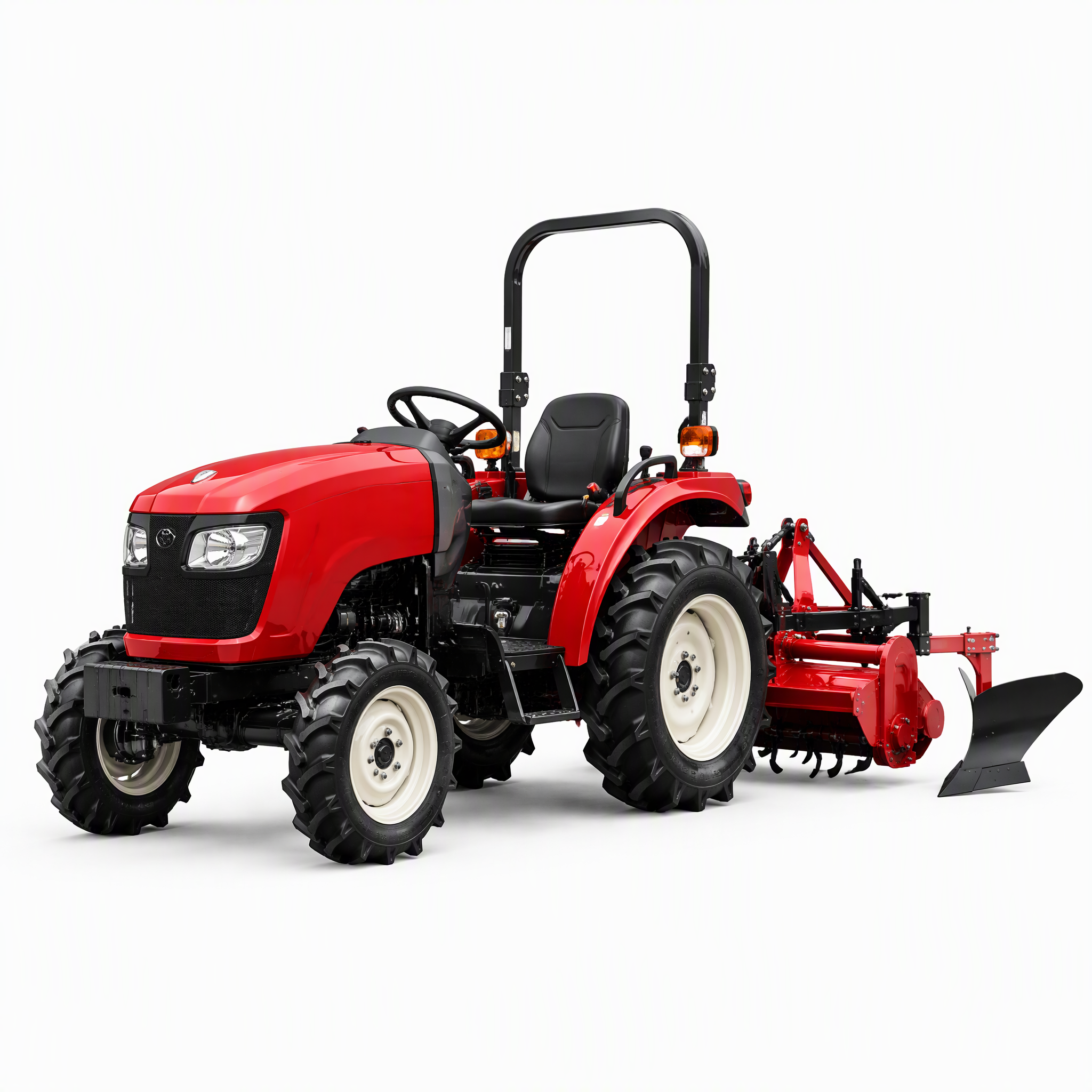
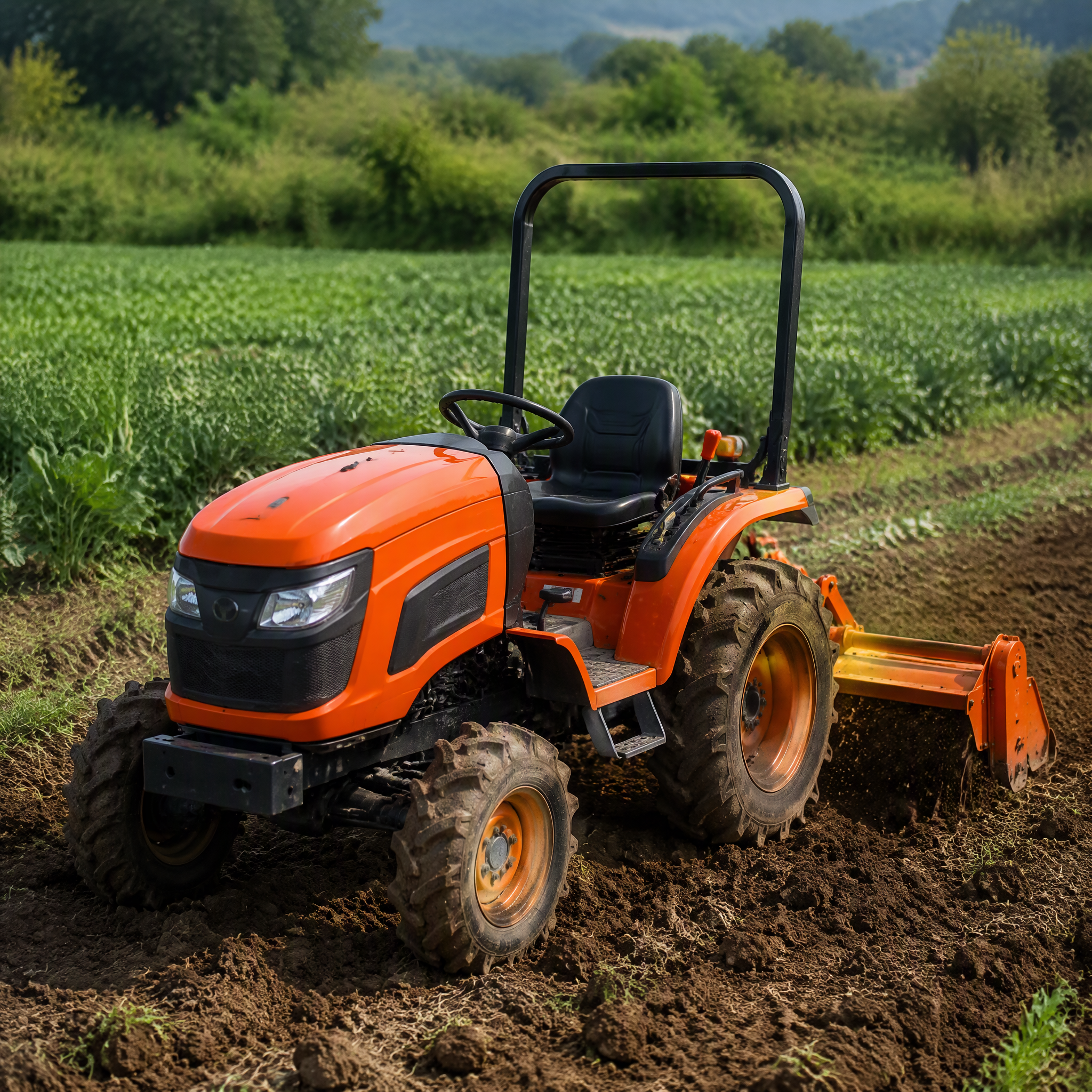
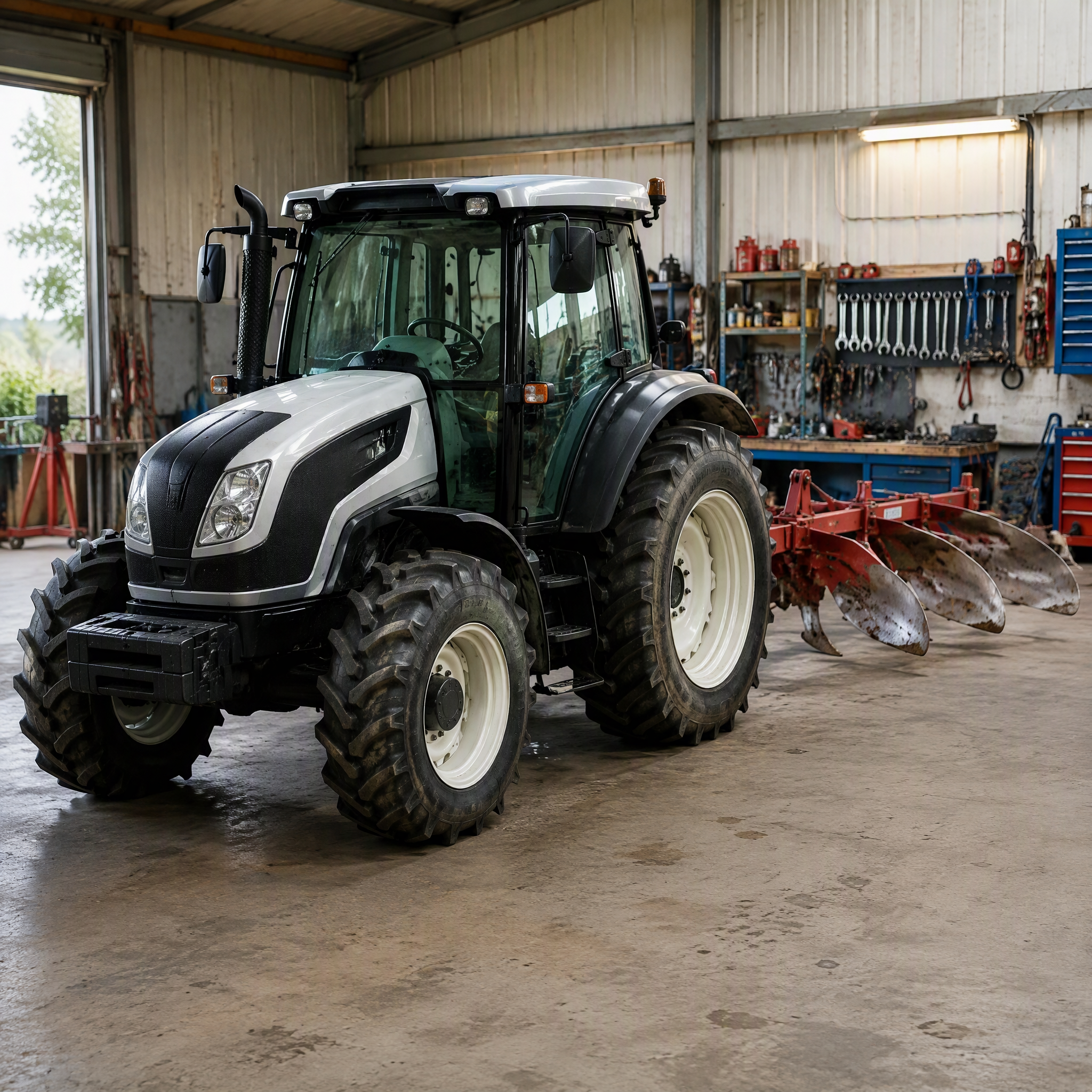
Tiller Plough: Key Specifications for Wholesale Buyers

application/tiller-plough, application/tiller-plough, 
Inquiry
Inquiry

tiller plough

Tiller ploughs are essential agricultural tools designed for soil preparation, enhancing crop yield, and improving land productivity. As a purchasing manager or distributor in the agricultural sector, understanding the nuances of tiller plough specifications and features is crucial for making informed purchasing decisions. This article delves into the key factors to consider when evaluating tiller ploughs, including specifications, manufacturer selection, installation guidance, and common issues that may arise.

How to Choose the Right Tiller Plough for Your Agricultural Needs

How to Choose the Right Tiller Plough for Your Agricultural Needs

Selecting the right tiller plough involves evaluating specific agricultural requirements. Here are important considerations:

Soil Type: Different soil types may require different tilling approaches. For instance, sandy soils may need lighter tiller ploughs, while clay soils may require more robust models. Buyers should assess their soil conditions to choose accordingly.

Crop Type: The choice of tiller plough can also depend on the crops being cultivated. For example, root vegetables may require deeper tillage, while row crops may benefit from a shallower till. Additionally, using a Grain Crusher 3 kW Electric Mill for Poultry Feed Milling can complement tilling activities by providing quality feed for your crops.

Field Size and Terrain: The size and layout of the fields can influence the choice of tiller plough. For larger fields, a plough with a wider working width may be more efficient, while hilly or uneven terrain may require a more maneuverable design.

Operational Efficiency: Buyers should consider the speed of operation and fuel efficiency of the tiller plough. A more efficient model can save time and reduce operating costs.

Customization Options: Some manufacturers offer customization options that allow buyers to tailor the tiller plough to their specific needs. This may include adjustments in weight, size, or tine configuration.

By carefully assessing these factors, buyers can confidently select a tiller plough that aligns with their agricultural objectives, ultimately leading to improved productivity and cost-effectiveness.

Finding Reliable Tiller Plough Manufacturers

Finding Reliable Tiller Plough Manufacturers

Identifying trustworthy manufacturers is a crucial step in the purchasing process. Here are steps to ensure you choose a reputable supplier:

Research and Verify Credentials: Look for manufacturers with a strong reputation in the industry. Verify their certifications, such as CE and ISO 9001, which demonstrate compliance with international quality standards.

Evaluate Experience and Expertise: Manufacturers with extensive experience in producing tiller ploughs are more likely to understand the specific needs of different agricultural sectors. Consider their history and expertise in agricultural machinery.

Review Product Range: A manufacturer that offers a wide range of tiller ploughs may be more flexible in meeting diverse customer needs. Check if they provide customization options that align with your requirements.

Check Customer Reviews and References: Reading customer testimonials and seeking references can provide insights into the reliability and performance of the manufacturer's products. Positive feedback from other buyers is a good indicator of quality.

Assess After-Sales Support: Reliable manufacturers should offer robust after-sales support, including maintenance services, spare parts availability, and technical assistance. This ensures you can address any issues that may arise post-purchase.

By conducting thorough research and evaluating these factors, buyers can find manufacturers that deliver high-quality tiller ploughs and reliable service.

Installation Guidance for Efficient Use of Tiller Ploughs

Installation Guidance for Efficient Use of Tiller Ploughs

Proper installation of a tiller plough is essential for maximizing its operational efficiency. Here are key steps and considerations:

Read the Manufacturer's Manual: Always start by reviewing the installation manual provided by the manufacturer. This document contains vital information specific to the plough model.

Ensure Compatibility: Before installation, check that the plough's hitch is compatible with the tractor. Proper alignment is crucial for safe operation.

Adjust Settings: Adjust the tiller plough’s settings based on the intended working depth and width. This may involve calibrating the height of the tines or modifying the angle of attack.

Test Run: Conduct a test run to ensure that the plough operates smoothly and effectively. Monitor for any unusual vibrations or noises that may indicate installation issues.

Regular Maintenance: After installation, establish a routine maintenance schedule to inspect the plough for wear and tear. Regular checks can help identify issues early and prolong the life of the equipment.

Following these guidelines will help ensure that the tiller plough operates efficiently and effectively, maximizing its contribution to your agricultural operations.

Common Problems with Tiller Ploughs and Their Solutions

While tiller ploughs are reliable tools, users may encounter common issues. Here are some typical problems and their solutions:

Poor Tilling Performance: If the tiller plough is not effectively breaking up soil, it may be due to incorrect settings or worn-out tines. Ensure that the working depth and speed are appropriate for the soil type and replace worn tines as necessary.

Tractor Compatibility Issues: Incompatibility between the tiller plough and tractor can lead to operational inefficiencies. Always verify the hitch type and power requirements before purchasing.

Soil Compaction: Overworking the soil can lead to compaction, which negatively affects crop growth. To mitigate this, avoid excessive tilling and consider using a lighter tiller plough in sensitive areas.

Mechanical Failures: Regular wear can lead to mechanical issues such as broken tines or damaged frames. Establish a routine maintenance program that includes inspections and timely repairs to prevent larger failures.

Adjusting for Different Conditions: Different field conditions may require adjustments to the tiller plough settings. Be prepared to modify depth and speed based on soil moisture and texture to optimize performance.

By being aware of these common problems and implementing proactive solutions, users can ensure their tiller ploughs operate efficiently, leading to better agricultural outcomes.

Understanding Tiller Plough Specifications for Wholesale Purchasing

When purchasing tiller ploughs, buyers should focus on several critical specifications to ensure suitability for their agricultural needs. Key factors include:

Material Composition: Tiller ploughs are typically made from high-quality steel or other durable materials that can withstand harsh soil conditions. The choice of material affects the plough's longevity and performance.

Working Width and Depth: The working width of a tiller plough determines the area it can cover in a single pass, while the working depth affects soil tillage efficiency. Buyers should assess the requirements of their fields to select the appropriate dimensions.

Weight and Balance: The weight of the tiller plough influences its stability during operation. A well-balanced plough ensures optimal performance and reduces the risk of soil compaction.

Tine Configuration: The number and arrangement of tines on the plough can vary, impacting its tilling effectiveness. Buyers should consider the type of crops being cultivated and the soil conditions to choose the right configuration.

Compatibility with Tractors: Ensuring that the tiller plough matches the specifications of the tractor is crucial for effective operation. Buyers should verify the hitch type and power requirements.

Certifications: Certifications such as CE and ISO 9001 indicate adherence to quality and safety standards, providing assurance of the product's reliability.

Understanding these specifications will help buyers make better decisions, ensuring that the tiller plough meets their operational needs and enhances agricultural productivity. For those interested in enhancing their farming efficiency, consider exploring options like the 8-25HP Diesel Walk Behind Tractor Water-Cooled Hand Start Farm Tractor, which can significantly aid in various agricultural tasks.

Frequently Asked Questions

What is the tiller plough used for?

The tiller plough is designed for primary and secondary tillage, breaking soil, mixing residues, and preparing seedbeds for farms and plantations of various sizes.
Compatibility varies by model; most tiller ploughs fit tractors from 20 to 120+ HP. Provide your tractor horsepower for exact matching and recommended linkage type.
Our tiller ploughs are built under CE and ISO 9001 standards, ensuring consistent manufacturing quality, safety, and traceability across production.
Yes. We supply genuine spare parts, maintenance guidelines, and lifecycle support to ensure long service life and optimal field performance.
Yes. We provide tailored configurations based on soil type, field size, and crop needs, with lifecycle-based solutions and consultation from our team.

Get a Free Quote

Our representative will contact you soon.
0/1000