Choosing the Right Tractor Plough for Your Farm

application/tractor-plough, application/tractor-plough, 
Inquiry
Inquiry

tractor plough

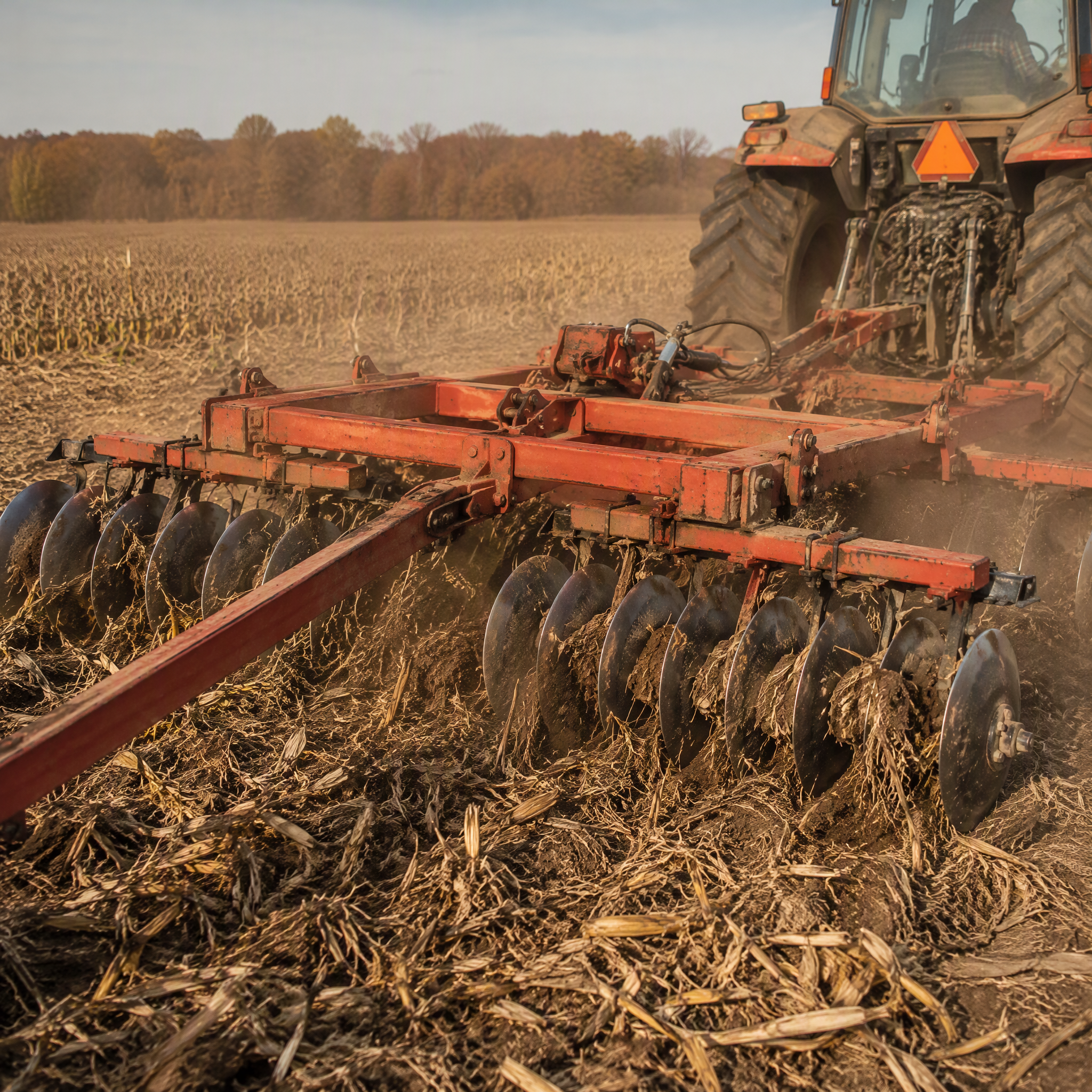
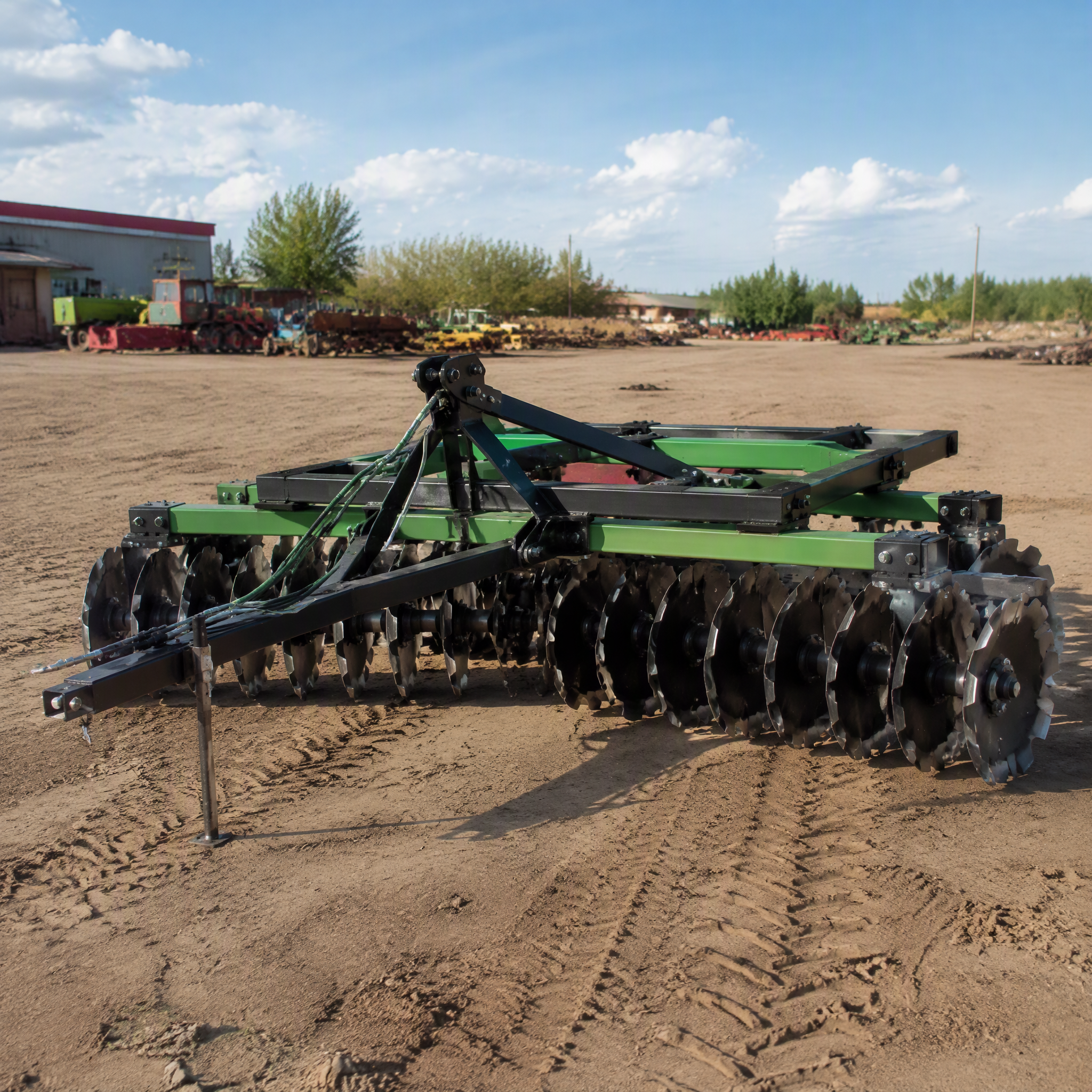
When it comes to enhancing agricultural productivity, the tractor plough stands out as a vital tool for any farm. This implement is designed to break up and turn over the soil, preparing it for planting and improving its aeration and nutrient availability. For B2B buyers, especially purchasing managers and distributors, understanding the intricacies of tractor ploughs, such as their specifications, quality indicators, and supplier options, is key to making informed purchasing decisions. This article aims to provide comprehensive insights on what to consider when selecting a tractor plough and how to ensure you are getting a high-quality product that meets your operational needs.

How to Evaluate Quality in Tractor Ploughs for Distributors

How to Evaluate Quality in Tractor Ploughs for Distributors

Quality evaluation of tractor ploughs involves a thorough inspection of both materials and construction. Start by checking for CE and ISO 9001 certifications, which indicate that the product meets international safety and quality standards. These certifications can reassure you of the plough's reliability and performance.

Inspect the welds and seams for uniformity and strength; poorly executed welds can lead to structural failures during use. The surface finish is another important aspect—rust-resistant coatings can prolong the lifespan of the plough, especially in humid or corrosive environments.

Conducting a sample inspection before mass production is advisable. This allows you to verify that the plough meets your specifications in terms of dimensions, weight distribution, and functionality. Additionally, consider the manufacturer’s quality control processes, which should include regular testing of materials and finished products to ensure consistency.

Where to Find Reliable Suppliers of Tractor Ploughs

Where to Find Reliable Suppliers of Tractor Ploughs

Finding a reliable supplier of tractor ploughs requires a strategic approach. Start by researching manufacturers with a proven track record in agricultural machinery. Look for companies that specialize in ploughs and have a robust portfolio of products. Agripros, for instance, has built a reputation for supplying high-quality agricultural machinery tailored to diverse farming needs.

Attending trade shows and industry exhibitions can also provide insights into potential suppliers. These events allow you to interact with manufacturers directly, assess their offerings, and understand their capabilities. Online platforms such as industry-specific directories and B2B marketplaces can help you compare suppliers based on customer reviews and performance ratings.

Finally, consider suppliers that offer customization options. Being able to tailor the plough to specific agricultural needs can enhance its effectiveness and operational efficiency, making it a worthwhile investment. For example, a Grain Feed Ingredient Mixer can complement your ploughing operations by ensuring that your soil is enriched with the right nutrients.

Installation Guidance for Efficient Use of Tractor Ploughs

Installation Guidance for Efficient Use of Tractor Ploughs

Proper installation of tractor ploughs is crucial for efficient operation. Begin by consulting the manufacturer's installation manual, as it will provide specific guidelines tailored to the model you are using. Ensure that the plough is correctly attached to the tractor, paying attention to the hitching mechanism and hydraulic connections.

Before starting, check the plough's settings. Adjust the depth and angle of the plough according to the soil type and desired tillage depth. This adjustment is vital as it affects soil turnover and the plough's overall effectiveness.

After installation, conduct a test run in a small area to ensure everything is functioning correctly. Monitor the plough's performance, checking for any vibrations or unusual noises that could indicate misalignment or issues with the tractor's power output. Regular maintenance, including cleaning and lubrication, will help maintain the plough's efficiency and prolong its lifespan.

Applications of Tractor Ploughs in Modern Agricultural Practices

Tractor ploughs play a critical role in modern agricultural practices, serving multiple applications that enhance farming efficiency. Primarily, they are used for soil preparation before planting, which involves breaking up compacted soil, turning over crop residues, and aerating the ground. This practice is essential for promoting healthy root growth and improving soil structure.

In addition to traditional tillage, tractor ploughs are increasingly being adapted for conservation tillage practices, which aim to minimize soil disturbance and enhance moisture retention. Specific plough designs cater to these methods, allowing farmers to maintain soil health while maximizing crop yields.

Furthermore, tractor ploughs can be utilized in a variety of crop systems, including row crops, vegetable farms, and orchards, making them versatile tools in the agricultural toolkit. Understanding these applications will help buyers make informed decisions about which type of plough best fits their farming operations and sustainability goals.

By considering these factors, B2B buyers can ensure they make informed purchasing decisions when it comes to tractor ploughs, ultimately enhancing productivity and efficiency in agricultural operations.

What to Consider When Choosing a Tractor Plough for Bulk Orders

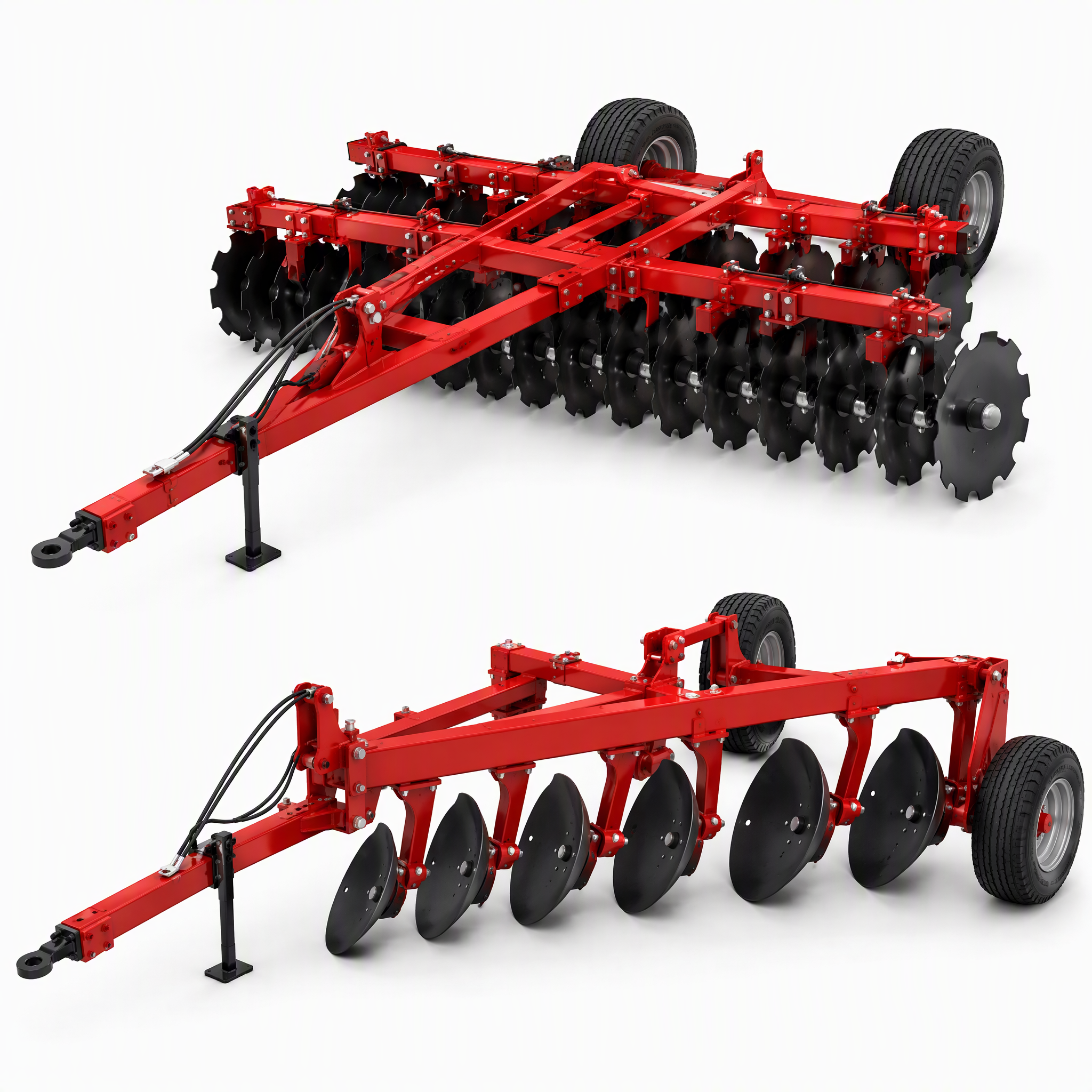
When selecting a tractor plough for bulk orders, several critical factors come into play. First, assess the type of plough suitable for your farming needs. Ploughs come in various configurations, such as moldboard, chisel, and disc ploughs, each suited for different soil types and farming practices. Understanding the specific requirements of your soil and crops will guide you in making the right choice. For instance, if you're considering a more specialized tool, the 8-25HP Diesel Walk Behind Tractor Water-Cooled Hand Start Farm Tractor is an excellent option for those looking to enhance their ploughing capabilities.

Next, consider the specifications of the plough, including its size, weight, and the number of furrows it can handle. Larger ploughs may be more efficient for extensive fields, but compatibility with your existing tractor is crucial to avoid operational issues. The material composition of the plough also matters; high-strength steel is commonly used for durability and resistance to wear, especially in rocky or hard soils.

Lastly, evaluate the manufacturer’s production capacity and lead times, as these factors can affect your ability to meet seasonal planting schedules. Agripros, with its experience across 40 countries, can offer tailored solutions and reliable lead times to ensure your farm is always ready for planting.

Get a Free Quote

Our representative will contact you soon.
0/1000