Reliable Wholesale Suppliers for Tillage Machinery

application/tillage, application/tillage, 
Inquiry
Inquiry

tillage

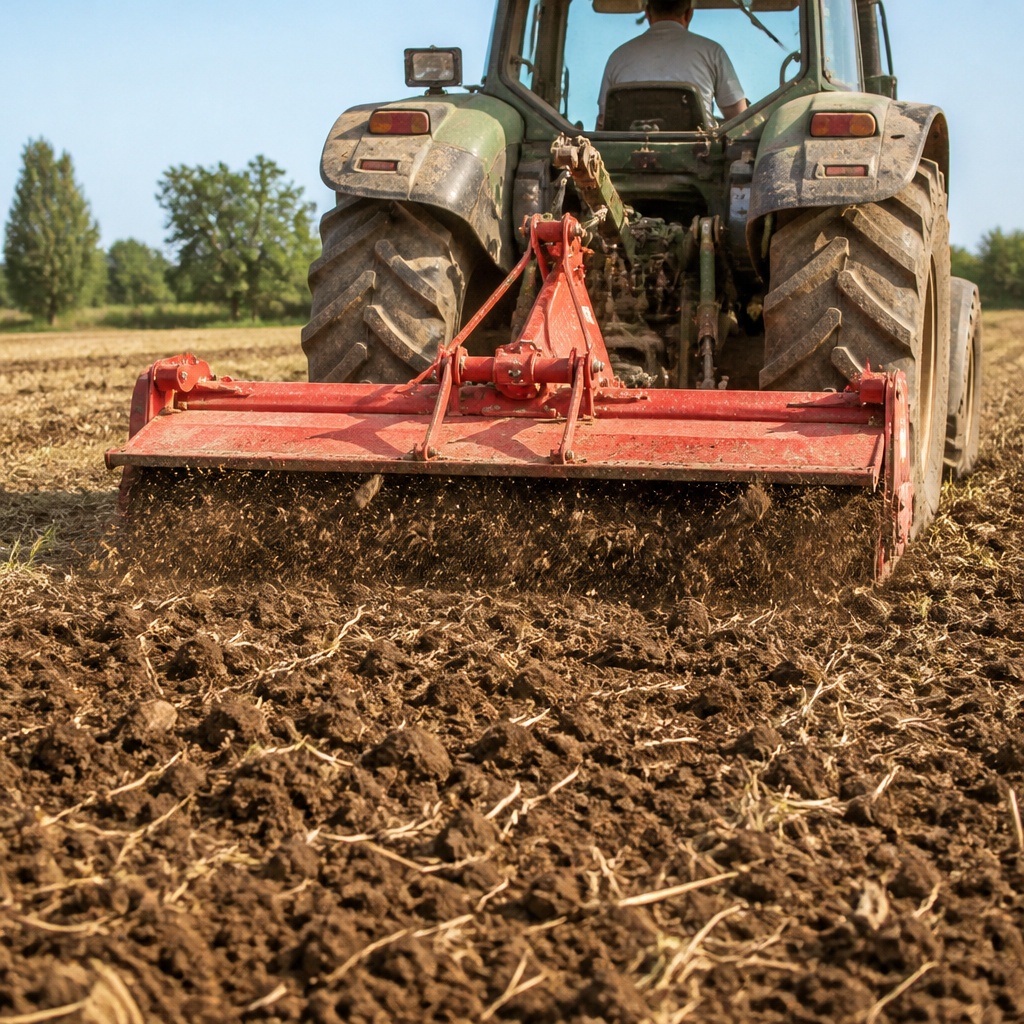
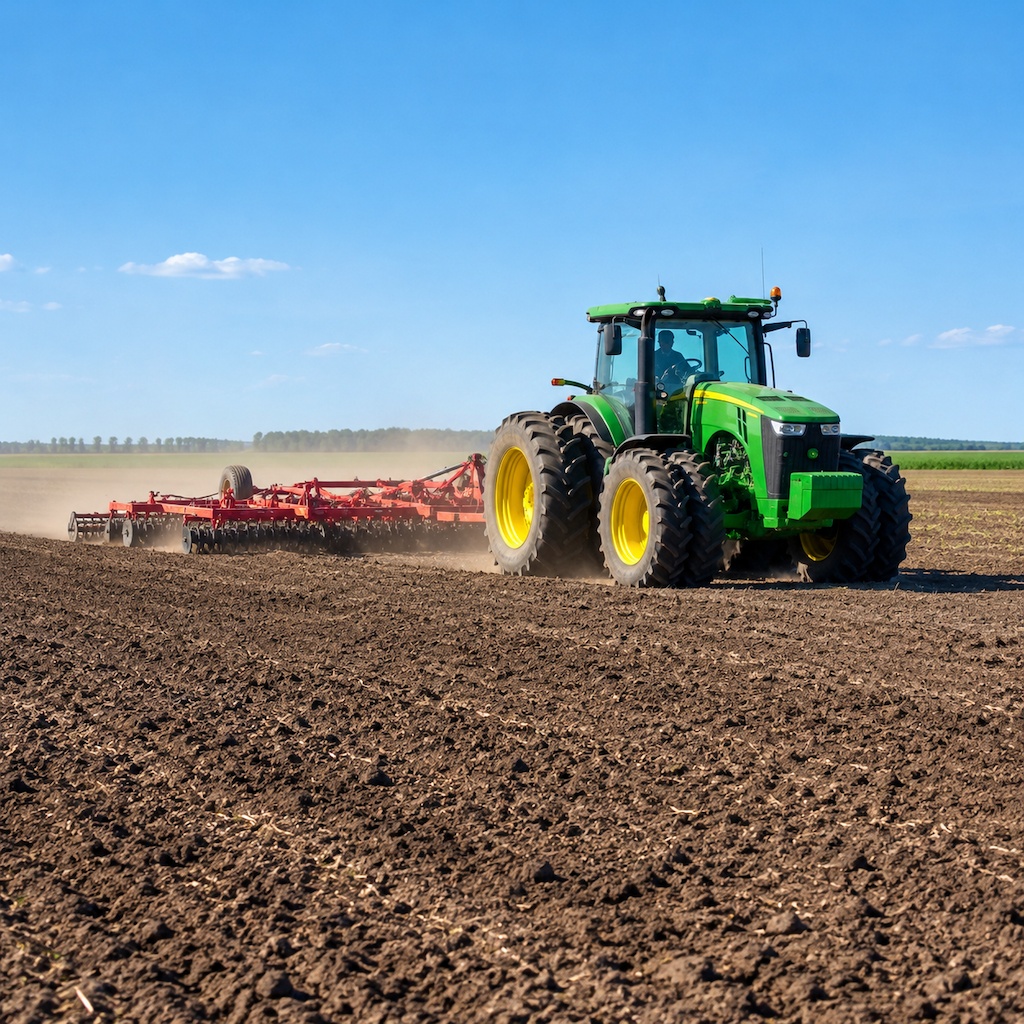
Tillage refers to the agricultural preparation of soil by mechanical agitation, which is essential for planting and crop growth. This process is critical for farmers and agribusinesses to ensure optimal soil conditions and crop yield. For purchasing managers and distributors, understanding the nuances of tillage equipment is vital for making informed procurement decisions. This article will delve into key aspects such as supplier selection, product specifications, cost factors, and quality control measures that will help you navigate the complexities of tillage machinery purchasing.

Key Specifications to Evaluate in Tillage Equipment Purchases

Key Specifications to Evaluate in Tillage Equipment Purchases

When evaluating tillage equipment, several key specifications should be considered to ensure the machinery meets your operational needs:

Type of Tillage: Understand whether you need primary tillage (deep soil breaking) or secondary tillage (soil refinement). The choice affects the type of equipment, such as plows or harrows.

Width and Depth of Operation: The width of the tillage implement affects efficiency and time taken to cover large fields. Depth settings are crucial for different crop requirements and soil types.

Material and Construction: Look for durable materials that can withstand wear and tear. High-quality steel and robust welding techniques are indicative of long-lasting equipment.

Compatibility with Other Machinery: Ensure that the tillage equipment can be easily attached to your existing tractors or other agricultural machinery to avoid compatibility issues.

Maintenance Requirements: Understanding the maintenance needs will help you anticipate operational downtime. Equipment that requires frequent repairs may lead to increased costs over time.

Factors to Consider for Buyers

Factors to Consider for Buyers

Buyers should consider several factors to make informed decisions when purchasing tillage machinery:

Total Cost of Ownership: Beyond initial purchase price, assess operating costs, maintenance, and potential downtime. A lower upfront cost may not translate to savings in the long run if maintenance is high.

Customization Options: Depending on specific agricultural needs, inquire about customization options. A supplier that offers tailored solutions can improve operational efficiency. For example, options like the Tractor Mounted 6 Row Seed Drill Grain Seeder for Sorghum can greatly enhance productivity.

Lead Times: Understanding the lead time for delivery is essential for planning your agricultural activities. Ensure the supplier can meet your timelines to avoid disruptions during critical planting seasons.

Warranty and Support: A robust warranty can provide peace of mind. Check the terms for coverage on parts and service, and ensure that the supplier has a responsive support system.

Understanding the Cost Factors of Tillage Equipment Investments

Understanding the Cost Factors of Tillage Equipment Investments

The cost of tillage equipment can vary widely based on several factors:

Type of Equipment: Different tillage implements come with various price points based on complexity and functionality. For example, advanced models with precision farming capabilities will typically cost more than basic plows.

Material Quality: Higher-quality materials may increase the initial investment but can reduce long-term costs through enhanced durability and reduced maintenance needs.

Brand Reputation: Established brands with a proven track record may command higher prices, but they often provide better reliability and support compared to lesser-known manufacturers.

Volume Discounts: Purchasing in bulk or entering long-term agreements with suppliers can yield significant discounts. Always negotiate terms that reflect your purchasing volume.

Import Duties and Shipping Costs: If sourcing from international suppliers, factor in import duties and shipping fees, which can significantly affect the overall cost.

How Agripros Ensures Quality Control in Tillage Machinery Production

At Agripros, quality control is a cornerstone of our manufacturing process. Our adherence to CE and ISO 9001 certifications means that every piece of equipment undergoes rigorous testing and inspection at various stages of production.

Material Inspection: We ensure that all raw materials meet strict quality standards before they enter the production line. This helps in preventing defects that could lead to equipment failure.

In-Process Quality Checks: Throughout the manufacturing process, our team conducts regular inspections to ensure that every component meets the specified tolerances and quality benchmarks.

Final Product Testing: Before shipping, each machine undergoes comprehensive testing to simulate real-world conditions. This step is crucial for identifying any potential issues before the equipment reaches our customers.

Customer Feedback Loop: We value feedback from our clients and use it to continually refine our processes and product offerings. This commitment to quality ensures that our tillage machinery not only meets but exceeds customer expectations.

By following these guidelines, buyers can make informed decisions when navigating the complexities of tillage machinery procurement. Understanding specifications, cost factors, and quality assurance processes will ultimately lead to better investment outcomes in agricultural operations.

Where to Find Reliable Wholesale Suppliers for Tillage Machinery

When sourcing tillage machinery, it's crucial to find reliable wholesale suppliers who can meet your specific needs. Start by researching manufacturers with a strong market presence and positive reviews. Industry exhibitions and trade shows are excellent venues to meet potential suppliers, view their products, and discuss your requirements in person. Additionally, online marketplaces and B2B platforms can provide access to a broad range of manufacturers. Look for suppliers with certifications such as CE and ISO 9001, as these indicate adherence to international quality standards, giving you confidence in their products.

Networking with industry professionals through forums or agricultural associations can also lead to reputable supplier recommendations. Always request samples or trial periods to evaluate the machinery’s performance before placing large orders. For instance, products like the 8-25HP Diesel Walk Behind Tractor Water-Cooled Hand Start Farm Tractor can be evaluated for their effectiveness in your operations.

Frequently Asked Questions

What types of tillage equipment do you offer?

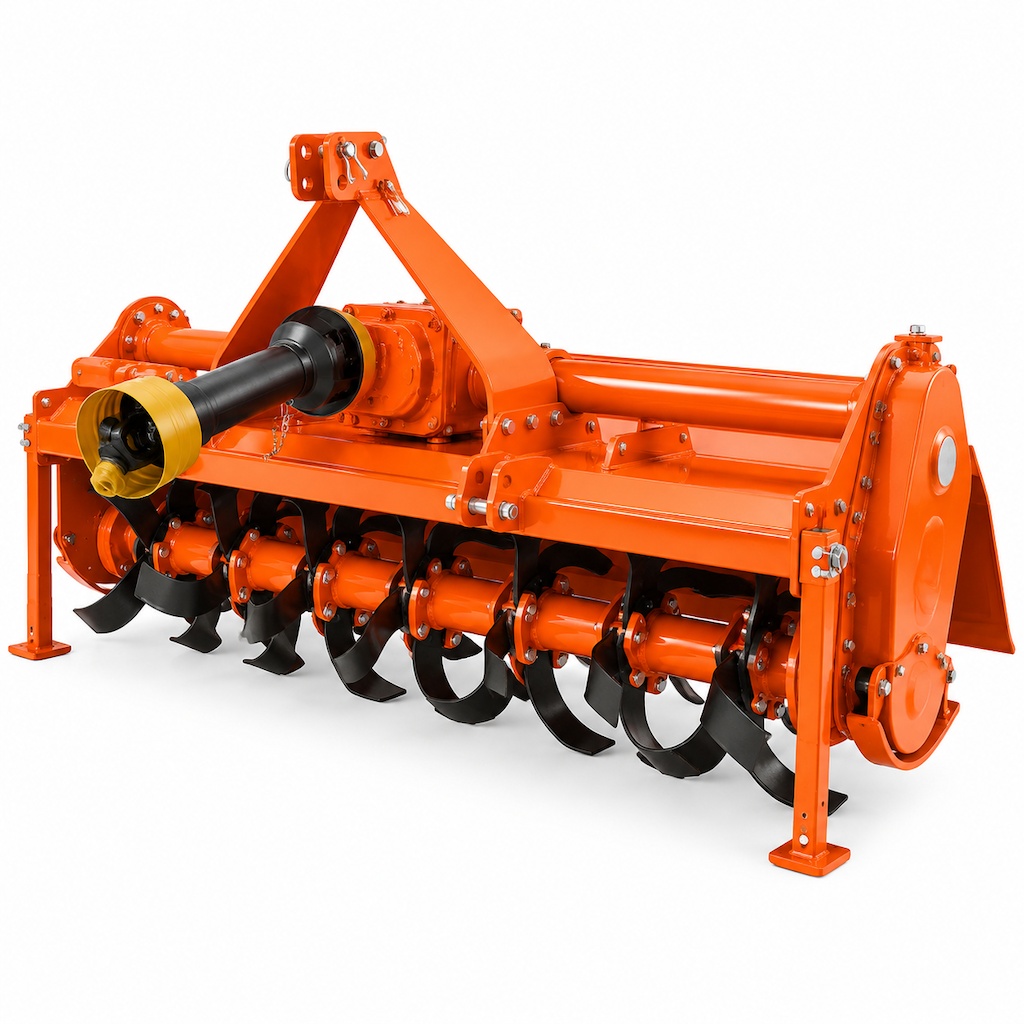
We supply a range of tillage machinery including plows, harrows, rotary tillers and cultivators, tailored to soil types and farm sizes with CE/ISO 9001-certified designs.
Yes. We provide tailored configurations (size, depth, attachments) and lifecycle-based solutions to meet specific farm and plantation requirements across regions.
Our tillage equipment is designed and manufactured under CE and ISO 9001 standards, ensuring consistent quality, safety and reliable performance.
Yes. We offer installation guidance, training, maintenance plans and spare parts support to maximize uptime and long-term performance.
We support farms and plantations across 40 countries, offering regional adaptation, logistics and service to meet local agricultural needs.

Get a Free Quote

Our representative will contact you soon.
0/1000