Choosing the Right Agricultural Tools for Your Business

application/tools-for-agriculture, application/tools-for-agriculture, 
Inquiry
Inquiry

tools for agriculture

When considering tools for agriculture, selecting the right machinery is crucial for enhancing productivity and efficiency in farming operations. Buyers, including purchasing managers and product managers, often face challenges around compatibility, durability, and cost-effectiveness. This article provides insights on how to effectively choose agricultural tools, what specifications matter, and how to evaluate suppliers, ensuring you make informed decisions that align with your operational needs.

Key Specifications to Consider When Sourcing Agricultural Equipmen

Key Specifications to Consider When Sourcing Agricultural Equipmen

When sourcing agricultural equipment, specific technical specifications are crucial to ensure functionality and performance. Here are key specifications to evaluate:

Dimensions and Weight: The size of the equipment should match your farm layout and transportation capabilities. Equipment that is too large may hinder maneuverability in tight spaces.

Power Requirements: Understand the power source needed for the equipment—whether it’s tractor-powered or self-propelled. Ensure your existing machinery can meet these requirements without overloading. For instance, when considering a self-propelled option, look into the Gasoline Power Sprayer for various agricultural tasks.

Material Composition: The materials used in manufacturing agricultural tools affect their performance and durability. Stainless steel, for example, offers resistance to rust, while high-strength alloys can provide better toughness.

Production Capacity: Evaluate the machine's throughput capability to ensure it can handle your operational scale. For instance, a harvester’s capacity should align with your expected harvest volume to optimize efficiency.

Certification and Compliance: Verify that the equipment meets industry standards, such as CE or ISO 9001 certifications, which assure buyers of quality and safety.

Evaluating Supplier Reliability for Agricultural Tools and Equipmen

Evaluating Supplier Reliability for Agricultural Tools and Equipmen

Selecting a reliable supplier is vital to ensure you receive high-quality agricultural tools. Here are steps to evaluate potential suppliers:

Experience and Reputation: Investigate the supplier's industry experience and reputation. Companies like Agripros, with a strong presence in over 40 countries, often demonstrate reliability due to their established track record.

Quality Control Processes: Ask about the supplier’s quality assurance methods. Reliable manufacturers will have rigorous testing procedures in place to ensure their products meet specified standards before delivery.

Customer Support: Assess the level of customer support offered. A responsive supplier will provide assistance during installation and after-sales service, which is crucial for troubleshooting and maintenance.

References and Reviews: Seek out testimonials or case studies from previous customers. Positive feedback from other agricultural businesses can provide insights into the supplier's performance and product reliability.

Customization Capabilities: Ensure the supplier can accommodate your specific needs, such as custom designs or modifications to existing products, which can be essential for unique farming operations.

Installation Guidance for Optimal Use of Agricultural Tools

Installation Guidance for Optimal Use of Agricultural Tools

Proper installation is critical for the effective use of agricultural tools. Here are key steps to follow:

Review Manufacturer Instructions: Always start with the manufacturer’s installation manual. This will provide specific guidelines tailored to the equipment you purchased.

Calibration: Ensure that all machinery is calibrated according to the manufacturer’s specifications. This includes adjusting settings for seed depth in planters or pressure in irrigation systems.

Safety Checks: Before operating the equipment, conduct safety checks to ensure all components are secure and functioning correctly. This can prevent accidents and machinery damage.

Training: Invest in operator training sessions, especially for complex machinery. Proper use can significantly enhance efficiency and reduce wear and tear on the equipment.

Regular Maintenance: Establish a maintenance schedule to keep equipment in optimal condition. Routine checks on oil levels, filters, and wear parts can prolong the life of your agricultural tools.

Common Problems with Agricultural Equipment and Effective Solutions

Agricultural equipment can face several issues that may hinder performance. Here are common problems and their solutions:

Mechanical Failures: These can arise from wear and tear over time. Implementing a routine maintenance schedule and using high-quality parts for repairs can mitigate this issue.

Inefficient Performance: If machinery isn’t performing as expected, it may be due to incorrect calibration or improper handling. Regularly check settings against manufacturer recommendations to maintain efficiency.

Compatibility Issues: Sometimes, new equipment may not integrate well with existing tools. Before purchasing, verify compatibility to avoid operational disruptions.

Supply Chain Delays: Procurement delays can impact farm operations. Build relationships with multiple suppliers to ensure you have alternatives should your primary supplier face delays.

Operator Errors: Inexperienced operators can lead to equipment misuse. Provide comprehensive training programs to ensure all users understand the machinery’s operation and safety protocols.

By understanding these challenges and implementing effective solutions, you can enhance the reliability and efficiency of your agricultural operations.

How to Choose the Right Agricultural Tools for Your Business

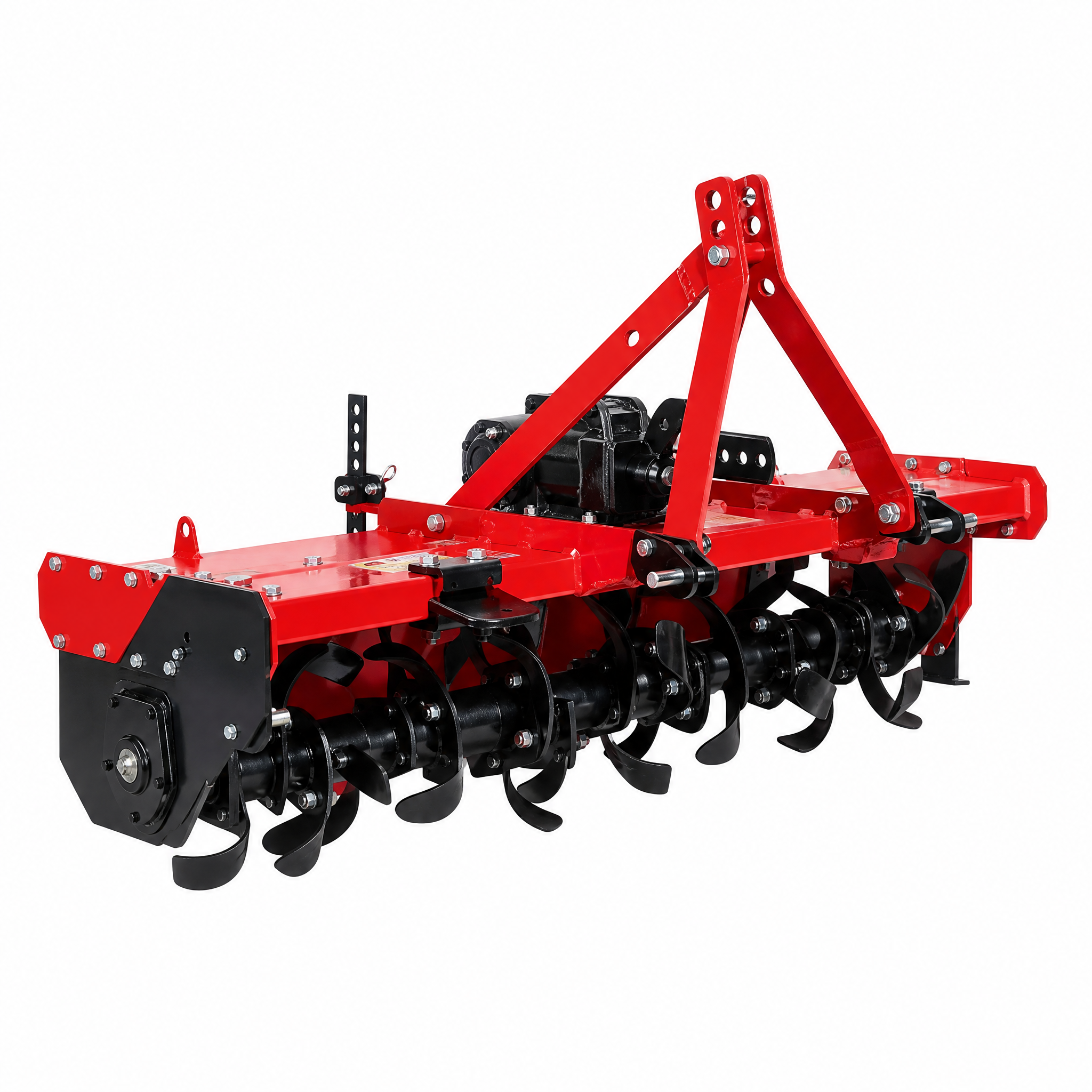
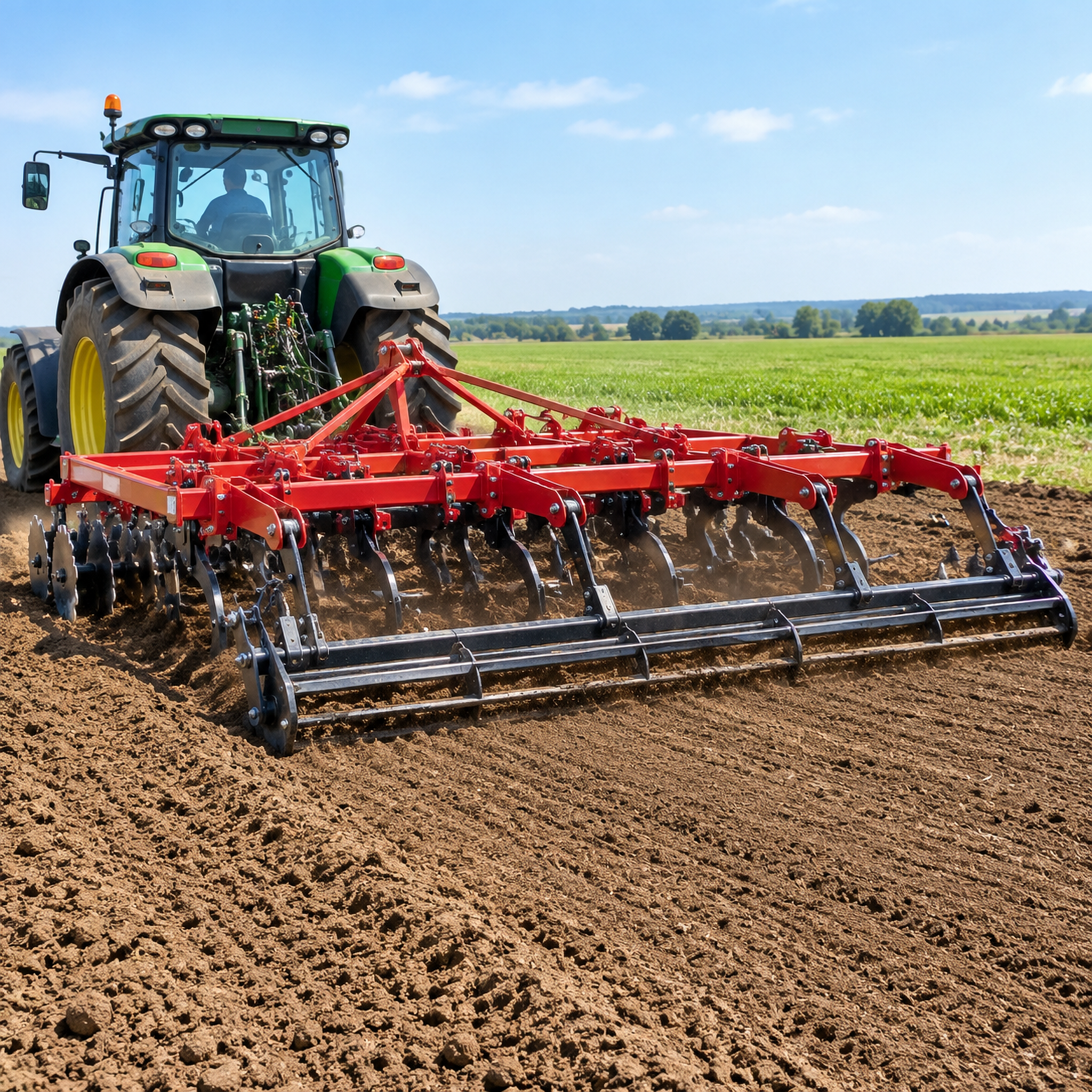
Choosing the right agricultural tools involves understanding your specific farming needs and operational requirements. Begin by assessing the type of crops you grow and the scale of your operations. For instance, if your primary focus is on large-scale tillage, you might prioritize robust tillage equipment that can withstand heavy usage.

Consider the following factors in your selection process:

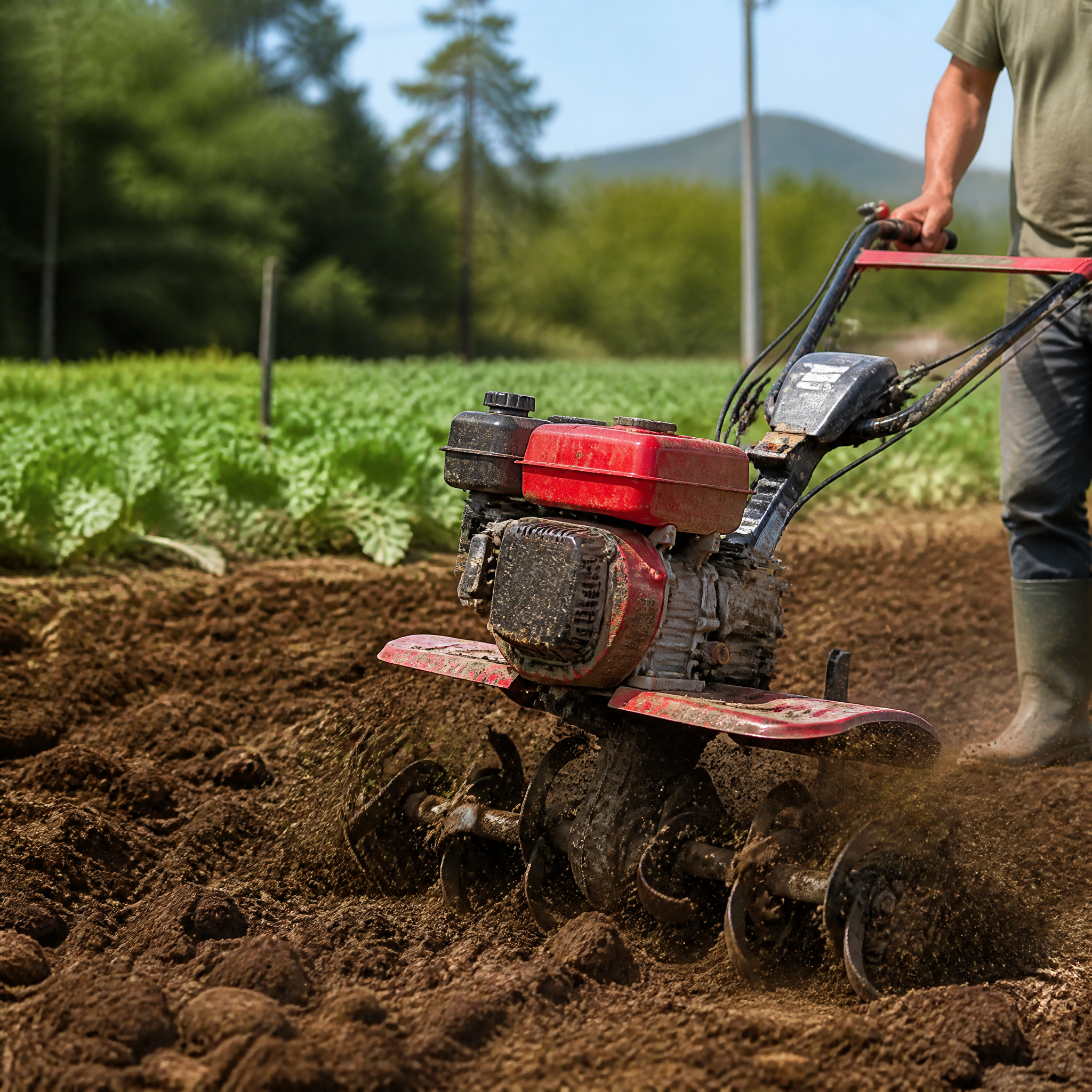
Type of Equipment: Different tasks in agriculture—tillage, seeding, irrigation, and harvesting—require specialized tools. For instance, a high-capacity seed drill may be ideal for large fields, while smaller planters are better for precision farming. Additionally, you might consider equipment like the 8-25HP Diesel Walk Behind Tractor for efficient tillage.

Compatibility: Ensure that the machinery you choose is compatible with your existing equipment. This includes checking for the right hitch types, power requirements, and any necessary attachments.

Durability: Agricultural tools must endure harsh conditions, including exposure to soil, moisture, and chemicals. Look for materials like high-strength steel or corrosion-resistant coatings that can enhance the longevity of the tools.

Customization Options: Depending on your operational needs, you may require customized solutions. Engaging with suppliers who offer tailored equipment can help meet unique farming challenges.

Frequently Asked Questions

What types of agricultural tools do you supply?

We supply machinery for tillage, seeding, irrigation, and harvesting, plus related implements and spare parts tailored to farm size and crop type.
Yes. Our equipment is CE certified and manufactured under ISO 9001 quality management standards.
Yes. We provide tailored, lifecycle-based solutions adapted to plantation size, soil, crop needs, and local conditions.
We support farms and plantations across 40 countries, with export experience and logistics support for international delivery.
We offer technical support, spare parts, maintenance guidance, and warranty terms based on the equipment type; contact us for specific coverage details.

Get a Free Quote

Our representative will contact you soon.
0/1000