Choosing the Best Traditional Plough for Your Needs

application/traditional-plough, application/traditional-plough, 
Inquiry
Inquiry

traditional plough

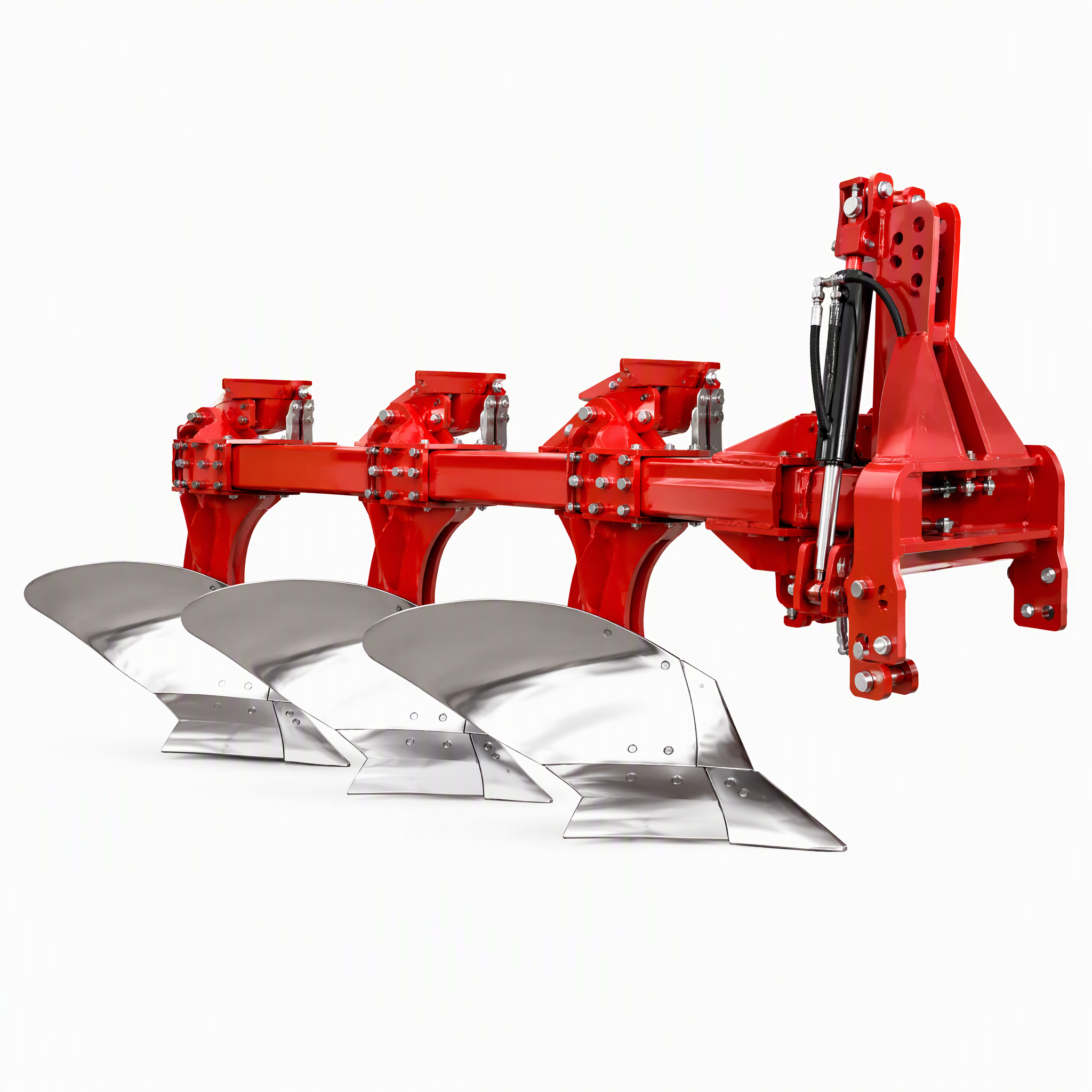
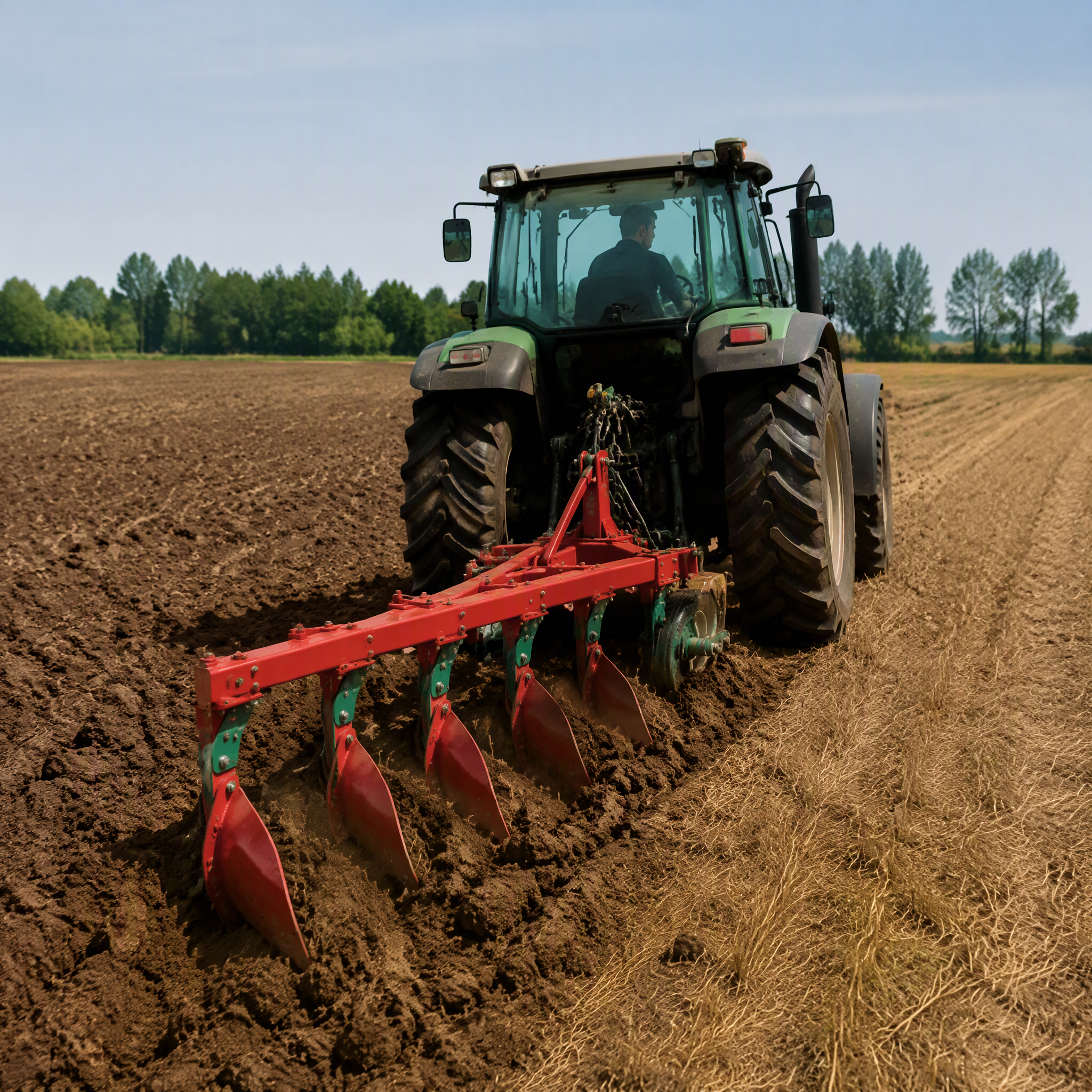
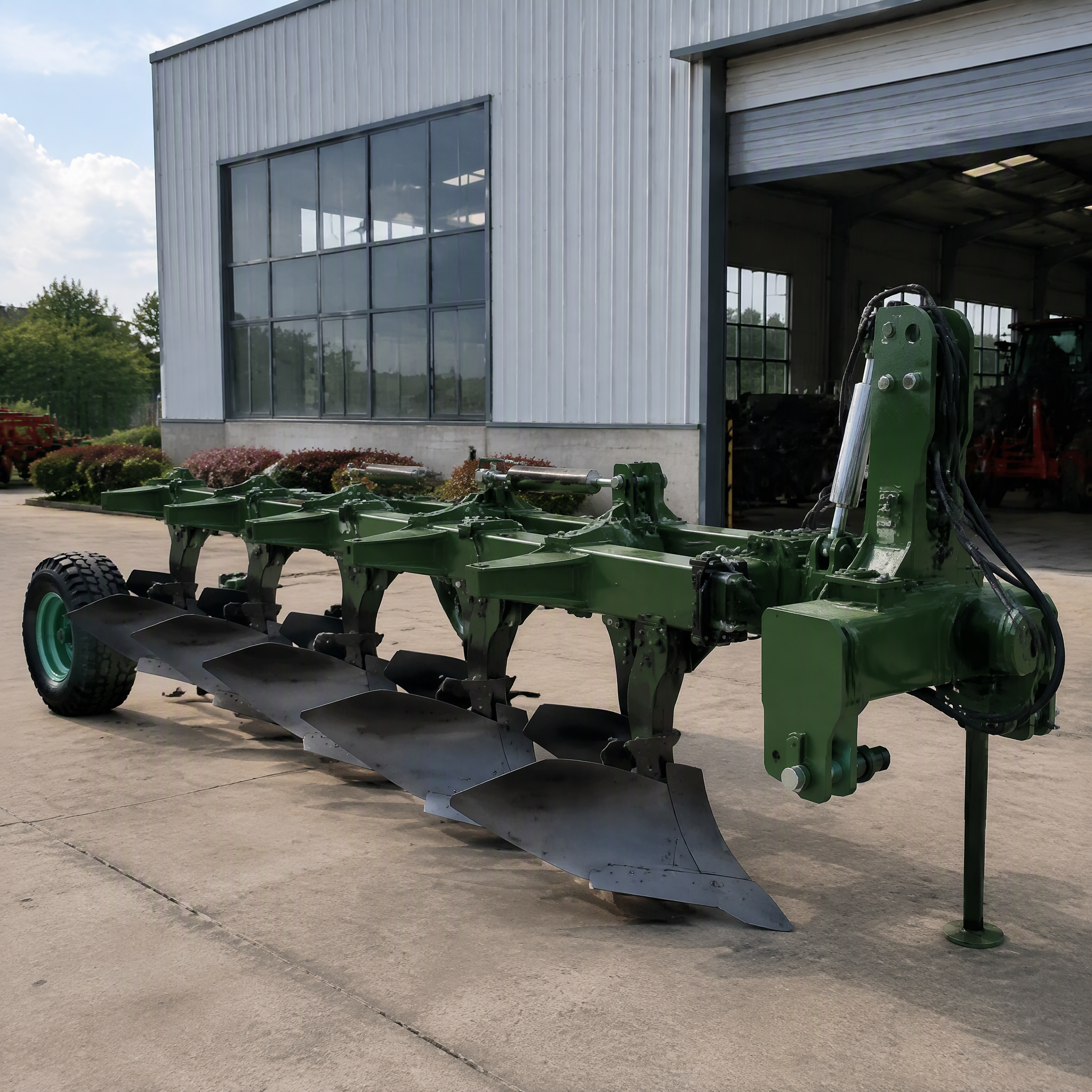
Traditional ploughs are essential agricultural tools designed for tillage, seeding, and preparing soil for planting. For B2B buyers, such as purchasing managers and agricultural contractors, understanding the nuances of these implements is crucial for making informed purchasing decisions. This article will cover where to source high-quality traditional ploughs, key specifications to evaluate, cost factors in wholesale deals, practical tips for contractors, and the material advantages that enhance durability.

How to Evaluate the Quality of Traditional Ploughs for Wholesale

How to Evaluate the Quality of Traditional Ploughs for Wholesale

When evaluating traditional ploughs, several key specifications are critical to ensure the equipment meets your operational needs.

Material and Build Quality: The frame and blades should be made from durable materials like high-carbon steel to withstand the rigors of tillage. Assessing the quality of welding and joints is also crucial, as weak points can lead to premature failure.

Working Width and Depth: The working width should match the size of your tractor and the specific field requirements. A wider plough can cover more ground but may require more horsepower, while depth settings can affect soil aeration and moisture retention.

Weight Distribution: Proper weight distribution affects the plough’s performance and ease of use. Heavier ploughs may penetrate hard soil better, while lighter models can be more versatile across different soil types.

Adjustability Features: Look for ploughs with adjustable features that allow operators to customize settings for varying soil conditions, which can enhance efficiency and crop yield.

Maintenance Considerations: Evaluate the ease of maintenance, including accessible grease points and replaceable wear parts, which can reduce downtime and maintenance costs.

By focusing on these specifications, buyers can ensure that they choose a traditional plough that aligns with their operational needs and agricultural practices.

Where to Source Reliable Suppliers for Traditional Ploughs

Where to Source Reliable Suppliers for Traditional Ploughs

The cost of traditional ploughs can vary significantly based on several factors. Understanding these can help you negotiate better deals and make informed purchasing decisions.

Material Costs: The type of materials used in manufacturing has a direct impact on the price. High-quality steel or specialized coatings for corrosion resistance may increase costs but improve durability and longevity.

Production Volume: Bulk orders typically yield lower per-unit costs. Buyers should inquire about minimum order quantities (MOQs) and the potential for discounts based on volume.

Customization: Tailored features or specifications will also influence pricing. Custom ploughs designed for specific tasks or soil types may incur additional costs, but they can enhance efficiency and effectiveness.

Shipping and Logistics: Consider shipping costs, which can vary depending on the supplier's location and the destination. Understanding lead times is also critical, as longer shipping times may require advance planning.

Market Demand: Seasonal fluctuations in demand can affect pricing. Buying off-season may yield better prices, while purchasing during peak agricultural periods could lead to increased costs.

By considering these factors, buyers can better navigate the pricing landscape and make cost-effective purchasing decisions for traditional ploughs.

Cost Factors to Analyze Before Bulk Ordering Traditional Ploughs

Cost Factors to Analyze Before Bulk Ordering Traditional Ploughs

For contractors involved in agricultural projects, selecting the right traditional plough involves several strategic considerations:

Assess Project Requirements: Before purchasing, assess the specific needs of your project, including soil type, crop selection, and field size. This will help determine the most suitable plough type and specifications.

Trial and Testing: Whenever possible, conduct trials with different plough models to evaluate performance under real-world conditions. This hands-on experience can reveal how well a plough interacts with your equipment and the specific soil conditions.

Supplier Relationships: Build strong relationships with suppliers who understand your business needs. An established relationship can lead to better pricing, availability of parts, and support services.

Maintenance Plans: Create a maintenance schedule to ensure your plough remains in optimal condition. Regular inspections can help identify wear and tear before they become significant issues.

Training and Support: Ensure that operators are trained on the specific plough models being used. Proper training can reduce the risk of equipment damage and improve overall efficiency.

By taking these steps, contractors can maximize the effectiveness of their traditional ploughs and provide better service to their clients.

Common Problems with Traditional Ploughs and Their Solutions

The material composition of traditional ploughs plays a vital role in their durability and overall performance.

High-Carbon Steel: This material is commonly used in the construction of plough blades due to its strength and ability to retain a sharp edge. High-carbon steel ploughs can withstand the stresses of heavy soil and are less likely to bend or break under pressure.

Galvanized Coatings: Many manufacturers offer galvanized finishes that protect against rust and environmental wear, extending the lifespan of the plough. This is particularly important for operations in humid or corrosive environments.

Wear-Resistant Alloys: Some ploughs incorporate wear-resistant alloys in high-stress areas, providing additional protection against abrasion from soil and rocks. This can lead to lower maintenance costs as wear parts need to be replaced less frequently.

Treated Wood for Handles: Traditional ploughs often include wooden handles, which can benefit from treatments that enhance resistance to moisture and pests. Selecting ploughs with treated wood can prevent splintering and prolong the life of the equipment.

Modular Components: Many modern ploughs feature modular designs that allow for easy replacement of worn parts. This approach not only enhances durability but also simplifies repair processes and reduces downtime.

By understanding these material advantages, buyers can select traditional ploughs that offer the best performance and longevity, ensuring a solid return on investment in their agricultural operations. Additionally, exploring options like the Grain Crusher 3 kW Electric Mill for Poultry Feed Milling can further enhance your operational capabilities.

Key Specifications to Consider When Choosing a Traditional Plough

Sourcing high-quality traditional ploughs for bulk orders can significantly impact your agricultural operations. Buyers should consider established manufacturers like Agripros (Beijing Worldlink Commerce Co., Ltd.), known for their CE/ISO 9001 certifications, which ensure that products meet international quality standards. Look for suppliers with a proven track record in exporting agricultural machinery to multiple countries, as this indicates reliability and experience. Additionally, consider looking into options like the 8-25HP Diesel Walk Behind Tractor Water-Cooled Hand Start Farm Tractor for your ploughing needs.

In addition, consider leveraging industry networks and trade shows, where buyers can meet manufacturers and suppliers directly. Online platforms specializing in agricultural equipment are also valuable resources, allowing for comparison of specifications, pricing, and customer reviews. When contacting suppliers, be prepared to discuss your specific needs, such as model types, quantities, and delivery timelines, to facilitate smoother transactions.

Frequently Asked Questions

What is the traditional plough designed for?

The traditional plough is designed for primary tillage to turn and loosen soil, improve aeration, and prepare seedbeds for planting on farms and plantations.
Constructed from high-strength steel with durable coatings, our ploughs are produced under CE and ISO 9001 standards to ensure reliability and longevity.
Models fit a range of tractors; we offer specifications for small to medium tractors. Contact us with your tractor horsepower for a match and mounting recommendations.
Yes. We offer lifecycle support including spare parts, technical guidance, and maintenance advice to ensure sustained performance across operations.
Yes. We provide tailored options for furrow width, depth, and blade type to suit different soils and crop systems, based on site and farm requirements.

Get a Free Quote

Our representative will contact you soon.
0/1000