Choosing the Right Farm Plough for Efficiency

application/farm-plough, application/farm-plough, 
Inquiry
Inquiry

farm plough

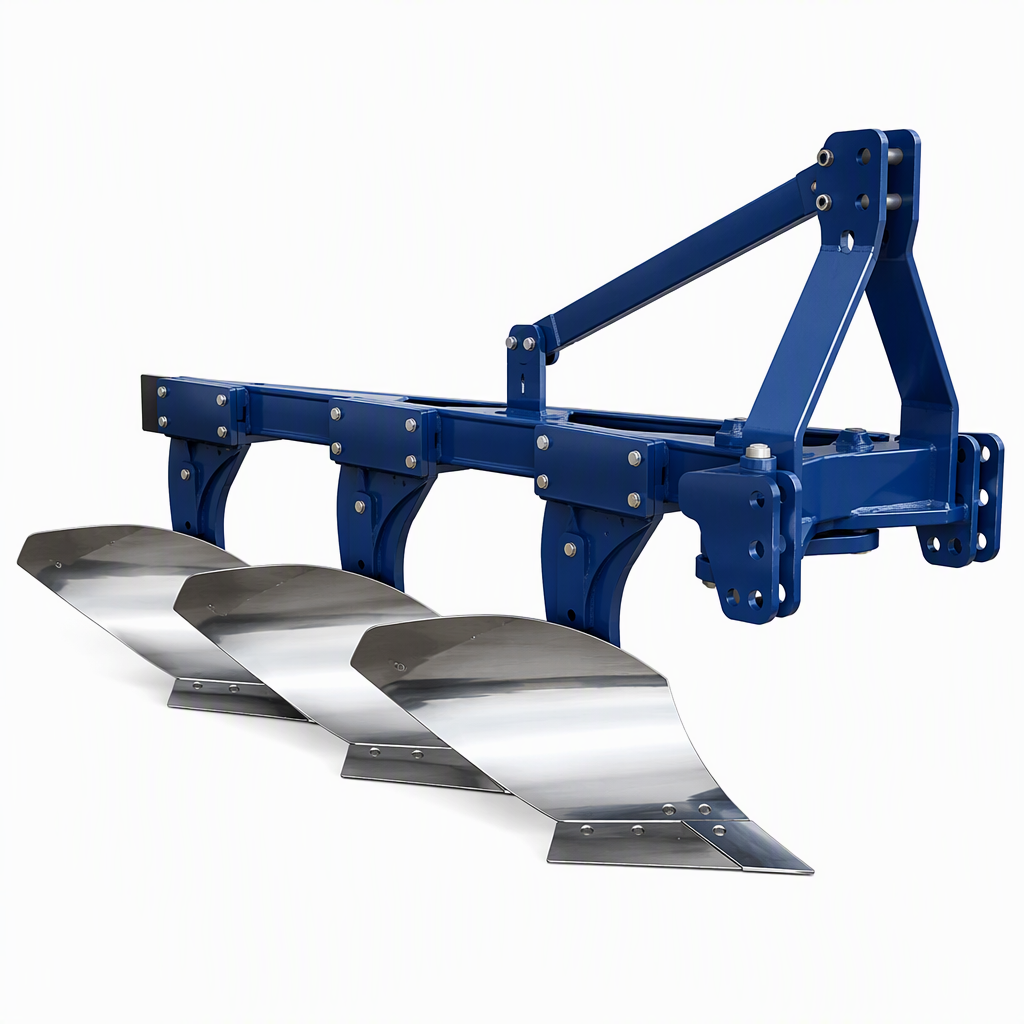
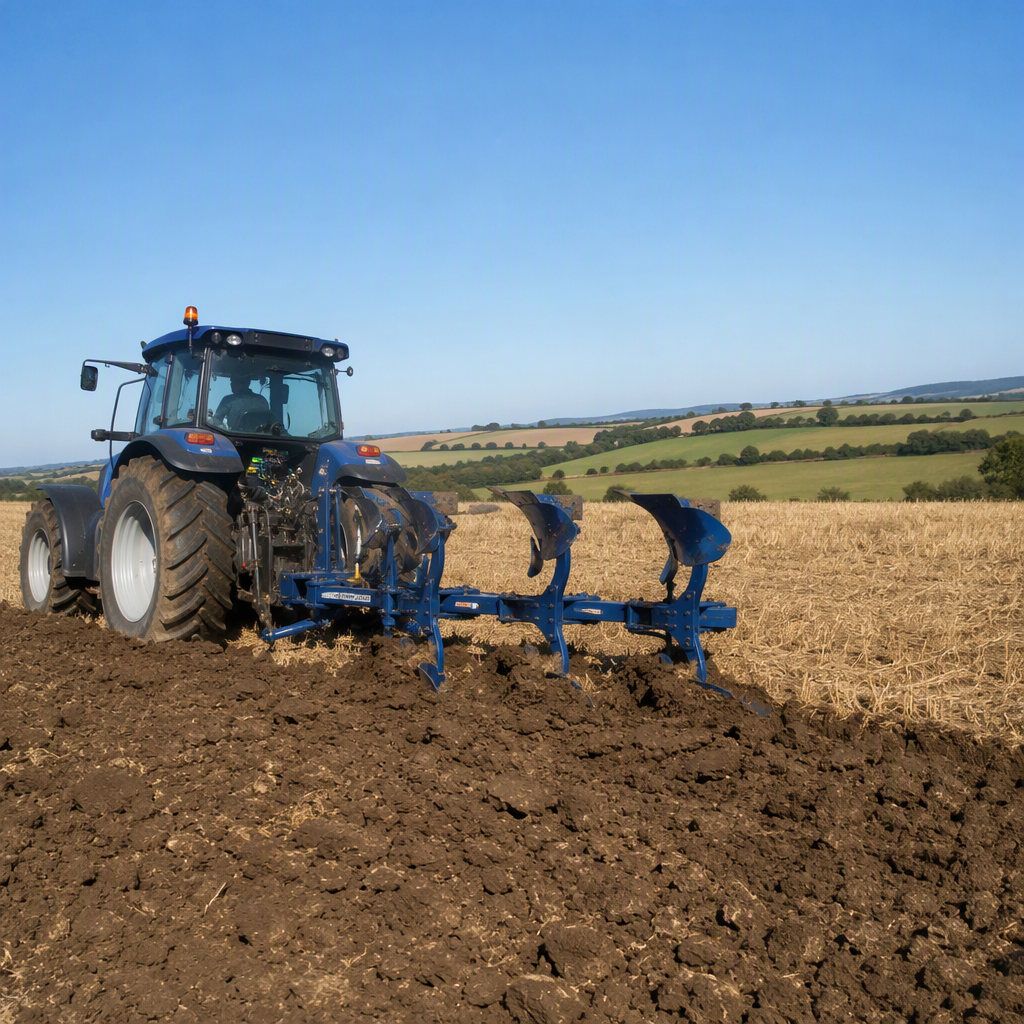
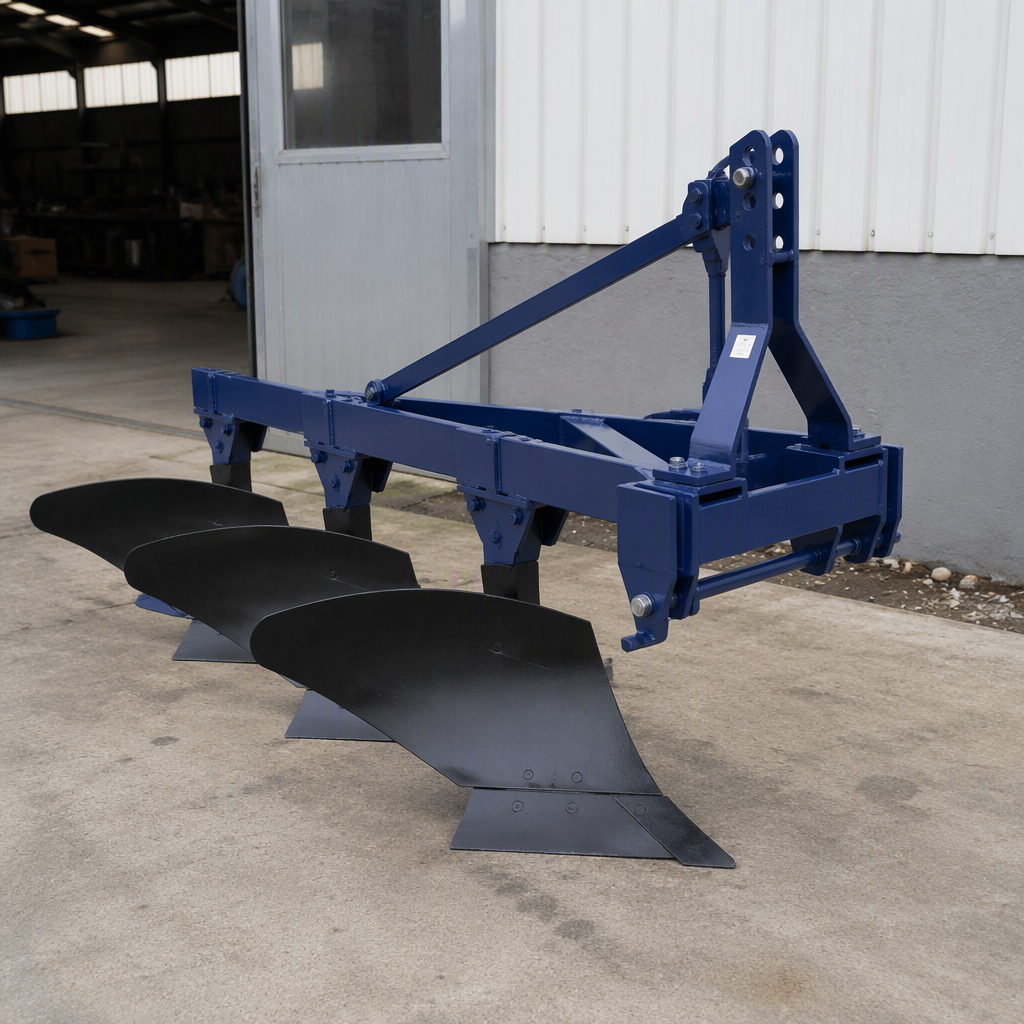
Choosing the right farm plough is essential for optimizing agricultural productivity. As a crucial piece of equipment for tillage, the farm plough helps prepare the soil for planting by turning it over and mixing in organic matter. Buyers often face concerns about selecting the appropriate plough type, understanding specifications, and ensuring compatibility with existing machinery. This article aims to guide you through the selection process, key specifications, and how the right farm plough can enhance your tillage efficiency.

Key Specifications to Consider When Selecting a Farm Plough

Key Specifications to Consider When Selecting a Farm Plough

When evaluating farm ploughs, several technical specifications should be prioritized:

Width and Depth of Cut: This determines how much soil is turned over in a single pass. Wider ploughs can enhance efficiency on larger fields but may require more horsepower.

Number of Shares: The number of shares affects the amount of soil that can be turned simultaneously. More shares can lead to better soil aeration and mixing but may require a more powerful tractor.

Material and Construction: High-quality steel construction offers durability, while different coatings can provide resistance to wear and corrosion. Consider the material based on the expected soil conditions and moisture levels. Additionally, materials used in Processing Machines can provide insights into durability and performance.

Adjustability: Some ploughs come with adjustable systems that allow for changes in depth and angle of cut, providing flexibility for different soil types and crop requirements.

Weight: Heavier ploughs can penetrate harder soils more effectively, but they require more power to operate, leading to potential fuel efficiency concerns.

Buyers should confirm these specifications based on their unique agricultural needs to ensure optimal performance.

A Step-by-Step Approach

A Step-by-Step Approach

To facilitate your purchasing process for a farm plough, consider the following step-by-step approach:

Assess Your Requirements: Identify the type of crops you plan to grow, the soil type, and the size of your fields. This initial assessment will guide your choice of plough type and specifications.

Research Options: Investigate various plough models and manufacturers. Look for those with a strong reputation in the agricultural machinery industry, such as Agripros, known for its high-quality farming equipment.

Request Samples or Demonstrations: If possible, request a demonstration of the plough in action or obtain a sample for testing. This is crucial for evaluating performance in real-world conditions.

Evaluate Suppliers: Compare suppliers based on their manufacturing capabilities, customer service, and warranty offerings. Ensure they have robust quality control processes and can provide technical support.

Finalize Your Order: Once you are satisfied with your choice, confirm specifications, delivery timelines, and pricing. Ensure that any customization requirements are clearly communicated.

How Farm Ploughs Enhance Tillage Efficiency

How Farm Ploughs Enhance Tillage Efficiency

Farm ploughs play a vital role in enhancing tillage efficiency by improving soil structure and fertility. By effectively turning over soil, ploughs incorporate organic matter, which enriches the soil and promotes better drainage. Well-turned soil also allows for improved seedbed preparation, leading to better seed-to-soil contact and improved germination rates.

Furthermore, modern ploughs are designed with features that reduce soil compaction and maintain soil health. For example, adjustable depth settings enable operators to tailor the tillage depth according to crop needs and soil conditions, minimizing disturbance to beneficial soil organisms. If you're interested in enhancing your overall farming operations, consider looking into Irrigation Systems that complement the use of a farm plough.

Ultimately, using the right plough can lead to significant time savings and reduced operating costs by improving the effectiveness of tillage operations.

Understanding Material Advantages in Farm Plough Manufacturing

The materials used in the construction of farm ploughs greatly influence their performance and durability. High-strength steel is commonly used for moldboards and shares, offering a balance of strength and weight. The choice of material affects not just the plough's longevity but also its effectiveness in varying soil conditions.

For instance, ploughs made from high-carbon steel are often more resistant to wear, making them suitable for rocky or abrasive soils. Additionally, surface treatments such as galvanization or painting can enhance corrosion resistance, extending the lifespan of the equipment, particularly in regions with high moisture or saline soil.

Buyers should discuss material options with manufacturers to identify the best fit for their agricultural practices. Understanding these material advantages can help buyers make informed decisions that align with both their operational needs and budget constraints.

By carefully considering these factors, you can ensure that your investment in a farm plough will support your agricultural goals effectively and sustainably.

How to Choose the Right Farm Plough for Your Agricultural Needs

Selecting the right farm plough involves understanding your specific agricultural requirements, the type of soil, and the crops you intend to cultivate. Different plough types, such as moldboard, disc, and chisel ploughs, serve various purposes and soil conditions. For instance, moldboard ploughs are ideal for deep tillage in heavier soils, while disc ploughs are better suited for shallow tillage in lighter, sandy soils.

Consider the size of your operation; larger farms may benefit from wider ploughs that cover more ground in a single pass, reducing time and fuel costs. Additionally, compatibility with your existing tractors and tillage equipment is critical. Ensure that the hitch type and horsepower requirements match your machinery to avoid operational issues. You may also want to explore Tractors that can enhance the efficiency of your ploughing operations.

Frequently Asked Questions

What types of soil can the farm plough handle?

Our farm plough is designed for loam, clay, sandy soils and mixed conditions; adjustable depth and blade options adapt to varied soil textures for effective tillage.
The plough is supplied by a CE and ISO 9001 certified manufacturer, ensuring quality, safety, and consistent production standards.
Recommended tractor power depends on model and working width; most standard ploughs work with tractors from 30 to 120 HP. Contact us with preferred model for exact specs.
Yes. We provide spare parts, maintenance guidance and lifecycle-based technical support to farms and plantations across our service network.
Yes. Agripros offers tailored configurations—blade type, working width, depth control and mounting options—to match specific field conditions and crop systems.

Get a Free Quote

Our representative will contact you soon.
0/1000