Factors Influencing Walking Tractor Price for Wholesale

application/walking-tractor-price, application/walking-tractor-price, 
Inquiry
Inquiry

walking tractor price

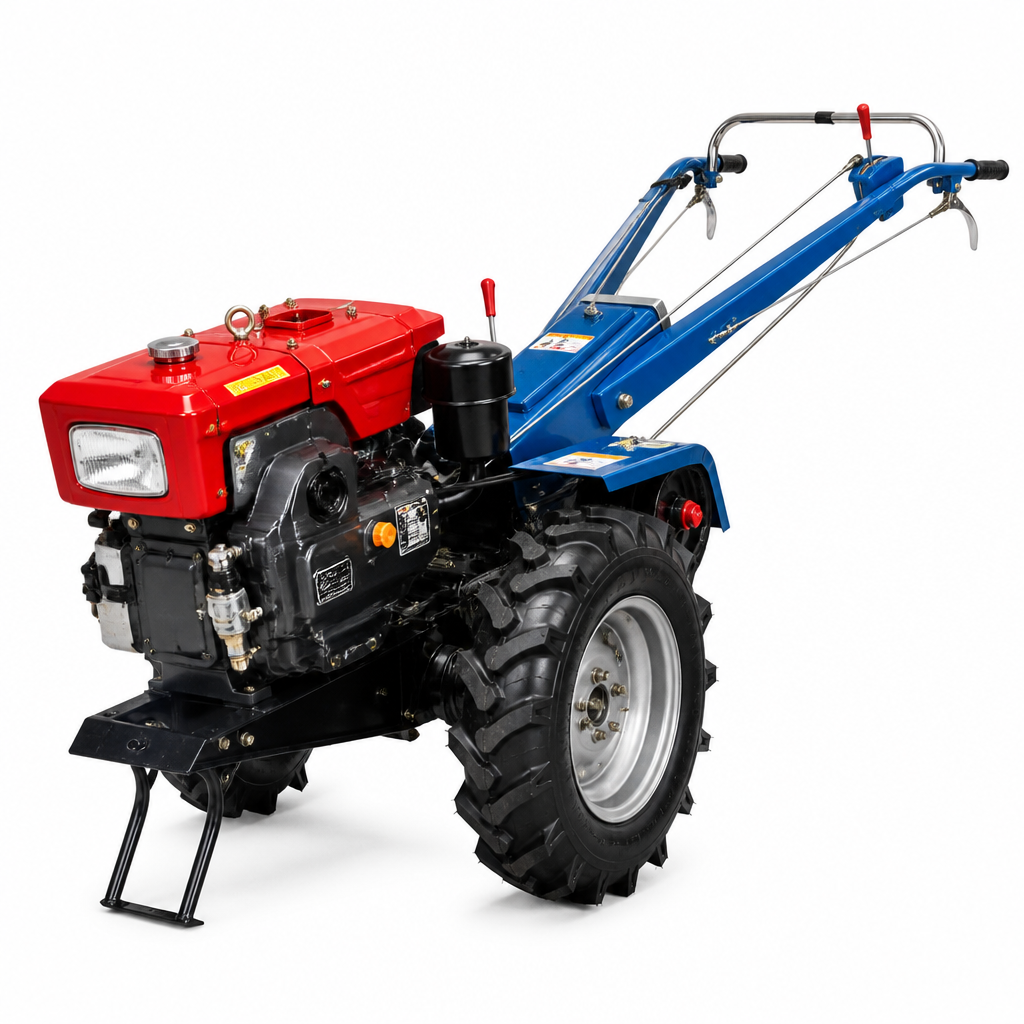
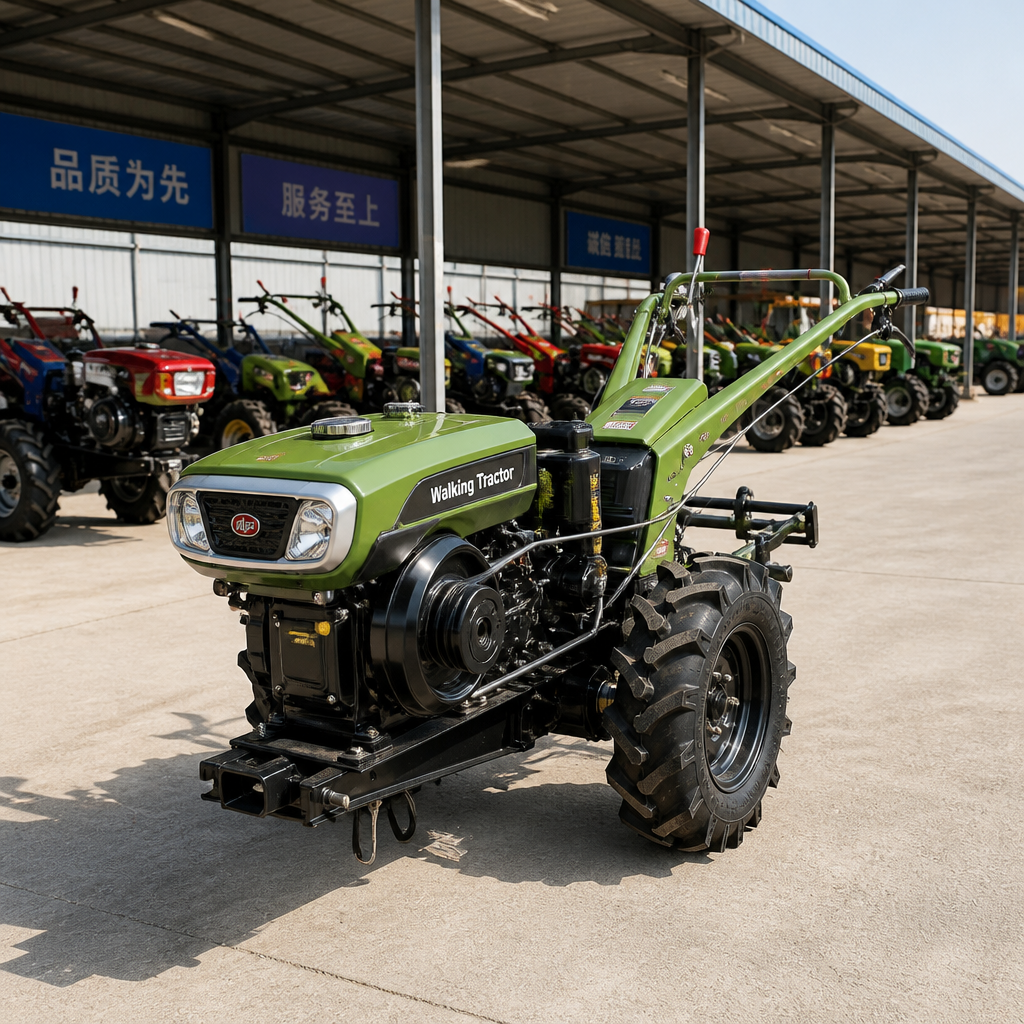
Walking tractors are versatile agricultural machines designed for a variety of tasks such as tillage, seeding, irrigation, and harvesting. When considering the walking tractor price, B2B buyers must assess several critical factors, including specifications, applications, and potential issues to ensure that they are making a sound investment. This article will help purchasing managers, distributors, and other professionals understand the key considerations when evaluating walking tractors, enabling them to make informed purchasing decisions.

How to Choose the Right Walking Tractor for Your Project Needs

How to Choose the Right Walking Tractor for Your Project Needs

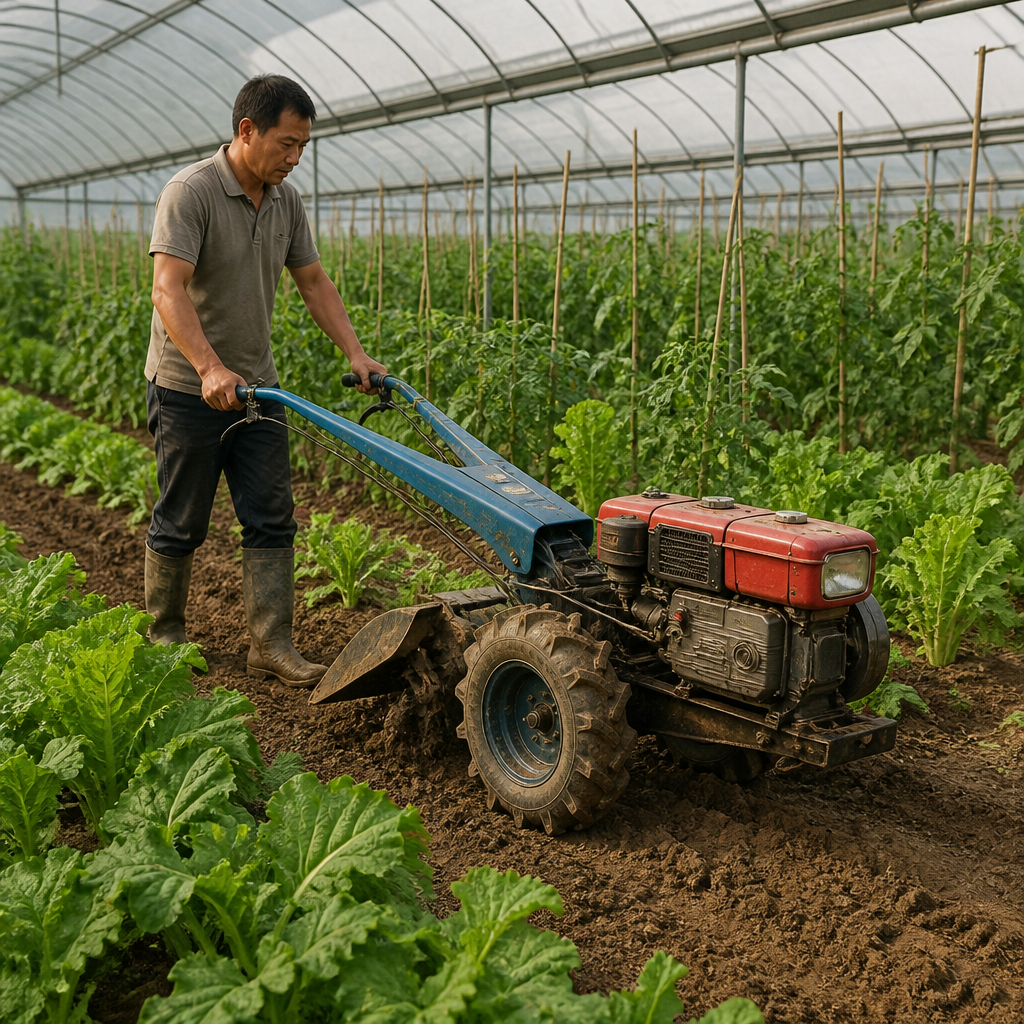
Choosing the right walking tractor requires a thorough evaluation of the specific needs of your agricultural project. Start by assessing the primary tasks the tractor will perform. For instance, if tilling is a primary concern, selecting a tractor with sufficient power and suitable tillage attachments is crucial.

Next, consider the operating environment. Factors such as soil type, terrain, and climate can influence the choice of tractor. For instance, a heavier tractor may be more suitable for rocky or uneven terrain, while lighter models can navigate smoother fields more efficiently. Understanding the role of Irrigation Systems in your project can also guide your decision on the type of tractor needed.

It's also vital to evaluate the tractor's compatibility with existing equipment. Ensure that any attachments or implements you plan to use are compatible with the walking tractor’s specifications. This compatibility can affect not just performance but also the overall cost of ownership, including maintenance and repairs.

Lastly, consult with the manufacturer for recommendations based on your specific agricultural needs. Experienced manufacturers like Agripros can provide insights into which models have performed well in similar applications, helping to inform your choice.

Top Applications for Walking Tractors in Various Agricultural Settings

Top Applications for Walking Tractors in Various Agricultural Settings

Walking tractors are highly adaptable machines used across diverse agricultural settings. Their primary applications include:

Tillage: Walking tractors excel in preparing the soil for planting. They can efficiently break up compacted soil, making it easier for seeds to germinate.

Seeding: Equipped with appropriate attachments, these tractors can automate the seeding process, ensuring uniform seed placement and reducing labor costs.

Irrigation: In areas where irrigation is crucial, walking tractors can be used to transport irrigation equipment or even assist in laying out irrigation lines.

Harvesting: For smaller farms or specialized crops, walking tractors can provide the necessary power to harvest crops efficiently, reducing reliance on larger, more expensive machinery.

Weeding and Fertilizing: Walking tractors can help in applying herbicides or fertilizers, making weed control and nutrient application more effective.

Understanding these applications can help buyers select the right tractor configuration that aligns with their operational needs, thereby maximizing return on investment.

Common Problems with Walking Tractors and Effective Solutions

Common Problems with Walking Tractors and Effective Solutions

Like any machinery, walking tractors may encounter common issues that could affect performance. One frequent challenge is engine overheating, often caused by inadequate cooling or blocked air filters. Regular maintenance, including cleaning filters and ensuring proper coolant levels, can mitigate this risk.

Another common issue is wear and tear on tires, especially if the tractor is used on rough terrain. Selecting the right tire type and regularly inspecting them for damage can help enhance durability and performance.

Additionally, buyers may encounter compatibility issues with attachments. To avoid this, it's essential to verify that all implements match the tractor's specifications and are configured correctly. Working closely with the manufacturer during the purchasing process can ensure that all equipment operates harmoniously.

Ensuring Optimal Performance

To ensure optimal performance from your walking tractor, regular maintenance is key. Establishing a maintenance schedule that includes checking engine oil levels, lubricating moving parts, and inspecting belts can prevent breakdowns and prolong the machine's lifespan.

Furthermore, buyers should consider the quality of replacement parts. When repairs are necessary, using OEM (original equipment manufacturer) parts can help maintain the tractor's performance and reliability. Inferior parts may lead to further issues down the line, negating any cost savings from cheaper alternatives.

Lastly, training operators on the proper use and maintenance of the walking tractor can significantly enhance performance. Knowledgeable operators can identify potential issues early and ensure that the tractor is used efficiently, maximizing productivity on the farm.

By addressing these considerations, buyers can not only choose the right walking tractor for their needs but also ensure that they get the best value for their investment in terms of performance and longevity.

What to Consider When Evaluating Walking Tractor Prices for Wholesale

When evaluating walking tractor prices, it is important to consider several key factors that influence the overall cost. First, the specifications of the tractor play a crucial role. Key specifications include engine power, weight, and operational capabilities. Higher power engines generally lead to higher prices, but they may also provide better performance for demanding tasks.

Another important factor is the customization options available. Manufacturers like Agripros offer tailored solutions that can significantly affect pricing. Custom features such as attachments for different applications or specialized components can add to the initial cost but may enhance functionality and efficiency in the long run. For example, attachments related to Sprayer & Fertilizer can greatly improve the efficiency of the walking tractor.

Additionally, buyers should consider the manufacturer’s certifications, such as CE and ISO 9001. These certifications can provide assurance of quality and compliance with international standards, which can be essential for buyers looking to export or use the machinery in regulated markets.

Finally, understanding the minimum order quantity (MOQ) and production capacity is essential for wholesale purchases. A higher MOQ might provide cost savings per unit but could tie up capital. Therefore, aligning purchase volumes with project needs is critical to avoid unnecessary financial strain.

Get a Free Quote

Our representative will contact you soon.
0/1000