High-Quality Walking Tractors for Agricultural Use

application/walking-tractor, application/walking-tractor, 
Inquiry
Inquiry

walking tractor

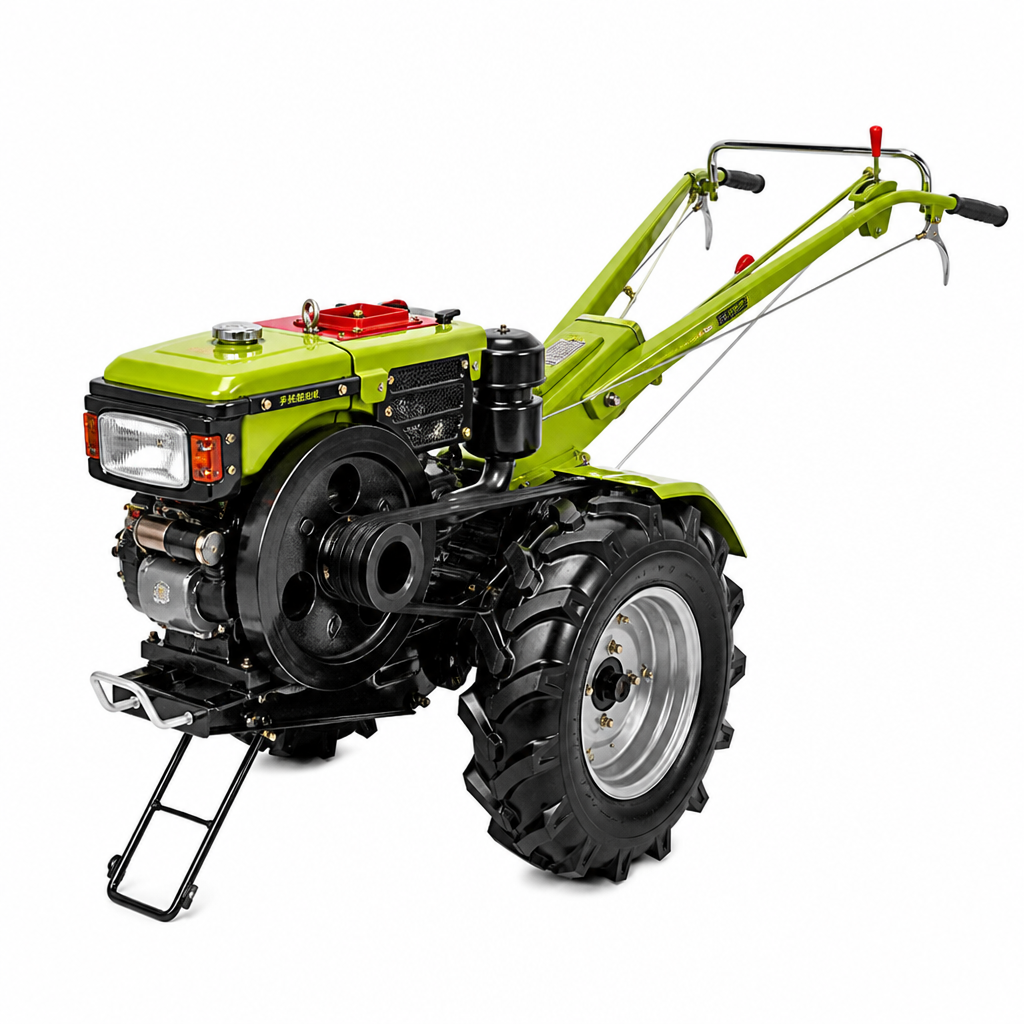
Walking tractors are essential agricultural machines designed to simplify various farming tasks, including tillage, seeding, irrigation, and harvesting. For B2B buyers, such as purchasing managers and product managers, understanding the specifications, applications, and common issues associated with walking tractors is vital. This article will delve into the critical aspects of walking tractors, helping you make informed purchasing decisions.

Cost Factors to Consider When Purchasing Walking Tractors

Cost Factors to Consider When Purchasing Walking Tractors

The total cost of purchasing walking tractors encompasses more than just the initial purchase price. B2B buyers should consider several cost factors, including:

Model and Specifications: Different models come with varying features and capabilities, influencing the base price. Ensure the specifications align with your operational needs to avoid overpaying for unnecessary features.

Material Quality: The materials used in manufacturing walking tractors can impact durability and maintenance costs. Higher-quality materials may have a higher upfront cost but can lead to lower long-term maintenance expenses.

Customization Options: If you require specific modifications, this could affect the overall price. Custom features might enhance functionality but could also lead to increased costs.

Bulk Purchase Discounts: Many suppliers offer discounts for bulk orders. Clarify minimum order quantities (MOQ) and negotiate pricing to optimize your budget.

Shipping and Handling: Factor in shipping costs, including logistics to your location, which can vary significantly based on the distance and shipping method.

Maintenance and Spare Parts: Consider the availability and cost of spare parts, as well as the expected maintenance frequency, to fully assess the total cost of ownership.

Common Problems with Walking Tractors and Effective Solutions

Common Problems with Walking Tractors and Effective Solutions

While walking tractors are reliable machines, they can experience common issues that may affect performance:

Engine Overheating: This can occur due to poor maintenance or insufficient cooling. Regularly check coolant levels and clean the radiator to prevent overheating.

Transmission Issues: Some users report difficulties in gear shifting. Ensure proper lubrication and inspect for wear. Routine maintenance can help identify and resolve these issues early.

Tire Wear: Uneven tire wear can lead to reduced traction and efficiency. Regularly inspect tire pressure and alignment, as well as rotate tires as needed to extend their lifespan.

Electrical Failures: Problems with ignition or electrical systems can hinder operation. Regular checks of battery connections, wiring, and fuses can help ensure reliable performance.

Poor Fuel Efficiency: This may result from improper tuning or low-quality fuel. Ensure the engine is properly tuned and use high-quality fuel to maintain optimal efficiency.

Addressing these common issues promptly can help maintain the performance and lifespan of walking tractors, minimizing downtime and repair costs.

Applications of Walking Tractors in Diverse Agricultural Settings

Applications of Walking Tractors in Diverse Agricultural Settings

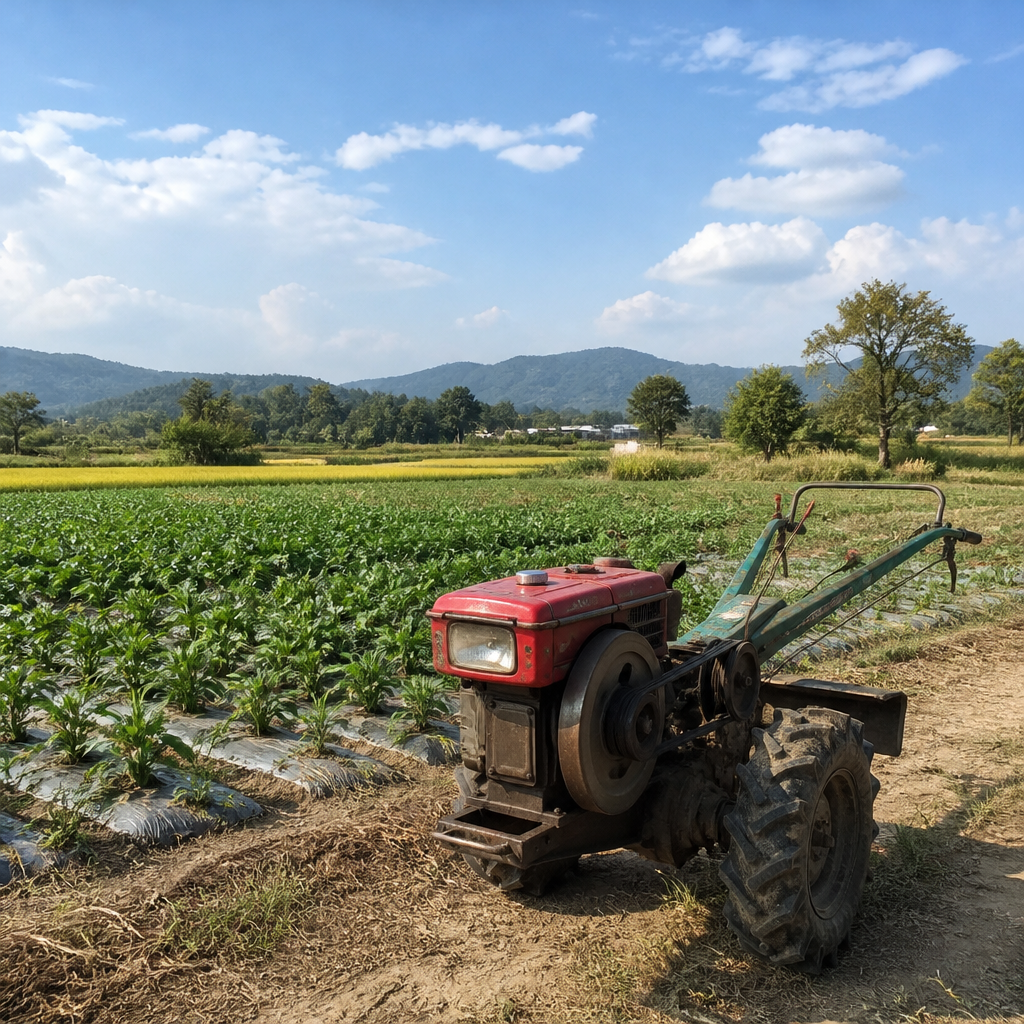
Walking tractors are versatile machines suitable for a range of agricultural applications, making them invaluable for various farming operations. Here are some common applications:

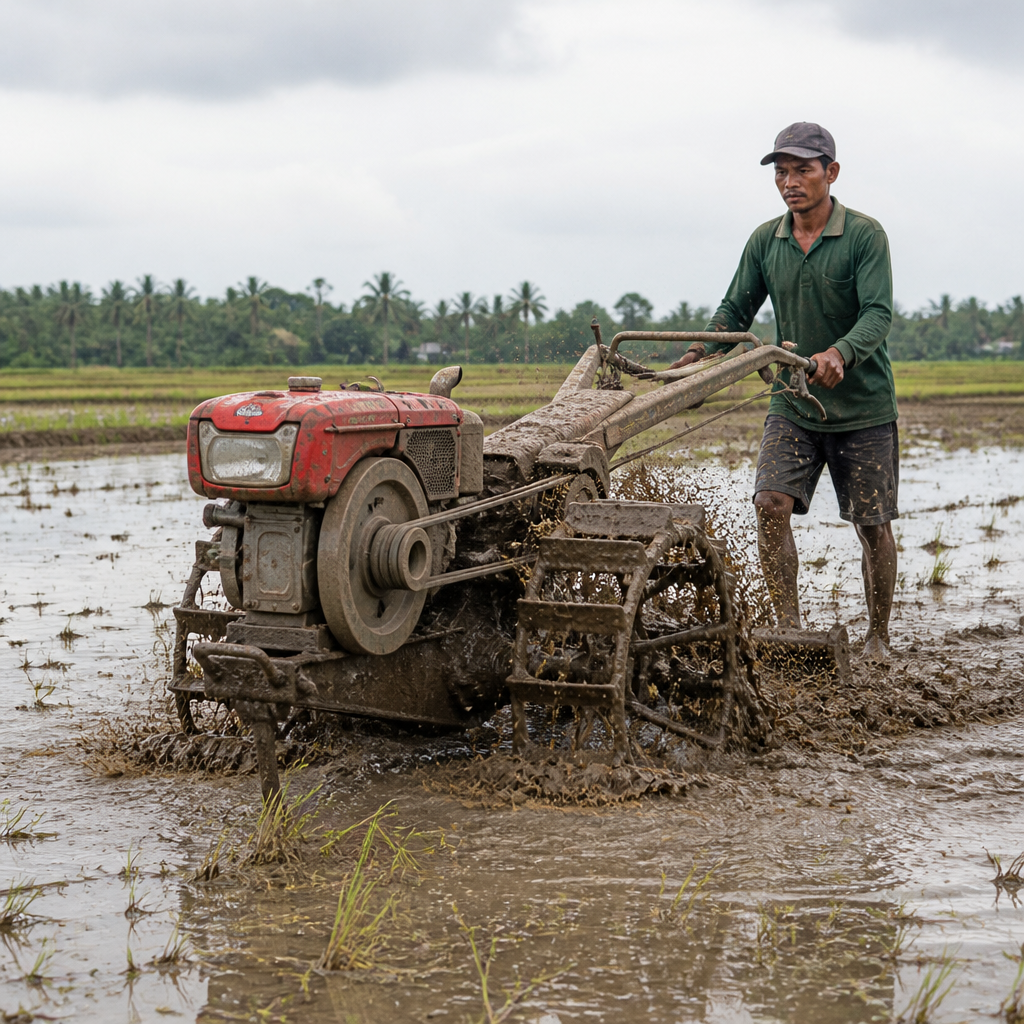
Tillage: Walking tractors can effectively prepare soil for planting, breaking up compacted earth and turning over soil to enhance aeration and nutrient mixing.

Seeding: Many models come equipped with seeding attachments, allowing for efficient planting of various crops, from vegetables to grains.

Irrigation: Walking tractors can be used to transport irrigation systems or to power small pumps, facilitating efficient water distribution across fields.

Harvesting: Certain walking tractor models can also be adapted for harvesting tasks, especially in smaller fields or specialty crops that require manual intervention. Additionally, machines like the Mini Crawler Combine Harvester 25HP 1200mm Cutting Table exemplify this adaptability.

Transport: These tractors can also serve as transport vehicles for tools, produce, and other equipment across farm operations, improving logistical efficiency.

By understanding the specific applications of walking tractors, buyers can select models that best fit their operational needs, enhancing productivity and reducing labor costs.

Understanding Material Advantages of Our Walking Tractor Models

The material composition of walking tractors plays a crucial role in their performance, durability, and maintenance requirements. Agripros walking tractors are designed with high-quality materials to meet the demands of various agricultural environments. Here are some material advantages to consider:

Frame Construction: Using high-strength steel for the frame provides durability and resistance to bending or deformation under heavy loads. This is critical for maintaining stability during operation.

Engine Components: Engine materials should withstand high temperatures and pressures. Quality alloys and composites can enhance engine life and efficiency.

Tires: The choice of rubber compounds affects traction and wear resistance. High-quality tires designed for agricultural use can improve performance on varying terrains.

Corrosion Resistance: Components treated with protective coatings can prevent rust and extend the lifespan of the machine, especially when operating in humid or wet conditions.

Ease of Maintenance: The choice of materials also affects how easy it is to access and replace parts during routine maintenance. Designs that facilitate easy disassembly can reduce downtime and maintenance costs.

Understanding these material advantages will help buyers assess the long-term value of walking tractors and make informed decisions that align with their operational requirements.

Reliable Suppliers for High-Quality Walking Tractors in Bulk

When sourcing walking tractors in bulk, it is crucial to partner with reliable suppliers like Agripros. A reputable supplier will offer equipment that meets industry standards, such as CE and ISO 9001 certifications, ensuring quality and safety. Look for suppliers with a proven track record in the agricultural machinery sector and those who can provide tailored, lifecycle-based solutions.

In your evaluation, consider the supplier's manufacturing capabilities, including their production equipment and quality control processes. A supplier with experience exporting to multiple regions, such as the 40 countries served by Agripros, is likely to have a better understanding of diverse market needs. Additionally, inquire about their customization capabilities to ensure the walking tractors meet your specific operational requirements. For instance, models like the 8-25HP Diesel Walk Behind Tractor Water-Cooled Hand Start Farm Tractor can offer tailored features for various farming needs.

Frequently Asked Questions

What is a walking tractor used for?

A walking tractor is a versatile two-wheel machine for tillage, seeding, irrigation tasks and light harvesting on small to medium farms and plantations.
We offer multiple engine sizes and power ratings to match field size and tasks; specifications are tailored per customer and listed in our product datasheets.
Yes. Our equipment complies with CE standards and is produced under ISO 9001 quality management for safety and reliability.
Yes. We supply genuine spare parts and offer lifecycle support, including maintenance guidance and parts supply across our service network.
Yes. We provide tailored configurations and attachments for different crops, soil types and slopes to optimize performance and efficiency.

Get a Free Quote

Our representative will contact you soon.
0/1000