Walk Behind Tractors: A Guide for Wholesale Buyers

application/walk-behind-tractor, application/walk-behind-tractor, 
Inquiry
Inquiry

walk behind tractor

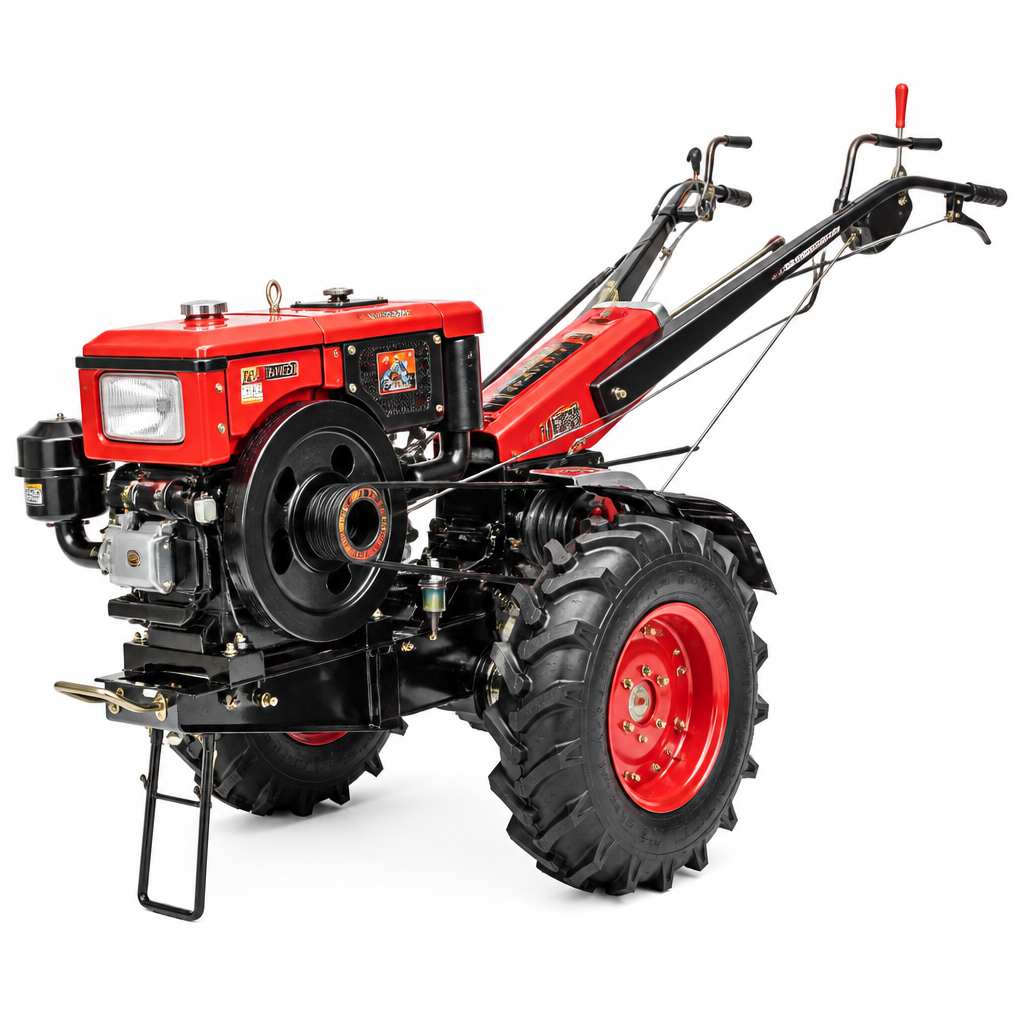
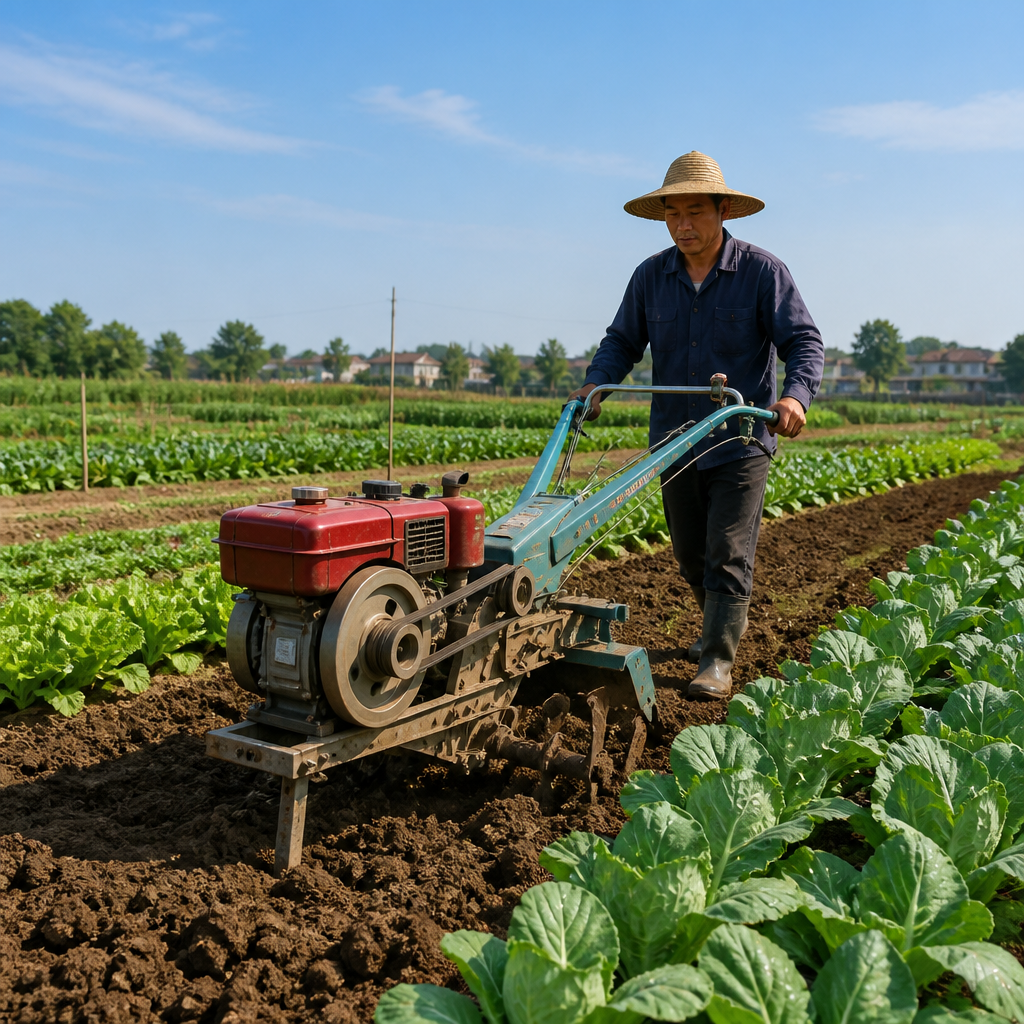
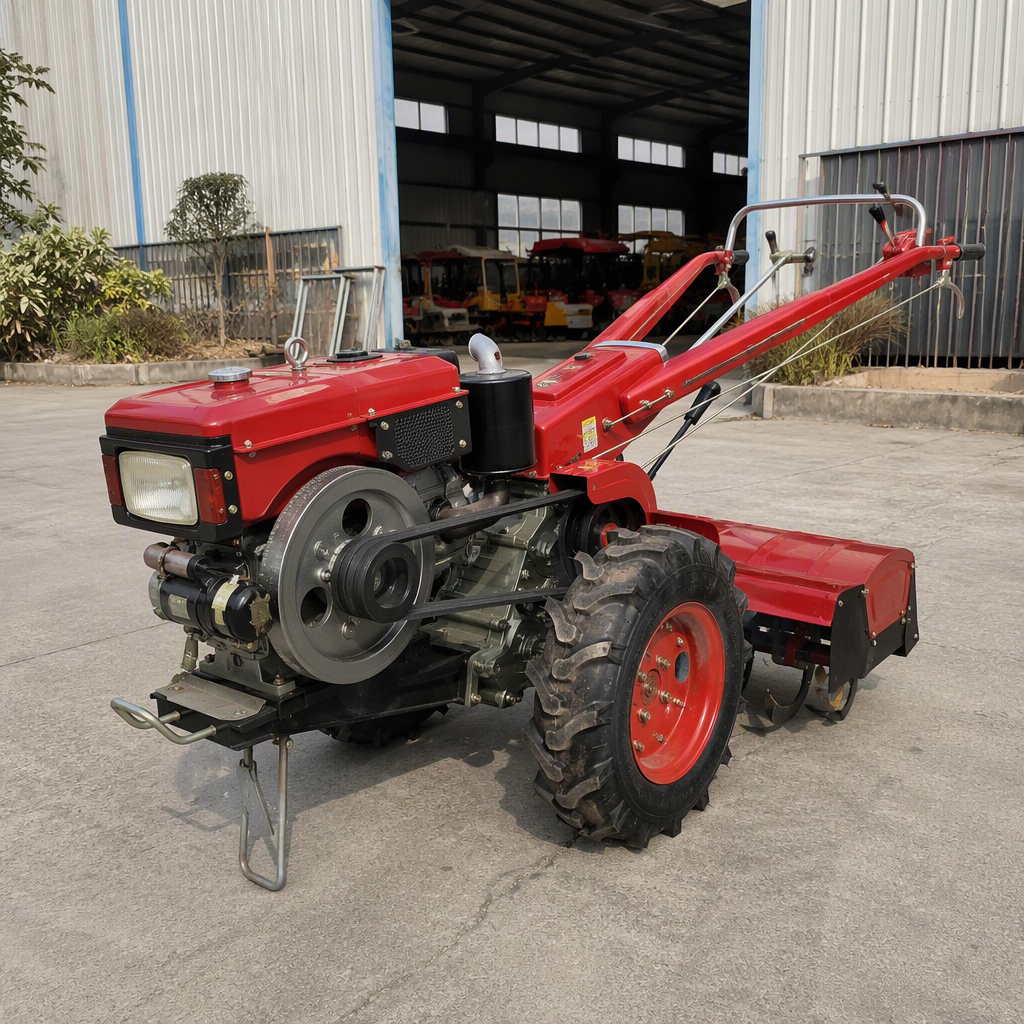
Walk behind tractors are versatile agricultural machines designed for various tasks, including tillage, seeding, and irrigation. As a B2B buyer, understanding the specifications, costs, potential issues, and supplier options when purchasing walk behind tractors is crucial for making informed decisions. This article aims to guide purchasing managers, distributors, and agricultural professionals through key considerations to streamline the procurement process. For irrigation needs, exploring our Irrigation Systems can also be beneficial.

Cost Factors to Evaluate When Purchasing Walk Behind Tractors Wholesale

Cost Factors to Evaluate When Purchasing Walk Behind Tractors Wholesale

The cost of walk behind tractors can vary significantly based on several factors:

Initial Purchase Price: The base price of the tractor is often influenced by its specifications, brand reputation, and included features. Buyers should compare multiple suppliers and models to find the best value.

Customization Options: Custom features may increase the initial cost. Buyers should weigh the benefits of customization against their budget constraints and operational needs.

Shipping and Handling Fees: Transportation costs can add significantly to the total purchase price, especially for international shipments. Consider the logistics involved in delivery and any additional fees that may apply.

Maintenance Costs: Factor in ongoing maintenance, including parts replacement and servicing, which can vary based on the tractor's design and materials. Selecting models known for reliability can reduce long-term costs.

Warranty and Support: A good warranty can protect buyers from unforeseen expenses due to defects or performance issues. Evaluate the warranty terms and the reputation of the supplier for after-sales support.

By understanding these cost factors, buyers can make informed financial decisions and ensure their investment in walk behind tractors aligns with their operational budget.

Common Problems with Walk Behind Tractors and Effective Solutions

Common Problems with Walk Behind Tractors and Effective Solutions

While walk behind tractors are generally reliable, they can encounter common issues that buyers should be aware of:

Starting Difficulties: Problems with starting can arise from fuel issues, battery failure, or ignition problems. Regular maintenance and prompt addressing of fuel quality can prevent these issues.

Overheating: Overheating may occur due to low oil levels or cooling system failures. Buyers should ensure routine checks of oil levels and cooling systems to avoid engine damage.

Wear and Tear on Attachments: Attachments are susceptible to wear over time, particularly in demanding applications. Regular inspection and prompt replacement of worn parts can maintain operational efficiency.

Tire Wear: Uneven tire wear can affect performance and maneuverability. Ensuring proper tire pressure and alignment is essential for prolonging tire life.

Transmission Issues: Problems with the transmission can stem from inadequate lubrication or mechanical wear. Buyers should follow the manufacturer’s maintenance guidelines to keep the transmission in good condition.

Understanding these common problems and their solutions can help buyers better manage their equipment and minimize downtime.

Where to Find Trusted Suppliers of Walk Behind Tractors for Resale

Where to Find Trusted Suppliers of Walk Behind Tractors for Resale

Finding reliable suppliers is critical for wholesale buyers of walk behind tractors. Here are effective strategies to locate trusted partners:

Industry Trade Shows: Participating in agricultural trade shows allows buyers to meet suppliers face-to-face, inspect equipment, and discuss custom options directly with manufacturers.

Online Marketplaces: Platforms such as Alibaba or industry-specific directories can connect buyers with reputable suppliers. It’s crucial to check supplier ratings, reviews, and certifications before making a decision.

Referrals and Recommendations: Networking with industry peers can yield valuable insights into trusted suppliers. Recommendations from colleagues who have successfully purchased walk behind tractors can guide buyers to reputable sources.

Manufacturer Websites: Researching manufacturers directly can provide information about product offerings, certifications, and support services. Companies like Agripros offer detailed product specifications and customer support.

Local Dealers: Regional agricultural machinery dealers often provide personalized service and local support. Buyers can benefit from their expertise and after-sales support.

By exploring these avenues, buyers can identify trustworthy suppliers that meet their needs for walk behind tractors.

Evaluating the Quality of Walk Behind Tractors for Your Projects

Quality evaluation is essential before purchasing walk behind tractors. Here are key considerations:

Material Inspection: Examine the materials used in the tractor’s construction. High-quality materials typically enhance durability and performance. Buyers should look for steels or alloys that provide strength without excessive weight.

Performance Testing: Whenever possible, conduct performance tests or request demos. Understanding how the tractor handles in real-world conditions can highlight its suitability for specific tasks.

Quality Control Processes: Ask suppliers about their quality control measures during production. Manufacturers with strict quality assurance practices are more likely to deliver reliable products.

Sample Approval: Before mass production, requesting a sample unit for evaluation can help verify fit, finish, and functionality. Testing under actual working conditions can reveal any potential issues.

Customer Feedback: Investigate reviews and testimonials from other users to gauge satisfaction levels and common issues. This feedback can provide valuable insights into the tractor's long-term performance.

By focusing on these quality evaluation factors, buyers can ensure that the walk behind tractors they procure will meet their operational demands effectively.

Understanding Specifications of Walk Behind Tractors for Wholesale Buyers

When evaluating walk behind tractors, buyers should focus on several key specifications:

Engine Power: Engine power typically ranges from 5 to 15 horsepower. A higher horsepower rating can handle tougher terrains and heavier attachments, but it may also increase fuel consumption. Buyers should assess the power requirements based on the intended applications.

Transmission Type: Walk behind tractors often feature either gear-driven or hydrostatic transmissions. Gear-driven models provide more control for varied tasks, while hydrostatic models offer easier operation and smoother transitions between speeds.

Weight and Size: The weight of the tractor affects stability and traction. Heavier models provide better stability in uneven terrain but may be more challenging to maneuver. Buyers should consider the tractor's dimensions relative to their operational space and transport requirements.

Attachment Compatibility: Different models may support a range of attachments, such as plows, seeders, and cultivators. It is essential to verify compatibility with existing tools or plan for future needs. For instance, Seeders & Transplanters can enhance planting efficiency.

Build Materials: The materials used in the tractor’s construction, such as steel or aluminum, influence durability and maintenance requirements. Buyers should seek robust materials that can withstand harsh agricultural conditions.

Certifications: Look for machinery with CE or ISO 9001 certifications, indicating adherence to international safety and quality standards.

Understanding these specifications helps buyers select the right walk behind tractor tailored to their agricultural needs.

Frequently Asked Questions

What is a walk behind tractor used for?

A walk behind tractor performs tillage, seeding, hauling, and small harvesting tasks. It suits gardens, small farms, and plantations for versatile field operations.
Models offer a range of diesel engines and power outputs for light to heavy tasks. Specific options depend on configuration—contact us for model details and matching power to your needs.
Yes. Our walk behind tractors comply with CE and ISO 9001 standards, ensuring quality manufacturing and safety for international use.
We supply genuine spare parts and offer lifecycle-based after-sales support, including maintenance guidance, spare parts sourcing, and technical assistance.
Yes. We tailor attachments and configurations for varied soils, crops, and irrigation needs to optimize performance across plantations and small farms.

Get a Free Quote

Our representative will contact you soon.
0/1000