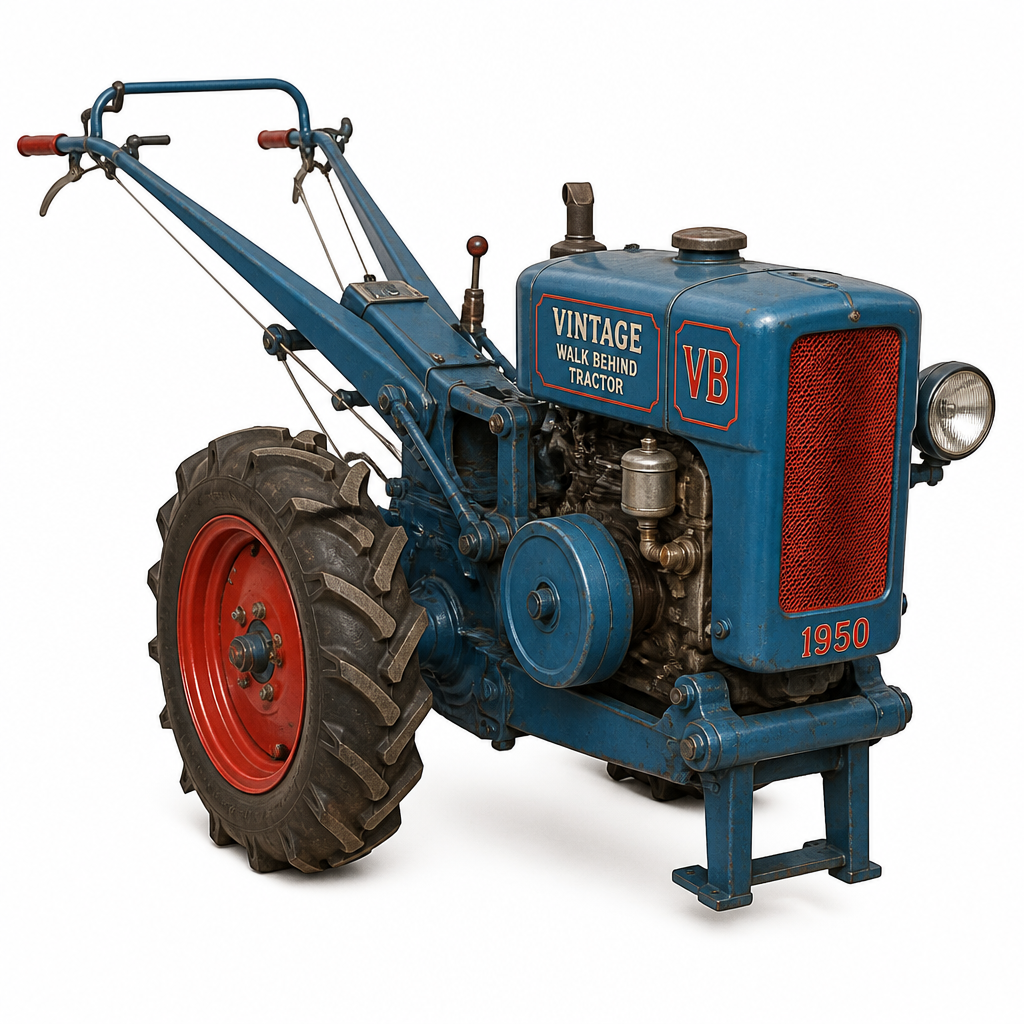
Guide to Vintage Walk Behind Tractors

application/vintage-walk-behind-tractor, application/vintage-walk-behind-tractor, 
Inquiry
application/vintage-walk-behind-tractor, application/vintage-walk-behind-tractor, 
Inquiry

vintage walk behind tractor

Vintage walk behind tractors are specialized machines designed for small-scale agricultural tasks, offering versatility and efficiency in various farming applications. For B2B buyers, such as purchasing managers or agricultural engineers, selecting the right vintage walk behind tractor can be a daunting task. Concerns often revolve around model specifications, operational efficiency, cost-effectiveness, and potential maintenance issues. This article provides a comprehensive guide to help you compare different models, understand cost factors, identify common problems, and explore modern applications of vintage walk behind tractors.

A Step-by-Step Approach

A Step-by-Step Approach

To effectively compare vintage walk behind tractors, follow this structured approach:

Identify Your Needs: Determine the specific tasks you need the tractor for, such as tilling, planting, or harvesting.Research Models: Compile a list of models that meet your requirements. Use manufacturer websites, agricultural trade shows, and industry publications for reliable information. For example, the Grain Crusher 3 kW Electric Mill for Poultry Feed Milling can be an important tool in your farming arsenal.Create a Comparison Chart: List key specifications, features, and prices for each model. This visual aid can help you analyze options more efficiently.Request Demonstrations: Whenever possible, arrange for hands-on demonstrations. Observing the tractor in action can provide valuable insights into its performance and ease of use.Consult with Experts: Engage with industry experts or current users of the tractors you are considering. Their firsthand experiences can offer guidance on potential pitfalls and advantages.
Cost Factors to Consider When Purchasing Vintage Walk Behind Tractors

Cost Factors to Consider When Purchasing Vintage Walk Behind Tractors

The cost of vintage walk behind tractors can vary widely based on several factors:

Initial Purchase Price Model and Features: The more advanced the features and attachments, the higher the initial price. Evaluate whether the additional cost aligns with your operational needs.Condition: Newer models generally come at a premium; however, well-maintained vintage models can also command high prices. Assess the condition thoroughly before purchase. Ongoing Expenses Maintenance Costs: Older models may require more frequent repairs and part replacements. Assess the availability of spare parts and service support.Fuel and Operation: Calculate the expected fuel costs based on the tractor’s efficiency and your anticipated usage.Warranty and Support: Investigate the warranty options provided by manufacturers. A comprehensive warranty can mitigate potential repair costs. Total Cost of Ownership

Consider the total cost of ownership, which includes purchase price, maintenance, fuel, and resale value. A lower upfront cost may not be advantageous if ongoing expenses are high.

Common Problems with Vintage Walk Behind Tractors and Their Solutions

Common Problems with Vintage Walk Behind Tractors and Their Solutions

While vintage walk behind tractors offer unique benefits, they can also present specific challenges. Here are common issues and their recommended solutions:

Mechanical Failures Engine Problems: Overheating or starting issues may arise from old fuel lines or filters. Regular maintenance and timely replacement of these parts can prevent major failures.Transmission Issues: Slipping gears may indicate worn components. Regular inspections and prompt repairs can extend gearbox life. Operational Limitations Limited Attachments: Some vintage models may not support modern attachments. Verify compatibility with the attachments you intend to use before purchase.Ergonomic Design: Older designs may not prioritize operator comfort, leading to fatigue. Consider models that allow for adjustable handles and seating. Maintenance Challenges Parts Availability: Sourcing parts for older models can be difficult. Research the availability of replacement parts before committing to a purchase.Expertise for Repairs: Ensure you have access to technicians familiar with vintage machinery, as repairs may require specialized knowledge.

Applications of Vintage Walk Behind Tractors in Modern Agriculture

Despite the evolution of agricultural technology, vintage walk behind tractors still hold significant value in modern farming practices. Here are key applications:

Small-Scale Farming

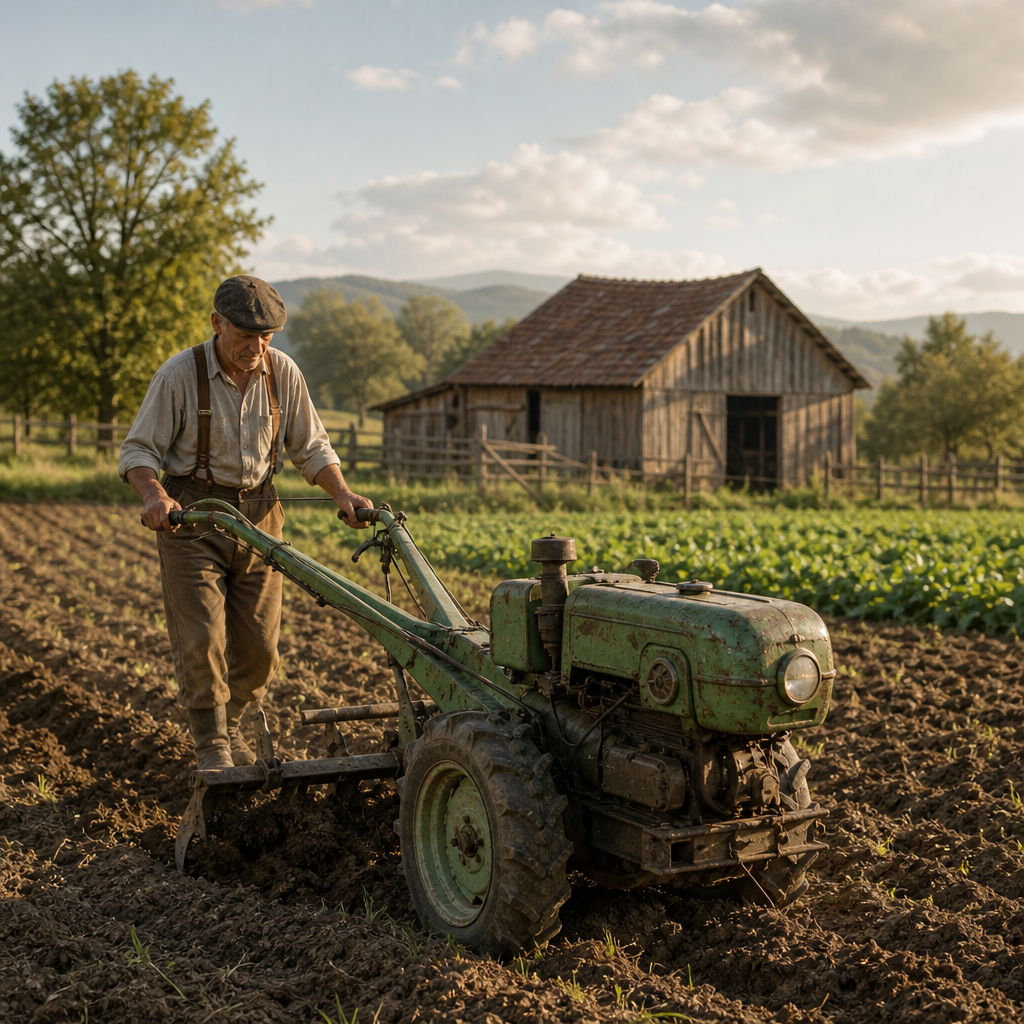
For small farms and urban agriculture, vintage walk behind tractors provide a manageable solution for tasks like tilling, seeding, and maintaining garden beds. Their compact design allows for efficient work in confined spaces.

Organic Farming

Many organic farmers prefer vintage models due to their simplicity and ease of maintenance. These tractors can operate with minimal chemical reliance, aligning well with organic farming principles.

Community Gardens

Community and educational gardens can benefit from vintage walk behind tractors, as they allow multiple users to engage in farming activities without the need for large machinery. This promotes hands-on learning and sustainable practices.

Specialty Crop Production

Vintage walk behind tractors can be particularly effective for specialty crops that require precise handling and care. Their versatility allows for tailored applications, enhancing productivity in niche markets.

In summary, vintage walk behind tractors remain valuable in modern agriculture, especially for small-scale and organic operations. By understanding the various models, cost factors, common issues, and applications, B2B buyers can make informed decisions that align with their agricultural needs.

How to Compare Vintage Walk Behind Tractor Models for Your Projects

When comparing vintage walk behind tractor models, consider several key factors that directly impact their performance and suitability for your specific agricultural tasks.

Specifications and Features Engine Power: Evaluate the horsepower and torque specifications. Higher power is essential for more demanding tasks like plowing or heavy tilling.Weight and Size: The weight of the tractor affects its stability and traction. A heavier model may provide better stability on uneven terrain.Attachments: Look for models that offer compatibility with various attachments such as plows, seeders, and hoes. This flexibility can enhance the tractor's usability across different farming operations. For instance, consider the 8-25HP Diesel Walk Behind Tractor Water-Cooled Hand Start Farm Tractor for versatile farming applications. Performance Parameters Maneuverability: Assess how easily the tractor can navigate tight spaces, especially in smaller fields or gardens. A compact design can be advantageous.Fuel Efficiency: Examine the fuel consumption rates. More efficient models can lead to significant savings over time, especially for larger operations.Durability: Investigate the materials used in construction. Steel frames and robust components typically indicate a longer lifespan and reduced maintenance needs. Manufacturer Reputation

Research manufacturers’ backgrounds, focusing on their experience, production practices, and certifications such as ISO 9001. A reputable supplier like Agripros, with a solid track record in agricultural machinery, can offer insights into product longevity and reliability.

Get a Free Quote

Our representative will contact you soon.
0/1000