Walk Behind Tractors for Sale: Key Buying Guide

application/walk-behind-tractor-for-sale, application/walk-behind-tractor-for-sale, 
Inquiry
application/walk-behind-tractor-for-sale, application/walk-behind-tractor-for-sale, 
Inquiry

walk behind tractor for sale

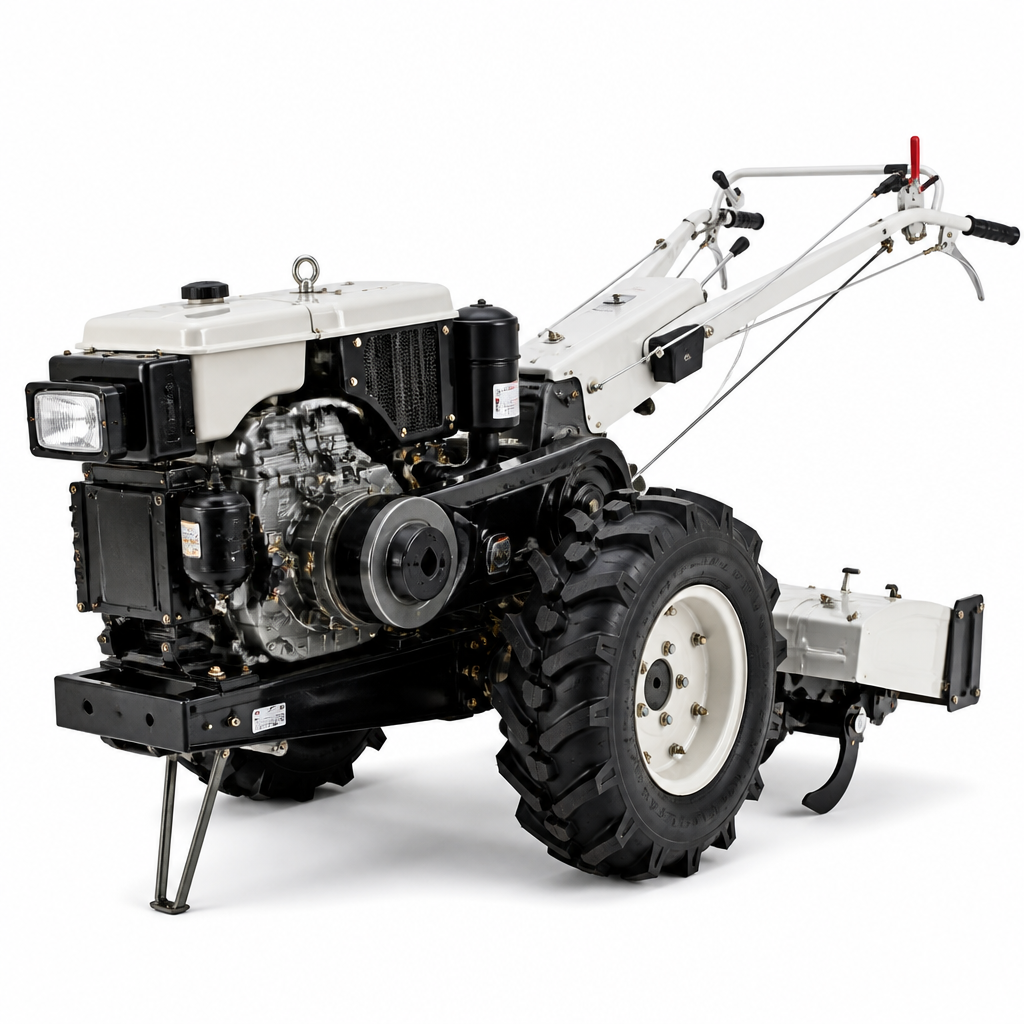
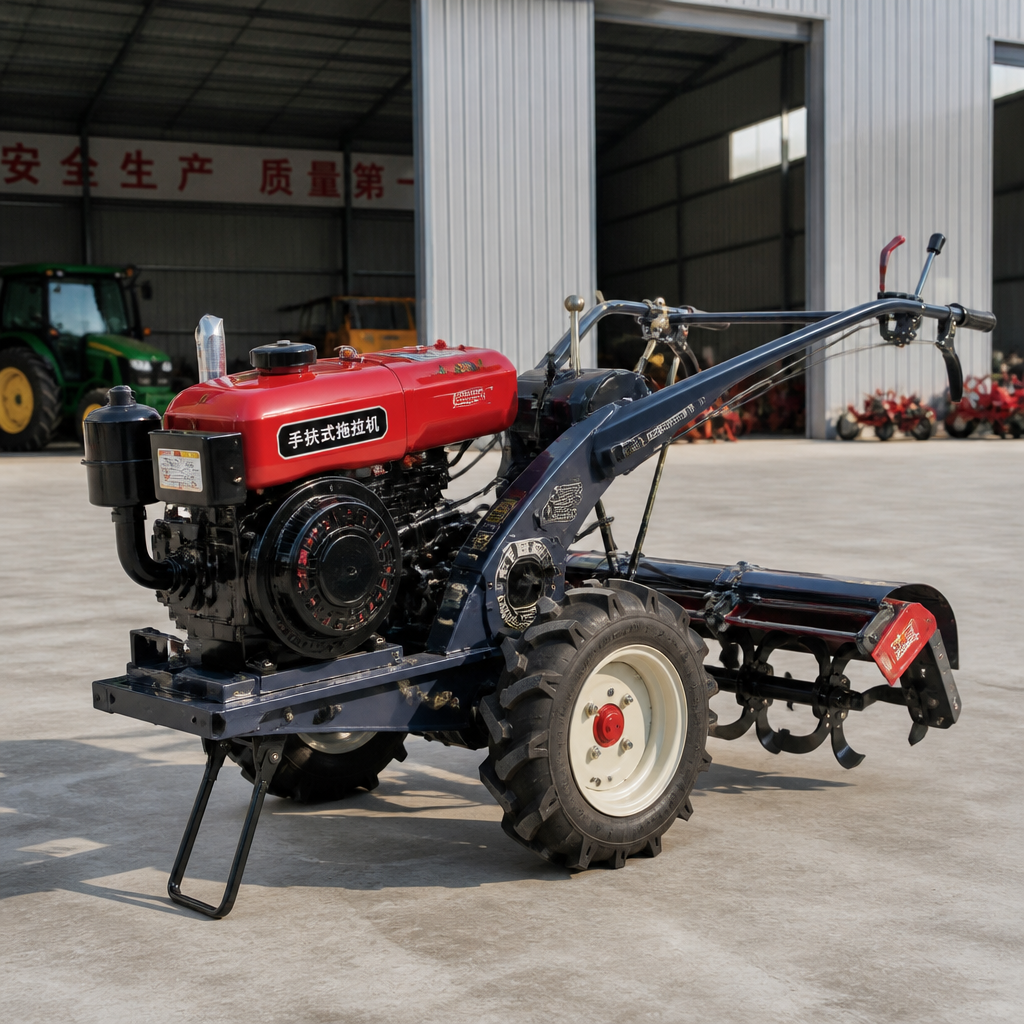
A walk behind tractor is an essential piece of agricultural machinery designed for various farming tasks including tillage, seeding, and even irrigation. For businesses looking to invest in a walk behind tractor for sale, understanding the specific needs of your operation is vital. Key buyer concerns often center around performance capabilities, compatibility with existing equipment, and long-term support. This article will provide insights into selecting the right walk behind tractor, including specifications to consider, key factors in decision-making, installation guidelines, and its applications across various industries.

Top Specifications to Consider for Walk Behind Tractors

Top Specifications to Consider for Walk Behind Tractors

When evaluating walk behind tractors, there are several key specifications that directly impact performance:

Engine Power: Measured in horsepower (HP), this affects how much load the tractor can handle and its efficiency in various tasks. Generally, higher HP provides better performance for heavier tasks.

Weight: A heavier tractor typically offers more stability and traction but may be harder to maneuver on smaller plots. Conversely, lighter models are easier to handle but may struggle with larger loads or rough terrain.

Transmission Type: Walk behind tractors can come with manual or automatic transmissions. Automatic transmissions tend to be easier to operate, especially for those new to using tractors.

Attachment Compatibility: Ensure that the tractor can support the attachments you need, such as tillers, Seeders & Transplanters, or plows. The mounting system should also be straightforward to use.

Operating Width: This affects how much ground you can cover in one pass. A wider operating width can increase efficiency, but make sure it aligns with the layout of your fields.

Understanding these specifications will help you select a model that suits your operational needs while ensuring efficient performance.

Key Factors

Key Factors

Several factors can influence your decision when purchasing a walk behind tractor:

Cost: Budgeting for not just the initial purchase but also for maintenance and operation costs is crucial. Consider fuel consumption, potential repairs, and parts replacement.

Brand Reputation: Research manufacturers and suppliers to understand their reputation in the market. Look for certifications like CE and ISO 9001, as these can indicate a commitment to quality and safety.

Warranty and Support: A solid warranty and responsive customer support can alleviate concerns about potential issues after purchase. Ensure that the supplier offers service and parts availability in your region.

User Reviews: Feedback from other users can provide real-world insights into the performance and reliability of the tractor you are considering. Look for reviews that discuss specific applications similar to yours.

Evaluating these factors can significantly impact your satisfaction with your investment in a walk behind tractor.

Installation Guidelines for Your New Walk Behind Tractor

Installation Guidelines for Your New Walk Behind Tractor

Installing a walk behind tractor involves a few key steps to ensure optimal performance and longevity:

Read the Manual: Start by thoroughly reading the manufacturer’s manual. This will provide essential information on assembly, safety, and operation.

Initial Setup: Ensure that all components are properly assembled according to the guidelines. Pay special attention to the attachment mechanisms and safety features.

Fluid Check: Before starting the tractor for the first time, check all fluid levels, including oil and fuel. This is essential for the machine's operation and longevity.

Test Run: Once set up, perform a test run in a controlled environment to familiarize yourself with the controls and operation. Monitor for any unusual noises or performance issues.

Regular Maintenance: Establish a maintenance schedule based on the manufacturer’s recommendations. Regular checks can help catch potential issues before they develop into costly repairs.

By following these installation guidelines, you will ensure a smoother startup and enhance the reliability of your walk behind tractor.

Applications of Walk Behind Tractors in Various Industries

Walk behind tractors are versatile machines utilized across multiple industries, including:

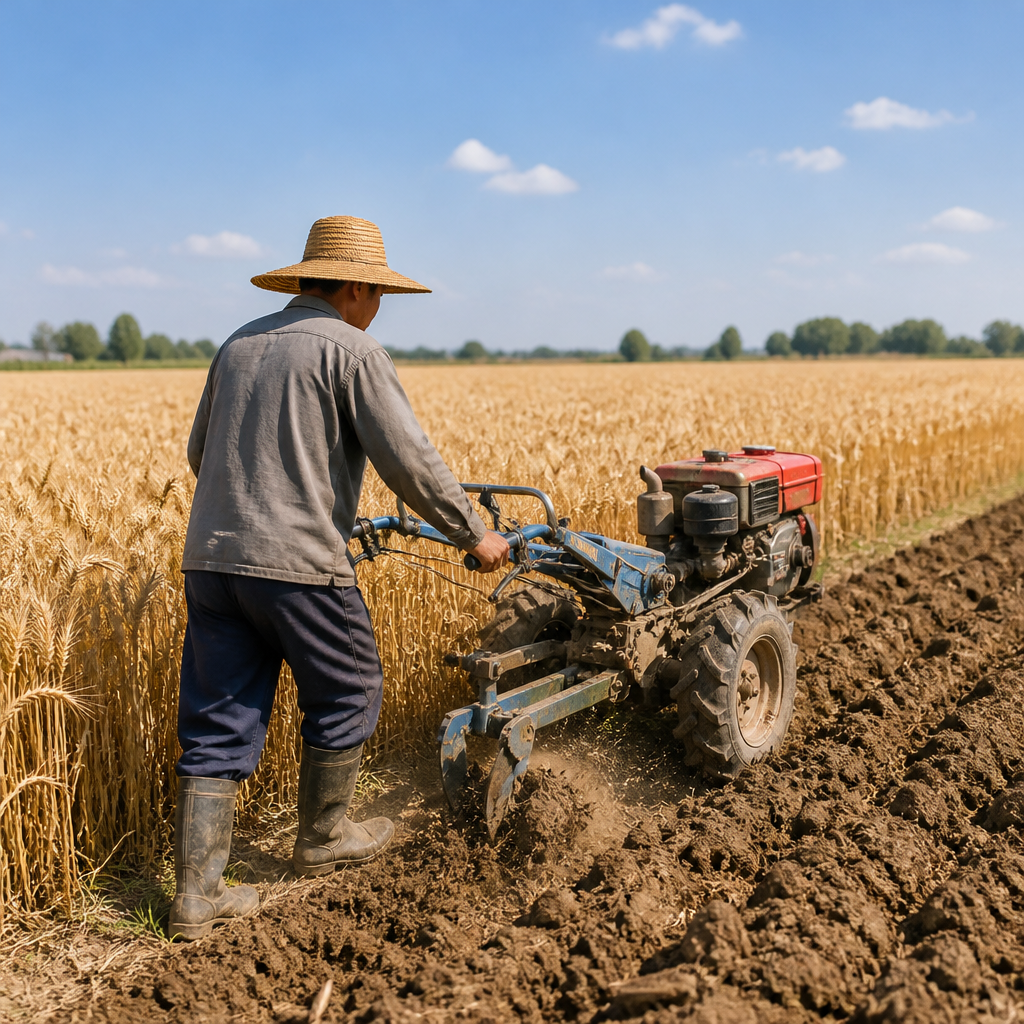
Agriculture: Primarily used for tasks like tilling, planting, and harvesting, these tractors can significantly enhance productivity on small to medium-sized farms.

Landscaping: In landscaping, walk behind tractors assist in soil preparation, planting, and maintenance of garden beds, making them useful for both commercial and residential landscaping projects.

Construction and Maintenance: These tractors can also be adapted for use in light construction tasks, such as moving soil or material in tight spaces where larger machinery cannot operate.

Community or Municipal Services: Local governments may use walk behind tractors for maintaining parks, gardens, and other green spaces, providing efficiency in maintaining public areas.

Understanding the various applications of walk behind tractors can help potential buyers appreciate their versatility and adaptability in meeting diverse operational needs. Investing in a walk behind tractor can streamline your farming operations, improve productivity, and support the diverse tasks required in agriculture and other sectors. By carefully considering your specific needs and the specifications that matter most, you can make a well-informed purchase decision that benefits your business in the long run.

How to Choose the Right Walk Behind Tractor for Your Needs

When selecting a walk behind tractor, it’s important to assess the specific requirements of your agricultural operation. Start by evaluating the size of the land you need to manage. For smaller plots, a compact model may be sufficient, while larger fields may require more powerful options. Consider the types of tasks you will perform: tilling, planting, or harvesting? Each function may require different attachments or horsepower. For example, using appropriate Cultivators & Tillers can enhance your tilling process.

Another critical aspect to consider is the terrain. If your land includes rough or uneven ground, opt for a tractor with a robust build and good traction. Additionally, think about ease of use and maintenance; user-friendly controls and easy access to components for service can save you time and money in the long run. Finally, verify compatibility with existing equipment or attachments you may already own, ensuring that the tractor meets your operational needs.

Frequently Asked Questions

What tasks can this walk behind tractor handle?

Our walk behind tractor is designed for tillage, seeding, irrigation support, and light harvesting tasks on small farms and plantations, adaptable with multiple implements for lifecycle use.
We offer a range of diesel engines with varying horsepower to suit different field sizes and loads; specific options depend on model—contact us for detailed specs.
Yes. Agripros products carry CE and ISO 9001 certifications, ensuring compliance with international quality and safety standards.
We supply genuine replacement parts and offer technical support and service guidance, with tailored lifecycle solutions to keep machines operational across seasons.
Yes. We provide tailored configurations and compatible implements for specific soil types, crop needs, and irrigation setups; contact us with farm details for recommendations.

Get a Free Quote

Our representative will contact you soon.
0/1000