Choosing the Right Tillage Tractor for Your Needs

application/tillage-tractor, application/tillage-tractor, 
Inquiry
Inquiry

tillage tractor

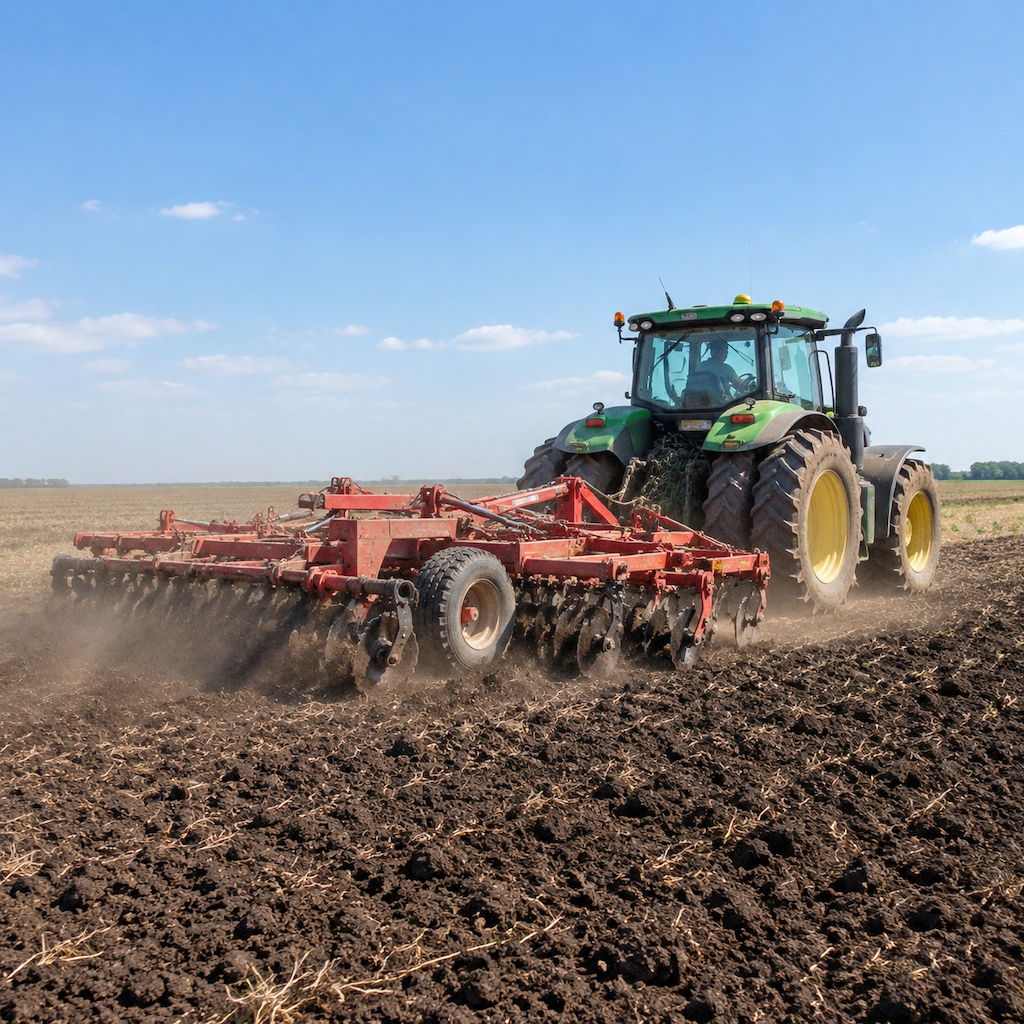
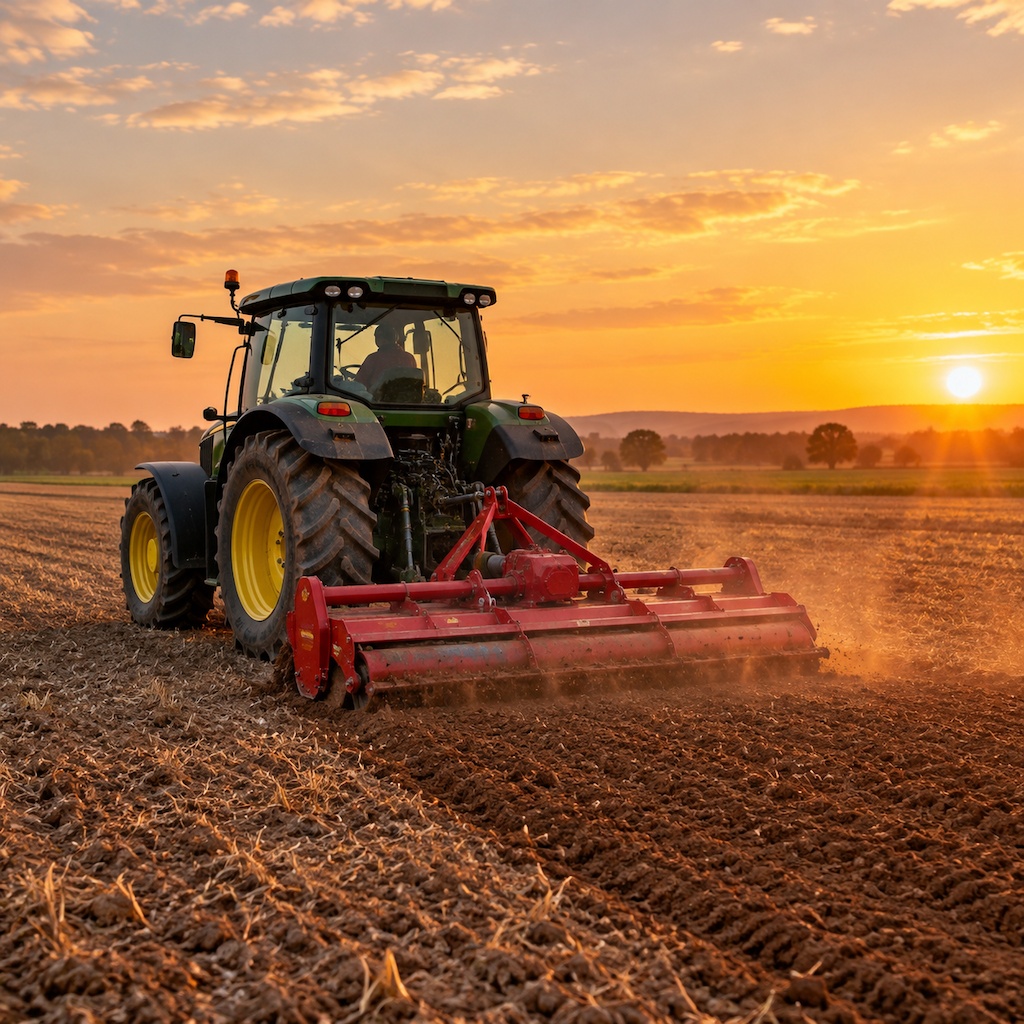
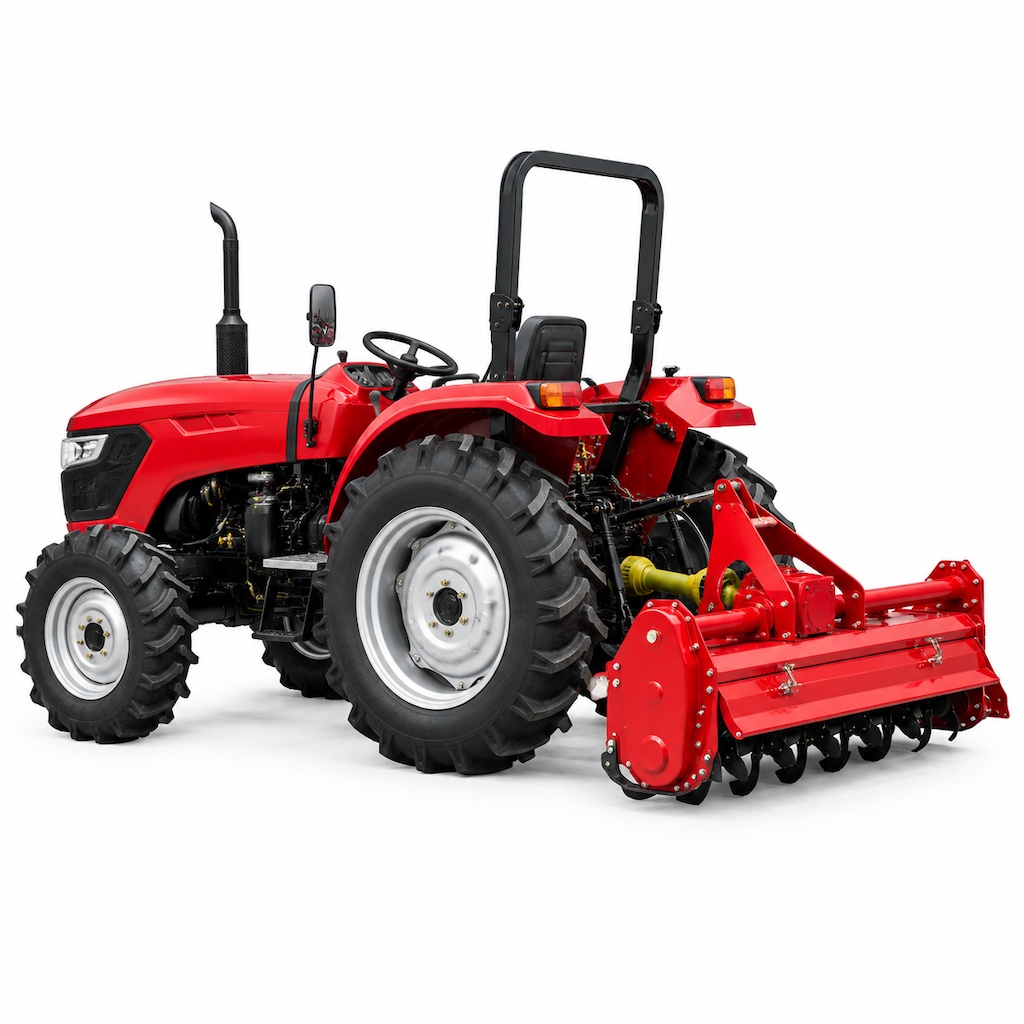
Tillage tractors are essential agricultural machinery designed specifically for soil preparation, facilitating processes such as tilling, plowing, and cultivating. Selecting the right tillage tractor involves understanding various factors, including the specific needs of your farm, the type of crops you grow, and the terrain in which you operate. This article aims to guide you through the decision-making process, addressing common concerns such as specifications, potential issues, and best practices for maximizing your investment in tillage tractors.

What to Consider

What to Consider

When selecting a tillage tractor, there are several key factors to consider:

Power and Performance: Assess the horsepower required based on your soil type and farming practices. A tractor with insufficient power can lead to decreased efficiency and increased wear on both the tractor and implements.

Size and Weight: The physical dimensions and weight of the tractor impact its performance in various terrains. Heavier tractors provide better traction but may cause soil compaction, while lighter models are easier to maneuver but might struggle in tougher conditions.

Fuel Efficiency: Fuel consumption is an ongoing expense for tractor operations. Look for models that offer better fuel efficiency without sacrificing power.

Ease of Maintenance: Consider the design of the tractor in terms of accessibility to parts that require regular maintenance. Models that are easier to service can reduce downtime and maintenance costs.

Technology Features: Modern tillage tractors may come equipped with advanced technology such as GPS guidance systems, which enhance precision and reduce input costs. Evaluate the benefits of these technologies against your operational needs.

Brand Reputation and Support: Research the manufacturer’s reputation for reliability and the availability of parts and service support. A trustworthy brand can significantly impact your operational efficiency.

Common Problems with Tillage Tractors and Effective Solutions

Common Problems with Tillage Tractors and Effective Solutions

Despite their robust design, tillage tractors can experience several common issues, including:

Overheating: This can occur due to clogged radiators or low coolant levels. Regular maintenance checks and cleaning can prevent overheating, ensuring optimal performance during critical tasks.

Transmission Failures: Tractors often face transmission issues if they are overloaded or not used within their designed specifications. It is crucial to adhere to the manufacturer's load guidelines and conduct regular inspections.

Implement Compatibility Issues: Mismatches between the tractor and tillage equipment can lead to inefficiencies or equipment damage. Always verify compatibility and functionality before use.

Electrical Failures: Electrical systems can fail, particularly in older models. Regular checks of the battery, wiring, and connectors can help minimize these issues.

To mitigate these problems, establish a proactive maintenance schedule and train operators on the correct use of the tillage tractor and its implements. Additionally, consider investing in quality processing machines to complement your tillage operations.

Best Practices

Best Practices

Implementing best practices for tillage tractor operation can enhance efficiency and prolong the lifespan of your equipment:

Regular Maintenance: Adhere to the manufacturer’s maintenance schedule, which includes oil changes, filter replacements, and inspections of critical components.

Operator Training: Ensure that all operators are adequately trained in the use of the tractor and its implements to prevent misuse and accidents.

Soil Management: Practice good soil management techniques, such as crop rotation and cover cropping, to enhance soil health and reduce the stress on tillage equipment.

Record Keeping: Maintain detailed records of tractor performance, maintenance, and repairs. This data can help identify trends and inform future purchasing decisions.

Seasonal Preparation: Before the farming season, conduct a thorough inspection of the tillage tractor and implements. Address any repairs or maintenance issues to ensure readiness for peak operational times.

Applications of Tillage Tractors in Modern Farming Techniques

Tillage tractors play a pivotal role in modern agriculture, supporting various techniques that enhance productivity and sustainability. Key applications include:

Conventional Tillage: This method involves turning over the soil to prepare for planting. Tillage tractors equipped with plows and harrows are essential for this process, breaking up compacted soil and incorporating organic matter.

Conservation Tillage: To minimize soil disturbance and maintain moisture, tillage tractors can be used in conservation tillage practices. This method reduces erosion and improves soil health while still allowing for effective seedbed preparation.

Precision Agriculture: Equipped with GPS and various sensors, tillage tractors can perform precise tillage operations that optimize input use and enhance crop yields. This technology allows for tailored soil preparation based on specific field conditions.

Cover Crop Management: Tillage tractors are also utilized in the management of cover crops, preparing the land for subsequent crops while enhancing soil fertility and structure. Irrigation systems can also play a crucial role in this process, ensuring that the soil remains healthy for optimal crop production.

Understanding the diverse applications of tillage tractors can help buyers make informed decisions about their purchases, ensuring that the machinery meets both current and future agricultural needs.

By considering these factors and insights when selecting a tillage tractor, buyers can make informed decisions that enhance their farming operations and ensure optimal performance and productivity.

How to Choose the Right Tillage Tractor for Your Agricultural Needs

Choosing the appropriate tillage tractor involves several considerations. Firstly, assess the size of your farm and the specific agricultural tasks you need to perform. Tillage tractors come in various horsepower ratings, typically ranging from 30 HP for smaller operations to over 300 HP for large-scale farming. Higher horsepower units can handle larger implements and tougher soil conditions, while smaller tractors are more maneuverable and suited for smaller fields.

Next, consider the type of tillage required. For instance, if you are primarily working with heavy clay soils, a tractor with a higher weight and power will be necessary to penetrate the ground effectively. Additionally, evaluate the implements you plan to use with the tractor, such as plows, harrows, or seeders & transplanters, as compatibility is crucial for operational efficiency.

Lastly, take into account your budget and the total cost of ownership, which includes not only the purchase price but also maintenance, fuel consumption, and potential resale value. Understanding the lifecycle costs can provide insight into the best long-term investment for your agricultural needs.

Frequently Asked Questions

What types of tillage tractor models are available?

We offer a range of tillage tractors suited for light to heavy-duty soil preparation, with various horsepower options and implement compatibilities to match small farms to large plantations.
Yes. Our tractors are manufactured under CE and ISO 9001 standards to ensure consistent quality, safety, and traceability throughout the lifecycle.
Yes. We provide tailored configurations—tire types, PTO settings, hitch options, and implement compatibility—based on soil type, crop, and farm size.
We supply lifecycle-based support including maintenance guidance, remote assistance, and access to spare parts to minimize downtime and extend equipment life.
Yes. We support farms across 40 countries with export logistics and can coordinate local service partners to ensure installation and ongoing support.

Get a Free Quote

Our representative will contact you soon.
0/1000