Choosing the Right Tillage Equipment for Your Needs

application/field-tillage, application/field-tillage, 
Inquiry
Inquiry

field tillage

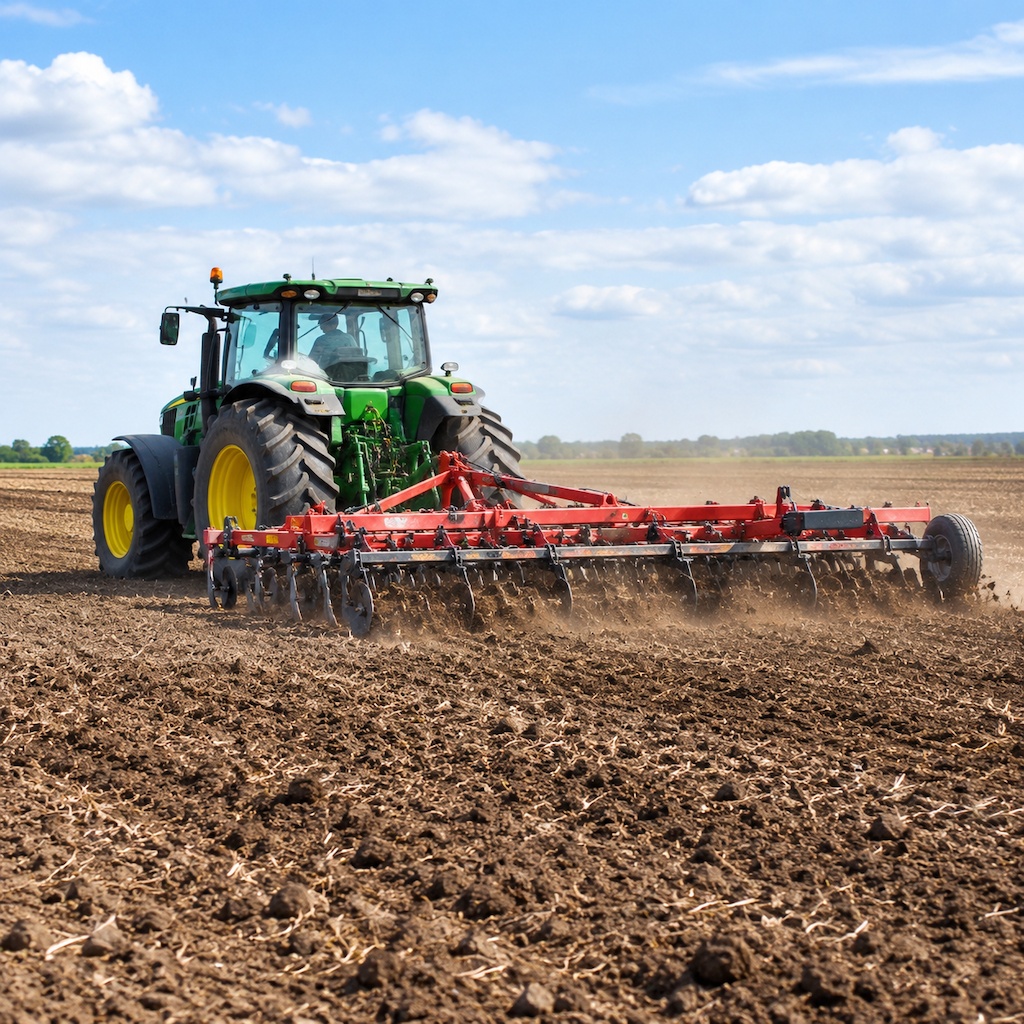
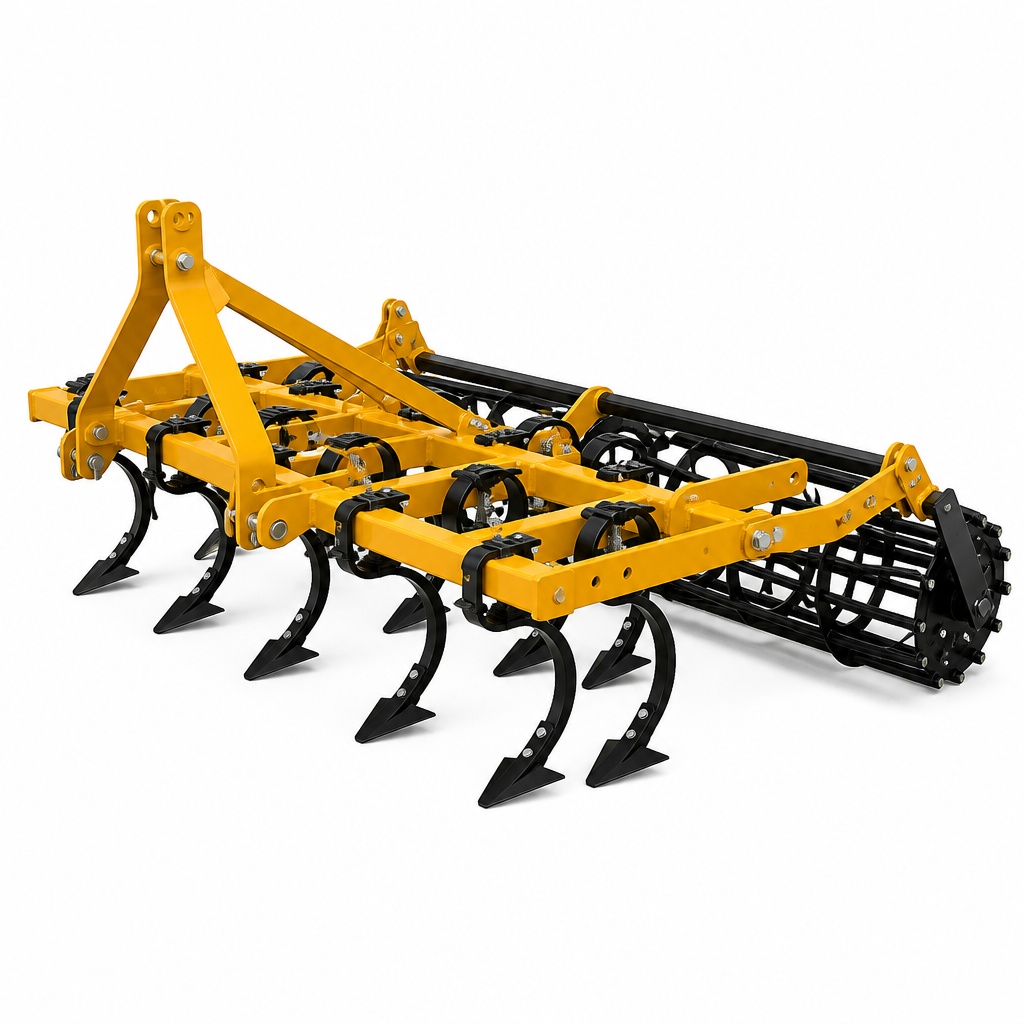
Tillage equipment plays a crucial role in preparing soil for agricultural activities, ensuring optimal conditions for crop growth. As a B2B buyer, understanding the various types of tillage machinery, their specifications, and purchasing considerations is essential for making informed decisions. This article will guide you through the key aspects of selecting the right tillage equipment, addressing common concerns such as performance, durability, and cost-effectiveness.

Key Specifications to Evaluate in Tillage Machinery

Key Specifications to Evaluate in Tillage Machinery

When evaluating tillage machinery, several key specifications should be taken into account to ensure optimal performance and suitability for your needs:

Working Width: This refers to the width of the tillage implement. A wider working width can cover more ground in less time, increasing efficiency. However, make sure it is compatible with your tractor's power and size.

Weight and Stability: Heavier equipment tends to penetrate the soil better but requires a tractor with sufficient power and stability. Conversely, lighter equipment may be easier to maneuver but could struggle with deeper tillage.

Build Material: The materials used in construction affect durability and maintenance. High-quality steel components can withstand wear and tear, while corrosion-resistant coatings can prolong the lifespan of the machinery.

Adjustability: Look for equipment that offers adjustable settings for depth and angle, allowing you to tailor the tillage process to various soil conditions and crop requirements.

Power Requirements: Ensure that the power requirements of the tillage machinery align with your existing tractor capabilities. This includes considering horsepower and hydraulic needs if applicable.

Understanding these specifications will help you make an informed decision, ensuring that the equipment performs effectively in your unique agricultural environment.

Wholesale Purchasing Options for High-Quality Tillage Solutions

Wholesale Purchasing Options for High-Quality Tillage Solutions

When sourcing tillage equipment, consider wholesale purchasing options that can provide both quality and cost savings. Here are a few strategies to explore:

Direct from Manufacturers: Purchasing directly from manufacturers like Agripros allows you to engage with the source of the equipment, ensuring quality and potentially lower prices. Manufacturers often offer customization options tailored to your specific needs.

Bulk Orders: If you're operating on a larger scale, consider placing bulk orders. Many manufacturers offer discounts for larger quantities, which can significantly reduce your overall costs. For instance, buying a Diesel Multicrop Grain Thresher in bulk could be beneficial.

Regional Distributors: Partnering with regional distributors can facilitate access to a variety of tillage equipment options. These distributors often have local knowledge and can provide support and service tailored to your area.

Trade Shows and Expos: Attending agricultural trade shows can provide opportunities to see equipment in action, compare products, and negotiate directly with suppliers for better pricing and terms.

By leveraging these wholesale purchasing options, you can secure high-quality tillage solutions while optimizing your budget.

Common Installation Challenges with Tillage Machinery and Solutions

Common Installation Challenges with Tillage Machinery and Solutions

Installing tillage machinery can present challenges that, if not addressed, may affect performance and efficiency. Here are some common installation issues and their solutions:

Compatibility with Tractors: Ensure that the tillage equipment is compatible with your existing tractors. Mismatches in power or attachment methods can lead to operational inefficiencies. Always verify specifications before purchasing.

Space Constraints: Limited workspace can complicate the installation process. Plan the installation area in advance, ensuring adequate space for maneuvering the equipment and safe operation.

Calibration: Proper calibration of the machinery is crucial for achieving the desired tillage depth and quality. Follow the manufacturer’s guidelines for calibration to avoid issues during operation.

Training: Ensure that operators are trained to use the equipment properly. Lack of knowledge can lead to misuse and potential damage to both the machinery and soil.

By proactively addressing these challenges, you can facilitate a smoother installation process and enhance the performance of your tillage equipment.

Cost Factors to Consider When Buying Tillage Equipment

Understanding the cost factors associated with tillage equipment is vital for effective budgeting. Here are some key aspects to consider:

Initial Purchase Price: The upfront cost of tillage machinery can vary significantly based on brand, features, and specifications. Ensure you compare various models to find the best fit for your needs and budget.

Operating Costs: Consider ongoing operating costs such as fuel consumption, maintenance, and repairs. Equipment that is more efficient may have a higher initial cost but could save money in the long run.

Financing Options: Explore financing options, including leasing and loans, which can spread out the financial burden. Many manufacturers and dealers offer tailored financing solutions for B2B buyers.

Resale Value: Consider the potential resale value of the equipment. High-quality, well-maintained machinery often retains value better than lower-quality alternatives.

Warranty and Support: Evaluate warranty terms and the availability of support services. A strong warranty can mitigate risk and provide peace of mind regarding long-term investments.

By understanding these cost factors, you can make a more informed purchasing decision that aligns with your financial strategy and operational needs.

How to Choose the Right Tillage Equipment for Your Needs

Selecting the appropriate tillage equipment involves evaluating your specific agricultural needs, the type of crops you plan to cultivate, and the conditions of your soil. Start by assessing the following factors:

Soil Type: Different tillage methods are suited for various soil types. For instance, heavy clay soils might require equipment that penetrates deeply, while sandy soils may benefit from lighter tillage machinery.

Crop Requirements: Different crops have distinct tillage needs. Row crops like corn and soybeans may require different tillage practices compared to root vegetables. Understanding these requirements will guide you in selecting the right machinery.

Tillage Methods: Familiarize yourself with various tillage methods such as conventional, reduced, or no-till practices. Each method has its pros and cons, affecting soil structure, moisture retention, and weed control.

Equipment Size: The size of the machinery should match your operational scale. Larger farms may benefit from high-capacity tillage solutions, such as the 8-25HP Diesel Walk Behind Tractor, while smaller farms might prioritize compact, versatile equipment.

By considering these factors, you can ensure that the tillage equipment you choose aligns with your agricultural goals and operational capabilities.

Frequently Asked Questions

What types of field tillage equipment are available?

Agripros supplies a range of tillage implements including ploughs, cultivators, harrows and rotary tillers, designed for different soil types and farm sizes with CE/ISO 9001 certified quality.
Yes. Agripros offers tailored tillage solutions based on field size, soil conditions and crop types, providing lifecycle-based recommendations and configurable equipment options.
Our field tillage machinery meets CE and ISO 9001 standards, ensuring manufacturing quality, safety compliance and consistent performance across operations.
Yes. We offer installation guidance, operator training, spare parts supply and ongoing after-sales service to maximize equipment uptime and lifecycle performance.
Contact Agripros with details on soil type, field size and crops. We will recommend suitable implements, settings and maintenance plans to optimize soil preparation and yield potential.

Get a Free Quote

Our representative will contact you soon.
0/1000