Walking Tractor Trailer Specifications and Sourcing Guide

application/walking-tractor-trailer, application/walking-tractor-trailer, 
Inquiry
Inquiry

walking tractor trailer

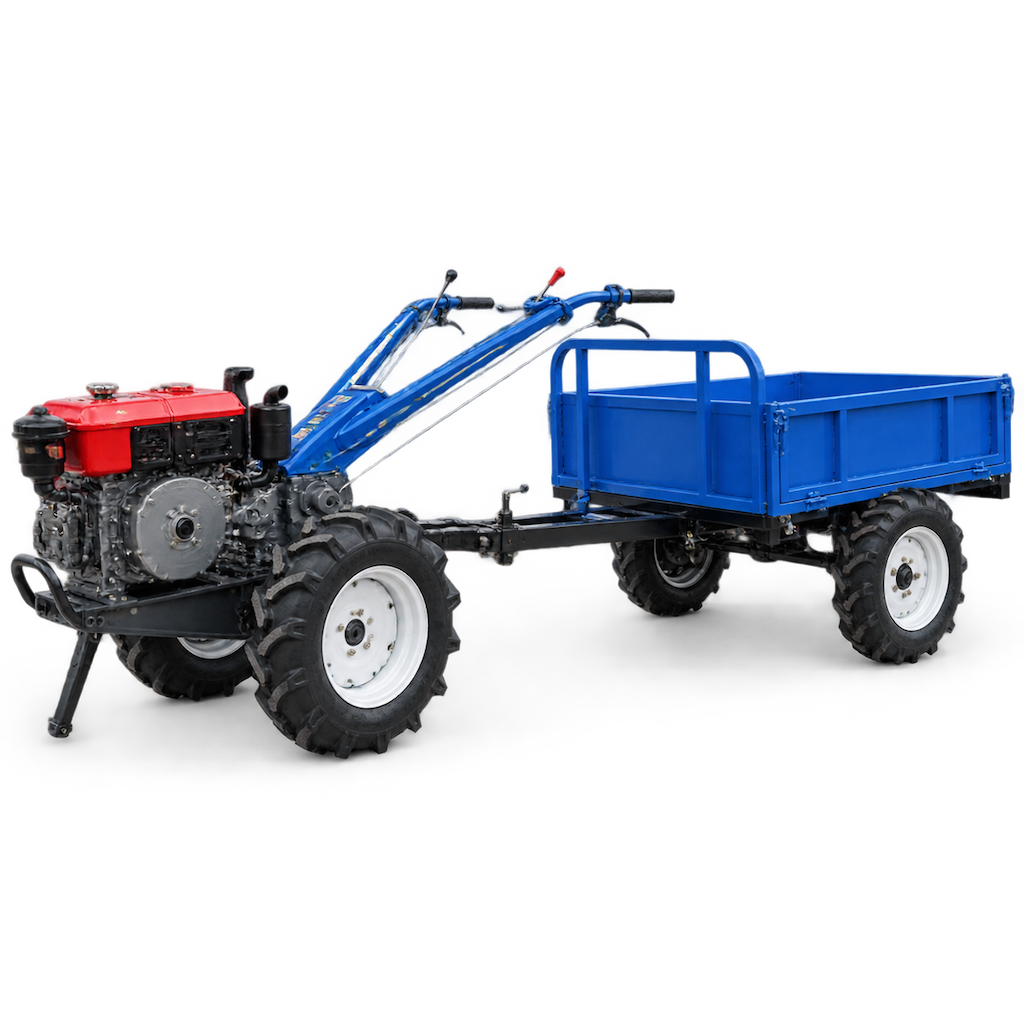
Walking tractor trailers are essential attachments designed to enhance the functionality and versatility of walking tractors, primarily used in agricultural settings. For B2B buyers, including purchasing managers and distributors, understanding the specifications, applications, and sourcing strategies for walking tractor trailers is crucial. This article will guide you through the key considerations in selecting the right walking tractor trailer, ensuring it meets your operational needs and quality standards.

How to Choose the Right Walking Tractor Trailer for Your Projects

How to Choose the Right Walking Tractor Trailer for Your Projects

Selecting the right walking tractor trailer involves assessing your specific needs and operational environment.

Assessing Application Needs: Consider the types of tasks the trailer will be used for. For instance, if you intend to transport soil, seeds, or harvested crops, a trailer with a larger load capacity and durable flooring may be necessary.

Evaluating Terrain: The terrain where the trailer will be used can significantly influence your choice. For rough or uneven land, a trailer with larger wheels and enhanced suspension will provide better stability and ease of transport.

Customization Options: Many manufacturers offer customization options for walking tractor trailers. Features such as detachable sides, adjustable height, and specialized storage compartments can enhance functionality. Discuss these options with suppliers to tailor the trailer to your specific requirements.

Budget Considerations: Evaluate your budget not only for the purchase price but also for long-term maintenance and repair costs. Cheaper models may save money upfront but could incur higher costs over time due to durability issues.

By carefully considering these factors, buyers can choose a walking tractor trailer that effectively meets their project demands. Furthermore, understanding how these trailers can work alongside Irrigation Systems can be beneficial in optimizing agricultural productivity.

Key Factors When Sourcing Walking Tractor Trailers

Key Factors When Sourcing Walking Tractor Trailers

Sourcing walking tractor trailers requires a strategic approach to ensure quality and reliability. Here are some key factors to consider:

Supplier Reputation: Research potential suppliers thoroughly. Look for manufacturers with a solid reputation in the industry, positive customer reviews, and certifications such as CE and ISO 9001. These certifications indicate compliance with international quality and safety standards.

Production Capabilities: Assess the manufacturer’s production capabilities. A supplier with advanced production equipment and technology is more likely to produce high-quality trailers that meet precise specifications.

Quality Control Processes: Inquire about the quality control measures implemented during production. A robust quality assurance process, including material inspections and performance testing, is essential for ensuring that the trailers meet the required standards.

Lead Times and Delivery: Understand the lead times associated with your order. Factors such as customization and production capacity can affect delivery schedules. Clear communication regarding timelines is crucial to avoid operational delays.

Minimum Order Quantities (MOQ): Clarify the MOQ with suppliers. Some manufacturers may have higher MOQs, which could affect your purchasing decision, especially if you are a smaller distributor or purchasing for a one-time project.

By focusing on these factors, buyers can ensure they select a trustworthy supplier that meets their needs.

Comparing Different Walking Tractor Trailer Models for Your Needs

Comparing Different Walking Tractor Trailer Models for Your Needs

When evaluating different models of walking tractor trailers, a systematic comparison can help identify the best fit for your operations. Consider the following aspects:

Specifications Comparison: Create a comparison chart that outlines the specifications of various models, including load capacity, dimensions, materials, and special features. This visual aid can help clarify the differences and assist in decision-making.

Performance Reviews: Look for performance reviews and case studies from other users. Real-world experiences can provide insights into how well different models perform under varying conditions.

Warranty and Support: Check the warranty offered by the manufacturer for each model. A comprehensive warranty indicates the manufacturer’s confidence in their product and can provide peace of mind regarding future repairs or replacements.

Cost Efficiency: Analyze the total cost of ownership for each model, including purchase price, maintenance costs, and expected lifespan. Models with a higher initial cost may offer better durability and lower long-term costs.

After-Sales Support: Evaluate the manufacturer's after-sales support, including availability of spare parts and customer service responsiveness. Reliable support can make a significant difference in maintaining operational efficiency.

By systematically comparing models, buyers can make better-informed decisions aligned with their operational goals.

Where to Find Trusted Suppliers of Walking Tractor Trailers for Distributors

Finding trusted suppliers for walking tractor trailers is crucial for ensuring quality and reliability. Here are effective strategies:

Industry Trade Shows and Expos: Attending agricultural machinery trade shows provides opportunities to meet manufacturers and distributors, view products firsthand, and discuss specifications directly with representatives.

Online Marketplaces and Directories: Utilize online platforms that specialize in agricultural equipment. Directories often provide detailed information about manufacturers, including customer reviews and product offerings.

Professional Networks: Leverage professional networks and industry associations. Engaging with peers can yield recommendations for reputable suppliers based on their experiences.

Supplier Audits: Before finalizing a supplier, consider conducting an audit or site visit to assess their production capabilities and quality control processes. This firsthand evaluation can build confidence in the supplier’s reliability.

Requesting Samples: Ask potential suppliers for product samples. Testing samples can provide insight into the quality and performance of the trailers before making a large purchase.

By following these strategies, distributors can identify trustworthy suppliers that align with their quality and operational standards.

In summary, understanding specifications, choosing appropriately, sourcing effectively, comparing models, and finding reliable suppliers are all crucial steps for B2B buyers when dealing with walking tractor trailers. Each of these steps ensures that the equipment purchased meets the needs of the operation, ultimately enhancing productivity and efficiency.

Understanding the Specifications of Walking Tractor Trailers for Wholesale Buyers

When considering walking tractor trailers, it is essential to examine their specifications closely. Key specifications often include load capacity, dimensions, material composition, and hitch compatibility.

Load Capacity: This is a critical specification; it indicates the maximum weight the trailer can safely carry. For agricultural operations, trailers typically range from 500 kg to 2000 kg. Choosing a trailer with insufficient load capacity can lead to operational failures and potential damage to the tractor.

Dimensions: The dimensions of the trailer, including its length, width, and height, affect compatibility with various walking tractors. Incorrect dimensions may hinder maneuverability, especially in confined spaces.

Material Composition: Walking tractor trailers are generally made from steel or high-strength alloys, providing durability and resistance to wear and tear. Some manufacturers may offer trailers with protective coatings to resist corrosion, which is particularly beneficial for operations in humid or chemically aggressive environments.

Hitch Compatibility: Ensure that the trailer's hitch design is compatible with your walking tractor. Most trailers use a standard hitch design, but variations exist. Confirming compatibility prevents operational disruptions.

Understanding these specifications will help wholesale buyers make informed decisions that align with their operational requirements. Additionally, considering the use of trailers in conjunction with Processing Machines can enhance efficiency in various agricultural tasks.

Frequently Asked Questions

What is a walking tractor trailer used for?

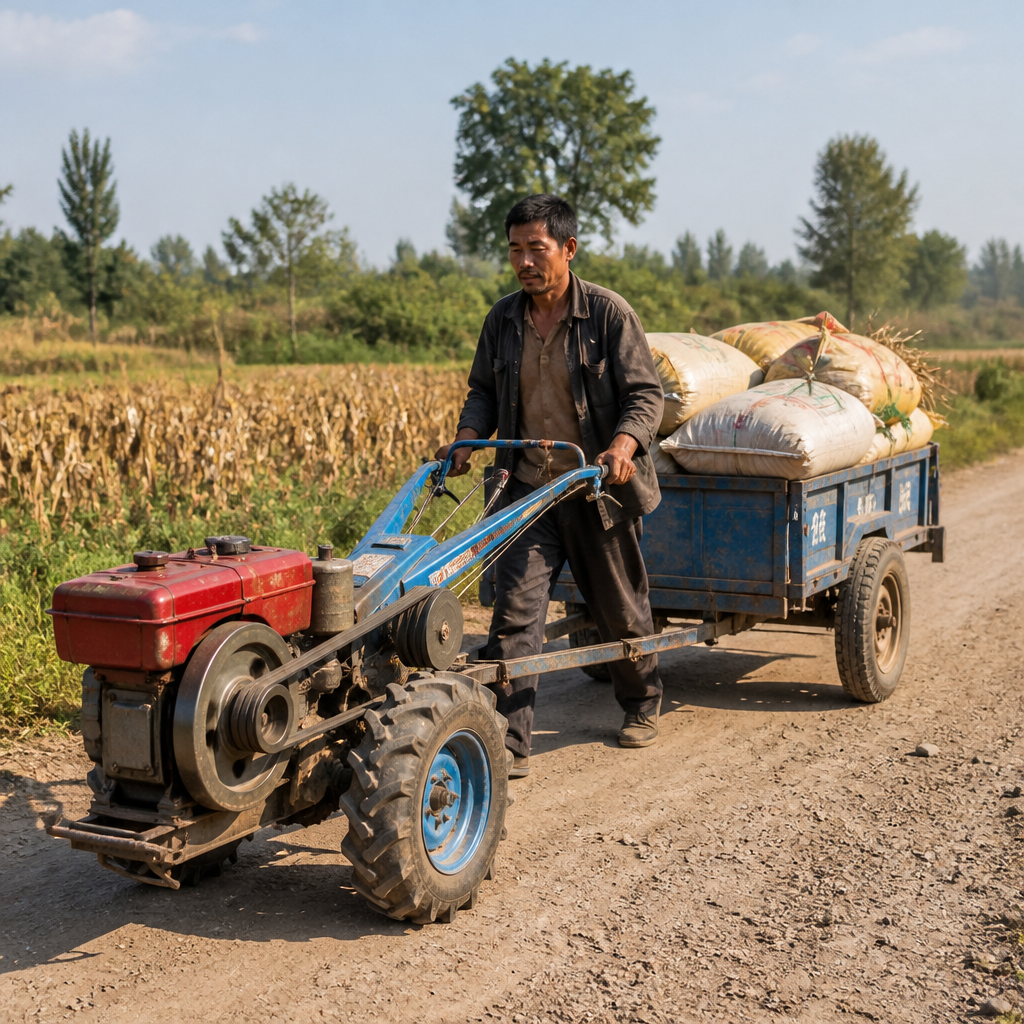
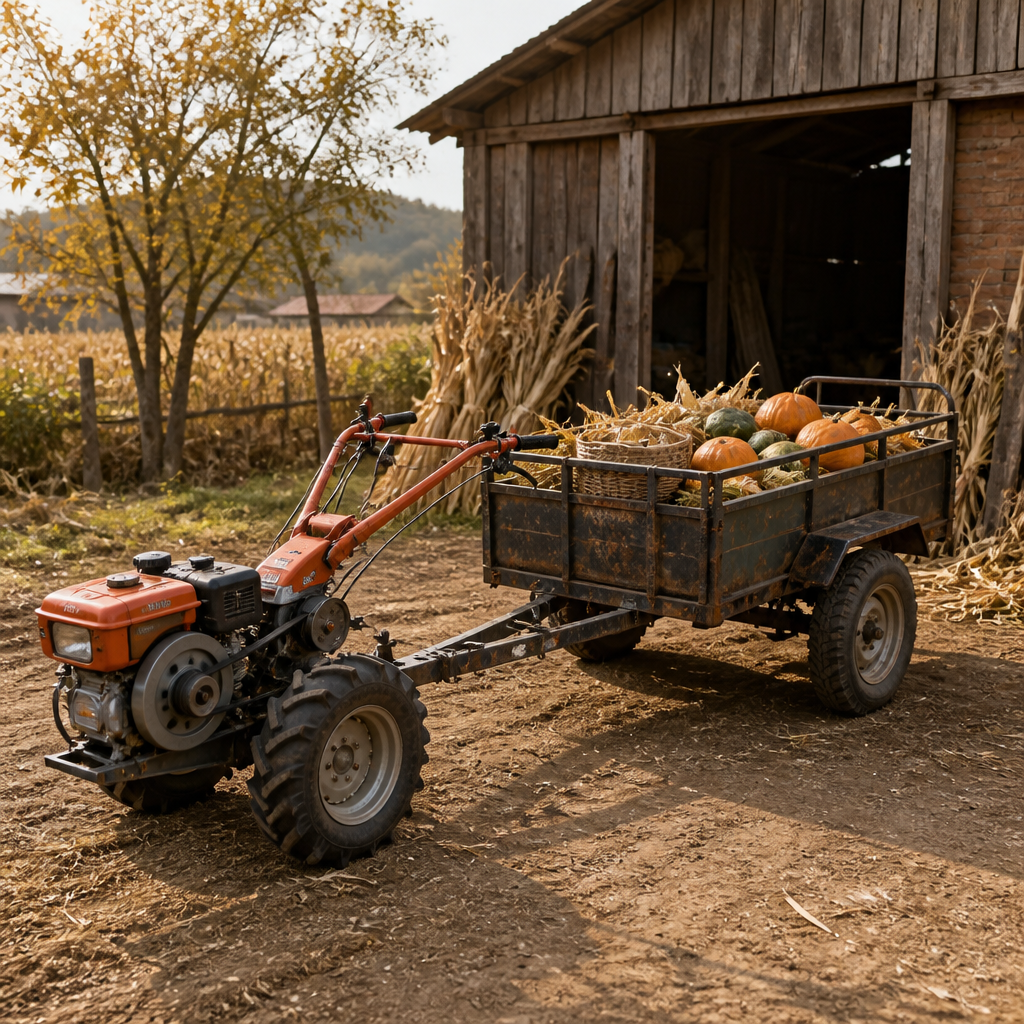
A walking tractor trailer attaches to a two-wheel tractor to transport crops, tools, fertilizer, and harvested produce across small farms, orchards, and plantations, improving material handling and field mobility.
Capacity varies by model; typical walking tractor trailers handle 500–1500 kg. Contact Agripros with your field needs for exact model specifications and matching to your tractor power.
Trailers are compatible with common two-wheel walking tractors featuring standard hitch interfaces. Agripros can confirm compatibility and offer adaptors or customized hitches based on tractor make and model.
Yes. Agripros designs trailers with reinforced frames, high-clearance axles, and heavy-duty tires to withstand uneven terrain, frequent loading, and long-term agricultural use.
Agripros products come with CE and ISO 9001-backed quality. We offer spare parts, technical guidance, and lifecycle support for installation, maintenance, and warranty service across supply regions.

Get a Free Quote

Our representative will contact you soon.
0/1000