Choosing the Right Walking Hand Tractor for Agriculture

application/walking-hand-tractor, application/walking-hand-tractor, 
Inquiry
Inquiry

walking hand tractor

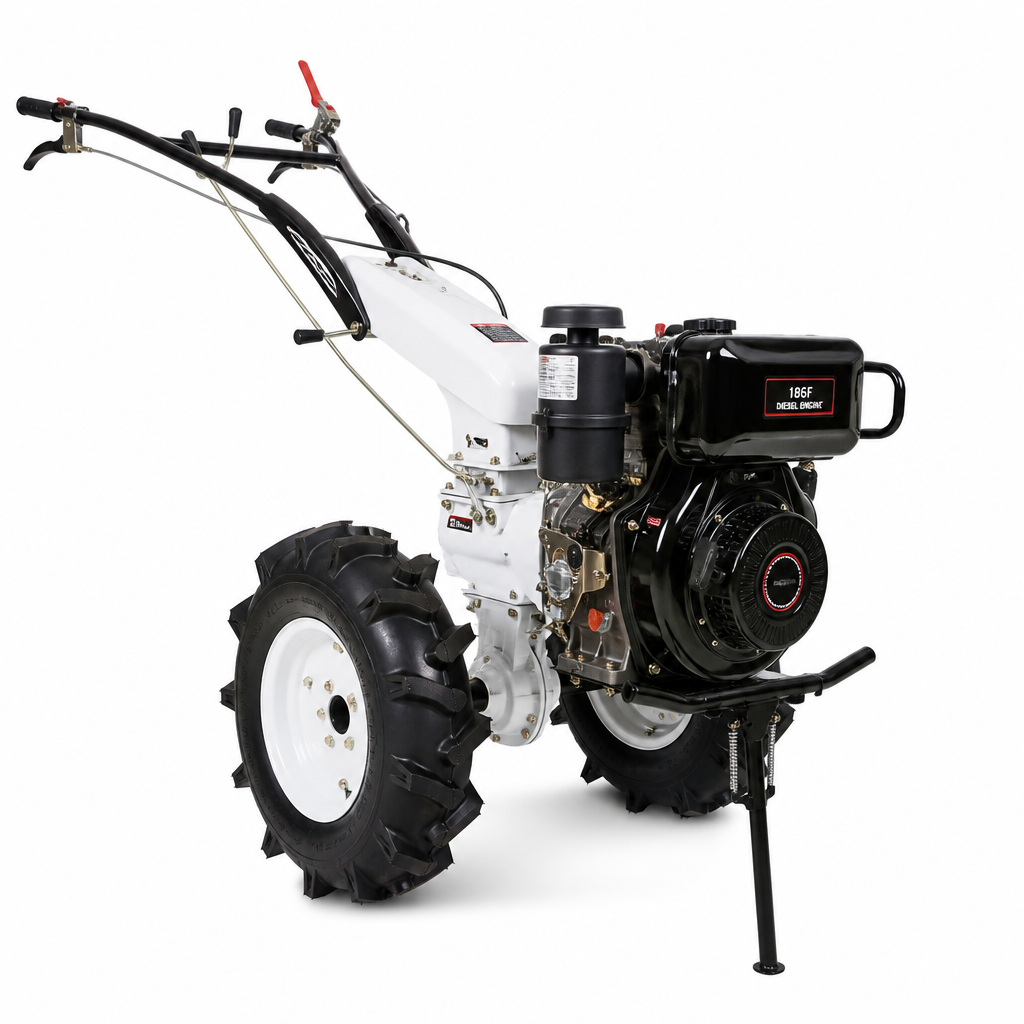
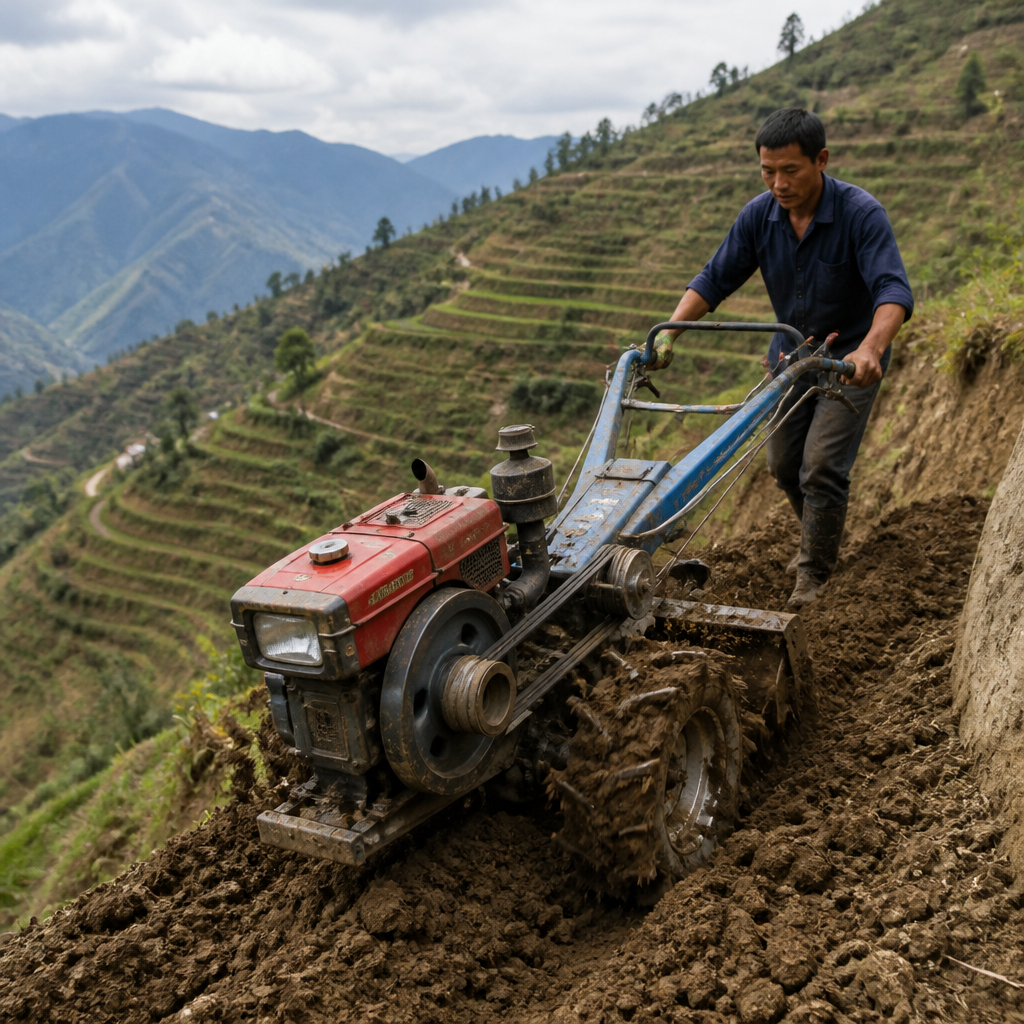
Walking hand tractors are versatile agricultural machines designed to assist with various farming tasks, such as tilling, seeding, and maintenance of small farms or gardens. For B2B buyers like purchasing managers and agricultural engineers, selecting the right walking hand tractor involves understanding their operational capabilities, specifications, and application suitability. This article aims to provide practical insights into choosing, sourcing, and addressing common issues with walking hand tractors, ensuring that you make informed decisions for your agricultural needs.

Sourcing Walking Hand Tractors for Your Business

Sourcing Walking Hand Tractors for Your Business

When sourcing walking hand tractors, it is essential to evaluate potential suppliers based on their manufacturing capabilities, certifications, and product offerings. Look for suppliers with CE and ISO 9001 certifications, as these indicate adherence to quality and safety standards. Agripros, for example, has a proven track record of supplying high-quality agricultural machinery across 40 countries, ensuring that they understand diverse market needs and have the necessary experience to meet your requirements.

Before finalizing your supplier, request detailed specifications and technical data sheets for the tractors you are considering. This information should include dimensions, weight, engine specifications, and available attachments. Understanding these details will enable you to compare products effectively and choose the best model for your specific agricultural applications. Consider also the advantages of using specialized Processing Machines that can complement your tractor's functionality.

Additionally, consider the supplier's lead time and minimum order quantity (MOQ). A reliable supplier will provide clear timelines for delivery and be willing to accommodate your order size, whether you need a single unit or a bulk order for a larger operation. Establishing a solid relationship with your supplier can lead to better pricing, customization options, and ongoing support.

Common Problems with Walking Hand Tractors and Their Solutions

Common Problems with Walking Hand Tractors and Their Solutions

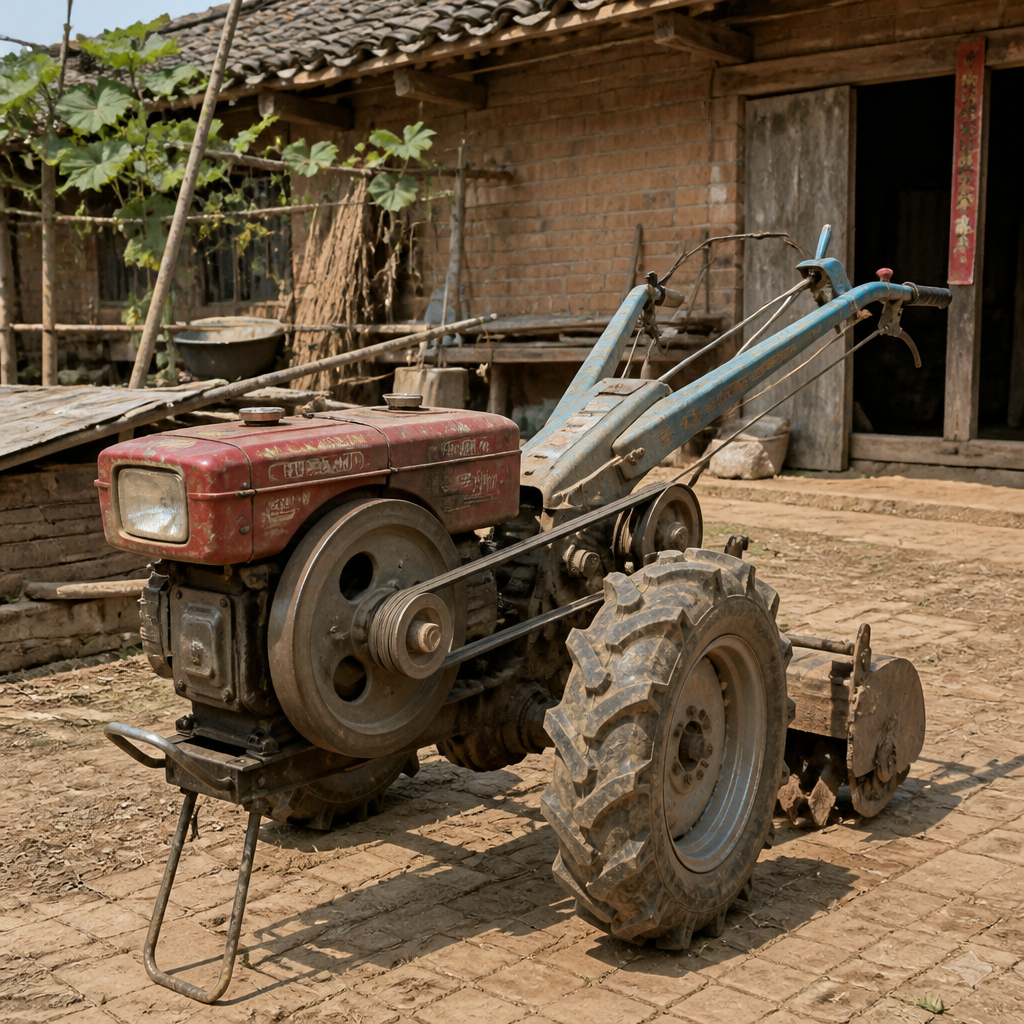
Walking hand tractors, like any machinery, can encounter operational issues that may hinder their performance. Common problems include engine starting issues, overheating, and wear on components such as belts and chains.

For engine starting problems, ensure that the fuel supply is adequate and that the battery is charged. Regular maintenance, including checking spark plugs and air filters, can prevent these issues. Overheating can often be attributed to blocked air vents or low coolant levels, so regular checks and cleaning are essential.

Wear and tear are inevitable, particularly with parts that endure heavy use. Establish a routine maintenance schedule to inspect critical components, and keep a list of replacement parts ready to minimize downtime. If you notice any unusual noises or performance drops, do not hesitate to consult with your supplier for troubleshooting assistance or repairs.

What You Need to Know

What You Need to Know

Before purchasing a walking hand tractor, buyers should be aware of several important factors. First, confirm the compatibility of the tractor with any existing equipment or attachments you may already own. This is essential for ensuring seamless operation and maximizing productivity.

Next, verify the warranty and after-sales support offered by the supplier. A solid warranty can provide peace of mind and protect your investment, while responsive after-sales support is crucial for addressing any operational concerns that may arise post-purchase.

Finally, consider the total cost of ownership, which includes not just the initial purchase price but also maintenance costs, fuel consumption, and potential downtime. Understanding these factors will help you make a more informed decision that aligns with your operational budget and long-term goals.

Exploring the Applications of Walking Hand Tractors in Various Industries

Walking hand tractors are not limited to traditional farming applications; their versatility allows them to be utilized in various industries. In horticulture, for instance, these tractors can assist in planting and maintaining flower beds, orchards, and vegetable gardens. Their compact nature enables easy maneuverability in narrow spaces, making them ideal for urban farming initiatives.

In landscaping, walking hand tractors can be used for soil preparation, planting, and maintenance of green spaces, parks, and recreational areas. Their ability to handle different attachments, such as seeders and tillers, enhances their utility for landscape professionals.

Additionally, walking hand tractors can play a role in sustainable agriculture practices by enabling small-scale farmers to implement efficient tillage methods that minimize soil disturbance. This can lead to healthier soil structures and improved crop yields, aligning with modern agricultural sustainability goals.

In summary, whether you are a purchasing manager looking to equip your farm or an engineer seeking efficient agricultural solutions, understanding the intricacies of walking hand tractors will empower you to make informed decisions that enhance productivity and operational efficiency.

Choosing the Right Walking Hand Tractor for Your Agricultural Needs

Selecting the right walking hand tractor depends on several key factors, including the size of your farm, the types of crops you're cultivating, and the specific tasks you'll be performing. When assessing different models, consider the tractor's power output, typically measured in horsepower (HP), as this will affect its performance on various terrains and soil conditions.

Another important specification is the tractor's weight and design. A heavier tractor may provide better stability and traction in challenging conditions, while a lighter design can be more maneuverable in tight spaces. Additionally, check the tilling width and depth capabilities; a wider tilling width allows for more efficient coverage, while adjustable depth settings give you flexibility depending on crop requirements.

The engine type—whether gasoline or diesel—also plays a crucial role in operational efficiency and maintenance. Diesel engines tend to offer better fuel efficiency and torque, making them a preferable choice for larger farms or heavy-duty tasks. Finally, consider additional features such as attachments for seeding, plowing, or transporting materials, as these can enhance the tractor's versatility and overall value. For example, attachments like Seeders & Transplanters can significantly improve your farming efficiency.

Frequently Asked Questions

What is a walking hand tractor used for?

A walking hand tractor is a versatile two-wheel machine for tillage, seeding, cultivation, and hauling small implements on farms and plantations.
Models typically offer diesel or petrol engines ranging from about 6 to 16 horsepower to match light to medium agricultural tasks.
It supports common attachments for plows, seeders, trailers, rotary tillers, and pumps; confirm shaft type and mounting dimensions before ordering.
Yes. Our equipment carries CE and ISO 9001 certifications and includes a manufacturer warranty with after-sales support and spare parts supply.
Contact Agripros with your model and needs. We offer lifecycle-based solutions, spare parts, and customization for regional conditions across supported countries.

Get a Free Quote

Our representative will contact you soon.
0/1000