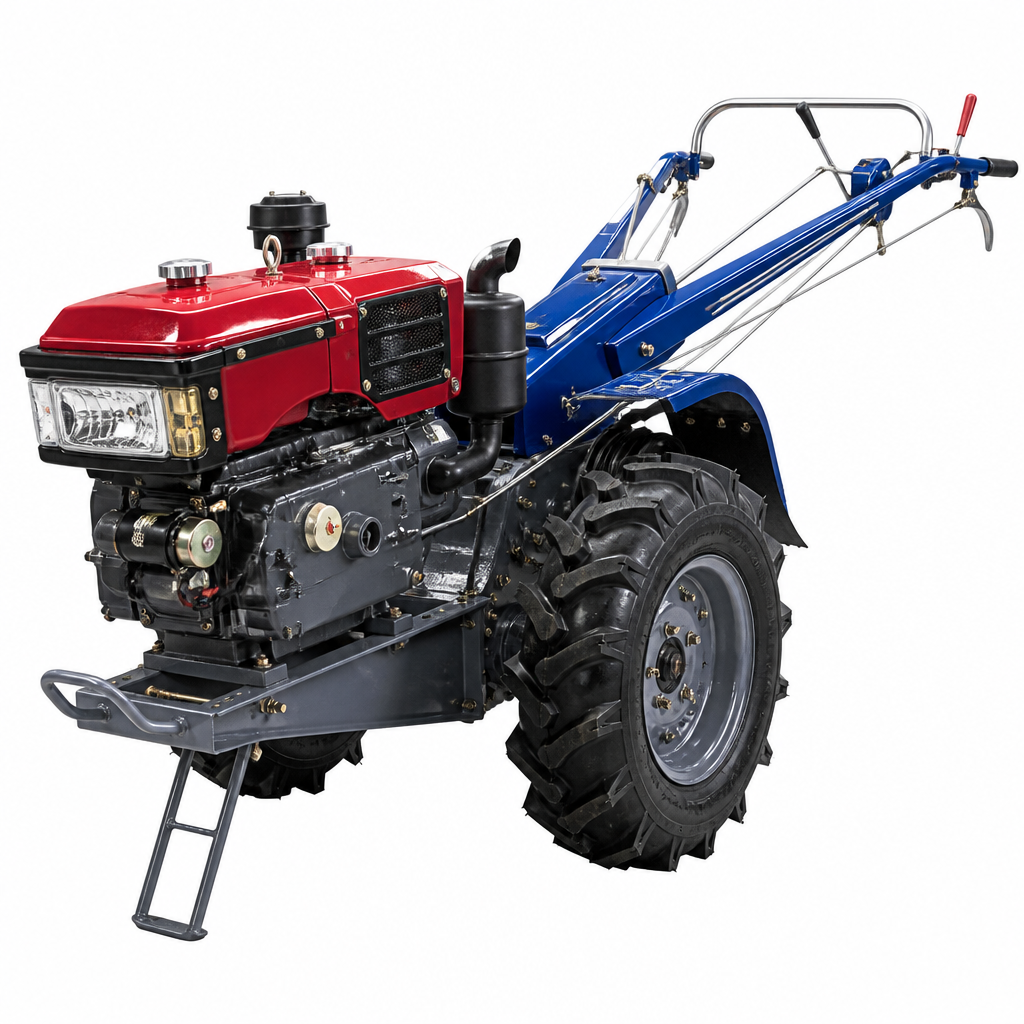
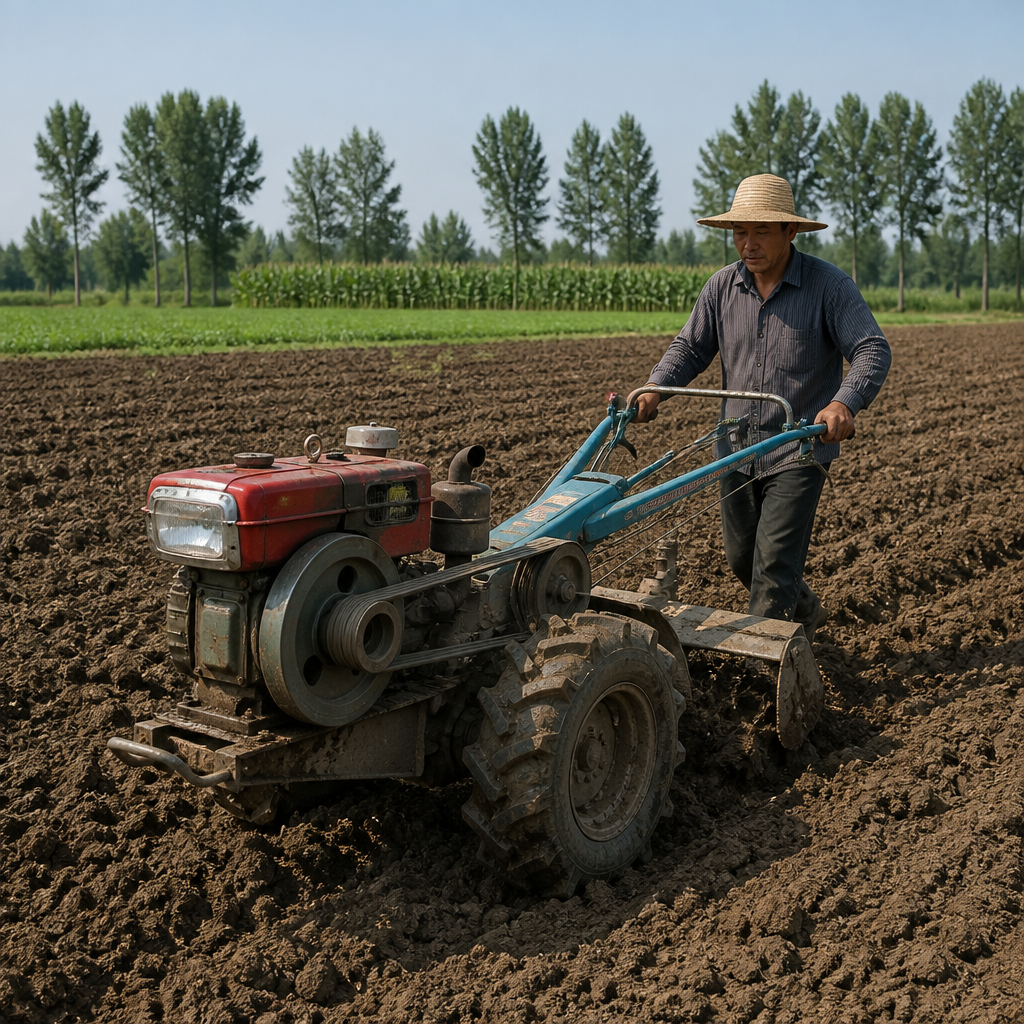
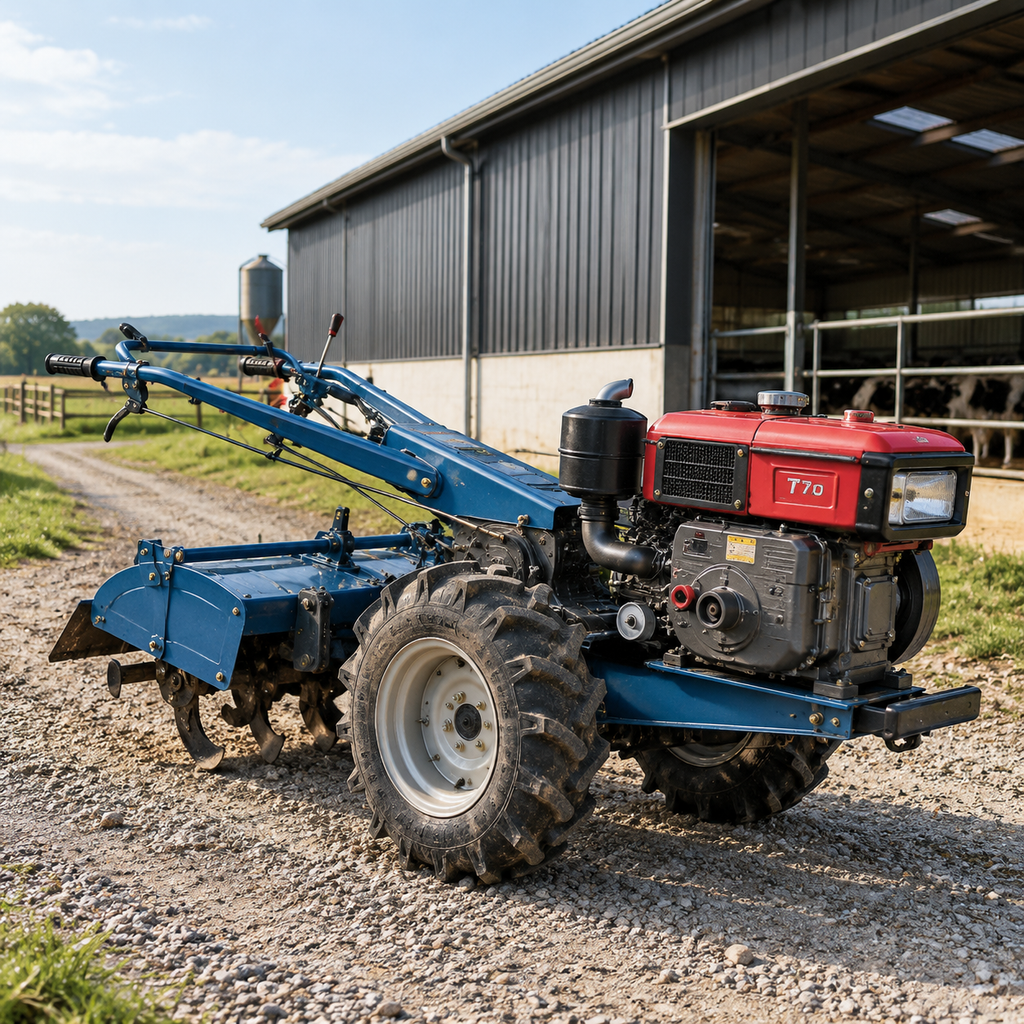
Key Specifications to Evaluate in Walking Type Tractors
When assessing walking type tractors, several key specifications should be prioritized to ensure that the machine meets operational needs.
Engine Power: The engine size, typically measured in horsepower (HP), plays a critical role in determining the tractor's ability to perform various tasks. A higher horsepower may be necessary for heavier tasks such as deep tilling, while lower power may suffice for lighter operations.
Weight and Size: The weight of the tractor influences its stability and maneuverability in different field conditions. A compact size is often preferable for navigating tight spaces, while heavier models may provide better traction on uneven terrain.
Gear System: The gear system, including the number of gears and type (manual vs. automatic), affects how the tractor operates under varying load conditions. A versatile gear system can enhance the machine's performance across different applications.
Attachment Compatibility: Evaluating the tractor's compatibility with various attachments, such as seeders, tillers, and cultivators, is essential for maximizing its utility and ensuring it meets the specific demands of your farming operations.
Durability and Materials: The materials used in the construction of the tractor impact its longevity and maintenance requirements. High-quality steel components and robust design can reduce downtime and repair costs.
By focusing on these specifications, buyers can ensure they select a walking type tractor that meets their operational needs and provides long-term value.
 EN