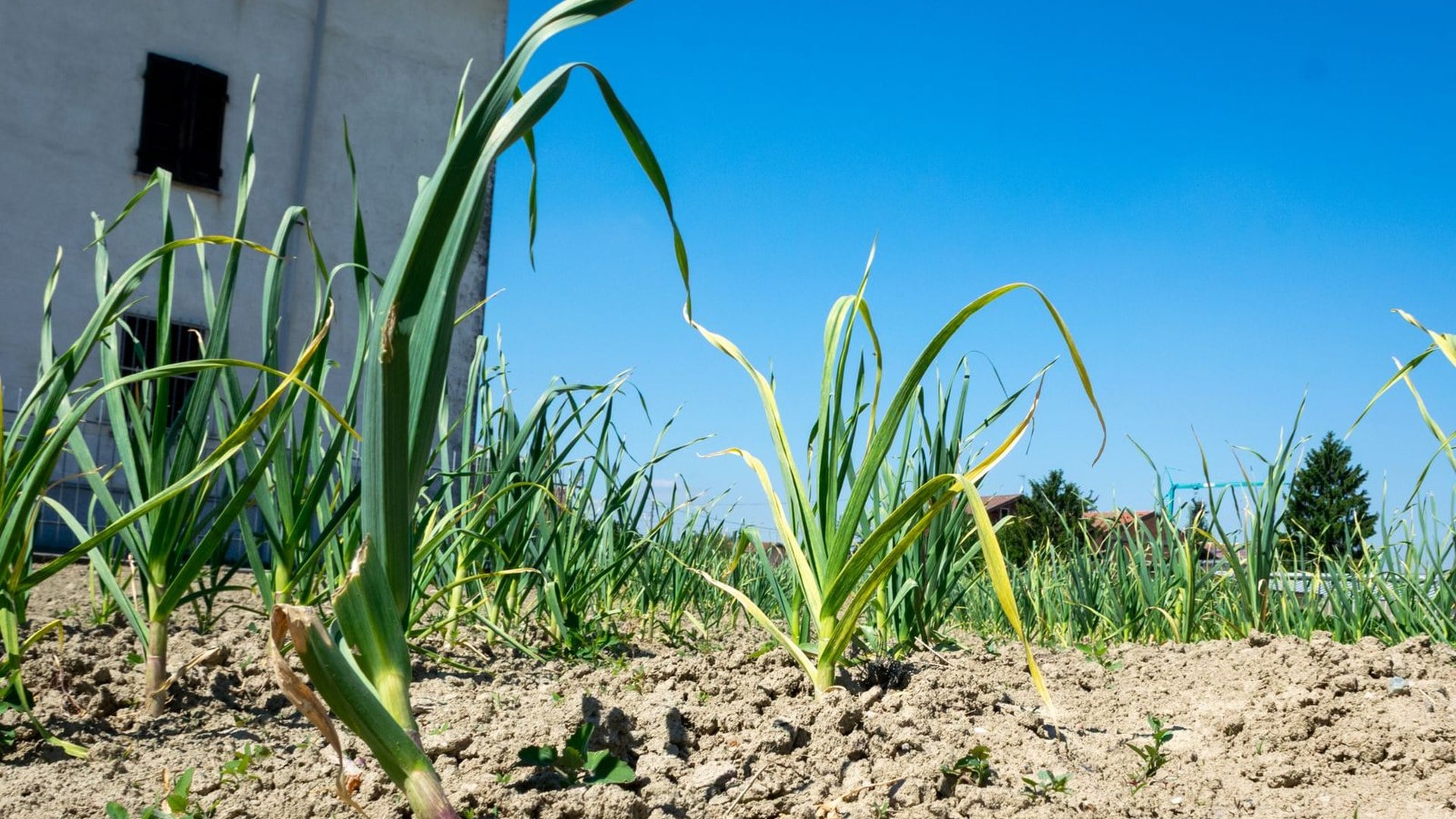
A commercial blueberry operation in Kenya needed drip and fertigation that could hold nutrient accuracy across 7.3 hectares of substrate-potted plants, on well water with a high suspended load. This page sets out the design basis, the installed equipment and the sizing numbers.
Project overview
| Client |
Commercial berry grower, Kenya |
| Crop |
Substrate-potted blueberry, 2.0 m rows × 0.7 m in-row |
| Scale |
7.3 ha (18 acres) under greenhouse on a 9.7 ha site; about 52,360 pots at 7,140 pots/ha |
| Scope |
System design with our irrigation engineering partner, equipment specification and supply, headworks assembly, field network, commissioning and operator training |
| System type |
Pressure-compensating drip with 4+1 channel fertigation and three-stage filtration |
1. Project background and challenges
Substrate blueberry demands rigorous water and nutrient management. Roots are sensitive to moisture fluctuation and need a tightly held EC and a root-zone pH of 4.5–5.5. In a pot there is no soil reserve to smooth out a dosing mistake, so the irrigation system is the crop management system.
Our client in Kenya set out to build a commercial-scale 7.3-hectare substrate blueberry greenhouse. The project raised four engineering problems.
-
Water quality and anti-clogging. Well water carrying a high suspended load posed a severe clogging risk to precision micro-drippers.
-
Precise acid and nutrient control. Manual fertigation cannot hold the micro-dosing and the pH/EC band that berry development needs.
-
Hydraulic uniformity across large plots. 7.3 hectares divided into 9 m greenhouse spans, four rows each, required balanced pressure so that every plant receives the same water and fertiliser.
-
Reliability and ease of operation. An automated system with clear controls, remote monitoring and training for the farm's operators.
2. Site layout and installed equipment
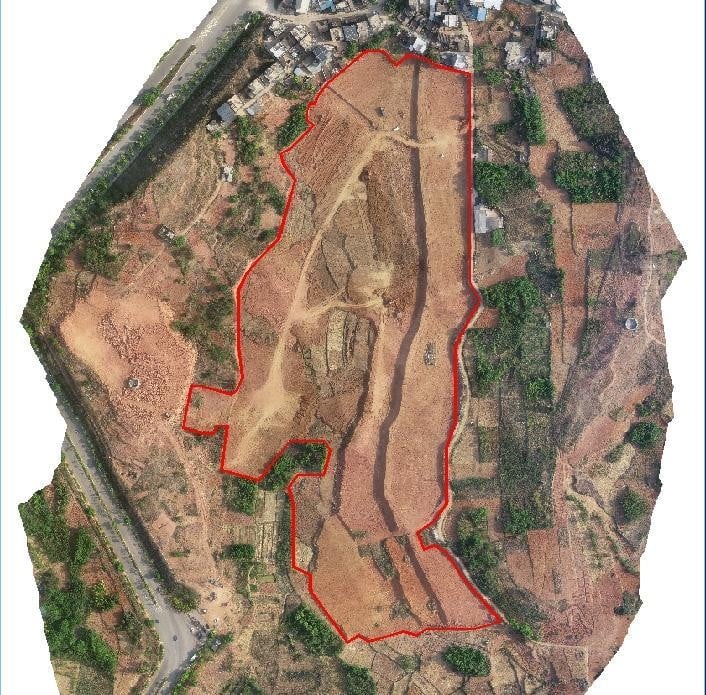
The design scope follows the surveyed boundary below. Greenhouse blocks run in 9 m spans with four rows each, at 2.0 m between rows and 0.7 m in row, with a 1 m working margin. Fifteen valve zones were cut along that geometry and grouped into five rotation shifts — about 3,490 pots to a zone.
*Figure 1: Project boundary and design scope, overlaid on the site aerial survey.*
-
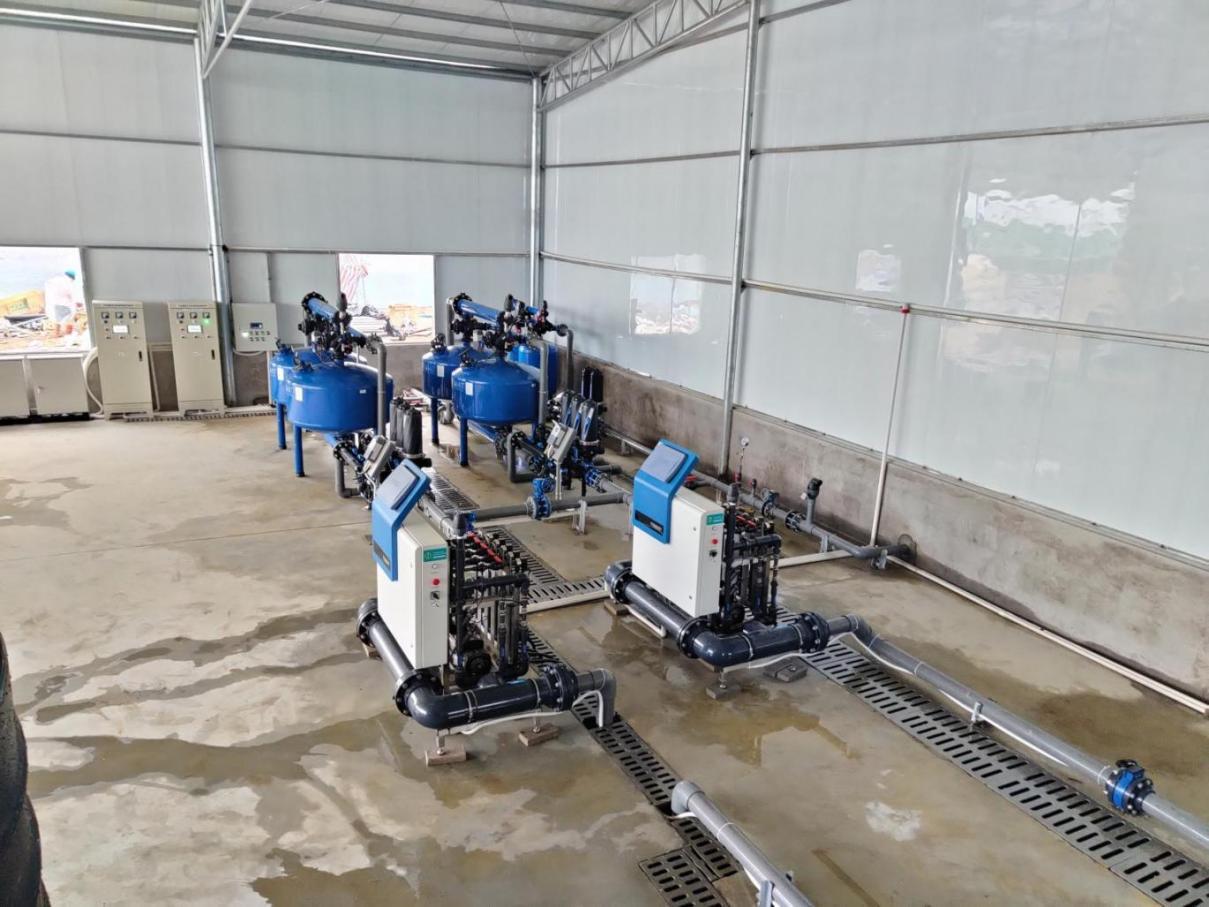
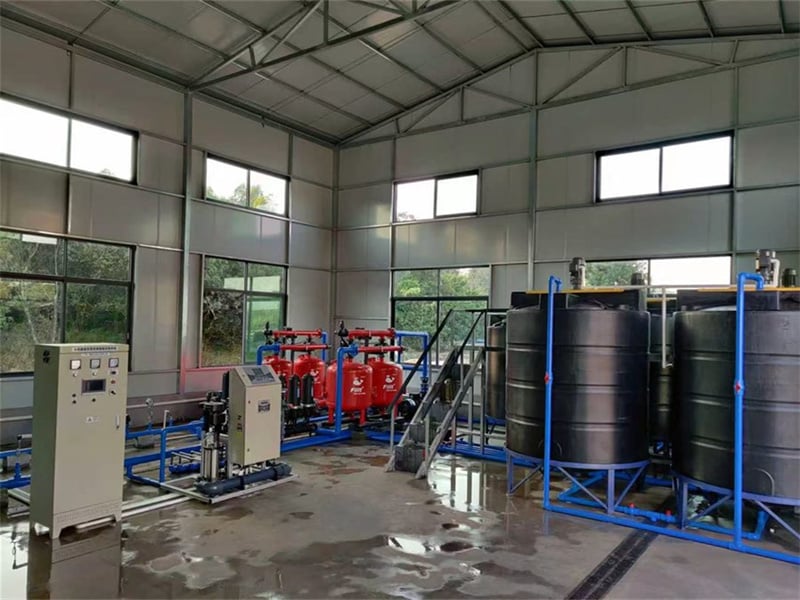
*Figure 2: Headworks — the 4+1 channel dosing units and the sand media filter battery.*
-
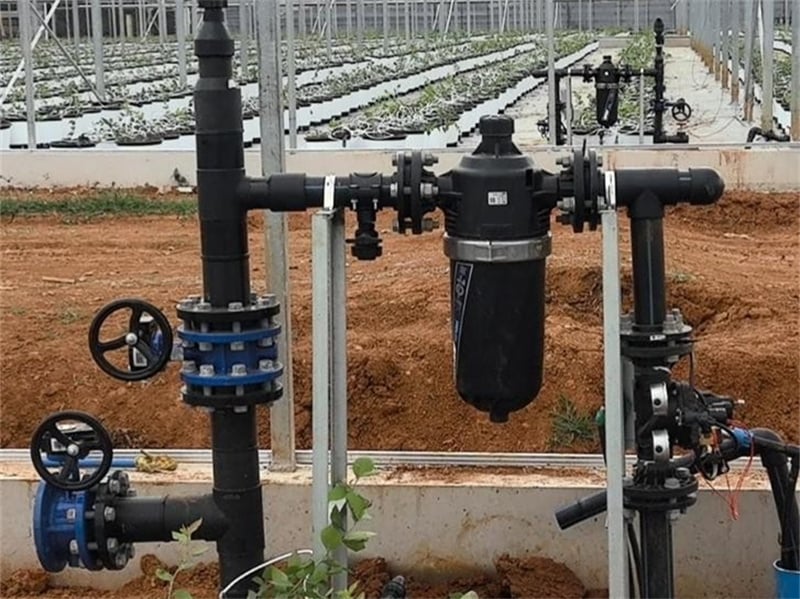
*Figure 3: Field valve station — solenoid, disc filter and air release valve, the third filtration stage ahead of the drip arrows.*
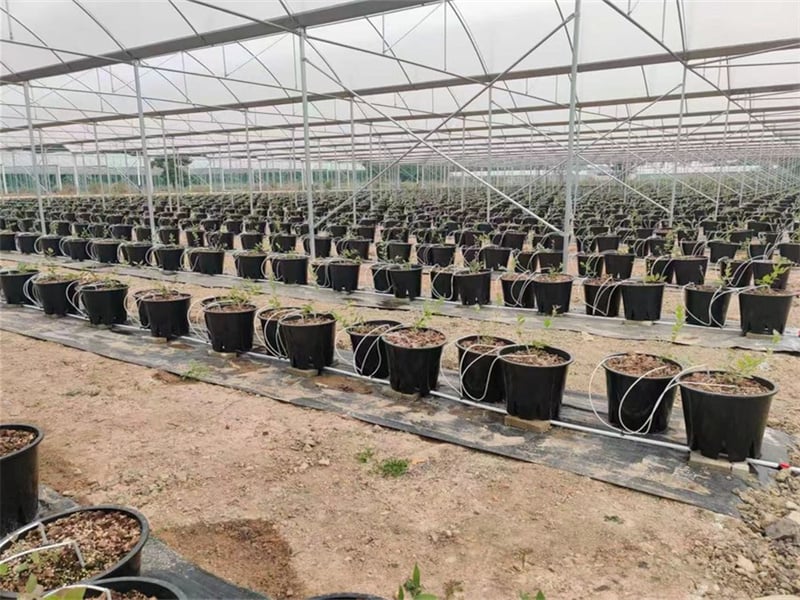
Each row carries one 20 mm × 1.2 mm PE lateral, white outside and black inside, hung on the pot line; a 50 cm micro-tube runs from that lateral to each pot.
3. Drip irrigation system architecture
The system was designed with our irrigation engineering partner and supplied as a complete package. Water moves from the well through storage, pumping, filtration, fertigation and the buried network to the drip arrows in nine stages.
Two details matter. The reservoirs sit ahead of the pump, so backwash draw comes from storage rather than straight from the well, and the third filtration stage sits in the field, where debris picked up in the buried main is stopped before the emitters.
The buried network steps down from a Φ160 mm main at 0.6 m to Φ63 mm branches at 0.2 m.
4. Fertigation and filtration components
① 4+1 channel precision fertigation unit
- Dosing channels: 4 nutrient channels at 900 L/h each, plus 1 dedicated acid channel at 600 L/h.
- Real-time monitoring: dual industrial EC and pH sensors with closed-loop correction, ±0.2 on both.
- Mother solution: 4 conical 5 m³ PE fertiliser tanks and 1 conical 1 m³ acid tank, each with a motor stirrer and a level monitor.
- Programmes: 10 fertigation recipes for proportional dosing, time-based irrigation and EC/pH set-point control.
② Three-stage automatic backwash filtration
- Primary: 3-tank 4-inch sand media battery, 100 m³/h, intercepting suspended solids from the well.
- Secondary: 120-mesh automatic-backwash disc bank, three units at 3-inch, ahead of the micro-tubes.
- Third stage, in the field: 120-mesh disc filters after every valve group, so debris from the buried network is stopped before the drip arrows.
- Backwash: differential-pressure triggered, sequenced tank by tank.
③ Pressure-compensating drip delivery
- Emitters: anti-drain pressure-compensating drip arrows rated 2 L/h, 1-out-of-2 split, two assemblies per pot.
- Per pot: 4 L/h across four delivery points; 8 L per plant per day in a two-hour group shift.
- Uniformity: emitters specified at ≥85%; pressure compensation keeps delivery independent of position.
- Design day: about 422 m³ for the farm, inside a ten-hour pump day.
④ Constant-pressure VFD pump skid
- Pumps: two 22 kW centrifugal pumps on duty/standby rotation with automatic failover.
- Control: industrial PLC and 7-inch touchscreen, 0.01 bar pressure stabilisation, overpressure relief and low-water protection.
- Pumps: two 22 kW centrifugal on duty/standby rotation.
5. System protection and controls
Drip systems fail quietly: a blocked emitter does not stop the pump. The design carries protection at four levels.
-
Pressure: the VFD holds 0.01 bar at the set point, and a relief valve opens if a valve closes against a running pump.
-
Air: combined air release and intake valves on the buried network, so a restart does not drive an air slug into the laterals.
-
Water level: low-level protection stops the pump before it runs dry.
-
Filtration: backwash is triggered on differential pressure, so a dirty battery is cleaned before it becomes a flow restriction rather than after the emitters have already suffered.
Control sits on an industrial PLC with a 7-inch touchscreen: zone rotation, valve opening, dosing and backwash sequencing are scheduled from that panel.
6. Key technical parameters
| Parameter |
Specification |
| Cultivation type |
Greenhouse substrate-potted blueberry |
| Total area |
7.3 ha (18 acres) under greenhouse, on a 9.7 ha site |
| Planting density |
7,140 pots/ha (~52,360 pots) |
| Row / plant spacing |
Row 2.0 m, plant 0.7 m |
| Water source |
Well water, high suspended load |
| Design day demand |
422 m³ |
| Water storage |
2 × 520 m³ reservoirs (duty + standby) |
| Fertigation unit |
Fismart-Blueberry160, 4 × 900 L/h + 1 × 600 L/h |
| Mother liquor tanks |
4 × 5 m³ fertiliser + 1 × 1 m³ acid, stirred and level-monitored |
| Filtration |
120 mesh (130 µm), three stages, automatic backwash |
| Emitter type |
2 L/h pressure-compensating anti-drain drip arrow, 1-out-of-2 |
| Emitters per pot |
2 assemblies, 4 L/h per pot |
| Pumping capacity |
2 × 22 kW centrifugal, VFD, duty + standby |
| Power supply |
60 kW, 380 V |
| Main pipeline |
Φ160 mm PN10 PE, buried 0.6 m |
| Branch pipeline |
Φ63 mm PN10 PE, buried 0.2 m |
| Zone division |
15 zones, 5 rotation groups |
7. Design basis and engineered performance
The design day is fixed by three inputs: 6 mm of maximum daily evaporation, 8 L per plant, and a ten-hour pumping window. Every number on this page follows from those three.
Every pot gets the same water. Two emitter assemblies per pot at 2 L/h each, split to two arrows, deliver 4 L/h to each plant. Fifteen zones run in five groups of three; one group at a time for two hours gives each plant its 8 L for the day, and the farm finishes inside a ten-hour pump day.
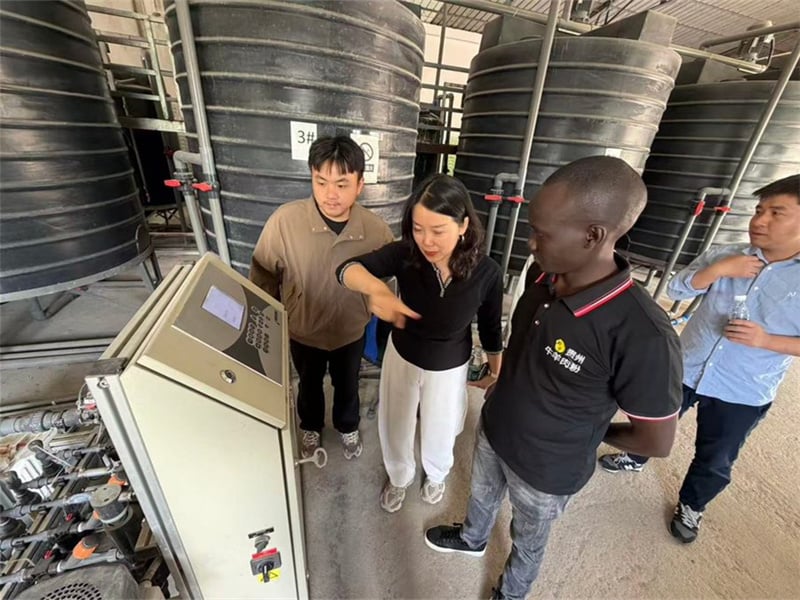
EC and pH are held, not chased. The Fismart-Blueberry160 doses four nutrient channels at 900 L/h and one acid channel at 600 L/h against dual EC/pH sensors, with ±0.2 closed-loop control. Ten recipes can be stored, so a change of growth stage becomes a recipe change rather than a new mixing routine.
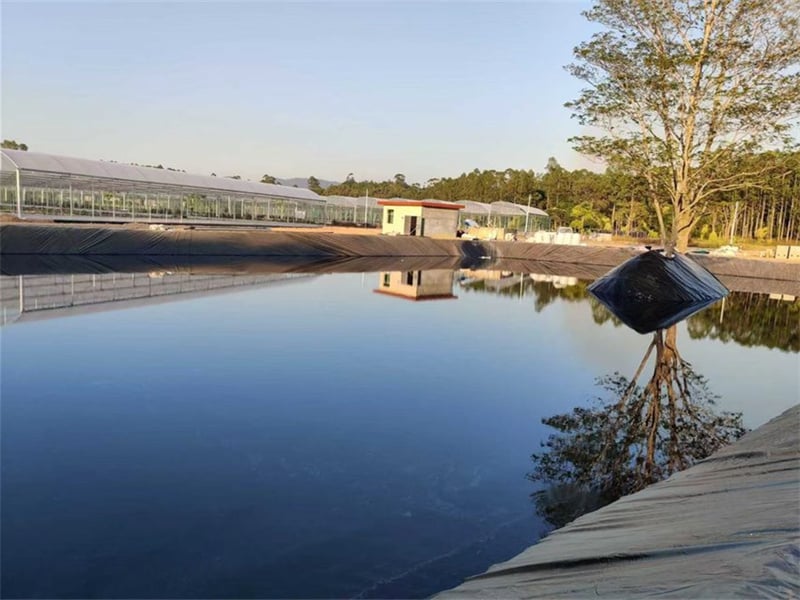
Peak demand is buffered without the well. Two 520 m³ reservoirs, one duty and one standby, hold about two and a half days of design-day demand, so a well problem does not stop irrigation the same morning.
Filtration is sized for the dirtiest water the site will see. A 3-tank 4-inch sand battery at 100 m³/h, a 120-mesh disc bank, and a third stage of disc filters after every valve group, each on automatic backwash.
The shift runs itself. Zone rotation, valve opening, dosing and backwash are on the controller. The operator loads mother liquor, checks EC and pH against the recipe, and starts the shift.
These are design calculations, not measured field results: what the installed configuration is built to deliver, and the numbers a dealer can check against their own site.
8. Frequently asked questions
Q: How much water does a 7.3 ha blueberry greenhouse need each day?
About 422 m³ on the design day. Each pot receives 4 L/h and 8 L a day, across roughly 52,360 pots.
Q: Why does a drip system need two storage reservoirs?
Together they hold about two and a half days of design-day demand across both tanks. One tank in service covers about 1.2 days, with the second held standby.
Q: What filtration is required for well water feeding drip arrows?
Three stages: a 3-tank 4-inch sand media battery at 100 m³/h, a 120-mesh automatic-backwash disc bank, and a 120-mesh disc filter after every valve group in the field.
Q: How are EC and pH controlled in substrate blueberry?
Four nutrient channels at 900 L/h and one acid channel at 600 L/h are dosed against dual EC and pH sensors with ±0.2 closed-loop correction. Ten recipes are stored, so a stage change is a recipe change.
Q: Why split fifteen zones into five rotation groups?
One group at a time, three zones per group for two hours each, gives 8 L per pot and finishes inside a ten-hour pump day.
9. On-site gallery
-
*Figure 4: Integrated pump room with mother tanks, dual VFD cabinets and the filtration battery.*
-
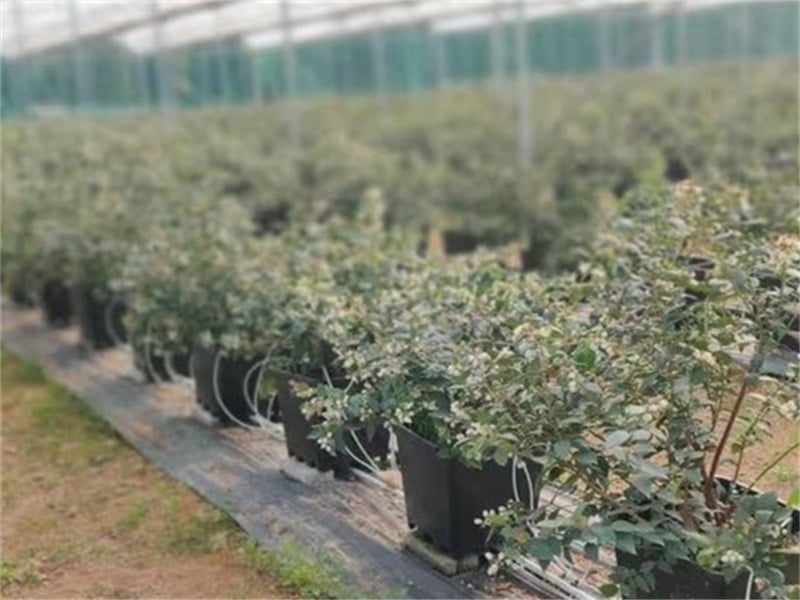
*Figure 5: Drip arrow assemblies at the pots, delivering nutrient solution at root level.*
-
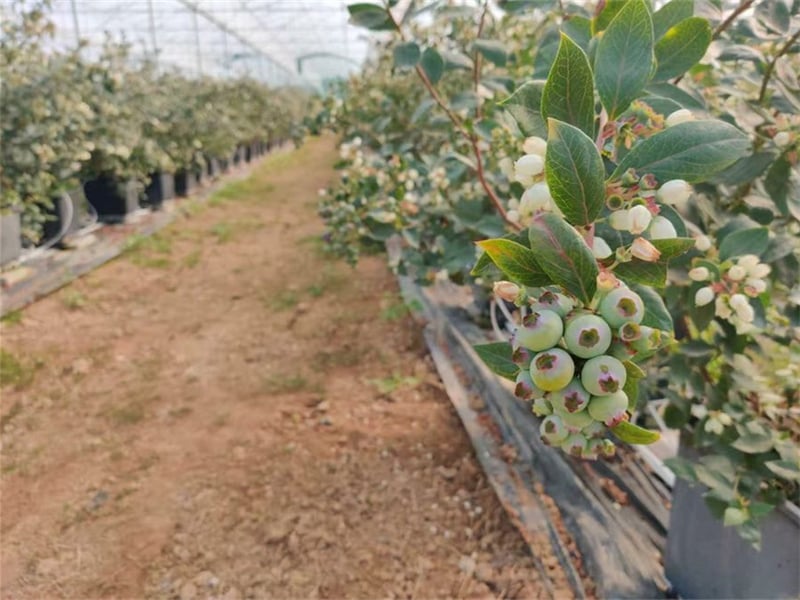
*Figure 6: Fruit set and berry sizing in the production bay.*
-
*Figure 7: Blueberry bushes across the greenhouse blocks.*
-
*Figure 8: Two 520 m³ reservoirs, one duty and one standby, buffering peak demand and well downtime.*
-
*Figure 9: Commissioning and hands-on training on the fertigation controller and valve scheduling.*
-
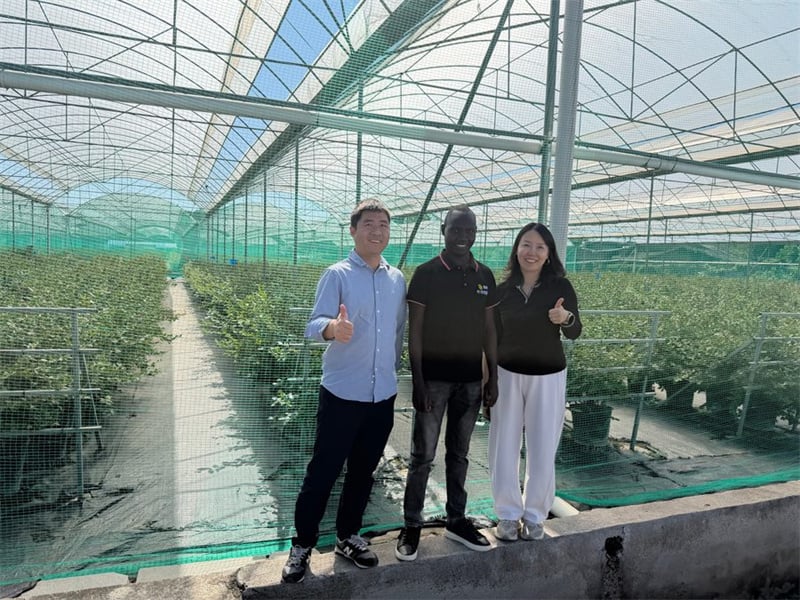
*Figure 10: Commissioning handover with the grower's team.*
Related reading: drip irrigation systems for greenhouses, irrigation system components, and more irrigation case studies.
Last updated: November 2026
 EN