Understanding Agri Equipment Specifications and Costs

application/agri-equipment, application/agri-equipment, 
Inquiry
Inquiry

agri equipment

When considering the procurement of agri equipment, it's essential to understand the specifications, cost factors, installation requirements, and common issues associated with agricultural machinery. This article aims to clarify these aspects, aiding purchasing managers, distributors, and engineers in making informed decisions. By examining these critical factors, buyers can ensure they choose the right equipment that meets their agricultural needs efficiently and effectively.

Understanding Cost Factors in Agricultural Equipment Procuremen

Understanding Cost Factors in Agricultural Equipment Procuremen

The cost of agri equipment involves more than just the initial purchase price. Key factors that influence total expenditure include:

Initial Purchase Price: While this is the most obvious cost, ensure to factor in any additional features or attachments that may be essential for your operations.

Operating Costs: Fuel efficiency, maintenance, and repair costs can significantly impact the total cost of ownership. It’s wise to request historical maintenance data from the supplier to gauge long-term expenses.

Financing Options: Consider available financing plans. Leasing may be a feasible option for businesses looking to minimize upfront costs while ensuring access to modern equipment.

Customization Costs: If your operations require specialized features or modifications, discuss these with the supplier upfront to understand how they will affect the overall pricing.

Resale Value: Assess the market demand for the equipment. Brands with a strong reputation often maintain higher resale values, providing a return on investment when it's time to upgrade.

By evaluating these factors, buyers can make more informed decisions that align with their budgetary constraints and operational needs.

Installation Guidance for Efficient Use of Agri Equipmen

Installation Guidance for Efficient Use of Agri Equipmen

Proper installation is crucial for the effective operation of agri equipment. Here are some steps to ensure a smooth installation process:

Site Preparation: Assess the installation site to ensure it meets the necessary requirements, such as adequate space and ground conditions. This may involve clearing debris or leveling the ground.

Manufacturer Guidelines: Always follow the manufacturer's installation instructions closely. These guidelines provide essential information on safety precautions, necessary tools, and technical specifications.

Professional Assistance: For complex machinery, consider hiring a professional installer. Their expertise can prevent common installation issues and ensure that the equipment operates as intended.

Testing and Calibration: After installation, conduct thorough testing and calibration. This step ensures that the equipment performs optimally and can help identify any issues before full-scale operation.

Training: Provide adequate training for operators. Understanding the machinery’s functions and controls can lead to more efficient use and prevent damage due to operator error.

Taking the time to install agri equipment correctly can enhance its performance and lifespan, ultimately benefiting your agricultural operations.

Key Metrics

Key Metrics

When evaluating agri equipment, several key metrics can provide insight into performance and suitability:

Field Capacity: Measure the area that can be covered in a given time, typically expressed in acres per hour. This metric helps assess how much land can be managed within specific time frames.

Fuel Efficiency: Look for the amount of fuel consumed per hour of operation or per acre treated. Higher fuel efficiency translates to lower operational costs.

Maintenance Frequency: Regular maintenance schedules can indicate reliability. Equipment with longer intervals between service needs is often more desirable.

Warranty Period: A longer warranty can reflect the manufacturer's confidence in the product quality and durability. It also provides assurance to buyers regarding potential repairs or replacements.

User Satisfaction Ratings: Research feedback from current users. Ratings on performance, ease of use, and reliability can provide valuable insights beyond technical specifications.

Understanding these metrics allows buyers to compare products effectively and select equipment that meets their operational demands.

Common Problems with Agri Equipment and Their Solutions

Despite advancements in technology, agri equipment can encounter various issues. Being aware of these common problems can help in troubleshooting and maintenance:

Mechanical Failures: Issues such as engine failure or hydraulic leaks can arise from improper maintenance. Regular inspections and adherence to maintenance schedules are essential.

Electrical Malfunctions: Problems with wiring or sensors can disrupt functionality. Ensure that operators are trained to recognize warning signs and report them promptly.

Compatibility Issues: Sometimes, newer models may not seamlessly integrate with existing equipment or attachments. Always confirm compatibility with the manufacturer before purchase.

Wear and Tear: Components such as belts, hoses, and blades degrade over time. Establish a routine for checking these parts and replace them as necessary to prevent operational downtime.

Soil Compaction: Heavy machinery can compact soil, affecting crop yields. Use equipment with appropriate weight distribution and consider adjusting operational practices to mitigate this issue.

By being proactive about these common issues, buyers can maintain their agri equipment effectively, ensuring optimal performance and longevity. Additionally, investing in quality Processing Machines can further streamline agricultural operations.

In summary, understanding the specifications, cost factors, installation requirements, and common issues associated with agri equipment is essential for making informed purchasing decisions. By following these guidelines, buyers can select the right machinery that meets their agricultural needs effectively.

How to Compare Specifications of Agri Equipment for Your Needs

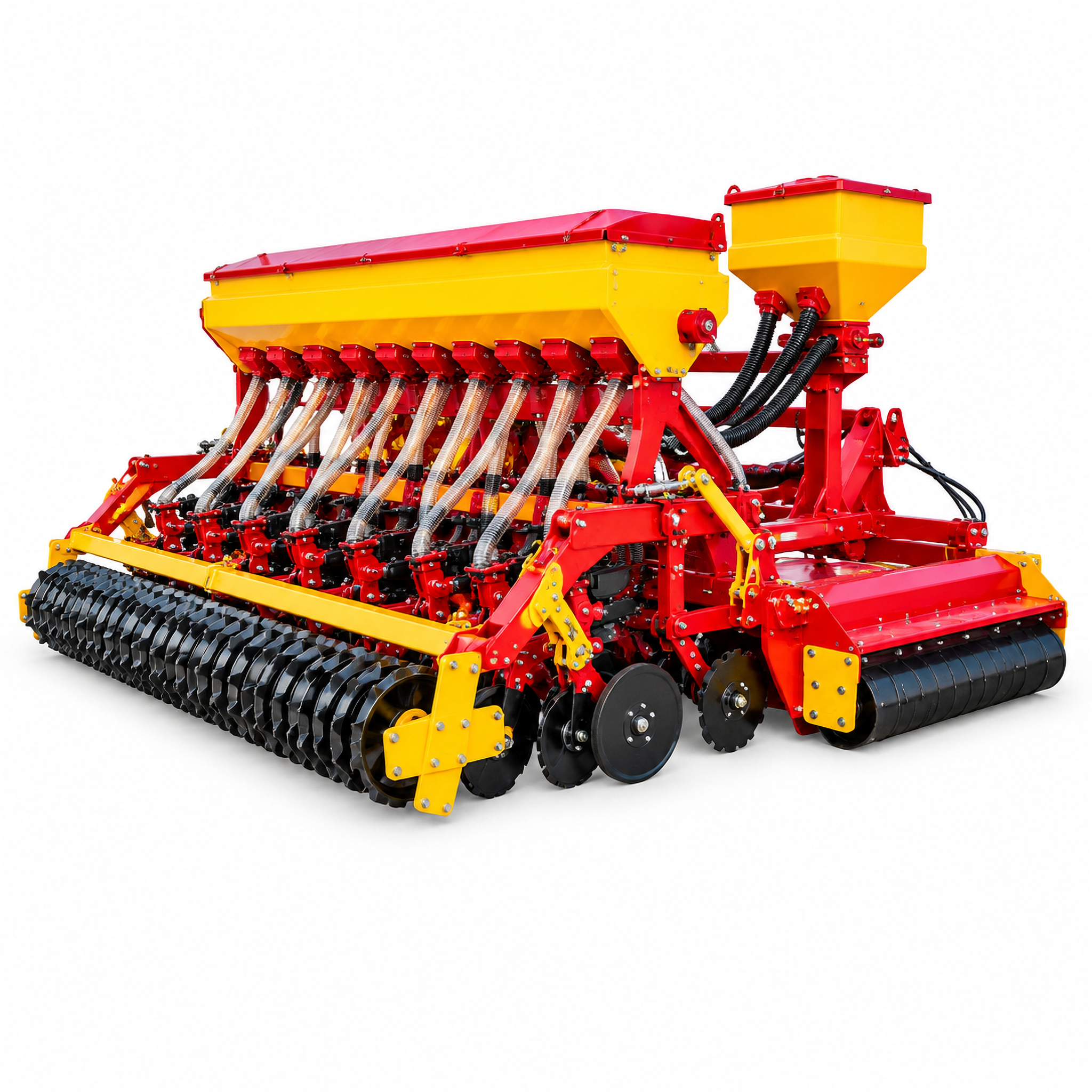
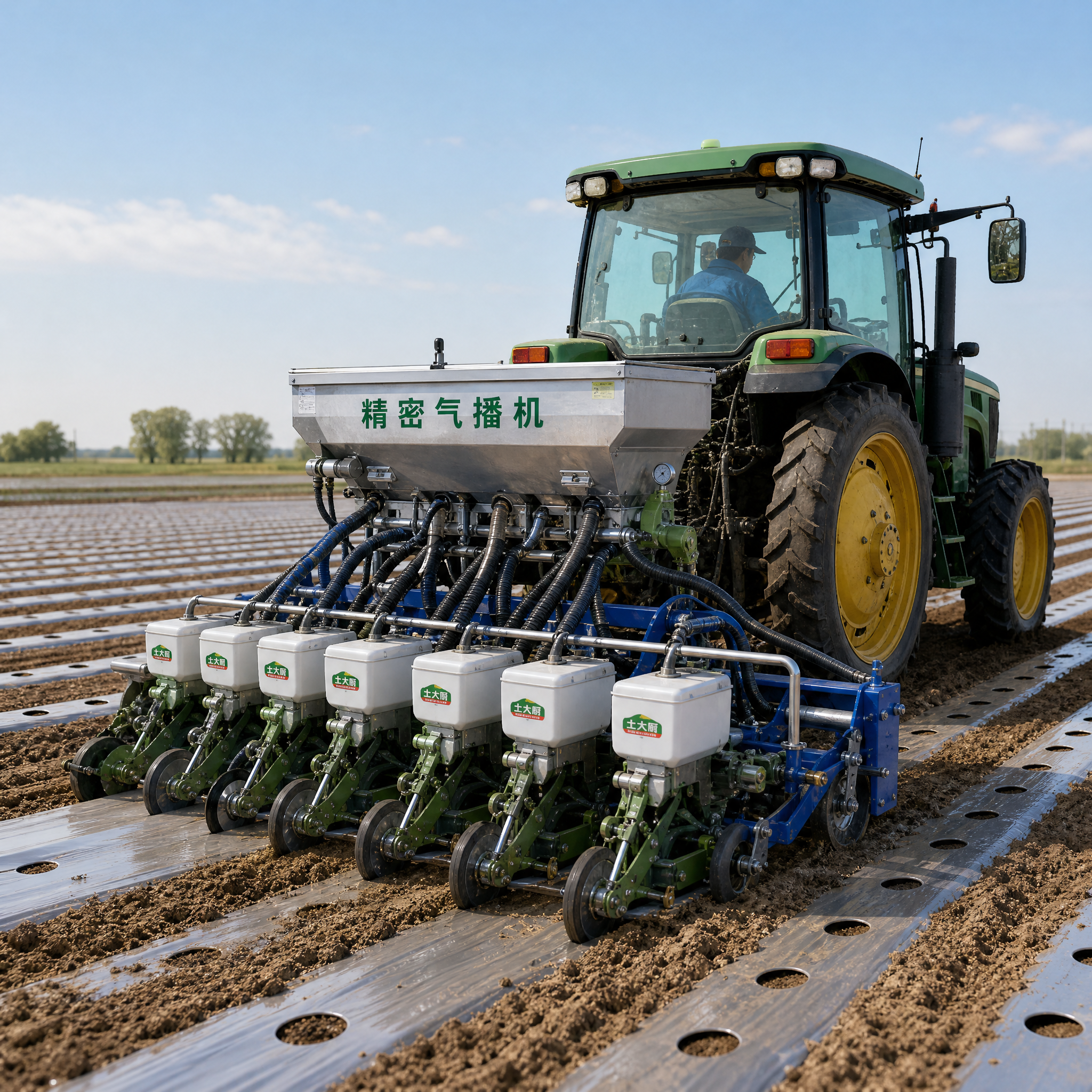
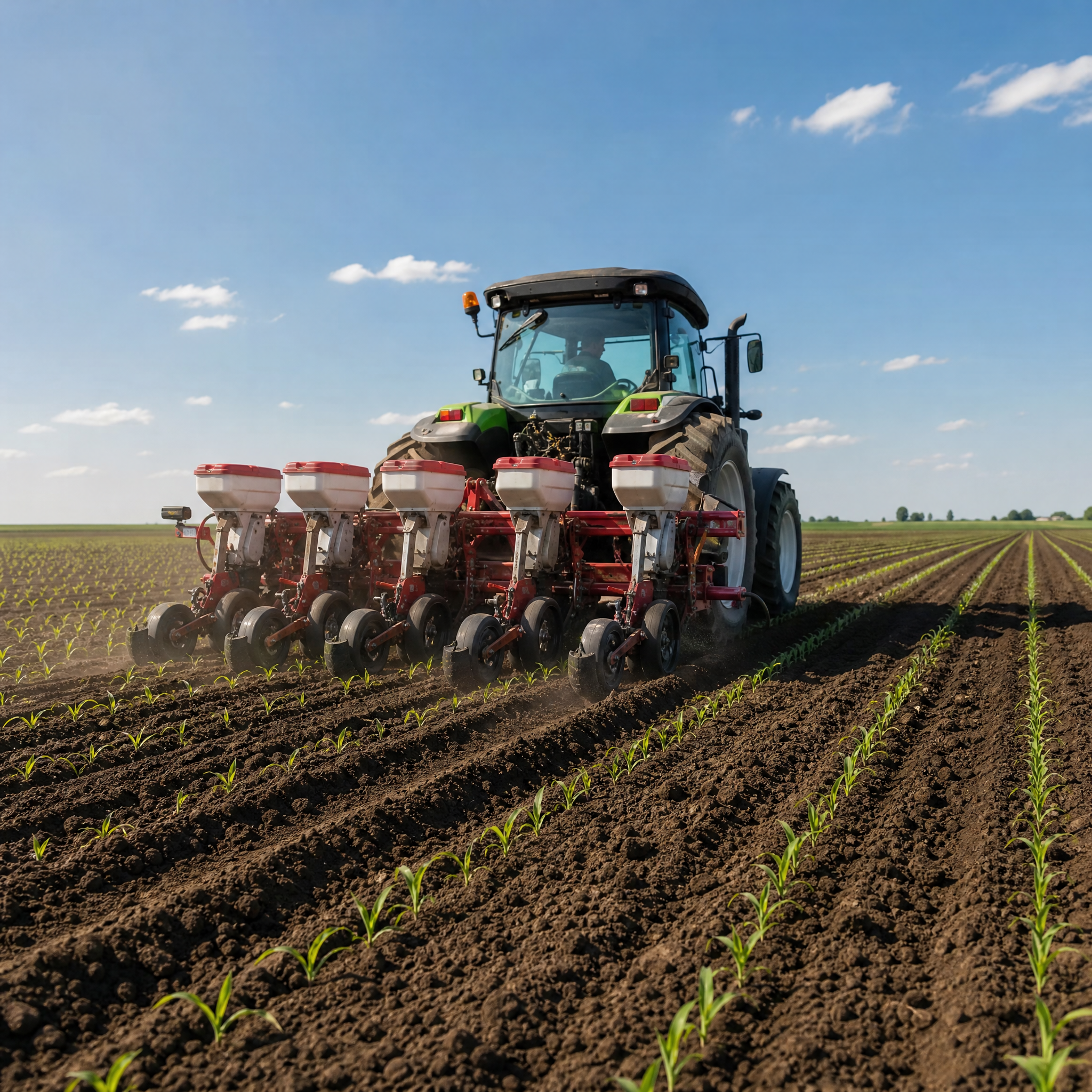
When comparing specifications of agri equipment, it's crucial to focus on key attributes that impact performance and suitability for specific tasks. Start by examining the type of machinery—whether it’s for tillage, seeding, irrigation, or harvesting. Each category has distinct features:

Power Requirements: Understand the horsepower and engine type. Higher horsepower may be necessary for larger farms but could lead to increased fuel costs.

Dimensions: Evaluate the size of the equipment to ensure it fits the operational space. Compact models are advantageous in smaller fields, while larger equipment may be more efficient in expansive areas.

Material Composition: Look for durable materials that can withstand harsh agricultural environments. For instance, stainless steel components may offer better resistance to corrosion, enhancing longevity.

Versatility and Attachments: Some agri equipment can be equipped with various attachments for multifunctionality, adding value and efficiency in operations. For example, Sprayer & Fertilizer systems can enhance fertilization efficiency.

Technical Features: Consider advanced features such as GPS navigation, automated controls, and data monitoring systems, which can enable precision agriculture practices.

These specifications should align with your specific agricultural practices, ensuring that the equipment will perform reliably under your operational conditions.

Get a Free Quote

Our representative will contact you soon.
0/1000