Choosing the Right Farm Tillage Equipment

application/farm-tillage, application/farm-tillage, 
Inquiry
Inquiry

farm tillage

Farm tillage is a critical process in agriculture, involving the preparation of soil for planting crops. As a B2B buyer, understanding the nuances of farm tillage equipment is essential for making informed purchasing decisions. Key concerns often include equipment performance, suitability for specific soil types, operational efficiency, and supplier reliability. This article aims to provide practical guidance on selecting the right tillage machinery, evaluating suppliers, understanding key specifications, and addressing common farm tillage problems.

Evaluating Reliable Suppliers for Tillage Machinery

Evaluating Reliable Suppliers for Tillage Machinery

Finding a trustworthy supplier for farm tillage equipment is vital to ensure quality and performance. Start by researching companies with a solid track record in the industry, such as Agripros, which offers a range of agricultural machinery supported by CE and ISO 9001 certifications. These certifications indicate adherence to strict quality and safety standards.

Request references or case studies from potential suppliers to gauge their reliability and customer service. Look for suppliers that provide comprehensive after-sales support, including maintenance, spare parts availability, and technical assistance. Engaging in discussions about their manufacturing processes can also provide insight into their operational capabilities and commitment to quality.

Additionally, consider suppliers who understand your market and can offer tailored solutions based on local agricultural practices. This local knowledge can be instrumental in selecting the right equipment for your specific farming needs.

Key Specifications to Consider for Quality Farm Tillage Solutions

Key Specifications to Consider for Quality Farm Tillage Solutions

When evaluating farm tillage equipment, several key specifications should be taken into account:

Construction Material: The material used in manufacturing tillage equipment affects durability and performance. High-strength steel is commonly used for its robustness, while lightweight materials may enhance maneuverability but could compromise longevity.

Working Width: The working width of the tillage implement determines how much area can be covered in a single pass. A wider working width can increase efficiency but may require more horsepower.

Depth Control: Adjustable depth settings are crucial for effective tillage. Too shallow may not adequately prepare the soil, while too deep can lead to unnecessary soil disturbance.

Weight and Balance: The weight of the equipment influences its ability to penetrate the soil. Proper balance ensures that the implement remains stable during operation, which can improve performance and reduce wear.

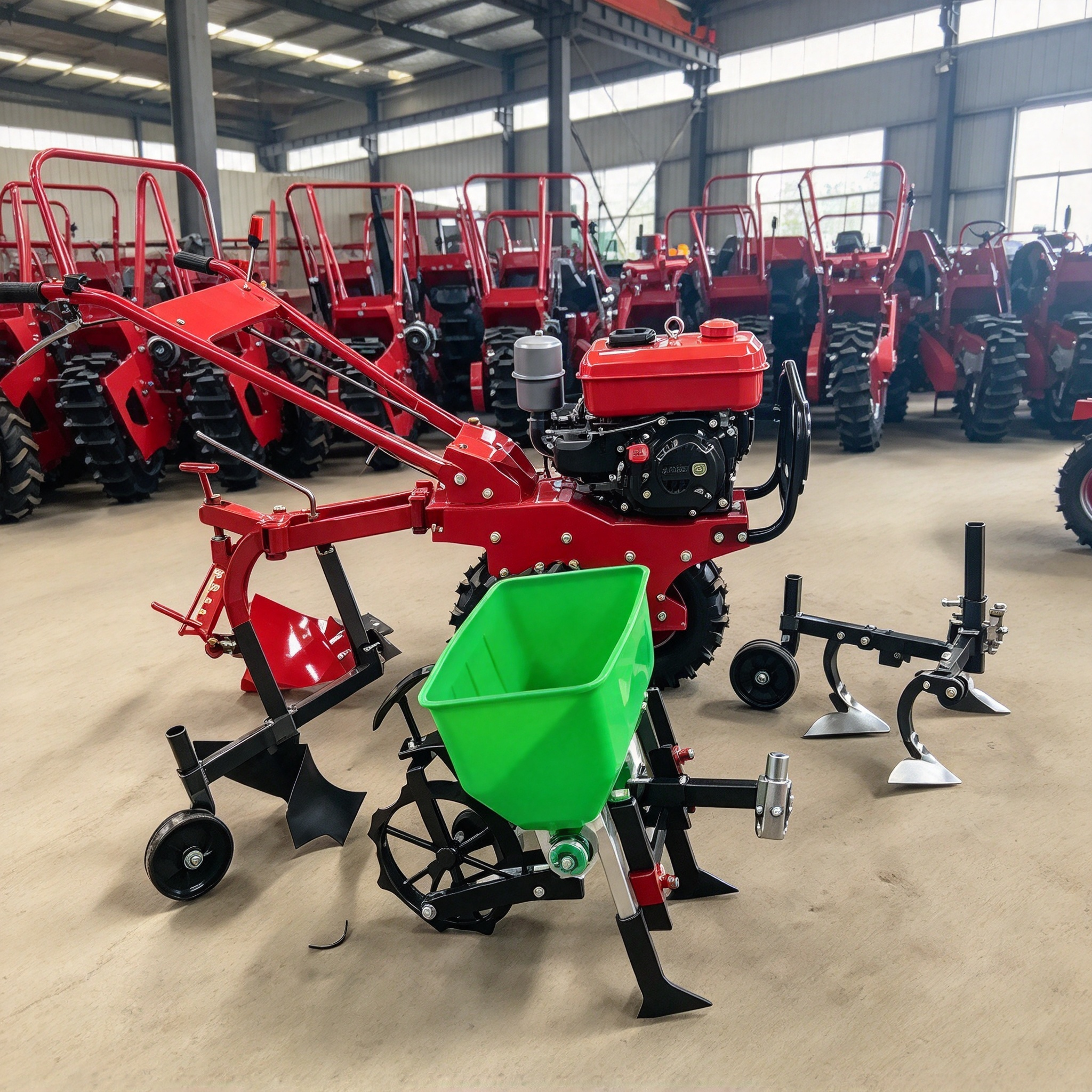
Maintenance Requirements: Assess the maintenance needs of the machinery. Equipment with fewer moving parts often requires less upkeep and can lead to reduced downtime. For example, the Tractor Mounted 6 Row Seed Drill Grain Seeder for Sorghum might be a great choice for its efficient design.

Understanding these specifications will assist buyers in making informed decisions and selecting equipment that meets their operational needs effectively.

Where to Find Durable Farm Tillage Solutions for Bulk Orders

Where to Find Durable Farm Tillage Solutions for Bulk Orders

For bulk orders of farm tillage solutions, consider engaging with established manufacturers who specialize in agricultural machinery. Agripros, with its extensive experience in supplying equipment to over 40 countries, can provide insights into production capabilities and lead times for bulk orders.

When negotiating bulk purchases, inquire about minimum order quantities (MOQ) and potential discounts based on volume. Additionally, evaluate packaging options to ensure that equipment arrives in good condition and is ready for immediate use.

Building a relationship with the supplier can also yield benefits such as priority service, customization options, and access to the latest technological advancements in tillage equipment.

Common Problems with Farm Tillage and Effective Solutions

Farm tillage can present various challenges that may affect productivity and soil health. Here are common problems and effective solutions:

Soil Compaction: Over-tilling or using heavy machinery can lead to soil compaction, which restricts root growth and water infiltration. To mitigate this, consider using lighter equipment or reducing the frequency of tillage.

Inconsistent Tillage Depth: Variability in tillage depth can result from improper equipment calibration. Regularly checking and adjusting the depth settings based on soil conditions will ensure uniformity and promote better crop establishment.

Erosion: Tillage can increase soil erosion, particularly on slopes. Implementing conservation tillage practices, such as reduced tillage or no-till farming, helps maintain soil structure and prevents erosion.

Weed Growth: Frequent tillage may stimulate weed seed germination. Integrating crop rotation and cover crops can help suppress weed growth and maintain soil fertility.

By proactively addressing these common issues, buyers can enhance the effectiveness of their tillage operations and contribute to long-term soil health and agricultural productivity.

In summary, understanding the complexities of farm tillage equipment selection, supplier evaluation, and operational challenges can significantly impact the success of agricultural operations. By leveraging this knowledge, B2B buyers can make informed decisions that align with their specific farming needs.

How to Choose the Right Farm Tillage Equipment for Your Needs

Selecting the right farm tillage equipment involves assessing several factors tailored to your specific agricultural requirements. Start by identifying the type of tillage you need: primary tillage, which breaks up the soil, or secondary tillage, which prepares the seedbed. Consider your soil type, crop rotation plans, and local climate conditions when deciding.

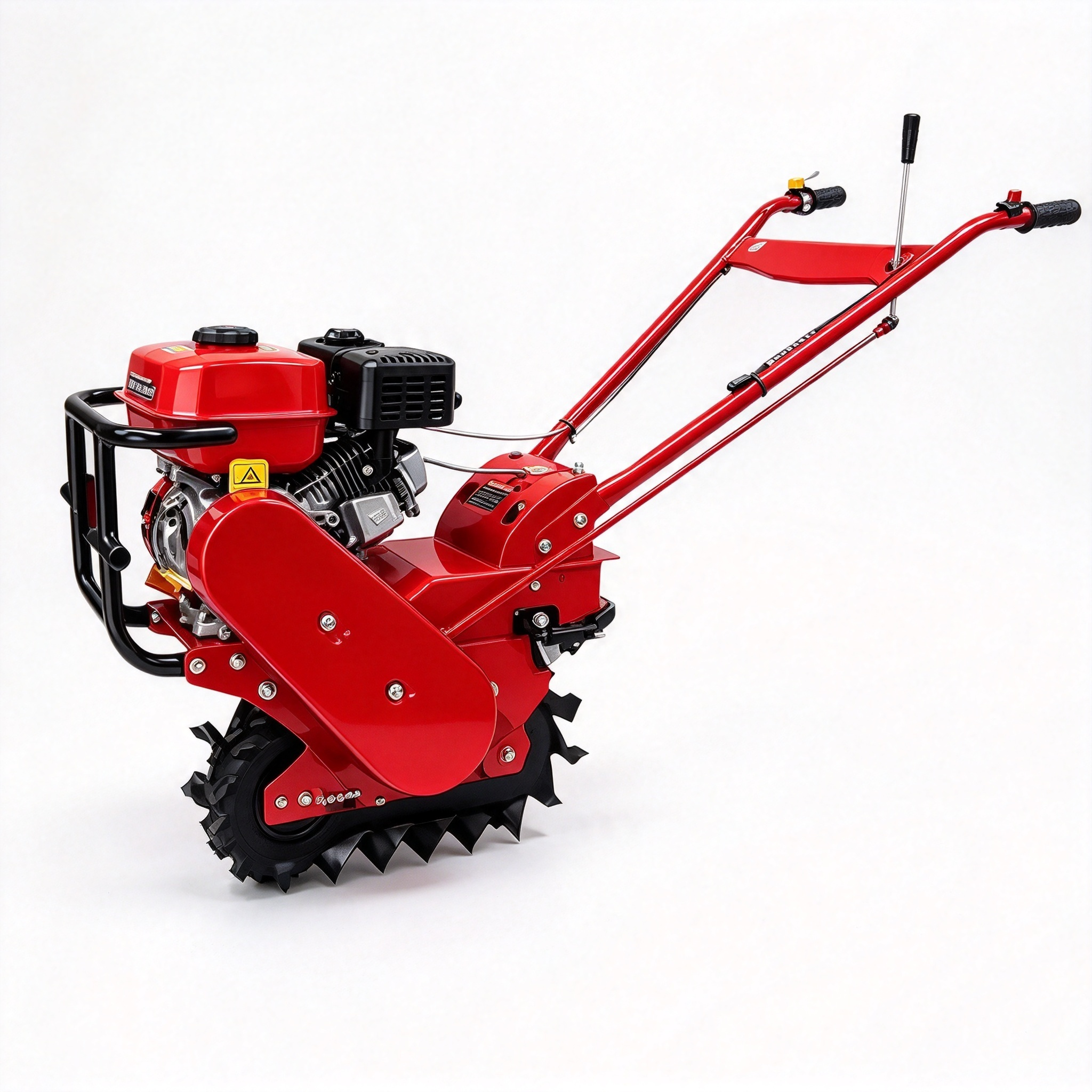
Evaluate the horsepower and size of the equipment necessary for your farm's scale. Larger farms may require more robust machines like tractors and multi-bottom plows, while smaller operations might opt for compact tillers. Additionally, consider the implement's compatibility with existing machinery to ensure seamless integration into your operations. For instance, you might look into options like the 8-25HP Diesel Walk Behind Tractor Water-Cooled Hand Start Farm Tractor for better compatibility.

Customization options can also be crucial for maximizing efficiency. Equipment designed with adjustable features can better accommodate varying soil conditions and crop types, which may enhance productivity and reduce operational costs.

Get a Free Quote

Our representative will contact you soon.
0/1000