Choosing the Right Soil Tillage Equipment

application/soil-tillage, application/soil-tillage, 
Inquiry
Inquiry

soil tillage

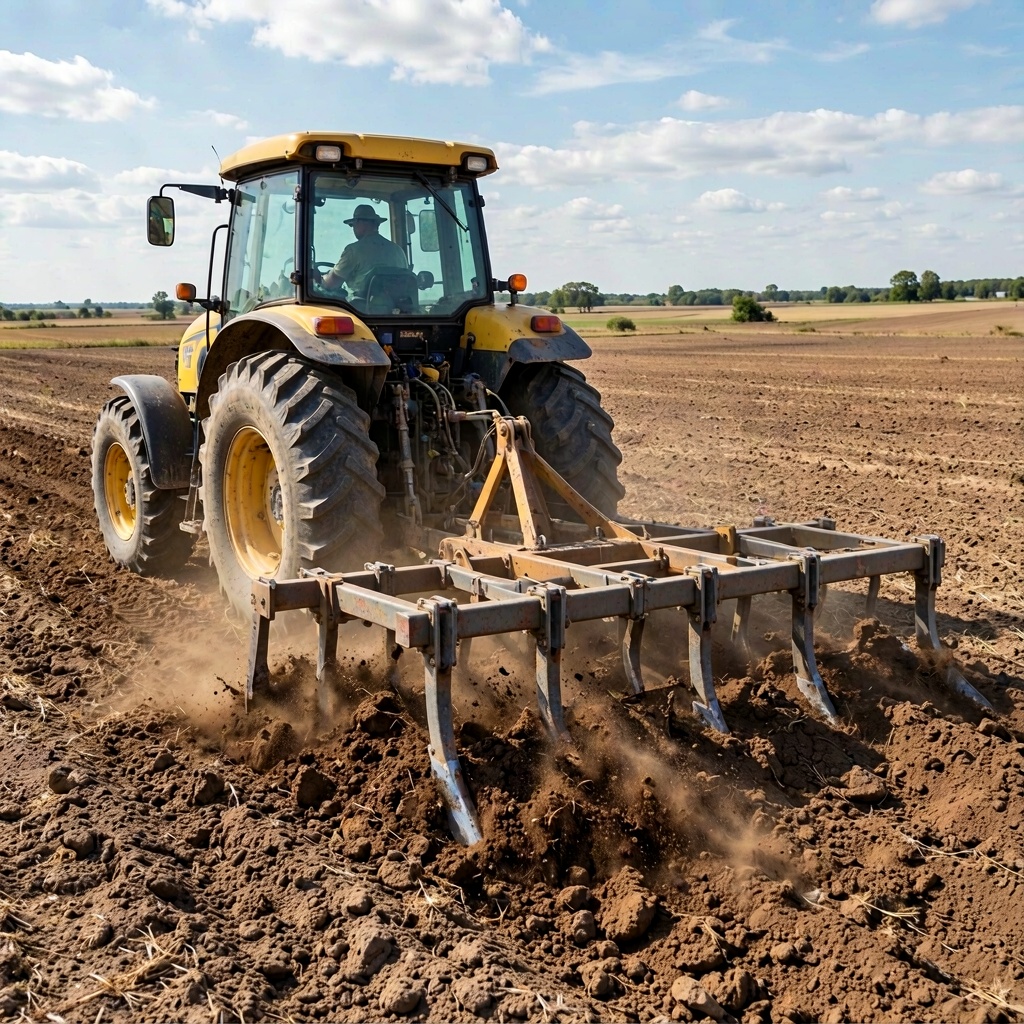
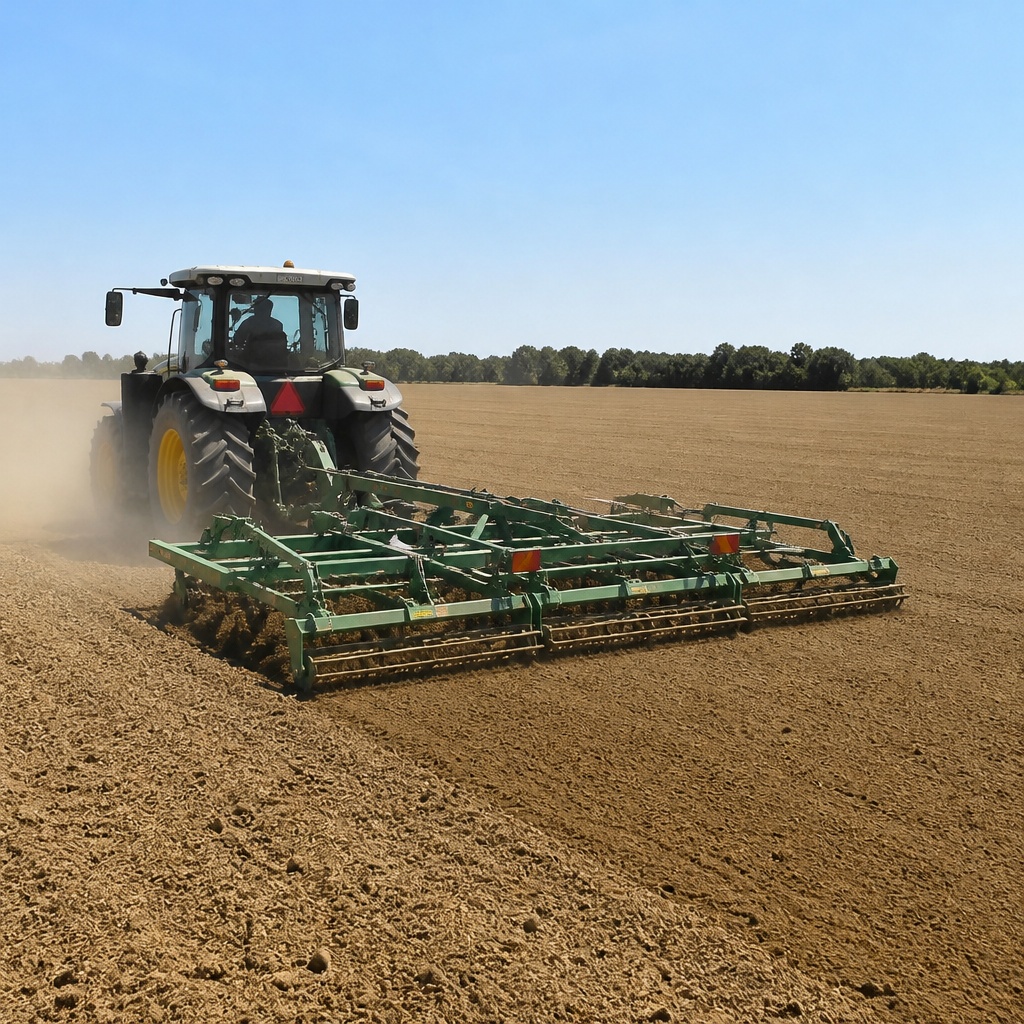
Soil tillage is a critical agricultural process that prepares the soil for planting by turning it over and breaking it up. Choosing the right soil tillage equipment can significantly impact crop yield, soil health, and overall farm efficiency. B2B buyers, including purchasing managers and agricultural engineers, often seek reliable machinery that meets specific operational needs while ensuring durability and performance. This article will guide you through essential considerations for selecting soil tillage equipment, including key specifications, installation guidance, common issues, and comparison strategies.

Key Specifications for High-Quality Soil Tillage Machinery

Key Specifications for High-Quality Soil Tillage Machinery

When assessing soil tillage machinery, focus on several critical specifications:

Working Width: This determines how much area can be covered per pass. A wider working width can lead to reduced operational time but may require more power.

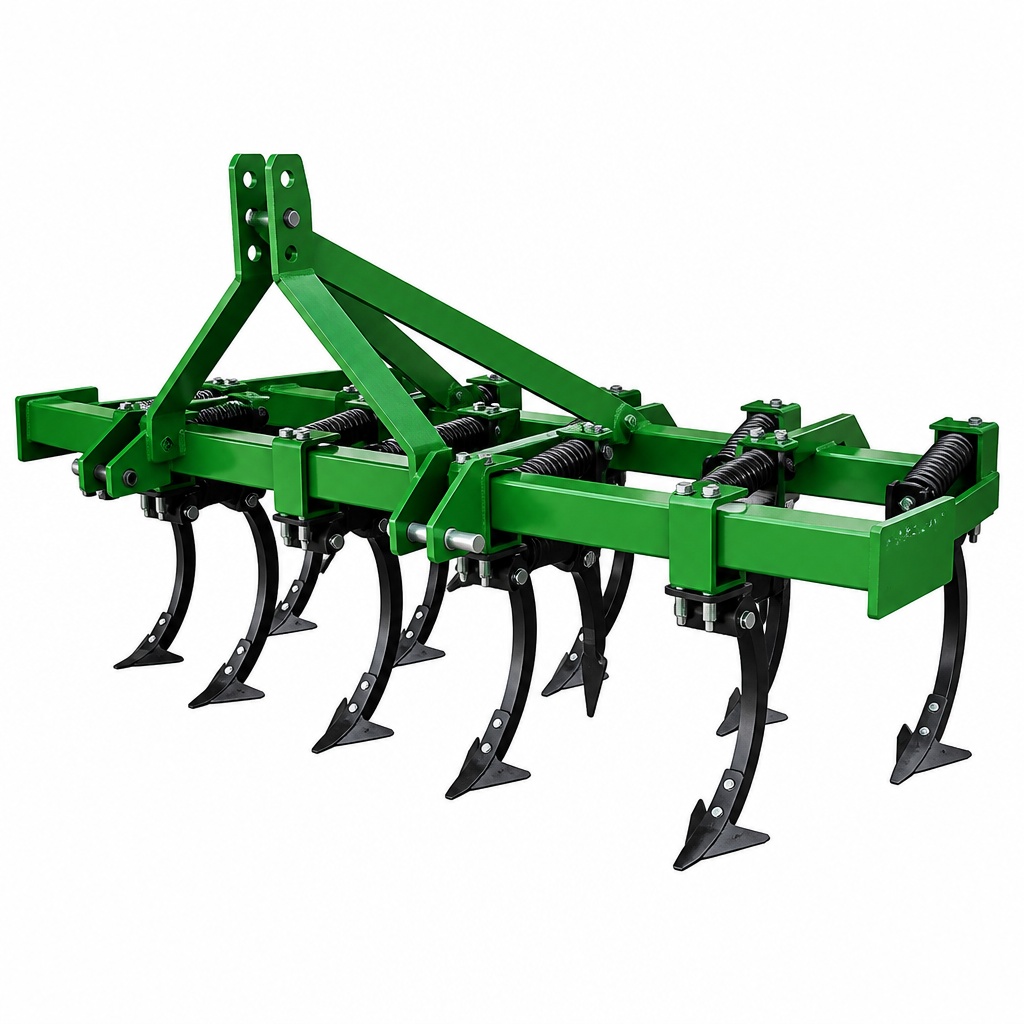
Depth Adjustment: The ability to adjust the tillage depth is vital. Different crops require varying depths, and flexibility ensures optimal conditions for seed germination.

Material Quality: High-strength steel components are preferable for durability and resistance to wear and tear. Corrosion-resistant materials can extend the lifespan of the equipment, especially in humid or wet climates.

Power Requirements: Ensure the machinery's horsepower requirements align with your available tractors or power sources. Underpowered equipment can lead to inefficiencies and increased fuel consumption.

Weight: Heavier machines can penetrate the soil better but may cause soil compaction if used improperly. Balance is essential to achieve effective tillage without damaging soil structure.

Understanding these specifications helps buyers select machinery that not only meets their operational needs but also aligns with their long-term agricultural goals. For instance, integrating Tractors that match the power requirements can optimize performance.

Installation Guidance for Efficient Soil Tillage Machinery Use

Installation Guidance for Efficient Soil Tillage Machinery Use

Proper installation and setup of soil tillage equipment are essential for maximizing performance. Here are key steps to ensure an efficient installation:

Site Preparation: Before installation, ensure the area is adequately prepared. This includes clearing debris and ensuring a level surface for the equipment.

Calibration: Once installed, calibrate the machinery to the specific settings recommended by the manufacturer. This may involve adjusting the working depth and checking the alignment of components.

Testing: Conduct a test run to assess performance. Monitor how well the equipment interacts with the soil and make adjustments as necessary.

Operator Training: Ensure that operators are adequately trained in using the machinery. Familiarity with the equipment can help prevent misuse and extend the life of the equipment.

Maintenance Schedule: Establish a routine maintenance schedule to keep the equipment in optimal working condition. Regular checks on blades, hydraulic systems, and other components can prevent costly repairs down the line.

Following these installation guidelines will enhance the machinery's effectiveness and improve overall farm productivity.

Common Problems in Soil Tillage and Effective Solutions

Common Problems in Soil Tillage and Effective Solutions

Despite advancements in soil tillage technology, several common problems can arise during operation. Here are some issues and solutions:

Soil Compaction: Heavy machinery can lead to soil compaction, hindering root growth and water absorption. To mitigate this, consider using lighter equipment or practicing crop rotation to maintain soil health.

Uneven Tillage: Variability in soil conditions can result in uneven tillage. Regularly calibrating the equipment and adjusting the working depth can help achieve a uniform tillage pattern.

Equipment Wear: Over time, components can wear down, affecting performance. Utilize high-quality materials and conduct regular inspections to replace worn parts before they cause operational failures.

Inadequate Power Supply: Equipment that is too powerful for the application can lead to unnecessary fuel costs and wear. Consult with manufacturers to match the equipment with appropriate power sources.

By proactively addressing these common issues, buyers can ensure their soil tillage operations remain efficient and effective.

How to Compare Soil Tillage Options for Optimal Performance

When comparing soil tillage options, consider the following factors to make an informed decision:

Performance Metrics: Evaluate the performance of different models based on user reviews and expert recommendations. Look for metrics such as operational speed, fuel efficiency, and soil penetration depth.

Cost of Ownership: Consider not only the initial purchase price but also maintenance costs, fuel consumption, and potential downtime. A lower initial cost may lead to higher lifetime costs if the equipment is not durable or efficient.

Customization Options: Some manufacturers offer customization to adapt machinery to specific needs. This can include adjustments in working width, attachments, or material specifications. Customizable features can significantly enhance performance.

Warranty and Support: Assess the warranty offered by the manufacturer and the availability of customer support. A strong warranty and responsive support can provide peace of mind and protect your investment.

Reputation of the Manufacturer: Research the manufacturer’s reputation in the industry. Established manufacturers like Agripros (Beijing Worldlink Commerce Co., Ltd.) often provide reliable products backed by certifications, such as CE and ISO 9001, ensuring quality and compliance with international standards.

By systematically comparing these factors, buyers can select soil tillage equipment that best fits their operational needs and budget considerations. Furthermore, considering options like Sprayer & Fertilizer can enhance overall agricultural productivity.

Choosing the Right Soil Tillage Equipment for Your Projects

Selecting the appropriate soil tillage equipment involves understanding the specific requirements of your projects. Key factors to consider include soil type, crop specifications, and the scale of operations. For instance, heavier machinery might be necessary for clay soils, while lighter models might suffice for sandy soils. Additionally, consider the compatibility of your equipment with various Processing Machines to enhance overall farm efficiency.

It's also crucial to match the tillage method with the crop type. For example, a moldboard plow is effective for deep tillage, while a chisel plow is more suitable for minimal tillage practices aimed at preserving soil structure.

Additionally, evaluate the machinery's compatibility with other equipment in your fleet. This ensures seamless operations and reduces the likelihood of costly downtime.

Frequently Asked Questions

What types of soil tillage equipment do you offer?

Agripros supplies a range of tillage tools including ploughs, harrows, cultivators and rotary tillers, sized for small farms to large plantations and customizable per crop and field conditions.
Yes. Agripros designs equipment with CE and ISO 9001-compliant quality systems to ensure safety, reliability and consistent manufacturing standards.
Yes. We provide tailored configurations based on field size, soil type, crop requirements and lifecycle needs to optimize performance and durability.
Agripros offers spare parts, maintenance guidance and lifecycle support to keep machines operational, plus documentation and remote assistance for installations.
We offer warranty terms aligned with each product, plus export-ready logistics for delivery to 40+ countries; specific warranty and shipping details are provided per quotation.

Get a Free Quote

Our representative will contact you soon.
0/1000