Combine Harvester Machine Price and Key Considerations

application/combine-harvester-machine-price, application/combine-harvester-machine-price, 
Inquiry
application/combine-harvester-machine-price, application/combine-harvester-machine-price, 
Inquiry

combine harvester machine price

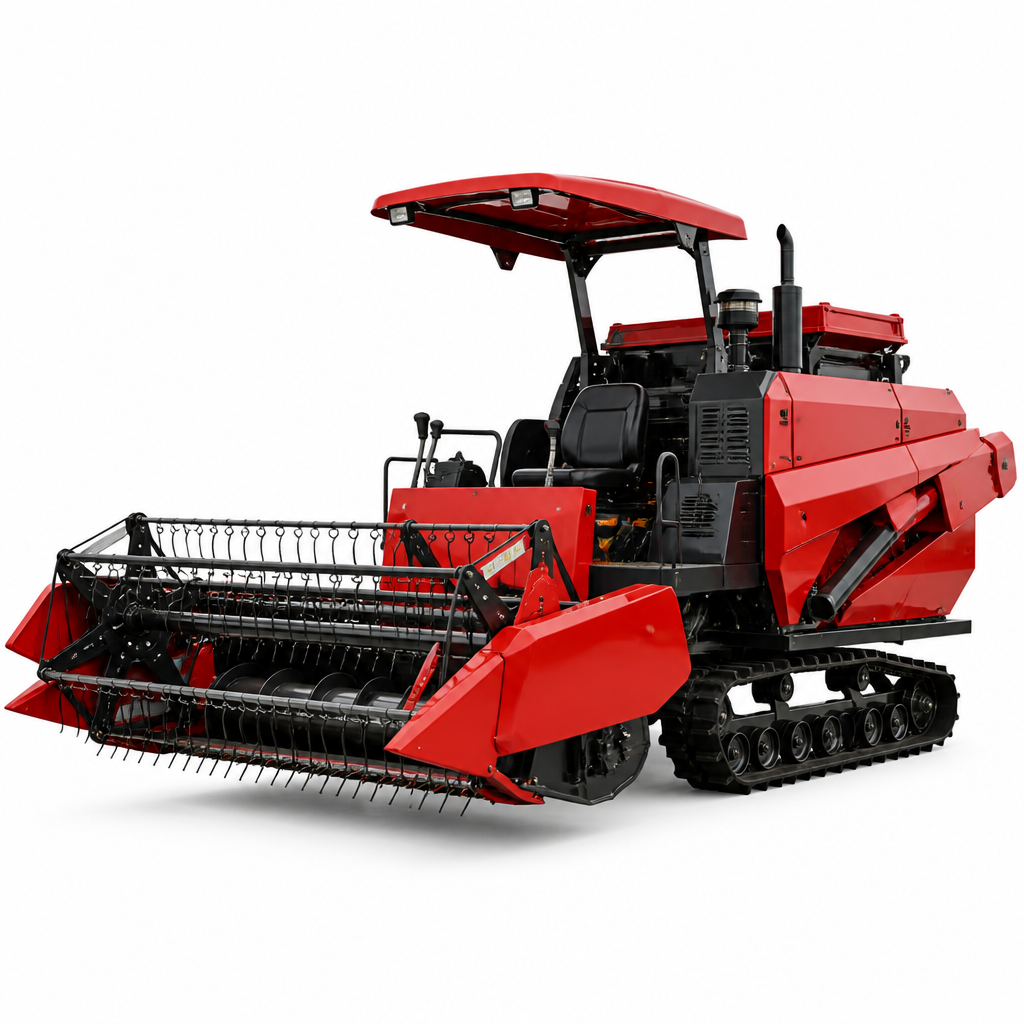
When considering the purchase of a combine harvester, understanding the combine harvester machine price is crucial for making an informed decision. Buyers often have concerns regarding specifications, applications, and overall investment value. This article will provide insights into the key specifications to look for, the best applications for combine harvesters, bulk order options, installation guidance, and tips for selecting the right machine for your agricultural needs.

Best Applications for Combine Harvesters in Agricultural Projects

Best Applications for Combine Harvesters in Agricultural Projects

Combine harvesters are versatile machines suitable for various agricultural applications, primarily in the harvesting of:

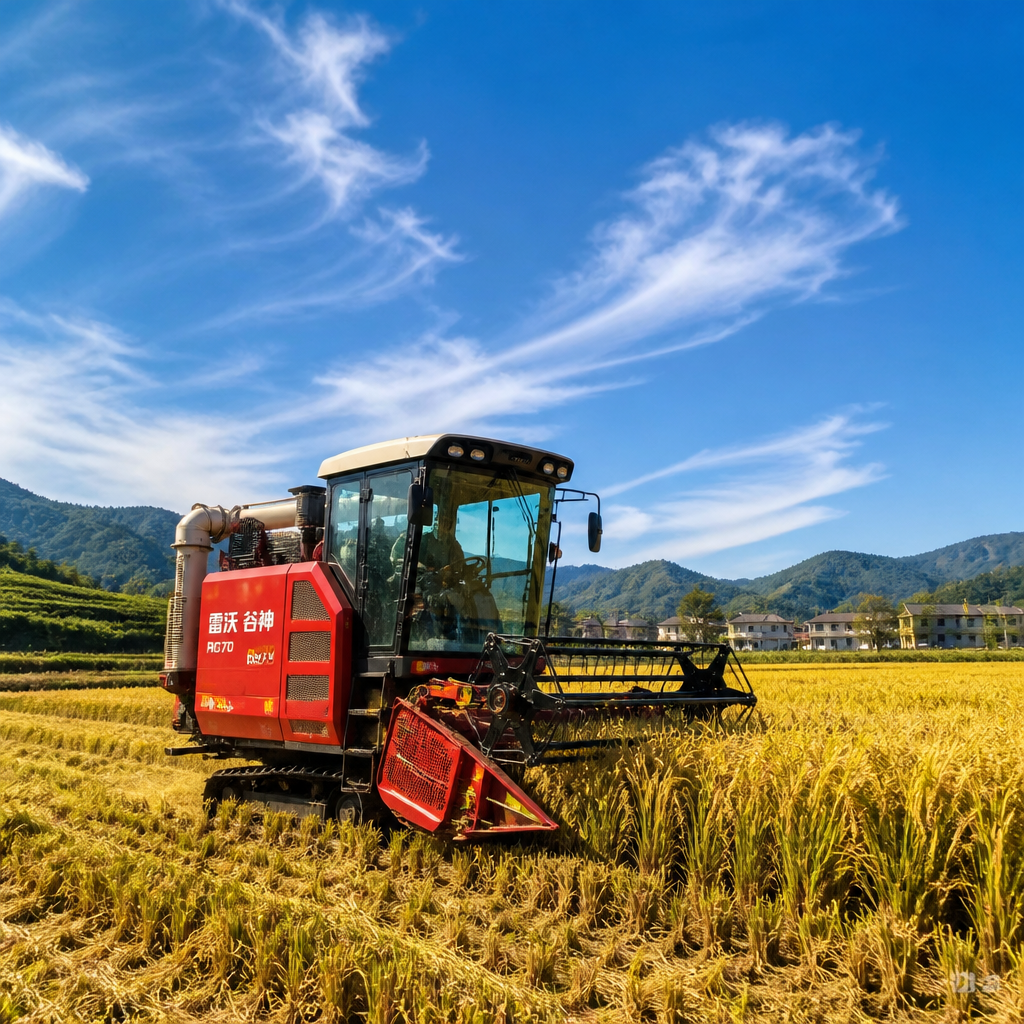
Cereals: Such as wheat, barley, and oats. These crops benefit from the efficiency of combine harvesters, which can cut, thresh, and clean grain in a single operation.

Oilseeds: Crops like canola and soybeans are also effectively harvested with combines, which can handle the varying moisture levels and crop densities.

Corn and Maize: Harvesters equipped with specific attachments can efficiently harvest corn, separating the cobs from the stalks and leaving minimal waste. For instance, the Tractor Mounted 2 Row Corn Harvester with Gearbox Drive is designed to enhance efficiency in maize harvesting.

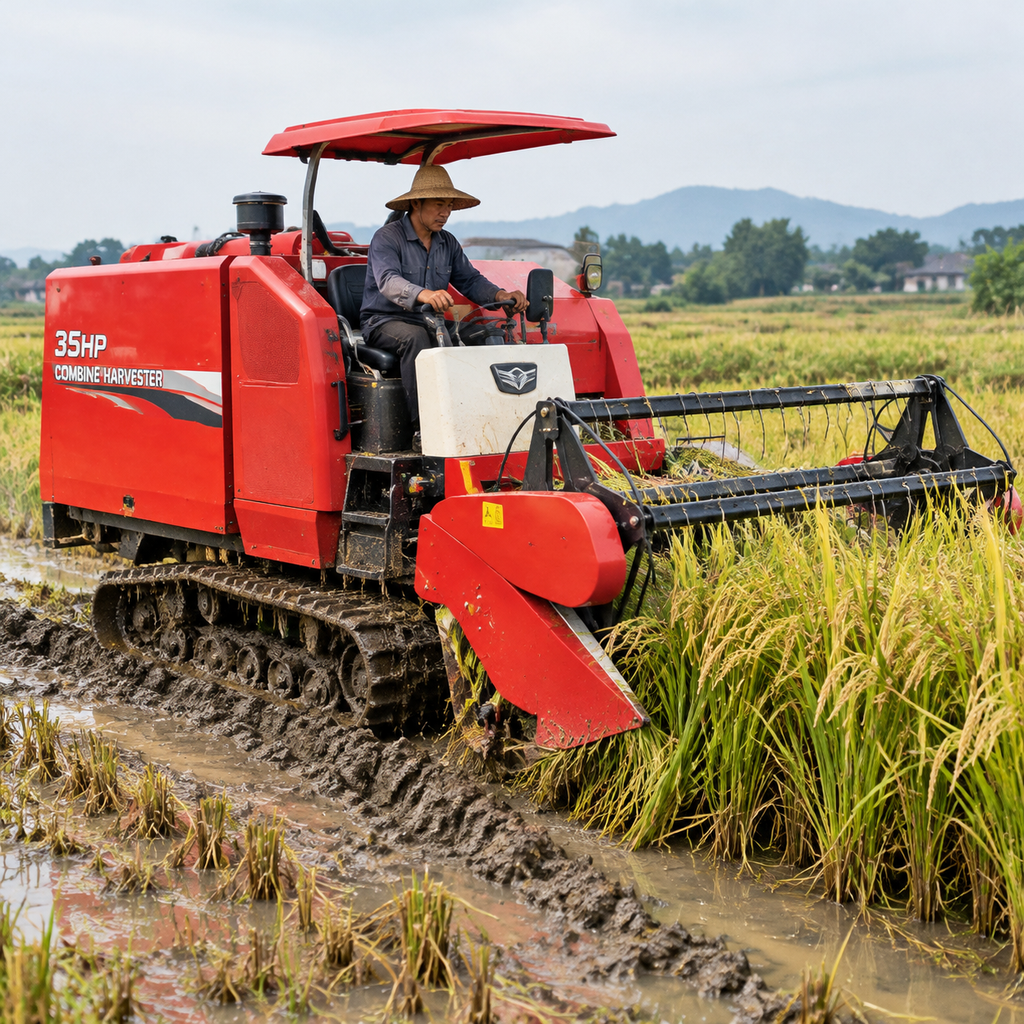
Rice: Specialized combine harvesters can be used for rice paddies, where they can work effectively in wet conditions.

Selecting the right combine harvester for the specific crop type is essential, as each crop has unique harvesting requirements that can impact yield quality and overall productivity.

Bulk Order Options for Cost-Effective Combine Harvesters

Bulk Order Options for Cost-Effective Combine Harvesters

When considering a bulk purchase of combine harvesters, it’s essential to understand the potential cost benefits. Many manufacturers, including Agripros, offer discounts for bulk orders, which can significantly reduce the overall cost per unit. Here are some aspects to consider:

Minimum Order Quantity (MOQ): Discuss the MOQ with your supplier. This number can vary based on the model and configuration of the harvester.

Customization Options: Buying in bulk often allows for customization, ensuring that the machines meet specific operational needs. This could involve modifying certain features, such as header size or technology packages. For example, if you're looking to enhance your farming capabilities, consider the 8-25HP Diesel Walk Behind Tractor Water-Cooled Hand Start Farm Tractor for additional power.

Lead Times: Ensure you discuss the lead times for bulk orders. Manufacturers may have different production schedules, especially for customized units.

Warranty and Maintenance Packages: Inquire about warranty terms and any bundled maintenance packages that can provide additional savings over time.

Purchasing in bulk can lead to substantial savings, making it a strategic option for larger agricultural operations.

Installation Guidance for Your New Combine Harvester Machine

Installation Guidance for Your New Combine Harvester Machine

Proper installation and setup of your combine harvester are critical for optimal performance. Here are some key steps to follow:

Site Preparation: Ensure that the area where the harvester will be stored is accessible and equipped with necessary utilities for maintenance operations.

Assembly Instructions: Follow the manufacturer's assembly instructions carefully. If you opt for additional features or attachments, ensure they are installed correctly to avoid operational issues.

Calibration: After setup, calibrate the machine according to the manufacturer's specifications. This may include adjusting settings for the cutting height and grain flow rate.

Operational Training: Train your operators on the proper use of the harvester, focusing on safety protocols and routine maintenance checks. Familiarity with the machine will enhance productivity and reduce the risk of accidents.

Initial Testing: Conduct a test run in a controlled environment to ensure all systems are functioning correctly before full-scale operation begins.

Proper installation and training can significantly enhance the efficiency and longevity of your combine harvester.

Choosing the Right Combine Harvester for Your Agricultural Needs

Selecting the right combine harvester involves careful consideration of various factors:

Crop Type: As previously mentioned, the specific crops you will be harvesting can influence your choice. Ensure the harvester is capable of handling the particular characteristics of your primary crops.

Field Conditions: Assess the terrain and soil type of your fields. Heavier machines may struggle in soft or muddy conditions, while lighter models may not withstand rocky terrains.

Budget Constraints: Determine your budget, considering both the upfront cost and long-term operational expenses. Higher-priced models may offer advanced features that can lead to cost savings in the long run.

Brand Reputation and Support: Investigate the manufacturer’s reputation for quality and customer support. A reliable supplier will provide not only a quality product but also the necessary support for maintenance and troubleshooting.

Resale Value: Consider the potential resale value of the harvester. Models from well-respected manufacturers tend to hold their value better, which is an important consideration for future investments.

By carefully evaluating these factors, you can select a combine harvester that meets your operational requirements and budget constraints effectively.

In summary, understanding the combine harvester machine price is just one part of the equation. With the right specifications, applications, purchasing strategies, installation guidance, and selection criteria, you can make a well-informed decision that supports your agricultural endeavors effectively.

Specifications to Look for in a Combine Harvester Machine

When evaluating combine harvesters, several specifications should be at the forefront of your decision-making process. Key specifications include:

Engine Power: The engine's horsepower significantly affects the harvester's performance in various field conditions. Higher horsepower allows for more efficient harvesting, especially in tougher terrains or when handling dense crops.

Cutting Width: The width of the cutting header is critical as it directly impacts productivity. Wider headers can cover more ground in a single pass, reducing harvesting time and labor costs.

Grain Tank Capacity: A larger grain tank allows for longer harvesting runs before needing to unload, which can enhance efficiency on larger farms.

Weight and Dimensions: The weight and overall dimensions of the harvester affect its mobility and capability to navigate different field types. Ensure the machine can operate efficiently in your specific field conditions.

Technology Integration: Many modern combine harvesters come equipped with precision agriculture technologies, such as GPS and yield monitoring systems. These features can help optimize crop management and improve yield estimates.

Understanding these specifications is vital, as they can directly impact the performance and efficiency of the combine harvester in your specific agricultural environment.

Get a Free Quote

Our representative will contact you soon.
0/1000