Wholesale Supplier Options for Combine Harvesters

application/combine-harvester-and-tractor, application/combine-harvester-and-tractor, 
Inquiry
application/combine-harvester-and-tractor, application/combine-harvester-and-tractor, 
Inquiry

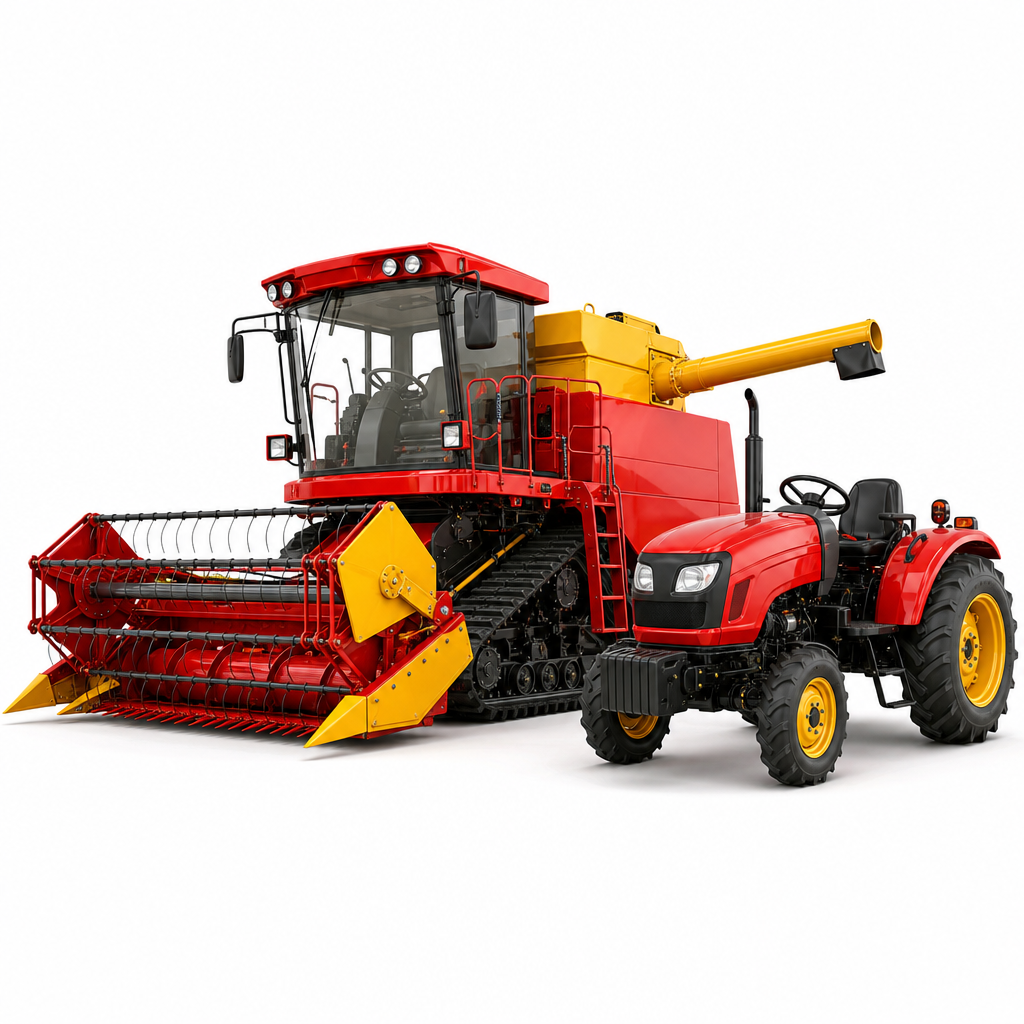
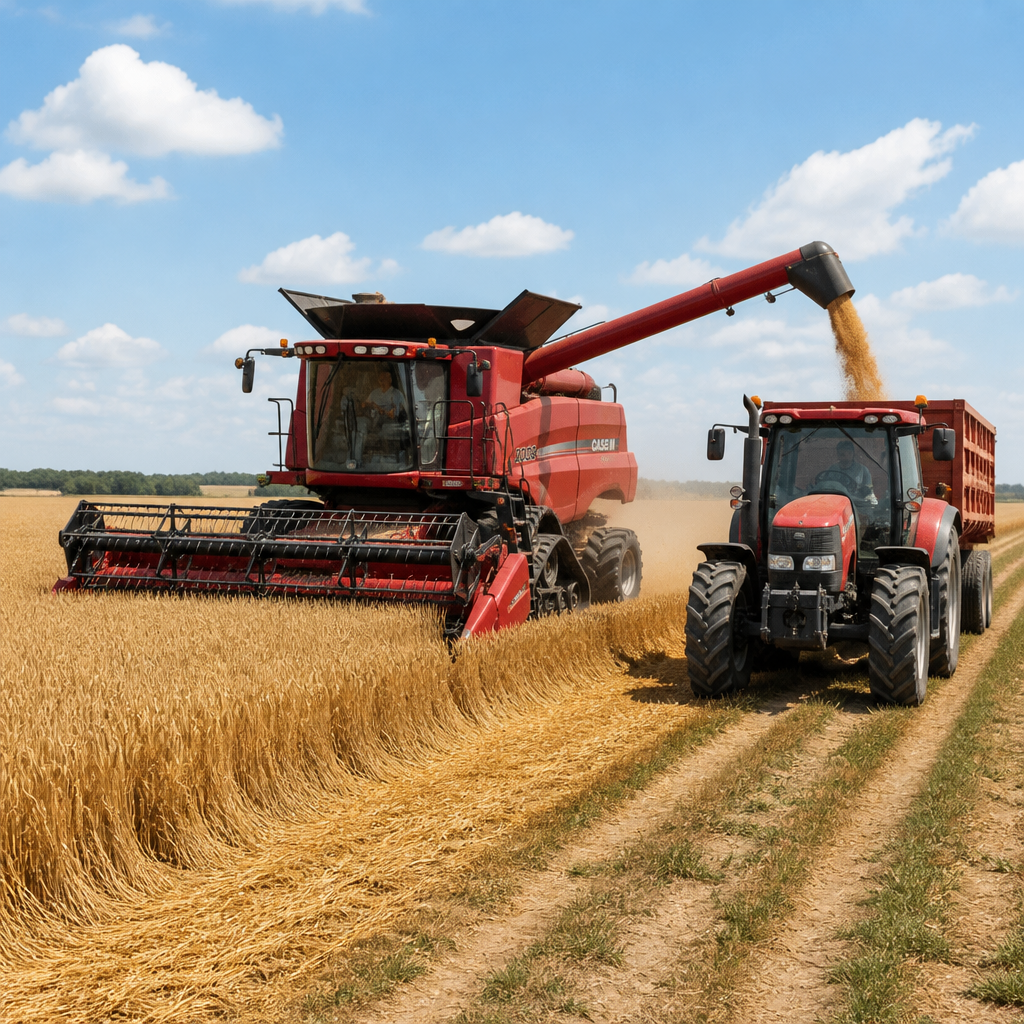
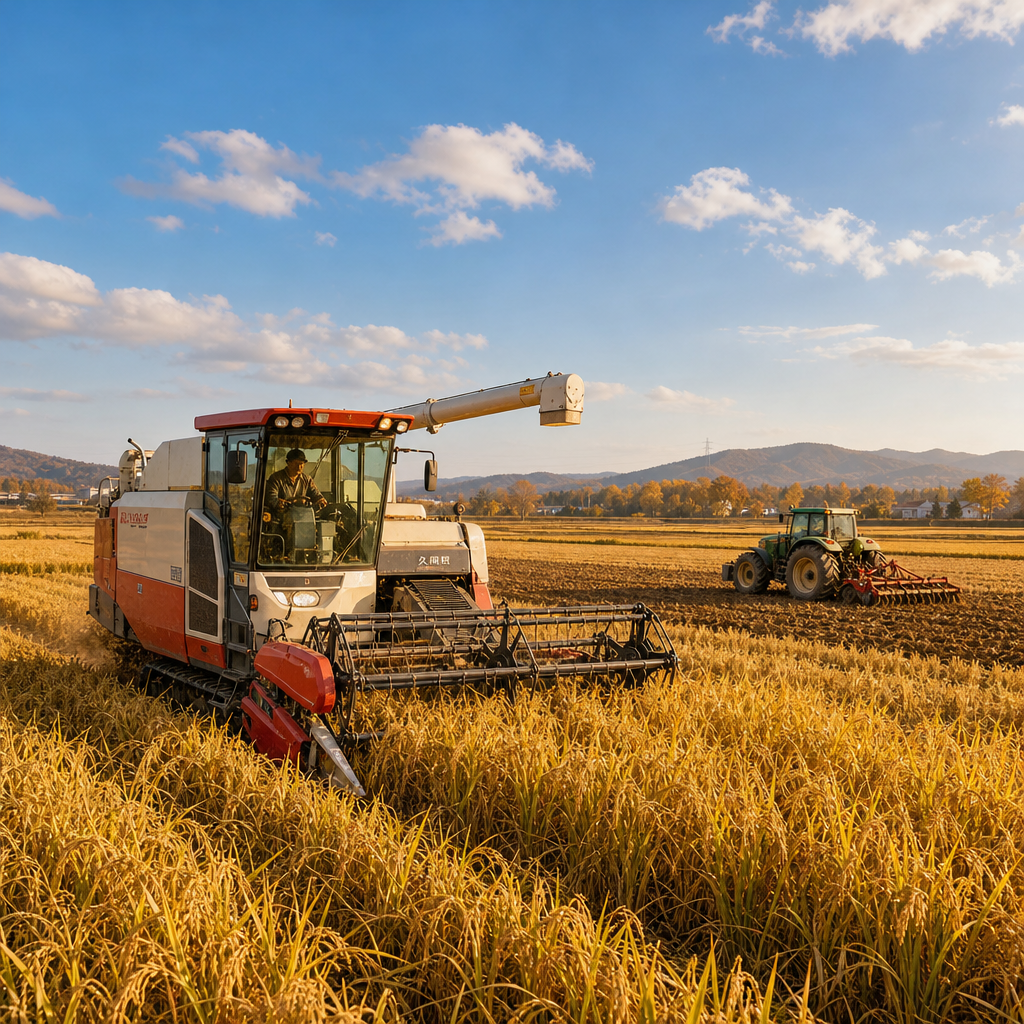
combine harvester and tractor

Combine harvesters and tractors are essential agricultural machines that significantly enhance productivity on farms and plantations. Understanding the features, costs, and supplier options for these machinery types can help purchasing managers and agricultural businesses make informed decisions. This article will provide insights into wholesale supply options for quality tractors and harvesters, highlight key features of combine harvesters, outline essential buyer considerations, discuss cost factors for bulk orders of agricultural equipment, and guide readers on where to find reliable suppliers for agricultural machinery.

Key Features of Combine Harvesters

Key Features of Combine Harvesters

Combine harvesters are sophisticated machines designed to efficiently harvest crops by performing multiple tasks in a single operation. Here are some key features to consider:

Cutting Width: The width of the cutter bar directly affects the volume of crops harvested. A wider cutter bar can improve efficiency but may require a more powerful tractor for operation.

Grain Tank Capacity: A larger grain tank allows for longer harvesting periods without the need for frequent unloading, leading to increased productivity on the field.

Engine Power: The engine power affects the machine's performance, especially in challenging terrains. Buyers should evaluate the horsepower requirements based on the types of crops and field conditions.

Header Types: Different headers can be used for various crops, such as grain, corn, or soybeans. Selecting the appropriate header type is crucial for maximizing harvesting efficiency.

Technology Integration: Modern combine harvesters often come with advanced technology, such as GPS guidance and yield monitoring systems. These features enhance precision agriculture practices, providing valuable data for future planting and harvesting decisions.

Understanding these features allows buyers to match their specific agricultural needs with the right combine harvester, ensuring optimal performance and efficiency.

What Buyers Should Know

What Buyers Should Know

Before purchasing combine harvesters and tractors, buyers should be equipped with specific information to facilitate a smooth procurement process. Here are some critical points to consider:

Specifications: Buyers should confirm key specifications, including engine power, cutting width, and tank capacity, to ensure the machinery aligns with their operational requirements.

Customization Options: Many suppliers offer customization capabilities. Buyers should communicate their specific needs, such as modifications for unique crop types or terrain, to ensure the machinery meets operational demands.

Sample Approval: Before mass production, it’s advisable to request a sample or prototype to evaluate its performance under actual operating conditions. This step can help identify any potential issues before placing a bulk order.

Warranty and Support: Understanding the warranty offered by the supplier and the type of after-sales support available is essential. This includes maintenance services, availability of spare parts, and technical support.

Lead Times: Buyers should inquire about lead times for delivery, especially if ordering customized machinery. This helps in planning farm operations and ensuring that equipment is available when needed.

By being informed about these factors, buyers can make more strategic decisions that align with their operational goals.

Cost Considerations for Bulk Orders of Agricultural Equipmen

Cost Considerations for Bulk Orders of Agricultural Equipmen

When considering bulk orders of tractors and combine harvesters, several cost factors come into play that can significantly impact the overall investment. Here are some key considerations:

Unit Price: The initial unit price is an obvious factor, but it’s important to understand how pricing may vary based on customization, specifications, and order volume. Suppliers often offer discounts on larger orders, which can lead to substantial savings. For instance, the Tractor Mounted 2 Row Corn Harvester with Gearbox Drive is a great option to consider for bulk orders.

Shipping Costs: These can vary based on the destination and the logistics involved. Buyers should clarify shipping arrangements and associated costs upfront to avoid unexpected expenses.

Import Duties and Taxes: For international purchases, understanding the import duties and taxes that may apply is crucial. This can affect the overall cost and should be factored into the total budget.

Maintenance and Operating Costs: While the purchase price is important, buyers should also consider ongoing maintenance costs and fuel efficiency, as these will impact long-term operational budgets.

Financing Options: Investigating financing options or payment plans offered by suppliers can provide flexibility in budgeting for large purchases, making it easier for businesses to manage cash flow.

By carefully evaluating these cost considerations, buyers can ensure they make a financially sound decision that supports their agricultural operations.

Where to Find Reliable Suppliers for Agricultural Machinery Equipmen

Finding reliable suppliers for agricultural machinery, such as tractors and combine harvesters, requires thorough research and consideration. Here are some strategies for locating trustworthy suppliers:

Industry Associations and Trade Shows: Participating in agricultural trade shows can provide direct access to various suppliers, allowing buyers to see machinery firsthand and discuss features and pricing.

Online Marketplaces and Directories: Websites that specialize in B2B agricultural equipment can provide a wealth of supplier options. Buyers can compare products, read reviews, and request quotes from multiple suppliers.

Networking with Peers: Engaging with other agricultural professionals can provide insights and recommendations for reputable suppliers. Learning from peers' experiences can help avoid potential pitfalls.

Supplier Certifications: When evaluating potential suppliers, prioritize those with recognized certifications, such as CE and ISO 9001. These certifications indicate a commitment to quality and compliance with industry standards.

Requesting References: Before finalizing a supplier, requesting references from other customers can provide insights into the supplier's reliability and service quality.

By employing these strategies, buyers can enhance their chances of finding reliable suppliers that meet their agricultural machinery needs, ultimately leading to more efficient and productive farming operations.

Wholesale Supplier Options for Quality Tractors and Harvesters

When sourcing tractors and combine harvesters, buyers should consider wholesale supplier options that provide reliable, high-quality machinery. Agripros, for instance, has established a strong reputation for designing and supplying agricultural machinery across 40 countries. A key factor in evaluating suppliers is their certifications, such as CE and ISO 9001, which ensure compliance with international quality standards. For example, their 8-25HP Diesel Walk Behind Tractor Water-Cooled Hand Start Farm Tractor showcases the quality and reliability they offer.

Additionally, buyers should assess the supplier's manufacturing capabilities, including the types of machinery offered, production equipment, and the ability to customize equipment based on specific operational needs. For example, a supplier that can tailor tractors or harvesters to specific soil types or crop conditions can provide added value for agricultural operations.

It's also important to consider the supplier's quality control processes. Look for suppliers that implement rigorous testing and inspection protocols to ensure that each machine meets performance and durability standards before shipment. Establishing a relationship with a reputable supplier can also lead to favorable terms on bulk orders, enhancing the overall purchasing experience.

Get a Free Quote

Our representative will contact you soon.
0/1000