Factors Influencing New Combine Harvester Prices

application/combine-harvester-price-new, application/combine-harvester-price-new, 
Inquiry
application/combine-harvester-price-new, application/combine-harvester-price-new, 
Inquiry

combine harvester price new

When considering the purchase of a new combine harvester, understanding the factors that influence combine harvester prices is essential for B2B buyers, including purchasing managers, distributors, and engineers. The combine harvester price new can vary widely based on specifications, quality, and features. This article aims to guide you through critical aspects to evaluate when comparing prices, ensuring that you make an informed decision that aligns with your operational needs.

How to Evaluate Quality in New Combine Harvesters

How to Evaluate Quality in New Combine Harvesters

Quality assessment is vital when investing in new combine harvesters. Start by reviewing the materials used in construction, such as the durability of components like the cutting header and auger. High-quality steel components often mean better resistance to wear and tear, which is crucial for long-term performance.

Next, examine the manufacturing process. Reputable manufacturers, like Agripros, typically follow stringent quality control processes throughout production. This includes regular inspections and testing at various stages, ensuring that every unit meets specified standards before reaching the customer. Requesting detailed information about these processes can provide insights into the expected lifespan and reliability of the equipment.

Finally, customer reviews and case studies can serve as practical references. Seek feedback from other buyers on their experiences with the harvester's performance, maintenance needs, and overall satisfaction. Such insights can help you gauge real-world performance beyond specifications.

Cost Benefits for Combine Harvesters

Cost Benefits for Combine Harvesters

Investing in a new combine harvester can lead to significant cost benefits over time. While the upfront cost may seem high, consider the efficiency gains. Modern combine harvesters are designed to maximize productivity, often reducing the time needed for harvesting and minimizing losses during the process. This can translate to increased yield and a faster return on investment.

Another cost benefit lies in fuel efficiency. Newer models are engineered with advanced technology that optimizes fuel consumption, allowing for lower operating costs. Additionally, consider the reduced labor costs with enhanced automation features, which can minimize the workforce required during peak harvest times.

Lastly, factor in the reliability and reduced maintenance costs associated with newer equipment. A robust warranty and the availability of parts can mitigate unexpected expenses, making it easier to budget effectively over the machine’s lifecycle.

Common Problems with Combine Harvesters and Their Solutions

Common Problems with Combine Harvesters and Their Solutions

Despite their benefits, combine harvesters can encounter various issues. A common problem is clogging, often caused by improper settings or wet crop conditions. To mitigate this, ensure proper calibration and regular maintenance checks. Understanding the conditions under which your harvester operates can help prevent such issues.

Mechanical failures are another concern. Regular servicing, including checking belts and bearings, can identify wear before it leads to costly breakdowns. Buyers should inquire about the manufacturer's recommended maintenance schedule and whether they provide support for routine inspections.

Finally, technology integration issues can arise, particularly with GPS or automated systems. Ensure that your team is trained in using these technologies effectively, and consider investing in ongoing training or support from the manufacturer to maximize the benefits of these advanced features.

A Detailed Overview

When selecting a new combine harvester, gather detailed information about the product specifications. Key parameters to verify include:

Engine power (measured in horsepower) to ensure it meets your operational requirements.Cutting width and grain tank capacity, which directly impact productivity.Weight and dimensions, as they affect maneuverability and transport logistics.

Additionally, consider the materials used in construction. High-strength steel components can enhance durability, while advanced coatings can improve resistance to corrosion. Understanding the manufacturing capabilities of the supplier can also provide insights into the quality of the product.

Evaluate the production capacity of the manufacturer and their ability to meet demand, especially during peak seasons. Also, inquire about customization options available to tailor the harvester to your specific operational needs.

Finally, ensure that you understand the packaging and shipping procedures to avoid damage during transport. Discuss the minimum order quantities (MOQ) and lead times to align your purchasing strategy with your operational timelines.

By considering all these factors, B2B buyers can make informed decisions when evaluating new combine harvester prices, ensuring that their investment leads to improved efficiency and productivity on their farms.

What to Consider When Comparing Combine Harvester Prices

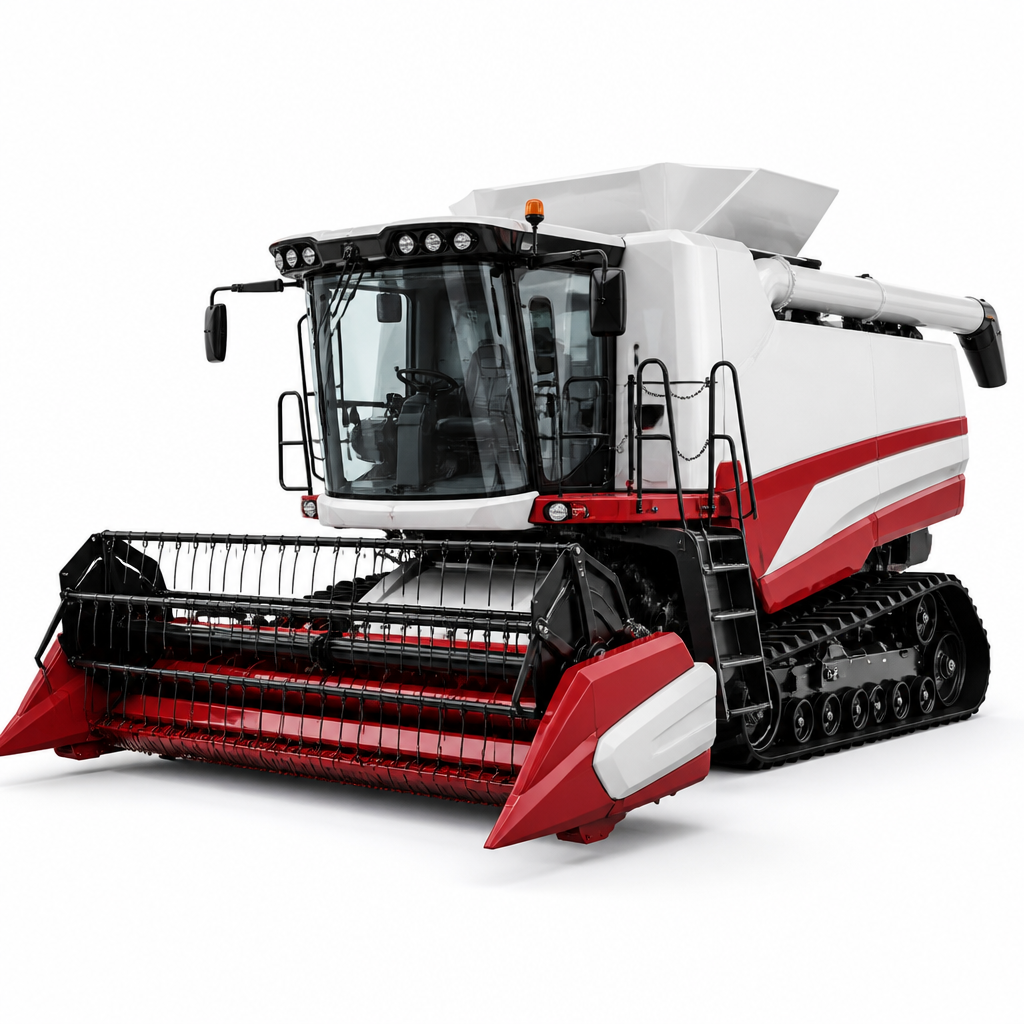
Several key factors influence the price of new combine harvesters. First, model and specifications play a crucial role; different models come equipped with varying features like cutting width, horsepower, and technology integration (such as GPS and automation). Higher specifications typically command a higher price due to advanced functionalities that can enhance productivity. For instance, a Mini Crawler Combine Harvester offers unique features that can significantly impact your operational efficiency.

Another consideration is manufacturer reputation and certification. Brands with certifications like CE/ISO 9001 often provide greater assurance of quality and compliance with international standards, which may justify a higher price point. Additionally, consider the after-sale support offered by manufacturers, including warranties, parts availability, and service networks, as these factors can impact the long-term cost of ownership. For example, a reputable manufacturer of diesel walk-behind tractors may offer better support compared to lesser-known brands.

Lastly, evaluating customization options can affect the price. Tailored features designed to meet specific agricultural needs, such as crop types or terrain conditions, may come at an additional cost but can lead to better operational efficiency.

Frequently Asked Questions

What affects the price of a new combine harvester?

Price depends on model size, engine power, header type, automation features, and optional attachments. Certification, warranty and after-sales support also influence cost.
Yes. We provide models and quotes tailored to small, medium, and large farms, matching capacity and cost to your operation and crop types.
Financing and payment terms can be arranged case-by-case, including leasing or installment plans. Contact sales for eligibility and detailed terms.
Our combines include CE and ISO 9001-certified quality, plus manufacturer warranty and lifecycle support for parts and service as per the chosen model.
Request a quote by providing crop type, acreage, desired features, and delivery location. Our team will assess needs and send a tailored price and timeline.

Get a Free Quote

Our representative will contact you soon.
0/1000