Choosing the Right Wheat Combine Harvester

application/wheat-combine-harvester, application/wheat-combine-harvester, 
Inquiry
Inquiry

wheat combine harvester

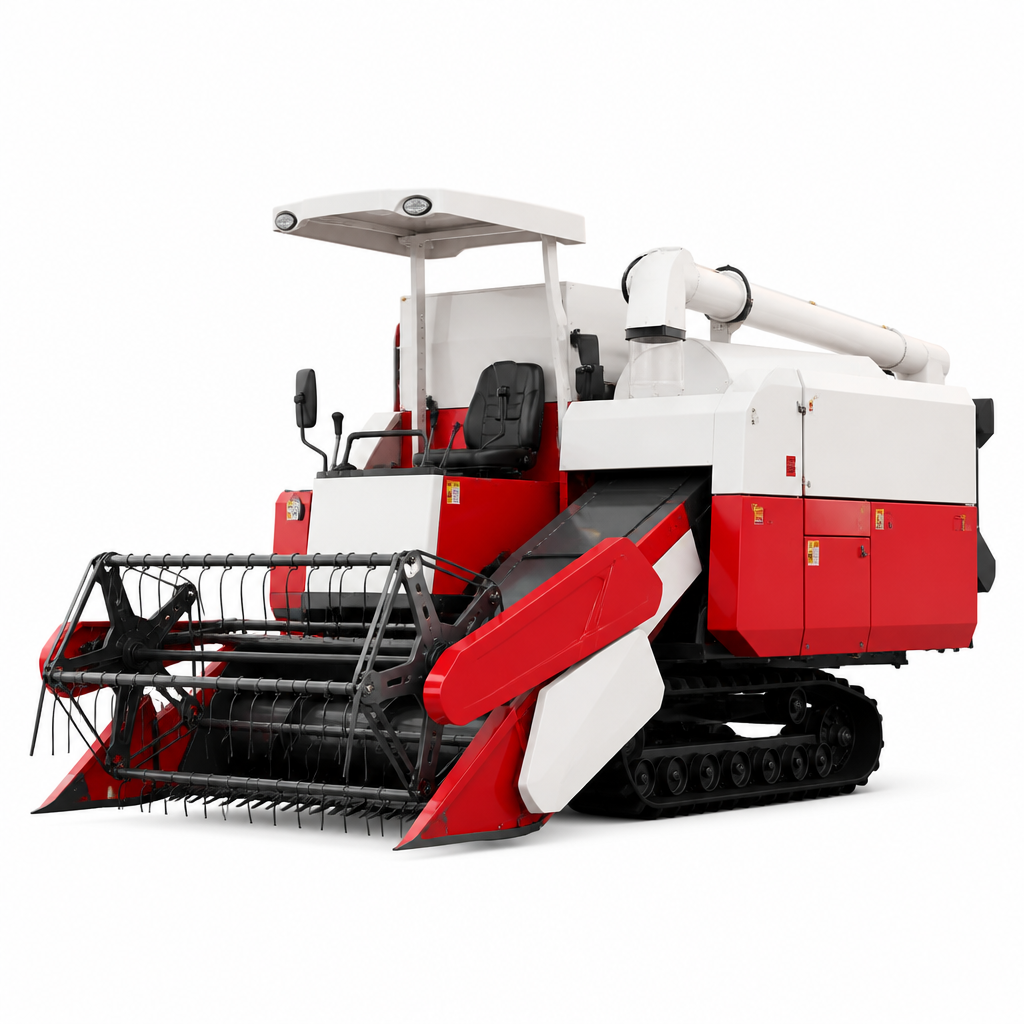
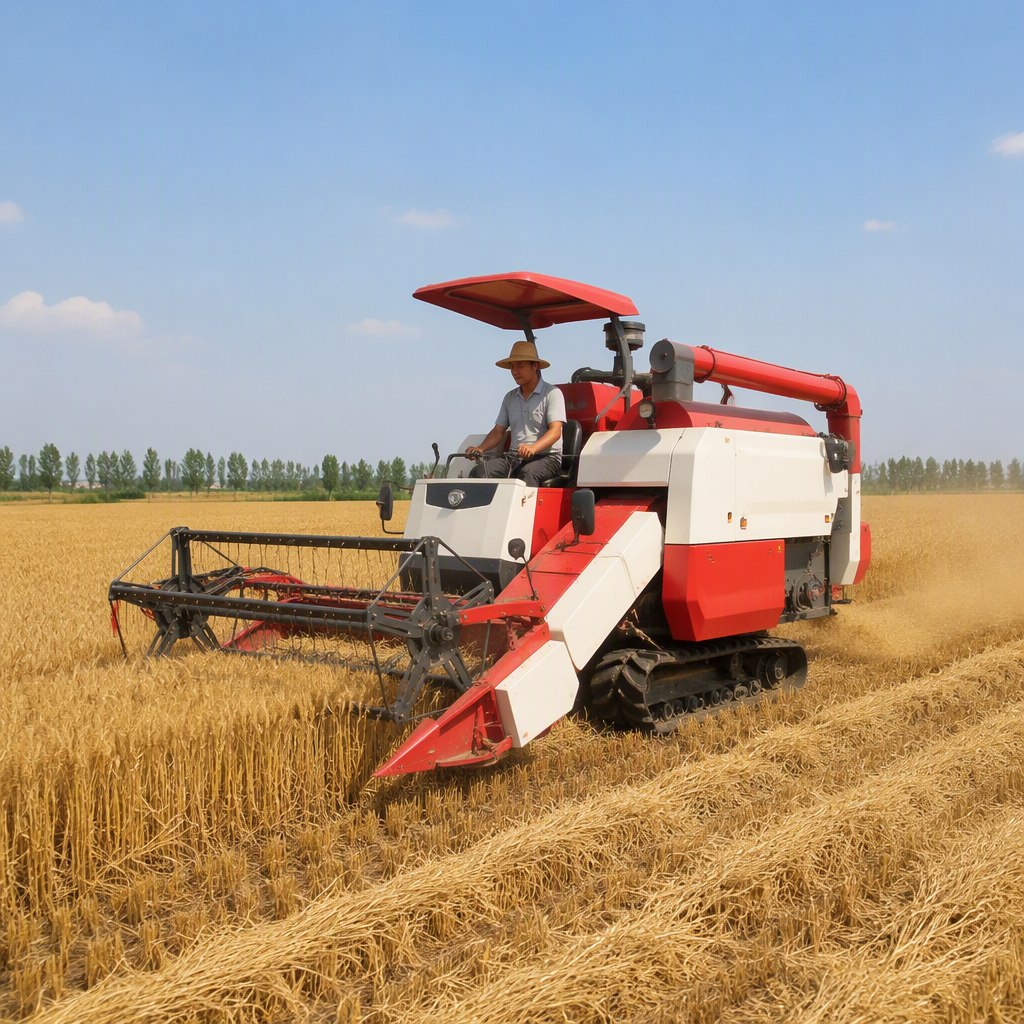
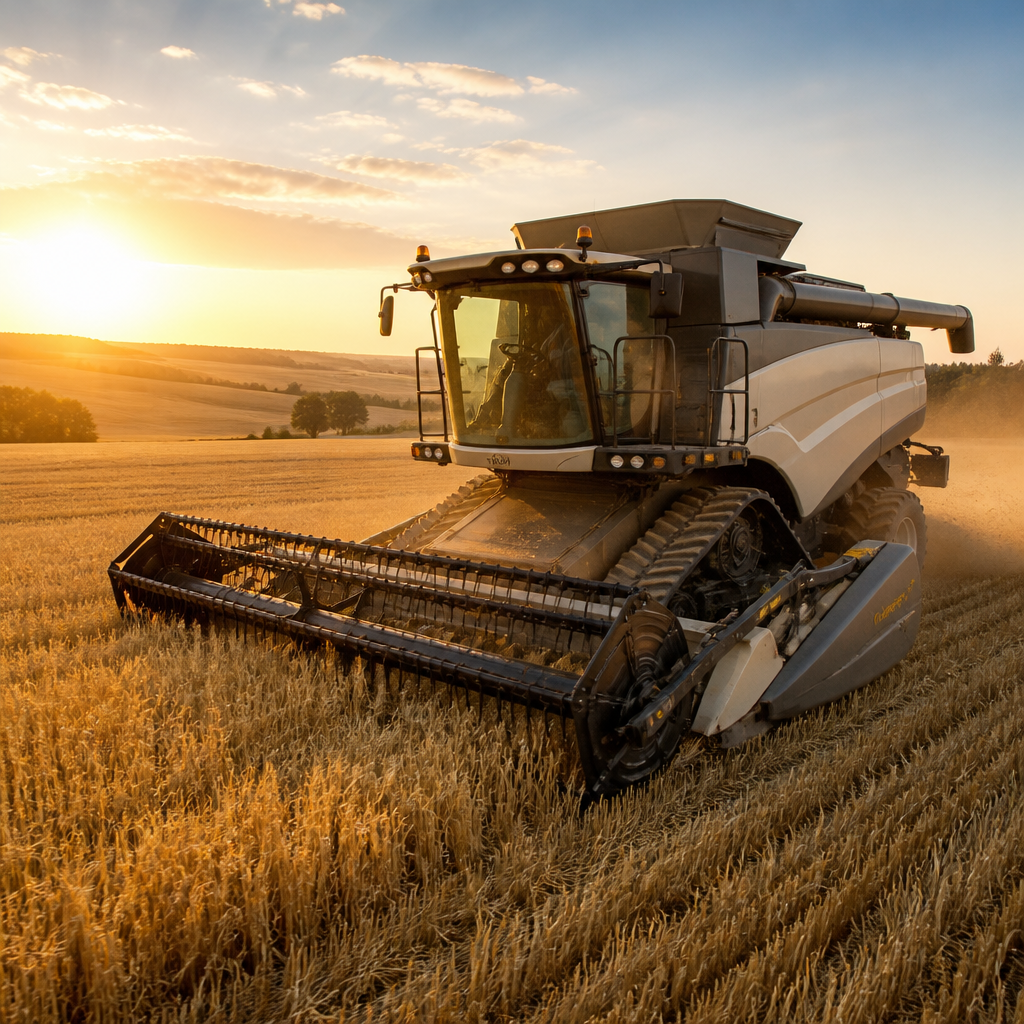
Choosing the right wheat combine harvester is crucial for maximizing productivity and efficiency in your agricultural operations. This article will delve into vital aspects of wheat combine harvesters, addressing common buyer concerns such as specifications, installation, and reliable suppliers. Understanding these factors will empower you to make informed decisions that enhance your harvesting processes and overall yield.

Key Specifications to Consider When Sourcing Wheat Combine Harvesters

Key Specifications to Consider When Sourcing Wheat Combine Harvesters

When sourcing wheat combine harvesters, focus on key specifications that directly impact performance and suitability. Here are several critical specifications to consider:

Engine Power: The engine’s horsepower dictates the machine's capacity to handle various field conditions. More powerful engines can operate larger headers and perform efficiently in tough terrain.

Cutting Width: The header width affects the harvesting speed and efficiency. A wider header can cover more ground quickly but may require more horsepower and careful maneuvering.

Grain Tank Capacity: A larger grain tank allows for longer harvesting runs without the need for frequent unloading, which enhances productivity.

Thresher Type: Different threshing technologies (e.g., axial flow vs. conventional) offer varying efficiency levels. Axial flow systems generally provide better grain quality and are less prone to losses.

Weight and Dimensions: Ensure that the harvester's dimensions and weight are suitable for your operational needs and transport capabilities. For example, a mini diesel tractor can be a great addition to complement your harvesting equipment.

By thoroughly assessing these specifications, you can better align your purchase with your unique operational requirements and maximize your investment.

What to Look for in Wheat Combine Harvesters

What to Look for in Wheat Combine Harvesters

When evaluating potential wheat combine harvesters, focus on several essential features that enhance productivity and ease of use:

Technology Integration: Modern harvesters often come equipped with GPS and precision agriculture technology, which can optimize field mapping and improve harvesting efficiency. Look for models that support data collection and analysis for better decision-making.

Durability and Build Quality: Inspect the materials used in construction. High-quality steel and robust components contribute to longevity and reduce the likelihood of breakdowns during critical harvesting periods.

Adjustability Features: Harvesters with adjustable settings for cutting height and threshing speed allow for customization based on crop conditions, which can lead to improved yields and reduced grain damage.

Ease of Maintenance: Choose models designed for easy access to critical components for routine maintenance. This design feature can minimize downtime and ensure that your harvester remains in optimal working condition.

By prioritizing these features, you can select a wheat combine harvester that not only meets your current needs but also adapts to future challenges.

Installation Guidance for Efficient Use of Wheat Combine Harvesters

Installation Guidance for Efficient Use of Wheat Combine Harvesters

Proper installation and setup of your wheat combine harvester are pivotal for achieving optimal performance. Begin by carefully reviewing the manufacturer’s guidelines to ensure compliance with installation specifications.

Initial Checks: Before commencing installation, inspect all components for any shipping damage. Confirm that all necessary tools are available for assembly.

Calibration: Following assembly, calibrate the harvester according to the manufacturer's instructions. This step is crucial for ensuring that the cutting height, threshing speed, and other operational parameters are set correctly.

Operator Training: Adequate training for operators is essential. Conduct training sessions to familiarize them with the machine’s controls and features, particularly the advanced technology aspects.

Test Runs: Perform test runs in controlled conditions before the main harvesting season. This practice allows for adjustments to be made and familiarizes operators with the machine's handling under real operational conditions.

Where to Find Reliable Suppliers of Wheat Combine Harvesters Globally

Finding a dependable supplier for your wheat combine harvester is essential for ensuring quality and support. Agripros (Beijing Worldlink Commerce Co., Ltd.) is a noteworthy option, recognized for its commitment to high standards and tailored agricultural machinery solutions. However, when exploring suppliers, consider the following criteria:

Certifications: Verify that potential suppliers hold relevant certifications such as CE and ISO 9001, which indicate adherence to international quality standards.

Customer Support and Service: Evaluate the level of after-sales support offered by suppliers. Reliable customer service can significantly impact maintenance and operational efficiency.

Market Reputation: Research the supplier's reputation within the industry. Customer reviews and case studies can provide insights into the supplier’s reliability and product performance.

Customization Options: If your operations require specific modifications or features, ensure the supplier offers customization capabilities to meet your unique needs. For example, they may provide options for a gasoline water pump that complements your harvesting setup.

By focusing on these criteria, you can identify suppliers that not only provide high-quality wheat combine harvesters but also support your operational requirements effectively.

In summary, understanding the various aspects of wheat combine harvesters—from specifications to supplier evaluation—will empower you to make informed purchasing decisions that enhance your agricultural productivity.

Choosing the Right Wheat Combine Harvester for Your Operations

Selecting a suitable wheat combine harvester involves evaluating several critical factors aligned with your farming practices and crop conditions. First, assess the scale of your operation—larger farms may benefit from high-capacity models that can handle increased throughput, while smaller operations might find more compact solutions adequate.

Next, consider the terrain and crop type. For instance, if your farm has uneven or hilly land, opt for models equipped with advanced technology such as automatic leveling systems. This feature ensures consistent performance across varying landscapes, reducing the risk of crop damage. Additionally, certain harvesters are optimized for specific wheat varieties, so it is essential to confirm compatibility with the crops you cultivate.

Lastly, evaluate the machine's ease of use and maintenance requirements. A user-friendly interface can decrease training time for operators, while accessible maintenance points can minimize downtime during peak harvesting seasons.

Frequently Asked Questions

What crops is this wheat combine harvester designed for?

The harvester is optimized for wheat and other small grains like barley and oats. It can be configured for similar cereal crops by adjusting headers and concave settings.
Our harvesters carry CE and ISO 9001 certifications, ensuring compliance with safety and quality management standards for international markets.
Agripros offers tailored lifecycle support including spare parts, maintenance guidance, and field service planning to maximize uptime throughout the machine's service life.
Yes. We provide configurable options for header width, engine power, and grain tank capacity to suit small to large farms and plantation operations.
Contact our sales or service team to order genuine parts and receive remote or onsite technical support. We serve customers across 40 countries with dedicated assistance.

Get a Free Quote

Our representative will contact you soon.
0/1000