Choosing the Right Combine Machine for Agriculture

application/combine-machine, application/combine-machine, 
Inquiry
Inquiry

combine machine

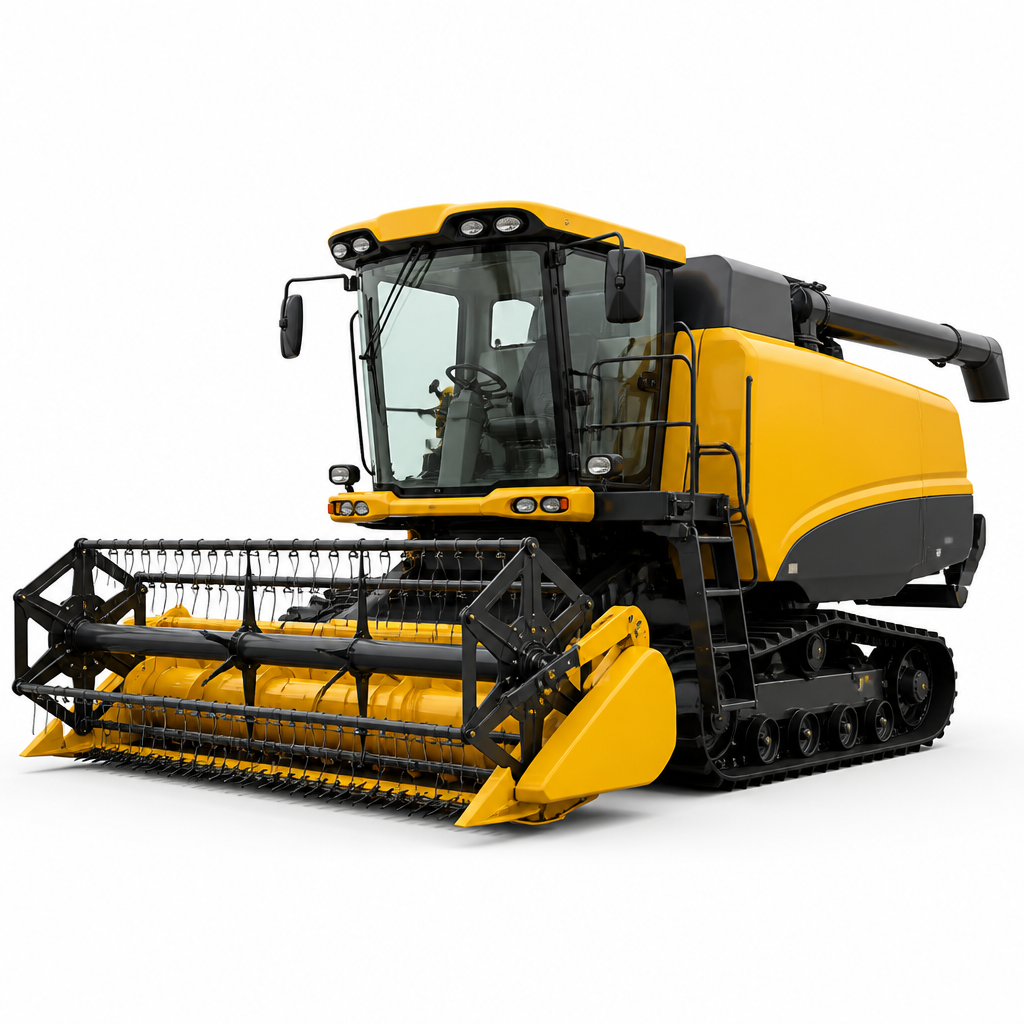
Understanding the complexities of agricultural operations is essential for making informed purchasing decisions, especially when it comes to selecting a combine machine. A combine machine plays a crucial role in streamlining harvesting processes, which can significantly affect operational efficiency and productivity. This article will guide you through the essential components of choosing the right combine machine, evaluating key specifications, finding reliable suppliers, and understanding their applications in modern agricultural practices.

Key Specifications to Evaluate in a Quality Combine Machine

Key Specifications to Evaluate in a Quality Combine Machine

When evaluating combine machines, several key specifications should be prioritized:

Engine Power: The engine's horsepower directly influences the machine's performance. A more powerful engine can handle larger loads and tougher terrains but may also require more fuel. Assess whether the engine power matches your expected harvesting conditions.

Cutting Width: The cutting width determines how much crop can be harvested in one pass. Wider cutting widths can increase productivity, but consider the maneuverability in your fields.

Grain Tank Capacity: A larger grain tank reduces the frequency of unloading during harvesting, which can save time. However, ensure that the unloading speed and system are efficient, as this will also affect your overall productivity.

Weight and Stability: The machine's weight impacts its stability on uneven ground. Heavier machines may perform better in challenging terrains but could also cause soil compaction.

Technology Features: Modern combines often come with features such as yield monitoring systems and automated settings for optimal performance. Evaluate how these technologies can aid in your operations.

Each of these specifications plays a vital role in the combine machine's efficiency and suitability for your agricultural practices. Be sure to request detailed information and possibly even demonstrations to assess how these specifications perform in real-world scenarios.

Finding Reliable Combine Machine Suppliers

Finding Reliable Combine Machine Suppliers

Identifying trustworthy suppliers is crucial in the purchasing process. Start by researching manufacturers with a strong reputation in the agricultural machinery industry. Look for companies with relevant certifications, such as CE and ISO 9001, which indicate compliance with international quality standards.

Additionally, consider their experience in the market. Suppliers with a proven track record in various countries often have the expertise to offer tailored solutions based on diverse agricultural needs. Reading customer reviews and case studies can provide insights into their reliability and customer service.

Another key factor is the supplier’s support and after-sales service. Ensure they provide comprehensive training, maintenance support, and easy access to spare parts. A supplier who is readily available for consultation can greatly enhance your operational efficiency.

Where to Buy Combine Machines in Bulk for Your Business

Where to Buy Combine Machines in Bulk for Your Business

When looking to purchase combine machines in bulk, consider leveraging direct relationships with manufacturers or authorized distributors. This not only often leads to better pricing but also ensures that you are dealing with knowledgeable representatives who can help you choose the right models for your needs.

Additionally, explore industry trade shows and agricultural expos where multiple suppliers showcase their equipment. These events provide an excellent opportunity to compare different models, ask specific questions, and even negotiate bulk purchase terms directly with manufacturers.

Online marketplaces and B2B platforms can also be effective for sourcing suppliers, but ensure that you verify their credibility through reviews and referrals. Always request detailed quotations that outline pricing, delivery terms, and warranty conditions before finalizing any bulk orders.

Applications of Combine Machines in Modern Agricultural Practices

Combine machines are pivotal in modern agriculture, serving multiple applications that enhance productivity:

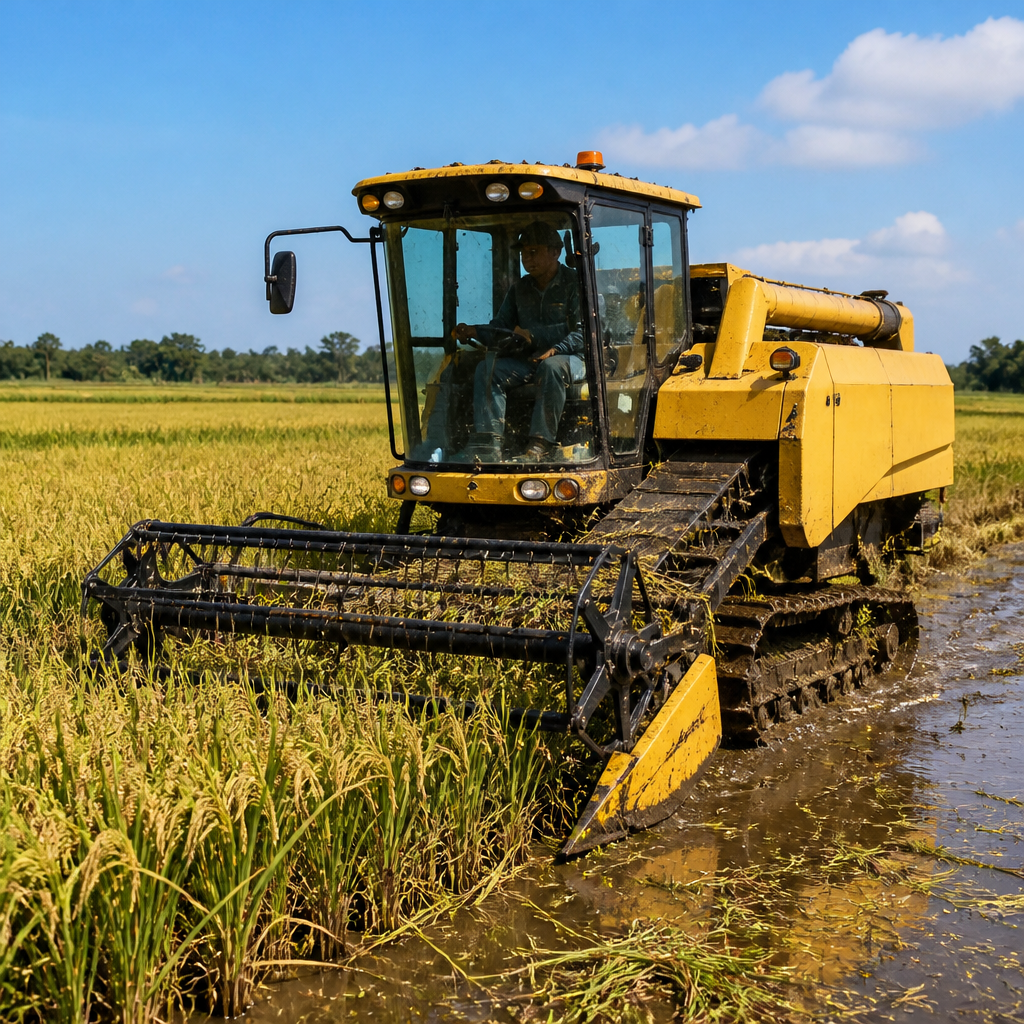
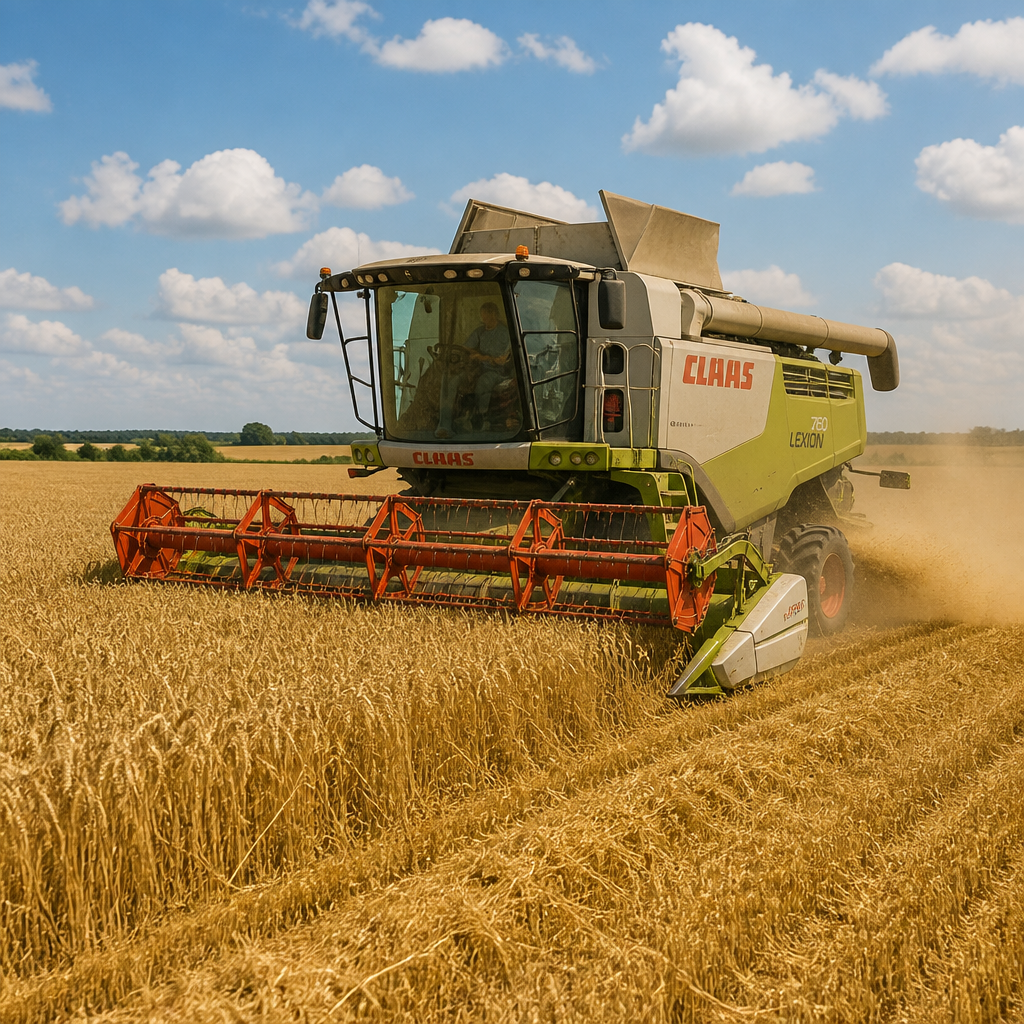
Harvesting: The primary function of combine machines is to efficiently harvest various crops, including wheat, maize, soybeans, and more. Their ability to streamline the harvesting process minimizes labor costs and time spent in the fields.

Threshing: Combines not only harvest but also thresh the grain, separating the edible part from the chaff. This dual functionality reduces the need for additional machinery, simplifying operations.

Crop Monitoring: Advanced combines equipped with sensors and monitoring systems can provide real-time data on crop yield and quality. This data is invaluable for making informed decisions regarding future planting and resource allocation.

Field Mapping: With GPS technology, combine machines can assist in field mapping, which helps in understanding soil health, crop conditions, and planning for future planting seasons. Utilizing advanced machinery such as the Diesel Multicrop Grain Thresher can further enhance your efficiency.

Implementing combine machines in your agricultural practices can significantly enhance efficiency and productivity, enabling farmers to meet growing global food demands.

By understanding these key aspects of combine machines, B2B buyers can make better-informed decisions that align with their operational needs and contribute to overall agricultural efficiency.

How to Choose the Right Combine Machine for Your Operations

Selecting the appropriate combine machine is paramount to optimizing your agricultural operations. Begin by assessing the scale of your farming activities. Consider the size of your fields, the type of crops you cultivate, and the expected yield. A larger operation may require a high-capacity combine to handle greater volumes, while smaller farms might benefit from more compact models. For instance, the 8-25HP Diesel Walk Behind Tractor Water-Cooled Hand Start Farm Tractor can be an excellent addition for smaller operations.

Next, evaluate the features that align with your operational goals. Look for machines equipped with advanced technologies, such as GPS for precision farming, which can enhance efficiency and reduce waste. Additionally, consider the machine's adaptability to various crop types, as some combines are designed specifically for certain grains or for multi-crop use, providing flexibility in your operations.

Lastly, ensure that the machine's maintenance and operational needs align with your capabilities. Understanding the service requirements and parts availability from your supplier can prevent downtime and ensure that you can continue to operate smoothly throughout the harvesting season.

Frequently Asked Questions

What is the combine machine used for?

Our combine machine harvests, threshes, and cleans grain in one pass, improving efficiency for farms and plantations across various crops.
The combine is manufactured under CE and ISO 9001 standards to ensure quality, safety, and reliable performance.
Yes. We provide tailored configurations and attachments to match crop type, field size, and operational needs as part of lifecycle solutions.
Agripros offers spare parts, maintenance guidance, technical support, and lifecycle servicing to maximize uptime and machine longevity.
We support global delivery to over 40 countries and can coordinate installation, setup guidance, and operator training as needed.

Get a Free Quote

Our representative will contact you soon.
0/1000