Choosing the Right Cultivator for Tractor Applications

application/cultivator-for-tractor, application/cultivator-for-tractor, 
Inquiry
Inquiry

cultivator for tractor

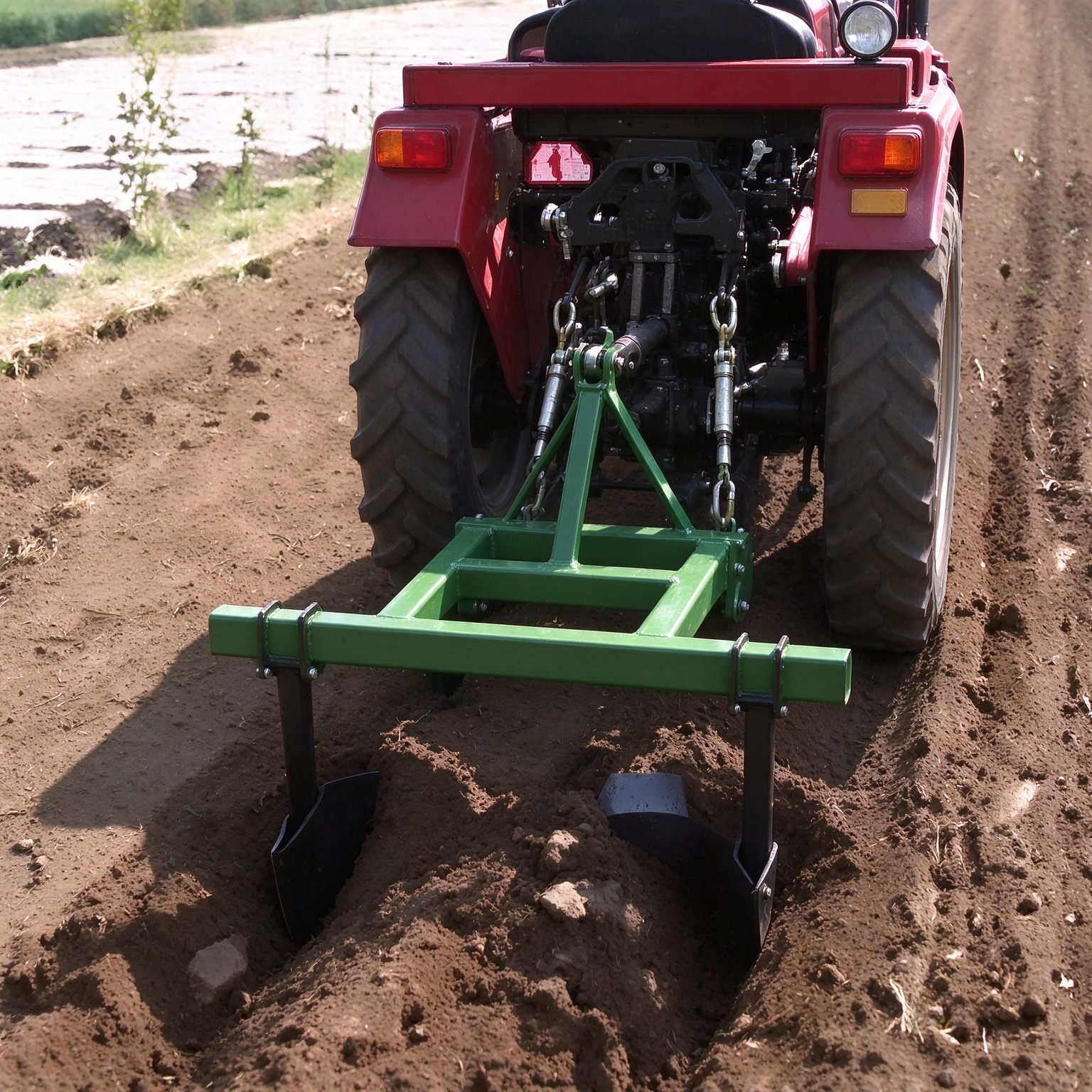
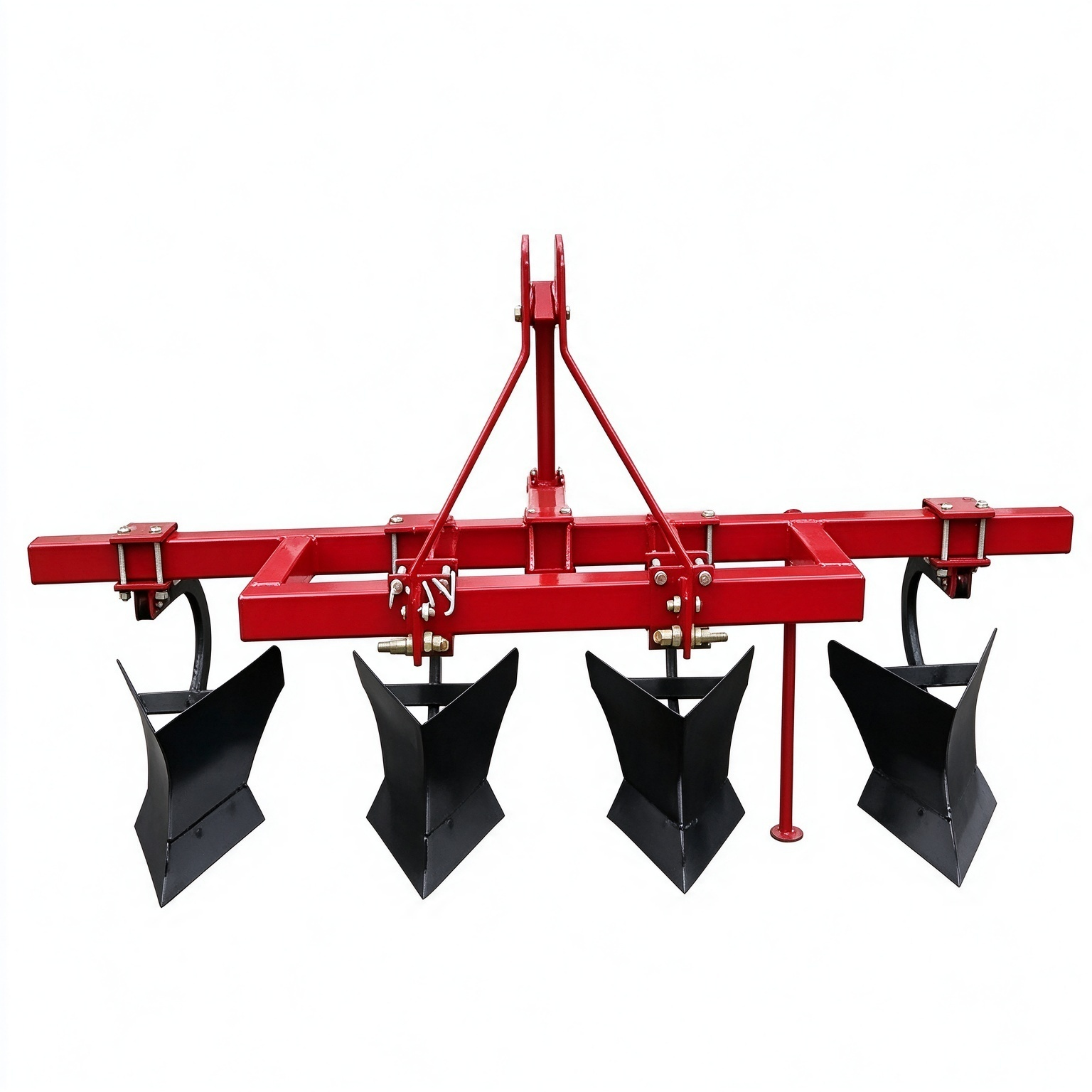
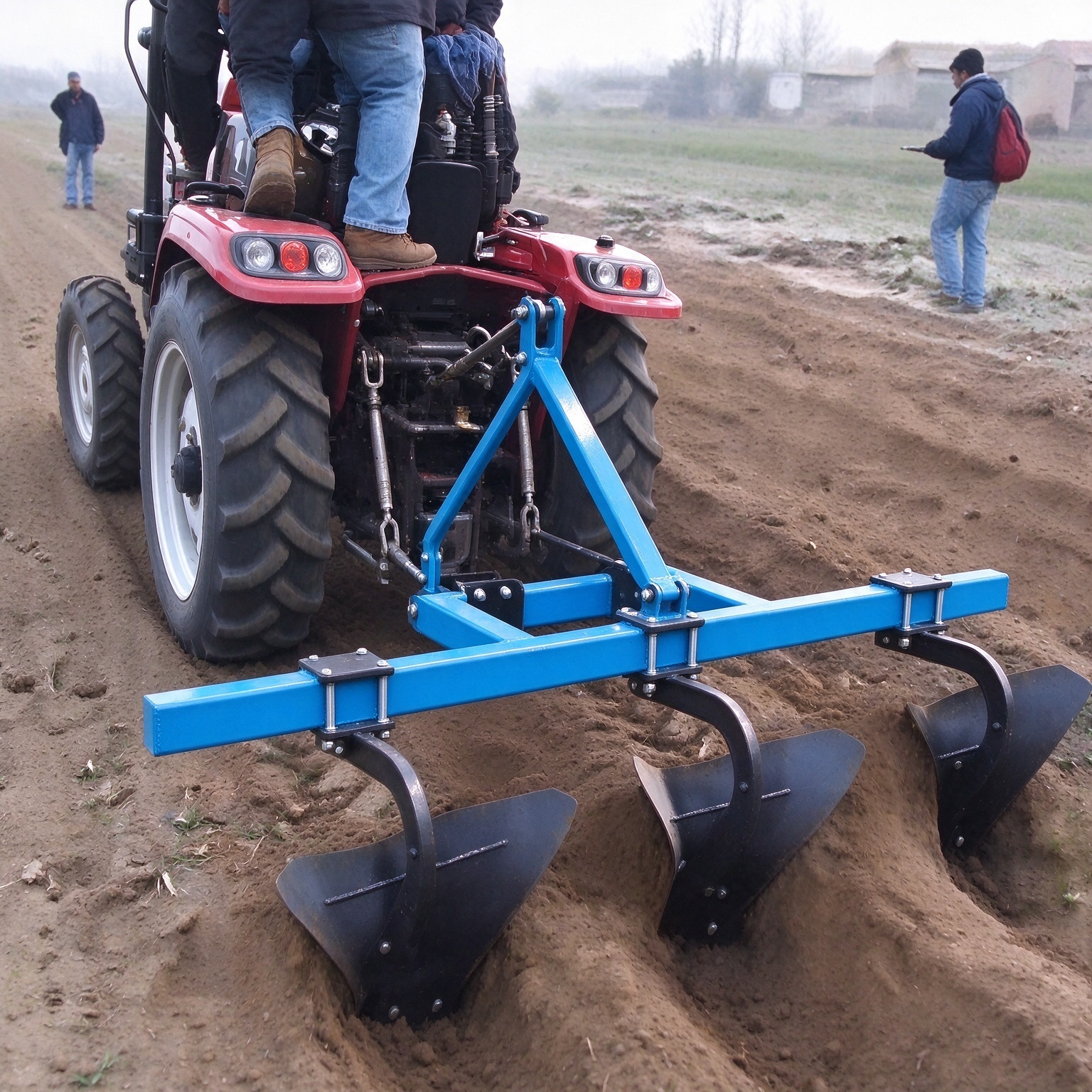
When considering agricultural machinery, a cultivator for tractor applications is essential for effective soil preparation and crop management. This equipment plays a crucial role in ensuring optimal soil conditions, which directly affects plant growth and yield. B2B buyers, including purchasing managers and agricultural engineers, often have specific concerns about product specifications, compatibility, and performance. This article will guide you through the key considerations when selecting a cultivator for your tractor, helping you make an informed purchasing decision.

Key Specifications to Evaluate in a Cultivator for Tractors

Key Specifications to Evaluate in a Cultivator for Tractors

When evaluating cultivators for tractors, several specifications are paramount. These include:

Working Width: The width of the cultivator should match the width of your tractor for optimal efficiency. A wider working width allows you to cover more ground quickly, but may require a more powerful tractor.

Depth Adjustment: The ability to adjust the working depth is crucial for different soil types and crop needs. Most cultivators offer adjustable settings to accommodate varying conditions.

Tine or Blade Type: The type of tines or blades used can significantly affect the cultivator's performance. For instance, straight tines are effective for deep tillage, while curved tines are better for mixing soil and residues.

Frame Construction: Look for cultivators made from high-strength materials that can withstand the stresses of operation. A sturdy frame ensures durability and longevity.

Weight: The weight of the cultivator affects its penetration and stability during operation. Heavier cultivators may provide better soil penetration but require more horsepower to operate effectively.

Understanding these specifications will help you select a cultivator that meets your operational requirements and enhances efficiency in your farming practices.

Understanding Cultivator Material Benefits for Durability

Understanding Cultivator Material Benefits for Durability

The materials used in cultivator construction significantly influence their durability and performance. Common materials include high-strength steel and wear-resistant alloys. High-strength steel offers a balance between weight and durability, making it suitable for various soil conditions.

Additionally, consider the surface treatment of the cultivator. Galvanized or coated finishes can provide added resistance against corrosion and wear, extending the lifespan of the equipment. For instance, a cultivator designed for heavy-duty applications might use reinforced components to withstand the rigors of tough soil and frequent use, similar to the Diesel Multicrop Grain Thresher with Double Fan for Farms.

When choosing materials, think about the specific environmental conditions your cultivator will face. For example, operations in wet or saline soils may require more corrosion-resistant materials. Agripros ensures that our cultivators are constructed with materials that support durability across diverse agricultural environments.

Common Cultivator Problems and Effective Solutions for Users

Common Cultivator Problems and Effective Solutions for Users

Cultivators can encounter various problems during operation, which may hinder performance. Some common issues include:

Clogging: Soil and debris can accumulate on the tines or blades, reducing effectiveness. Regular maintenance, including cleaning and inspection, can prevent clogging.

Inconsistent Depth: If the cultivator does not maintain consistent depth, it can lead to uneven soil preparation. Properly adjusting the depth settings and ensuring the cultivator is level can mitigate this issue.

Wear and Tear: Frequent use can lead to wear on tines or blades. Regularly replacing worn components and investing in durable materials can extend the life of the cultivator.

Hydraulic Issues: For hydraulic cultivators, problems can arise from leaks or pressure loss. Regularly checking hydraulic connections and maintaining the system can help avoid operational failures.

By proactively addressing these common issues, users can ensure the cultivator operates efficiently and effectively throughout its lifespan.

Applications of Cultivators for Tractors in Modern Farming Practices

Cultivators for tractors are versatile tools used in various modern farming practices. They are primarily employed for soil preparation before planting, helping to create ideal seedbeds. Additionally, cultivators are used for weed control, soil aeration, and mixing organic matter into the soil, which is essential for maintaining soil health.

In precision agriculture, cultivators can be equipped with technology to optimize tillage based on real-time soil data. This allows farmers to adjust their practices, improving yields and reducing input costs. Furthermore, with the rise of sustainable farming practices, cultivators that minimize soil disturbance and promote soil health are increasingly in demand.

Agripros cultivators are designed to meet these modern agricultural needs, offering features that support efficiency, durability, and environmental sustainability. With our tailored solutions, farmers can enhance productivity while adhering to best practices in farming.

By understanding the key aspects of cultivator for tractor applications, buyers can make informed decisions that enhance their farming operations. Whether you are looking for specific features, durability, or modern applications, Agripros is equipped to provide solutions that meet diverse agricultural requirements.

Choosing the Right Cultivator for Tractor Applications

Selecting the right cultivator for tractor applications involves understanding the type of tillage needed for your specific crops and soil conditions. Factors to consider include the tractor's horsepower, the size of the cultivator, and the soil texture. For instance, lighter soil may require a different type of cultivator compared to heavier clay soils. Furthermore, consider whether you need a mounted or towed cultivator; mounted models offer better maneuverability, while towed cultivators can cover larger areas. Agripros offers a range of cultivators, such as the 8-25HP Diesel Walk Behind Tractor Water-Cooled Hand Start Farm Tractor, that can be tailored to various applications, ensuring optimal performance in diverse farming environments.

Additionally, assess the type of tillage you want to achieve—be it primary tillage for breaking up soil or secondary tillage for seedbed preparation. Each cultivator design caters to different farming practices, so evaluating your specific agricultural needs is critical. Agripros provides a range of cultivators that can be tailored to various applications, ensuring optimal performance in diverse farming environments.

Frequently Asked Questions

What types of tractors fit this cultivator?

Our cultivator is compatible with a wide range of tractors; compatibility depends on horsepower and hitch class. Provide your tractor model and PTO/three-point specs for precise matching and customization.
Designed for versatile use, it works on loam, clay, sandy, and mixed soils. Adjustable depth and tine options allow optimization for different textures and residue levels.
Regularly check tines, bolts, and bearings for wear, lubricate moving parts, and inspect the gearbox and hydraulic lines. Follow the provided service schedule for lifecycle performance.
Yes. Our cultivator meets CE and ISO 9001 standards. We supply documentation and can assist with any required compliance paperwork for your region.
Yes. We offer tailored configurations, width options, and component upgrades to match plantation scale and specific tillage needs. Contact us with field size and objectives.

Get a Free Quote

Our representative will contact you soon.
0/1000