Choosing the Right Cultivator with Tractor

application/cultivator-with-tractor, application/cultivator-with-tractor, 
Inquiry
Inquiry

cultivator with tractor

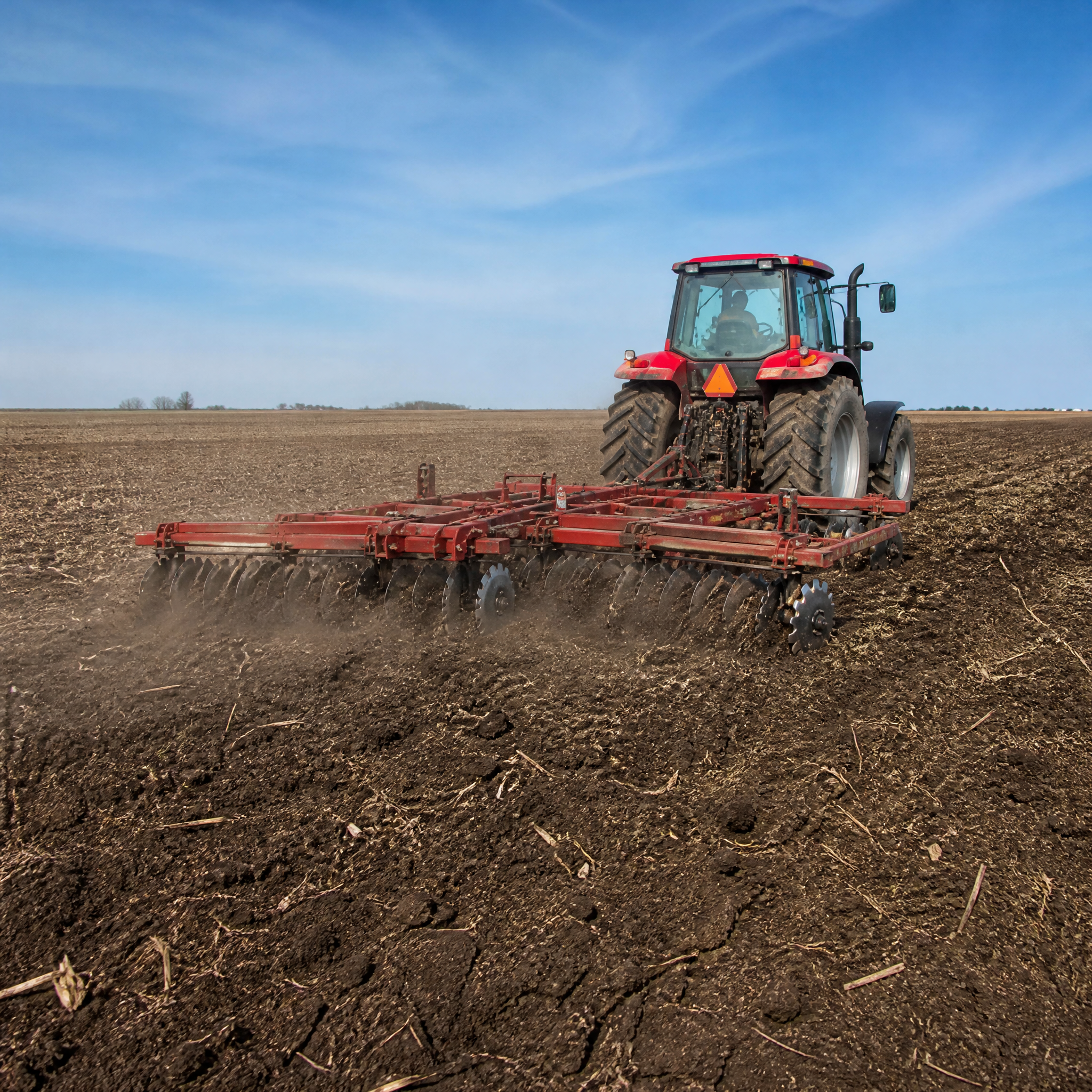
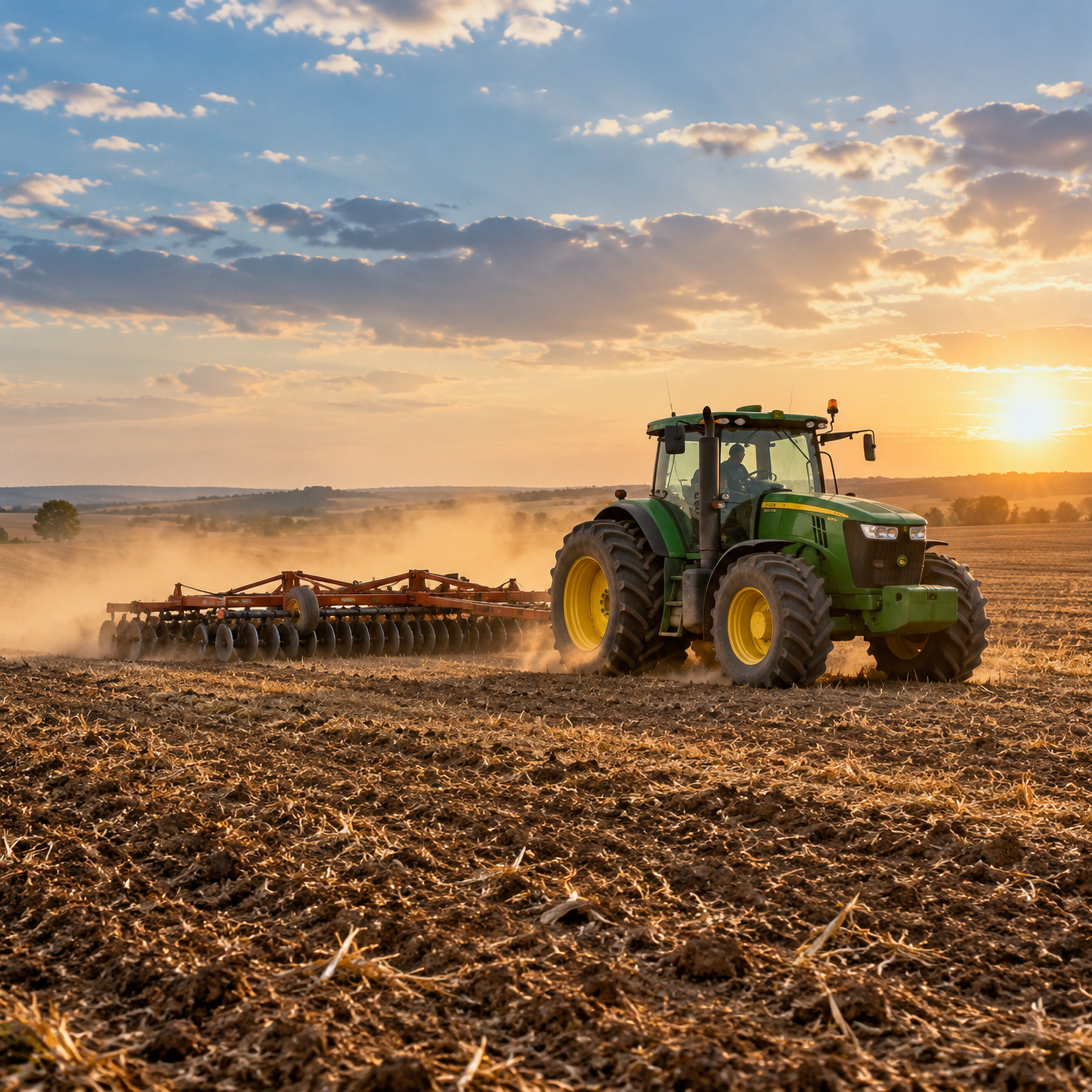
A cultivator with tractor is an essential piece of agricultural machinery used to prepare soil for planting by breaking up and aerating the ground. As a B2B buyer, your main concerns likely include the equipment's performance, durability, and compatibility with your existing machinery. This article will provide insights into selecting the right cultivator with tractor for your agricultural needs, key specifications to consider, quality evaluation methods, cost factors for bulk orders, and real-world applications in modern farming.

Key Specifications to Consider When Selecting a Cultivator with Tractor

Key Specifications to Consider When Selecting a Cultivator with Tractor

When evaluating cultivators with tractors, several key specifications should inform your decision:

Working Width: This determines the area that can be covered in one pass. Wider cultivators can reduce operating time, but they must be compatible with the tractor’s horsepower.

Tine Configuration: The number and type of tines affect the soil mixing and aeration. Adjustable tines can offer flexibility for different soil conditions.

Depth Adjustment: Look for cultivators that allow you to modify the working depth. This is crucial for adapting to varying soil types and moisture levels.

Material Quality: High-quality steel or alloy construction is essential for durability. These materials withstand wear and tear, reducing maintenance costs over time.

Weight and Balance: A cultivator should be heavy enough to penetrate the soil but balanced to avoid strain on the tractor. Proper weight distribution ensures efficient operation and reduces the risk of tipping.

Understanding these specifications helps buyers ensure that the cultivator will perform optimally under their specific agricultural conditions. Consider also how these machines fit into larger systems, such as processing machines that may be used in conjunction with your cultivator for a more integrated farming approach.

How to Evaluate the Quality of Cultivators with Tractors for Wholesale

How to Evaluate the Quality of Cultivators with Tractors for Wholesale

Quality evaluation of cultivators with tractors is critical, particularly for wholesale purchases. Here are some steps to ensure you're choosing a reliable product:

Inspect Manufacturing Standards: Verify that the manufacturer adheres to international quality standards, such as ISO 9001. Certifications can indicate a commitment to quality control during production.

Request Material Samples: Before committing to a bulk order, request samples of the materials used in the cultivator’s construction. This allows you to assess durability and suitability for your conditions.

Review Performance Testing: Ask for performance data or case studies from the manufacturer. Real-world testing results can provide insights into how well the product performs in various conditions.

Check for Warranty and Support: A strong warranty and support system indicate confidence in the product’s quality. Ensure that the manufacturer offers reliable post-purchase support.

By following these practices, you can make informed purchasing decisions that align with your quality requirements.

Exploring Cost Factors for Bulk Orders of Cultivators with Tractors

Exploring Cost Factors for Bulk Orders of Cultivators with Tractors

Understanding the cost factors involved in bulk orders of cultivators with tractors is essential for effective budgeting. Here are key elements to consider:

Volume Discounts: Many manufacturers offer discounts based on order volume. Be sure to inquire about pricing tiers to optimize your purchasing strategy.

Shipping Costs: Factor in transportation costs when calculating total expenses. This can vary significantly depending on the shipping method and distance from the manufacturer.

Customizations: If you require specific modifications or features, be aware that customizations can increase the overall cost. Discuss these options upfront to avoid surprises later.

Lead Time: Consider how lead time affects your operational schedule. Longer lead times may necessitate adjustments in your planting schedule, impacting overall costs.

By being aware of these cost factors, you can negotiate better deals and plan your budget accordingly.

Real-World Applications of Cultivators with Tractors in Modern Farming

Cultivators with tractors are versatile tools critical to modern farming practices. Their applications include:

Soil Preparation: Cultivators are primarily used for seedbed preparation, ensuring optimal soil conditions for planting. They break up clumps, mix in fertilizers, and aerate the soil.

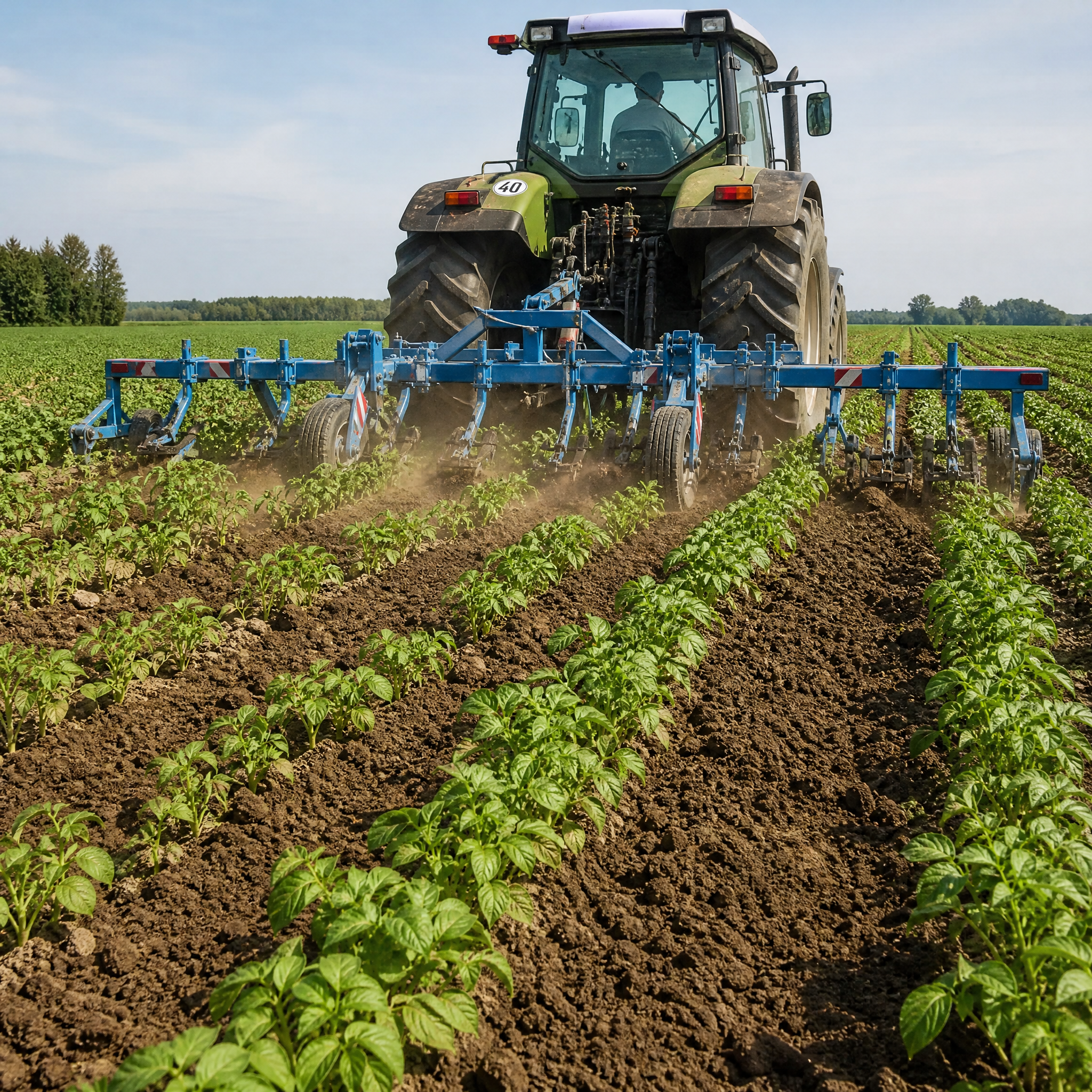
Weed Control: By disturbing the top layer of the soil, cultivators can help manage weed growth, reducing the need for chemical herbicides and promoting sustainable farming practices.

Crop Rotation: They play a vital role in crop rotation systems by preparing soil for different crops, enhancing soil structure and nutrients.

Cover Cropping: Cultivators facilitate the incorporation of cover crops into the soil, improving soil health and preventing erosion.

Real-world application of cultivators enhances productivity and sustainability in agriculture, making them indispensable for modern farming operations. By understanding the details outlined, B2B buyers can make informed decisions when selecting a cultivator with tractor tailored to their agricultural needs.

Choosing the Right Cultivator with Tractor for Your Agricultural Needs

Selecting the appropriate cultivator with tractor involves understanding your specific agricultural requirements. Factors such as soil type, crop rotation, and field size play a vital role in this decision. For instance, if you are working on compact or clay-heavy soils, a cultivator specifically designed to handle such conditions will be essential. It’s also important to consider the size and power of the tractor that will be used, as this affects the cultivator's performance and efficiency.

Additionally, think about the cultivator’s design—whether it’s a tine cultivator, rotary cultivator, or a multi-purpose model. Each type serves different purposes; rotary cultivators are excellent for deep tilling, while tine cultivators are better suited for surface cultivation. By assessing these factors, you can ensure that the cultivator will meet your agricultural needs effectively. For example, if you are interested in enhancing your crop yield, you might also want to explore irrigation systems that can complement your cultivation efforts.

Get a Free Quote

Our representative will contact you soon.
0/1000