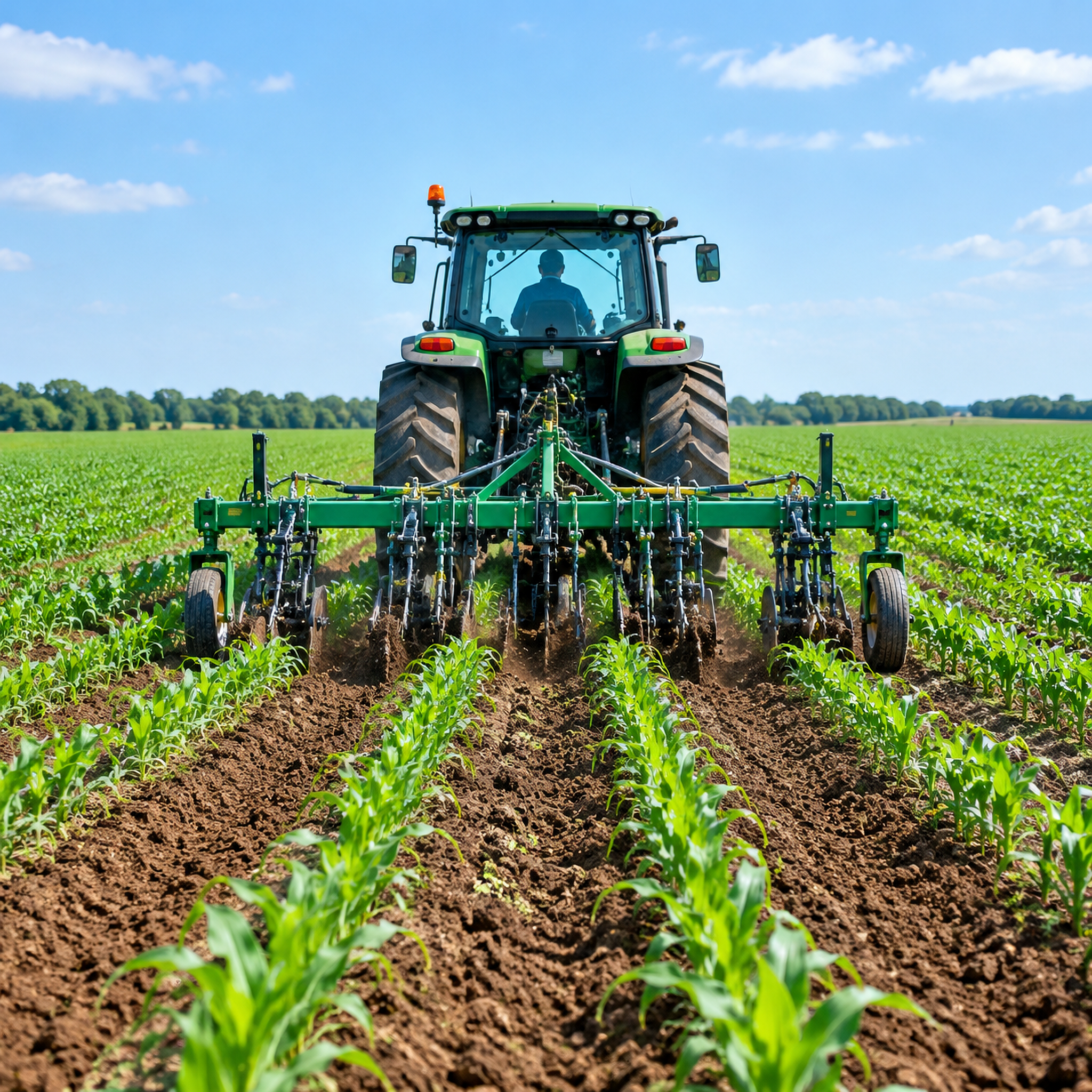
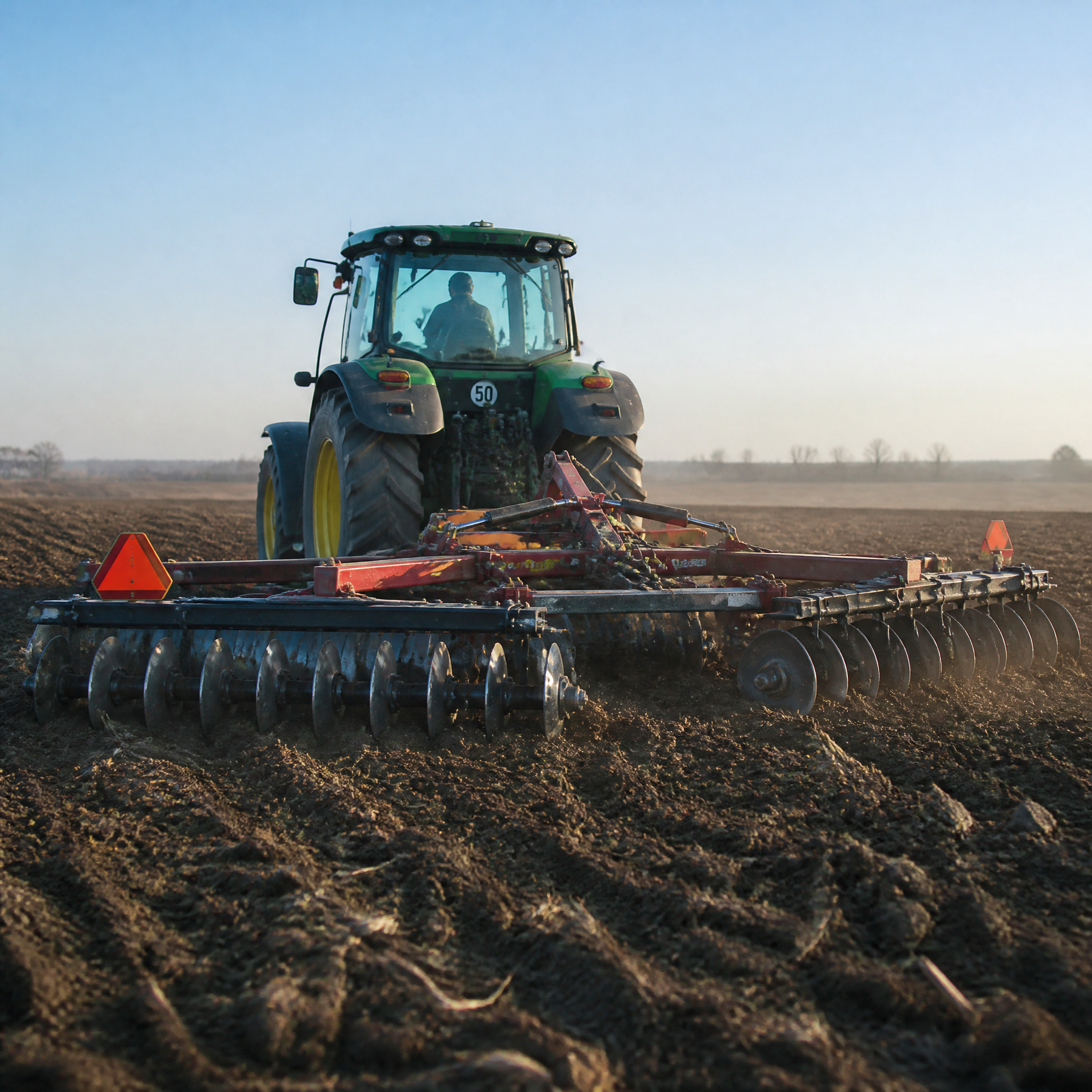
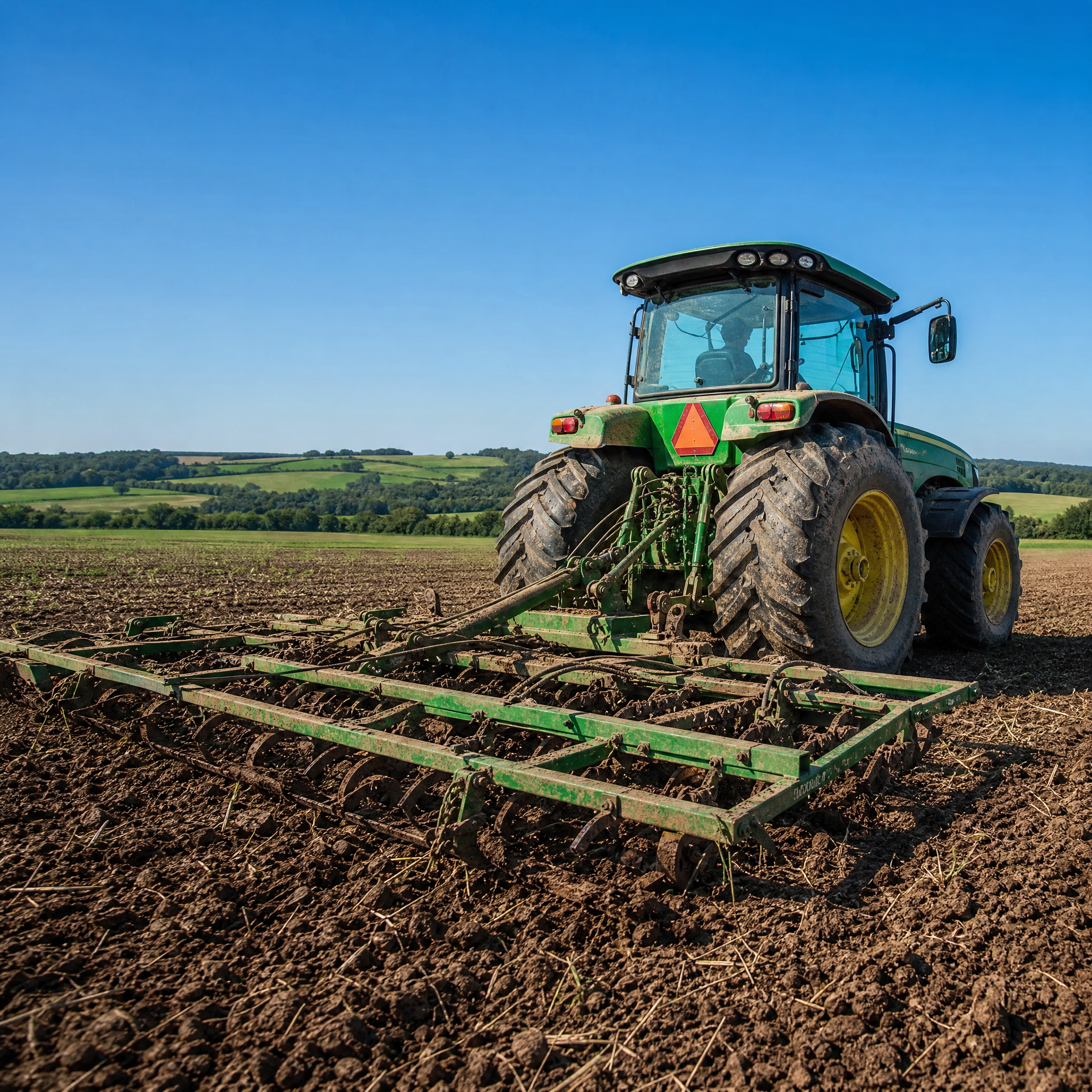
Key Specifications for Tractors and Cultivators

application/tractor-and-cultivator, application/tractor-and-cultivator, 
Inquiry
Inquiry

tractor and cultivator

When looking to enhance agricultural operations, purchasing reliable tractors and cultivators is paramount. These essential pieces of machinery are critical for effective tillage, seeding, and soil preparation. However, navigating the complexities of specifications, supplier reliability, and cost factors can be challenging for B2B buyers such as purchasing managers and product managers. This article will provide insights into the key specifications and features of tractors and cultivators, guide you on sourcing reliable suppliers, and discuss the cost factors and material advantages to consider before making a purchase.

Where to Source Reliable Suppliers for Tractors and Cultivators

Where to Source Reliable Suppliers for Tractors and Cultivators

Finding reliable suppliers for tractors and cultivators involves several strategic steps:

Industry Networks: Engage with industry associations and networks, which can provide recommendations for reputable suppliers with a proven track record in agricultural machinery.

Trade Shows and Expos: Participating in agricultural trade shows allows buyers to meet manufacturers and suppliers directly, providing opportunities to see equipment in action, ask questions, and evaluate potential suppliers face-to-face.

Online Marketplaces and Directories: Utilize online platforms that specialize in B2B agricultural machinery to identify suppliers. Look for those that feature customer ratings and reviews to gauge the reliability and reputation of these suppliers.

Certifications and Compliance: Ensure that potential suppliers possess relevant certifications, such as CE and ISO 9001, which demonstrate a commitment to quality and adherence to international standards.

Requesting References: Ask for references from previous clients to gain insights into their purchasing experiences and the performance of the equipment supplied.

By leveraging these sourcing strategies, B2B buyers can identify trustworthy manufacturers capable of meeting their agricultural machinery needs.

Cost Factors to Consider When Purchasing Tractors and Cultivators

Cost Factors to Consider When Purchasing Tractors and Cultivators

Understanding the cost factors associated with purchasing tractors and cultivators is essential for making informed financial decisions. Here are the key considerations:

Base Price vs. Additional Features: The base price of tractors and cultivators may vary significantly depending on brand and specifications. However, additional features such as advanced technology, enhanced power, or specialized attachments can substantially increase the overall cost.

Maintenance and Operating Costs: Beyond the initial purchase price, consider the long-term maintenance and operating costs, including fuel, oil changes, and parts replacement. Selecting models known for durability can lead to reduced maintenance expenses over time.

Financing Options: Evaluate financing options available from suppliers or third-party lenders. Flexible financing terms can impact the total cost of ownership and cash flow for your operations.

Bulk Order Discounts: When ordering in bulk, be sure to negotiate pricing. Many suppliers offer discounts for larger orders, which can significantly reduce the per-unit cost.

Shipping and Handling: Factor in shipping costs, which can vary based on distance, weight, and method of transport. Understanding these costs upfront can help prevent budget overruns.

By carefully assessing these cost factors, buyers can better estimate their total investment in agricultural machinery and make more strategic purchasing decisions.

Key Features to Analyze

Key Features to Analyze

When evaluating tractors and cultivators, several key features can significantly influence performance and suitability:

Ergonomics and Comfort: Operator comfort is essential, especially for long working hours. Features like adjustable seats, intuitive controls, and climate control can enhance the user experience.

Technology Integration: Modern tractors often come equipped with GPS and precision farming technology, which can improve accuracy in seeding, tilling, and crop management. Analyzing these technological advancements can lead to better operational efficiency.

Safety Features: Look for tractors and cultivators that incorporate safety features such as roll-over protection systems (ROPS), emergency shut-off systems, and visibility enhancements to minimize the risk of accidents.

Durability and Build Quality: Assess the materials used in construction and the overall build quality. Robust materials can withstand harsh agricultural environments and reduce the frequency of repairs.

Warranty and Support: Investigate the warranty offered by the manufacturer, as well as the availability of technical support and spare parts. A strong warranty can provide peace of mind regarding the reliability of the machinery.

These features can substantially affect the productivity and efficiency of agricultural operations, making them crucial considerations during the selection process.

Understanding Material Advantages of Our Tractors and Cultivators

The material choices in tractors and cultivators play a vital role in their performance, durability, and overall effectiveness:

Steel vs. Aluminum Components: Steel is commonly used for structural components due to its strength and durability. However, aluminum may also be used in certain parts to reduce weight and enhance maneuverability. Understanding the application of each material can help buyers select models best suited for their operational needs.

Corrosion Resistance: Given the exposure to various environmental conditions, selecting tractors and cultivators treated with corrosion-resistant coatings can extend their lifespan and minimize maintenance requirements.

Wear-Resistant Features: Components subjected to high wear, such as blades and tines, should be made of wear-resistant materials to maintain efficiency and reduce replacement costs over time.

Environmental Considerations: Some manufacturers are exploring eco-friendly materials and manufacturing processes. Buyers interested in sustainability may want to inquire about these options.

Compatibility with Add-ons: Material considerations also extend to the compatibility of tractors and cultivators with various attachments. Ensuring that the selected machinery can accommodate necessary add-ons without compromising performance is crucial.

Understanding these material advantages will enable buyers to make well-informed decisions that align with their agricultural goals and operational challenges.

Key Specifications of Our Tractors and Cultivators for Bulk Orders

When considering tractors and cultivators for bulk orders, several specifications should be prioritized to ensure optimal performance and suitability for various agricultural applications.

Engine Power and Fuel Efficiency: The engine power, typically measured in horsepower (HP), determines the tractor's capacity for different applications. Higher horsepower engines can manage larger equipment and more demanding tasks. Additionally, fuel efficiency is critical for reducing operational costs.

Tillage Depth and Width: The tillage depth and width of cultivators affect their capability to prepare soil adequately. It's essential to choose cultivators that can meet the specific soil conditions of your farms. Some models allow adjustable tillage depths for varied applications.

Transmission Type: Tractors may feature manual, automatic, or hydrostatic transmissions. Selecting the right transmission type can impact ease of operation and efficiency, especially for diverse agricultural tasks.

Attachment Compatibility: Ensure that the tractors and cultivators you consider can accommodate additional attachments, such as plows, irrigation systems, and seeders. This versatility can enhance your machinery's utility across various farming activities.

Weight and Stability: The weight of tractors plays a vital role in their stability while operating on uneven terrain. Heavier tractors generally provide better traction, but this must be balanced with maneuverability.

These specifications not only dictate the operational efficiency of the equipment but also influence maintenance requirements and overall longevity, making them critical considerations for bulk purchases.

Frequently Asked Questions

What models of tractor and cultivator do you offer?

We offer a range of tractors and cultivators sized for small farms to large plantations, with power and implement options configurable to soil type and crop needs. Contact us for model specifications and recommended setups.
Yes. Our equipment meets CE and ISO 9001 standards, ensuring quality, safety, and consistent manufacturing across our product lines.
Yes. We provide tailored solutions based on field size, soil conditions, and crop type, offering lifecycle support from selection to maintenance planning.
We supply lifecycle-based support including spare parts, maintenance guidance, and remote or local service coordination to maximize uptime and machine longevity.
Yes. We ship globally and currently support farms and plantations in over 40 countries, handling export documentation and logistics for international deliveries.

Get a Free Quote

Our representative will contact you soon.
0/1000