Choosing the Right Cultivator for Your Tractor

application/cultivator-for-a-tractor, application/cultivator-for-a-tractor, 
Inquiry
Inquiry

cultivator for a tractor

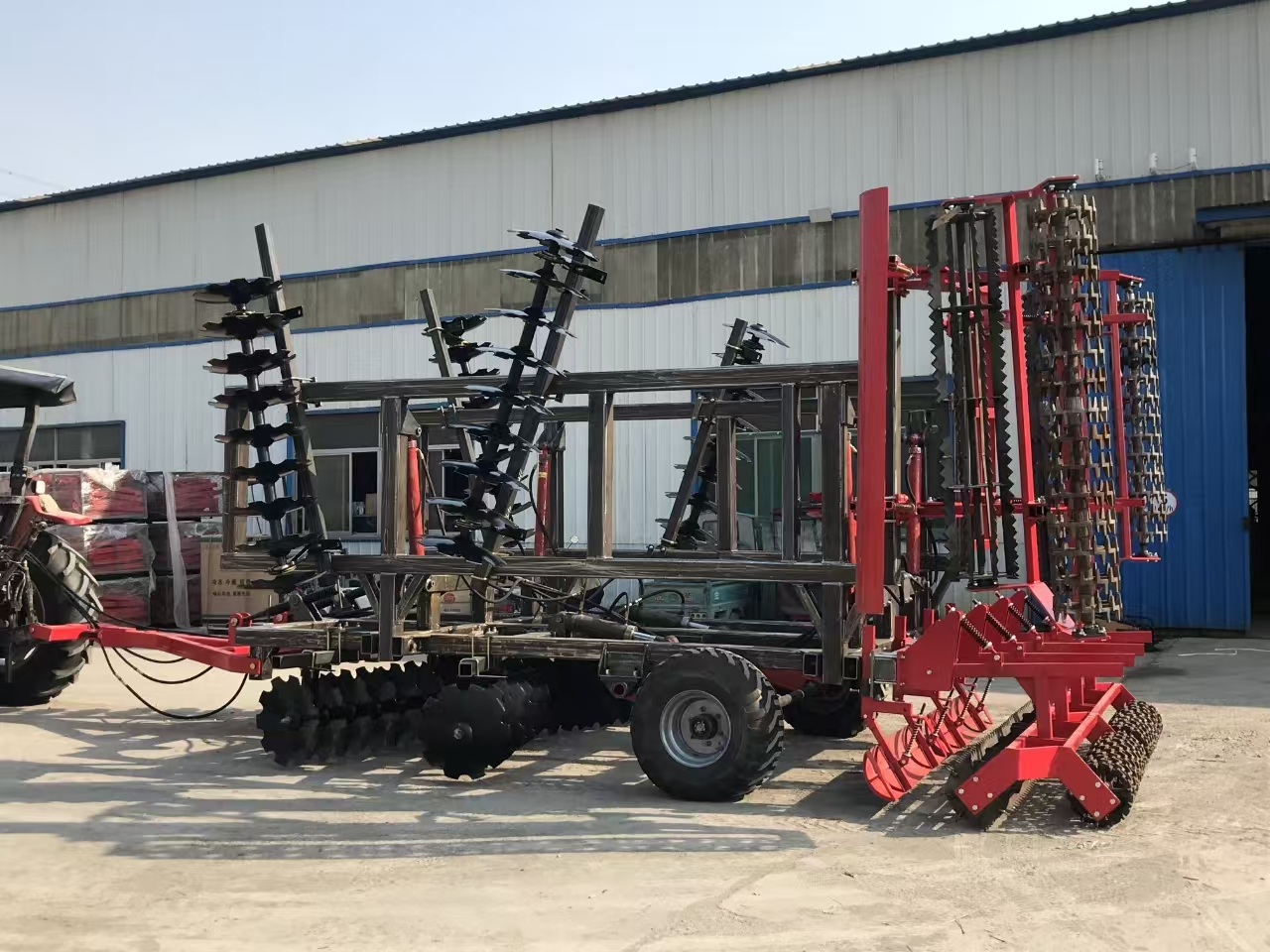
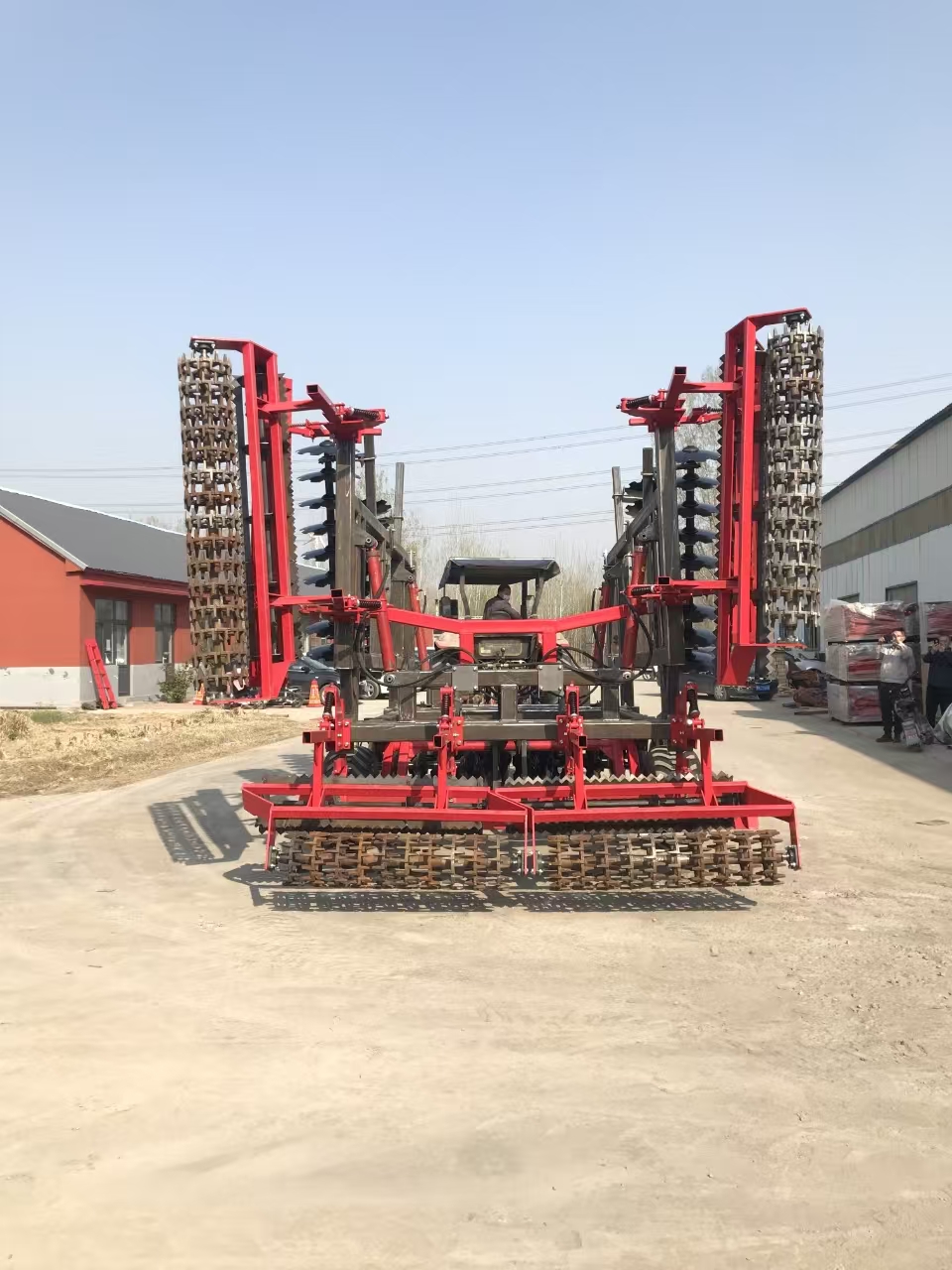
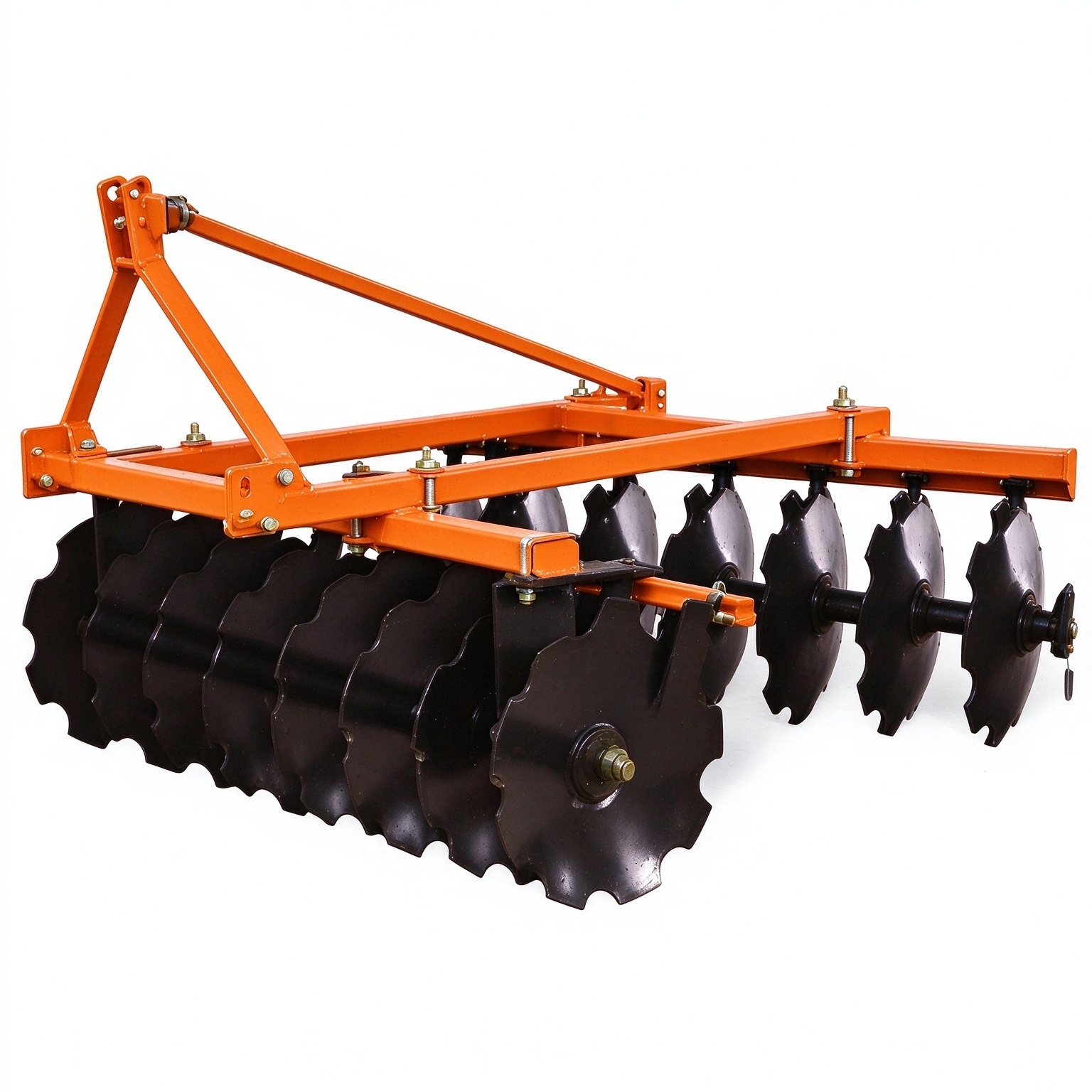
When selecting a cultivator for a tractor, buyers must consider various factors that ensure efficient soil preparation and crop cultivation. A tractor cultivator is a crucial piece of agricultural machinery designed to aerate soil, control weeds, and prepare seedbeds. This article will guide purchasing managers, distributors, and engineers through the essential considerations, specifications, and common challenges associated with tractor cultivators, helping them make informed decisions.

Key Specifications of High-Quality Cultivators for Tractors

Key Specifications of High-Quality Cultivators for Tractors

When evaluating cultivators, several specifications should be considered:

Material: High-quality cultivators are typically made from durable materials such as high-strength steel. This enhances longevity and resistance to wear during operation.

Width and Depth: The working width of the cultivator affects how much area can be covered in one pass. Common widths range from 1.5 to 5 meters. Depth settings should be adjustable, allowing for different soil conditions and crop types.

Tine Design: The design of the tines or blades is critical for effective soil penetration and weed control. Tines can vary in shape and size, affecting their performance in different soil conditions.

Weight and Stability: A well-balanced cultivator provides stability during operation, reducing the risk of soil compaction and ensuring consistent tillage depth.

Hitch Type: Ensure the cultivator’s hitch type matches your tractor. Common hitch types include Category I and Category II, which correspond to different lifting capacities.

Adjustability Features: Look for cultivators with adjustable features that allow for easy customization in terms of depth and angle, providing greater versatility in use.

Where to Find Reliable Suppliers of Tractor Cultivators

Where to Find Reliable Suppliers of Tractor Cultivators

Finding a trustworthy supplier is crucial for ensuring quality and reliability. Start by researching manufacturers with established reputations in agricultural machinery. Look for suppliers that provide detailed product specifications, user manuals, and customer support. For instance, reliable suppliers often offer products like Processing Machines that complement your cultivator needs.

Industry trade shows and agricultural exhibitions are excellent venues to meet suppliers and see their equipment in action. Online platforms and agricultural forums can also provide insights and recommendations based on user experiences.

For tailored solutions, consider working with manufacturers that offer customization capabilities. Agripros, for example, specializes in providing agricultural machinery solutions tailored to specific operational needs, ensuring that you receive equipment that fits your exact requirements.

Step-by-Step

Step-by-Step

Once you've selected a cultivator, follow these steps for a successful acquisition:

Gather Information: Collect all necessary details about your tractor, including model specifications and the tasks you intend to perform with the cultivator.

Request Quotes: Prepare an RFQ (Request for Quotation) detailing specific requirements such as model, dimensions, material, and any customization needs. This will help suppliers provide accurate pricing.

Review Samples: If possible, request samples or demonstrations. Testing a cultivator under real operating conditions can reveal performance insights that specifications alone may not provide.

Confirm Details: Before placing an order, confirm all specifications, including dimensions, weight, and customization features.

Quality Inspection: Upon delivery, conduct a thorough inspection of the cultivator to ensure it meets the agreed specifications and quality standards.

Common Problems with Cultivators and Effective Solutions

Despite their robustness, cultivators can encounter several common issues. Awareness of these problems and their solutions can help maintain efficient operations:

Clogging: Soil or debris can clog the tines, reducing efficiency. Regular maintenance, including cleaning and inspecting tines, can prevent this issue.

Uneven Tillage: This can result from improper depth settings or worn tines. Regularly checking and adjusting the depth settings, and replacing worn components, will ensure consistent tillage.

Compatibility Issues: Sometimes cultivators may not perform as expected if they are not compatible with the tractor. Always verify that the cultivator matches the tractor specifications before purchase.

Material Fatigue: Over time, cultivators may experience wear and tear, especially if made from inferior materials. Opting for high-quality manufacturing, such as those provided by Agripros, can mitigate this issue.

By understanding these common challenges, buyers can take proactive steps to ensure their cultivators operate effectively, minimizing downtime and maximizing productivity. Sprayer & Fertilizer solutions can also assist in optimizing crop growth alongside your cultivation efforts.

Choosing the right cultivator for a tractor involves careful consideration of compatibility, specifications, and reliable suppliers. By taking the time to assess these factors and addressing potential challenges, purchasing managers and distributors can enhance their agricultural operations, leading to improved soil management and crop yields.

What to Consider When Choosing a Cultivator for Your Tractor

Selecting the right cultivator involves evaluating several key factors. Firstly, compatibility with your tractor is paramount; check the tractor's horsepower and hitch type to ensure a proper fit. The size of the cultivator should align with the width of your tractor and the scale of your operations. Additionally, consider the specific tasks you need the cultivator for. Different cultivators are designed for various applications, such as primary tillage, secondary tillage, or seedbed preparation. Assessing the soil type and condition in your fields will also influence your choice; certain cultivators perform better in specific soil types, such as clay or sandy soils. For example, using the right Cultivators & Tillers can significantly improve your soil management.

Finally, look into customization options. Manufacturers like Agripros offer tailored solutions that can enhance the cultivator’s functionality, allowing for adjustments based on your farm's unique requirements.

Frequently Asked Questions

What types of tractors fit this cultivator?

The cultivator fits a range of tractors; compatibility depends on PTO power, hitch category, and weight. Provide your tractor model and specs so we can recommend the correct size and mounting options.
Designed for medium to heavy soils, it performs well in seedbed preparation, weed control, and residue mixing. For very rocky or waterlogged fields, we can advise on suitable configurations or alternatives.
Our cultivators are manufactured under CE and ISO 9001 standards, ensuring consistent quality, safety, and traceable production processes across models.
Yes. We provide genuine spare parts, maintenance guidance, and lifecycle support. Spare parts availability and shipping depend on your location; please share your region for details.
Yes. We offer tailored solutions including tine types, working widths, depth control, and reinforced frames to match soil, crop, and tractor requirements. Contact us with farm details for a proposal.

Get a Free Quote

Our representative will contact you soon.
0/1000