Essential Considerations for Tractor Cultivators

application/cultivator-on-tractor, application/cultivator-on-tractor, 
Inquiry
Inquiry

cultivator on tractor

Cultivators on tractors are essential tools in modern agriculture, designed to prepare soil for planting by breaking up compacted earth and incorporating nutrients. For B2B buyers, such as purchasing managers, distributors, and engineers, selecting the right cultivator involves understanding product specifications, assessing quality, and ensuring compatibility with existing equipment. This article will guide you through key considerations when purchasing a cultivator on a tractor, exploring wholesale suppliers, technical specifications, quality evaluation, and reliable sourcing options.

Wholesale Suppliers for High-Quality Tractor Cultivators

Wholesale Suppliers for High-Quality Tractor Cultivators

Finding reliable wholesale suppliers for cultivators on tractors is essential for ensuring you receive high-quality equipment. Look for suppliers who specialize in agricultural machinery and have a proven track record in the industry. Certifications such as CE and ISO 9001 can be indicators of quality and adherence to international standards, which Agripros, for example, proudly holds.

When evaluating suppliers, consider their production capabilities, including their manufacturing processes and the materials used in their cultivators. A reputable supplier should provide detailed information about their products, including technical specifications and customization options, allowing you to tailor the cultivator to your specific agricultural needs.

Establishing a relationship with suppliers who have experience in your region can also be beneficial. They may offer insights into local agricultural practices and soil conditions, helping you select the most appropriate cultivator for your application.

Technical Specifications of Cultivators for Optimal Performance

Technical Specifications of Cultivators for Optimal Performance

Understanding the technical specifications of cultivators is crucial for optimal performance. Key specifications to consider include:

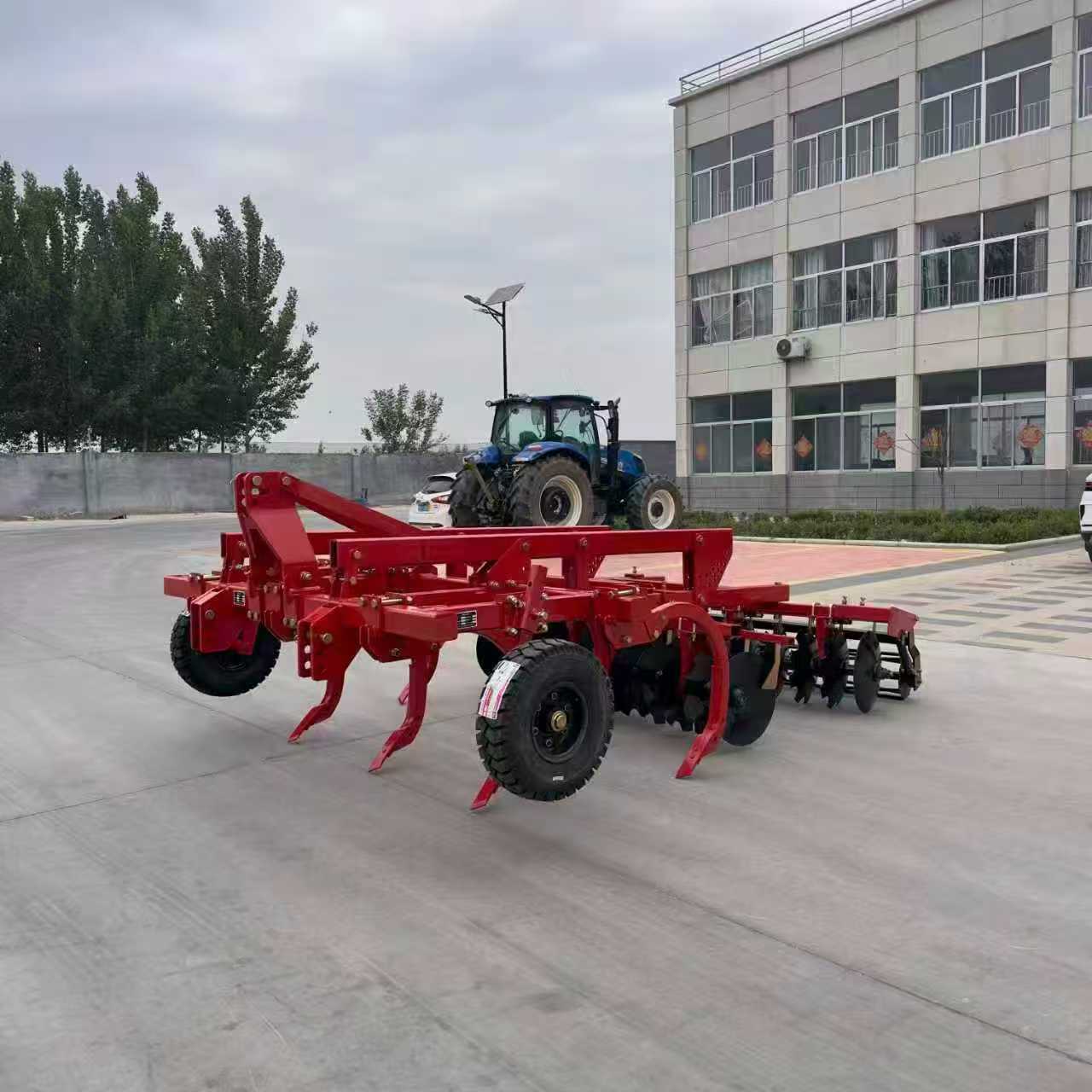
Tine Design and Material: The tines should be made of durable materials that can withstand the stresses of soil penetration. Hardened steel tines are common, as they offer a good balance of strength and flexibility.

Adjustable Depth Control: Many modern cultivators feature adjustable depth settings, allowing operators to modify the working depth based on soil conditions. This adaptability can lead to more efficient tillage and improved crop yields.

Weight and Balance: The weight of the cultivator affects its ability to penetrate the soil. A well-balanced cultivator will perform better, reducing strain on the tractor and enhancing maneuverability.

Mounting Options: Cultivators can be mounted in various configurations (e.g., three-point hitch) to accommodate different tractor models. Verify compatibility with your tractor’s hitch system for seamless operation.

Evaluating these specifications helps ensure that the cultivator will meet your operational demands and improve overall productivity.

How to Evaluate the Quality of Tractor Cultivators Before Buying

How to Evaluate the Quality of Tractor Cultivators Before Buying

Before making a purchase, assessing the quality of tractor cultivators is critical to avoid costly mistakes. Here are some steps to evaluate quality effectively:

Request Samples: If possible, obtain a sample of the cultivator or a similar model for testing. This allows you to assess its durability and performance under real conditions.

Inspect Materials and Construction: Examine the materials used in the cultivator's construction, including tines and frame. High-quality materials should be evident, with no signs of corrosion or subpar welding.

Review User Feedback: Seek reviews and testimonials from other buyers. Feedback from users who have operated the cultivator in similar conditions can provide valuable insights into its reliability and performance.

Quality Assurance Processes: Inquire about the manufacturer's quality control processes. A reputable manufacturer should have stringent quality checks in place to ensure that every unit meets industry standards.

Warranty and Support: Review the warranty offered on the cultivator. A robust warranty indicates the manufacturer's confidence in their product's quality and provides peace of mind for the buyer.

By following these steps, you can make a more informed decision and mitigate risks associated with your purchase.

Where to Find Reliable Suppliers for Tractor Cultivators Worldwide

Sourcing reliable suppliers for tractor cultivators requires diligent research and networking. Here are some effective strategies:

Industry Trade Shows: Attend agricultural trade shows and exhibitions to connect with manufacturers and suppliers. These events provide opportunities to see equipment firsthand and speak with company representatives.

Online Marketplaces: Explore B2B e-commerce platforms that specialize in agricultural machinery. These platforms often feature a range of suppliers, allowing you to compare products and prices easily.

Industry Associations: Join agricultural industry associations or organizations. Membership can provide access to resources, networking opportunities, and recommendations for reputable suppliers.

Local Distributors: Partnering with local distributors can simplify the purchasing process. They often have established relationships with manufacturers, providing you with additional insights into product quality and local market conditions. For example, consider options like the Grain Crusher 3 kW Electric Mill to complement your cultivator needs.

When evaluating suppliers, consider their reputation, customer service, and ability to meet your specific needs, including customization and delivery timelines. By taking these steps, you can ensure a successful procurement process for your tractor cultivator needs.

Key Considerations

When selecting a cultivator for a tractor, several key factors should be evaluated. First, consider the type of cultivation required—whether it's primary tillage or secondary tillage, as this will influence the design of the cultivator. The working width and depth are also crucial; a wider cultivator can cover more ground in fewer passes but may require a more powerful tractor. Additionally, consider the soil type and condition. For instance, rocky or compacted soils may necessitate a more robust cultivator with reinforced tines. For those looking for powerful options, the 8-25HP Diesel Walk Behind Tractor might be suitable.

Another important aspect is the compatibility of the cultivator with the tractor. Ensure that the cultivator's mounting system matches your tractor's specifications, including the horsepower required for optimal performance. Furthermore, assess the cultivator's material and construction quality, as these affect its durability and maintenance needs.

Get a Free Quote

Our representative will contact you soon.
0/1000