Hand Walking Tractors: Key Specifications and Benefits

application/hand-walking-tractor, application/hand-walking-tractor, 
Inquiry
Inquiry

hand walking tractor

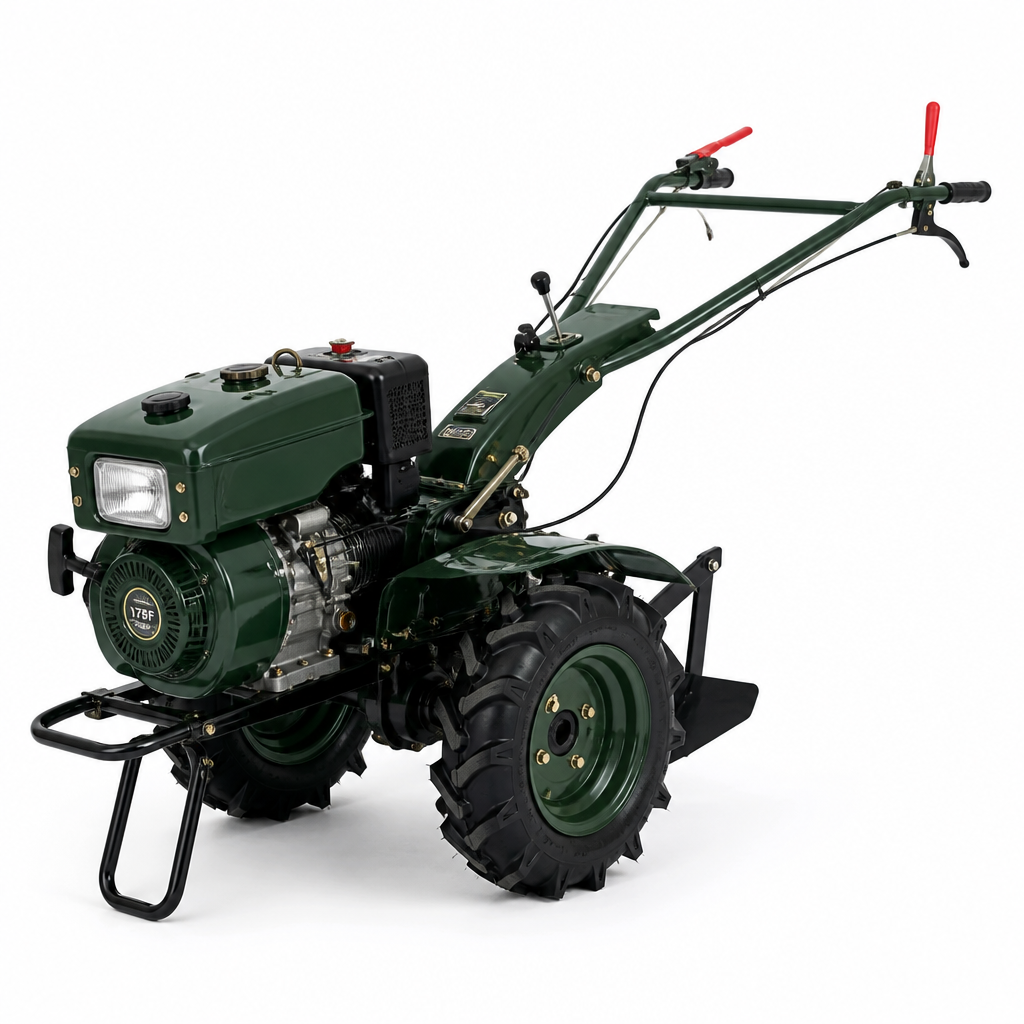
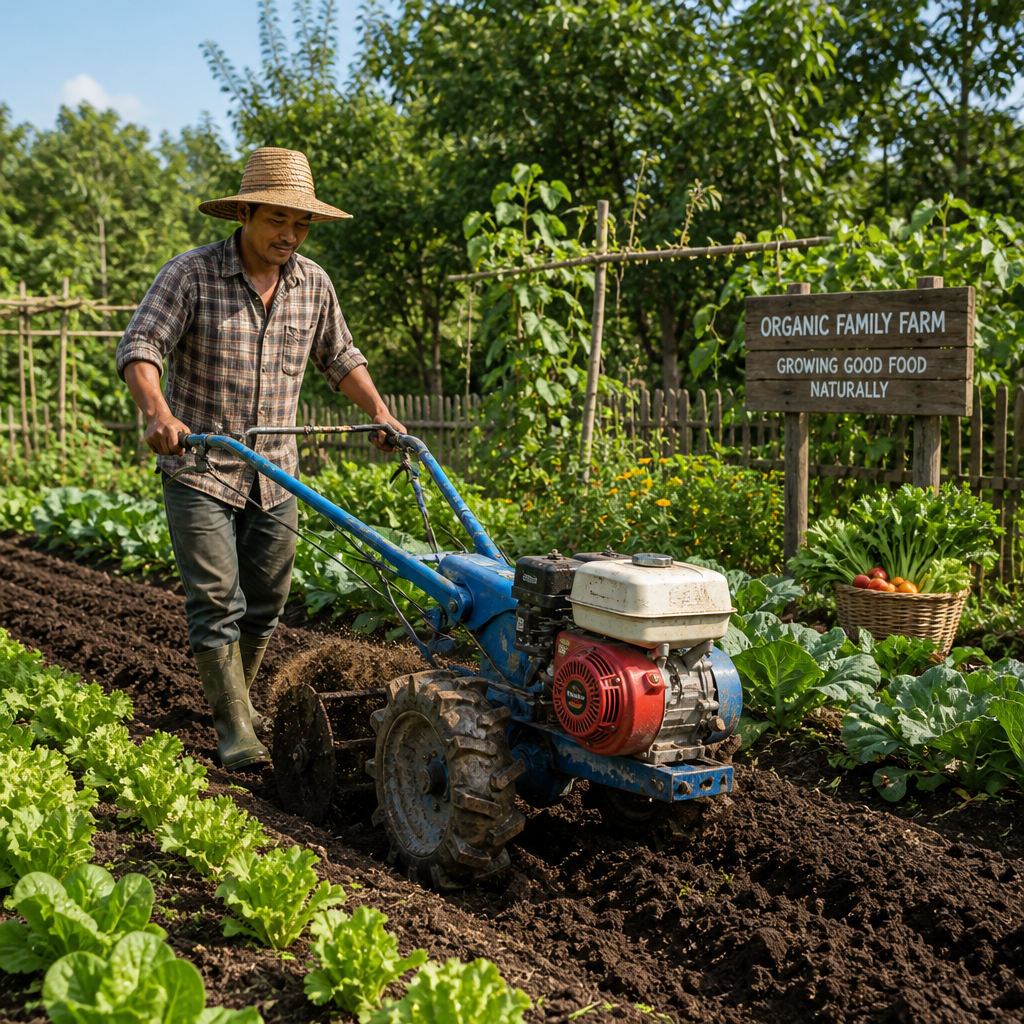
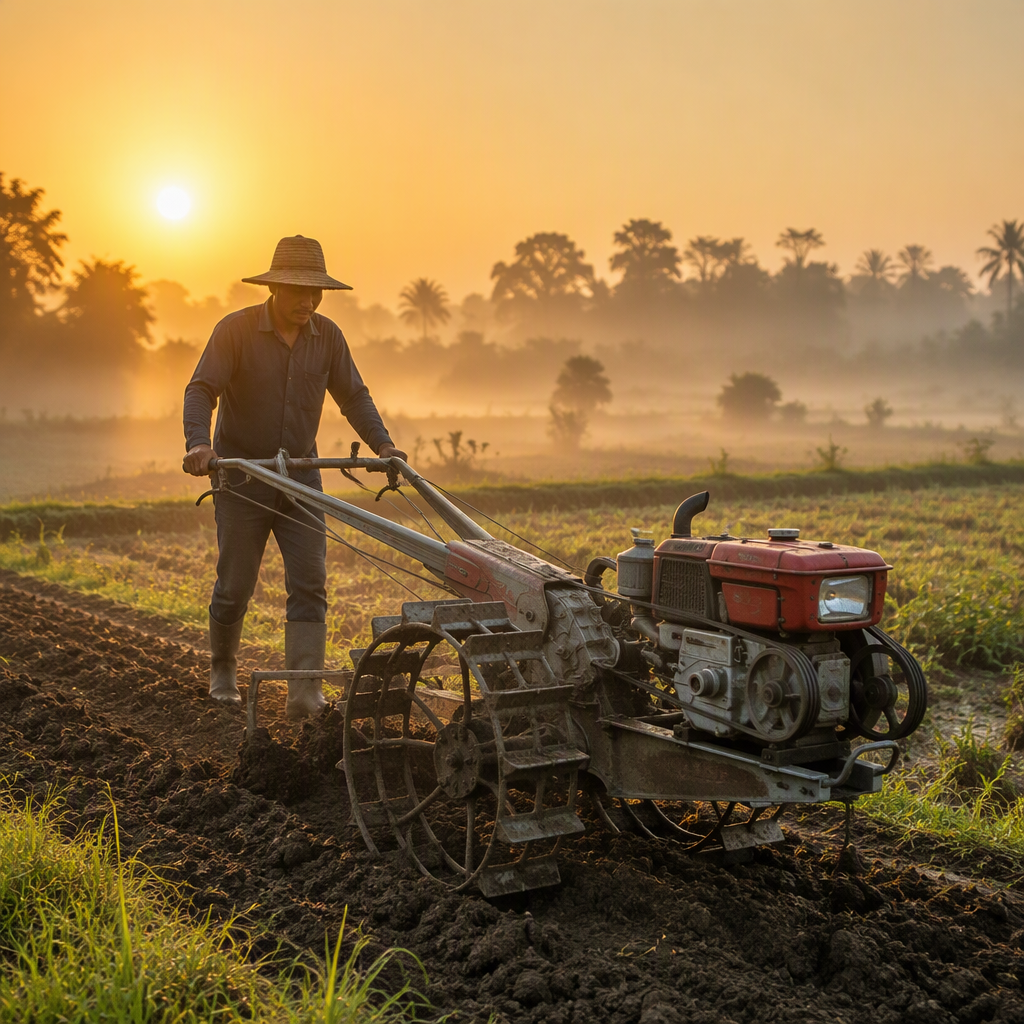
Hand walking tractors are versatile agricultural machines designed for various tasks such as tilling, seeding, and irrigation. These compact tractors are particularly beneficial for small to medium-sized farms due to their ease of use and maneuverability. For B2B buyers, understanding the specifications, costs, and common challenges associated with hand walking tractors is crucial in making informed purchasing decisions. This article will delve into key specifications, cost factors, installation challenges, common issues, and the features and benefits of hand walking tractors.

Understanding the Cost Factors of Hand Walking Tractors

Understanding the Cost Factors of Hand Walking Tractors

The cost of hand walking tractors can vary significantly based on several factors:

Specifications and Features: Higher horsepower and advanced features like automatic transmission will generally increase the price. Buyers should weigh these costs against their operational requirements.

Customization Requirements: Customizing a tractor for specific applications can lead to higher costs. This may include adding specialized attachments or altering design features.

Bulk Purchases: Wholesale buyers often benefit from discounts when purchasing in bulk. Negotiating for a better price based on volume can lead to substantial savings.

Shipping and Handling: Consider the costs associated with shipping, especially if importing from overseas. Transportation can affect the overall budget, so it is advisable to evaluate local suppliers for reduced shipping costs.

Warranty and Support: Costs may also include warranty fees and after-sales support. A longer warranty period may come with a higher upfront cost but can save money on repairs in the long run.

By evaluating these factors carefully, buyers can better understand the total cost of ownership for hand walking tractors.

Common Installation Challenges with Hand Walking Tractors

Common Installation Challenges with Hand Walking Tractors

Installing a hand walking tractor may present several challenges. Understanding these can help buyers prepare better:

Site Preparation: Before installation, the site must be adequately prepared. This involves clearing the area of debris and ensuring that the terrain is suitable for operation. Buyers should assess the land conditions to ensure compatibility with the tractor's capabilities.

Understanding Attachments: While hand walking tractors offer various attachments, ensuring they are correctly installed can be tricky. Buyers should refer to the manufacturer's guidelines for installation to avoid damaging the tractor or the attachment.

Training Operators: Proper training for operators is essential to ensure safety and efficiency during installation and operation. Buyers should consider providing training sessions to familiarize operators with the tractor's controls and features.

Electrical and Fuel Connections: If the model includes electric start or additional electronic features, ensuring proper electrical connections during installation is crucial. Additionally, buyers should verify fuel connections to avoid leaks.

By anticipating these challenges, buyers can facilitate a smoother installation process.

Solutions to Common Problems with Hand Walking Tractors

Solutions to Common Problems with Hand Walking Tractors

Hand walking tractors can encounter various issues during operation. Here are solutions to common problems:

Starting Difficulties: If the tractor fails to start, the first step is to check the fuel levels and battery connections. Regular maintenance, such as ensuring clean fuel filters and checking battery health, can prevent this issue.

Overheating: Overheating can occur due to prolonged use or insufficient cooling. Buyers should ensure adequate ventilation during operation and take breaks to allow the engine to cool down.

Attachment Malfunctions: If an attachment is not functioning correctly, it may be due to improper installation or wear and tear. Regular inspection and maintenance of attachments can help identify issues early.

Tire Wear: Uneven tire wear can affect traction and maneuverability. Buyers should regularly check tire pressure and alignment, adjusting as necessary to prolong tire life.

Operator Errors: Many issues arise from operator inexperience. Providing thorough training and clear operating instructions can help mitigate mistakes that lead to equipment damage.

By proactively addressing these common problems, buyers can ensure their hand walking tractors operate smoothly and efficiently.

Features and Benefits

Hand walking tractors come with numerous features that provide distinct advantages for agricultural operations:

Versatility: These tractors can handle various tasks, from tilling to seed planting and irrigation. Their ability to adapt to multiple applications makes them a valuable asset for small to medium-sized farms.

Ease of Use: Designed for easy maneuverability, hand walking tractors are suitable for operators of all skill levels. Their user-friendly controls allow for quick learning and effective operation.

Cost-Effectiveness: Compared to larger tractors, hand walking tractors are generally more affordable, making them an accessible option for smaller operations. They also require less space for storage and maintenance.

Fuel Efficiency: Many models are designed for optimal fuel efficiency, reducing operational costs. This is particularly beneficial for farms looking to manage their budget effectively.

Durability: Built with robust materials, hand walking tractors can withstand challenging agricultural conditions. This durability translates into long-term reliability, reducing the need for frequent repairs or replacements.

By understanding these features and benefits, buyers can make informed decisions that align with their operational needs and budget constraints.

Key Specifications of Hand Walking Tractors for Wholesale Buyers

When considering hand walking tractors, wholesale buyers should pay attention to several key specifications:

Engine Power: Typically ranging from 5 to 15 horsepower, the engine power directly affects the tractor's ability to handle various attachments and workloads. Buyers should consider the tasks they intend to perform to select an engine size that matches their needs.

Weight and Dimensions: The weight of the tractor impacts stability and traction. A heavier tractor may perform better in challenging soil conditions, while lighter models are easier to maneuver. Dimensions should also be evaluated to ensure compatibility with existing equipment or farm layout.

Transmission Type: Hand walking tractors usually come with either manual or automatic transmission. A manual transmission provides greater control, while an automatic transmission offers ease of use, particularly for operators with less experience.

Attachments and Compatibility: Understanding which attachments are compatible with the tractor, such as plows, seeders, or cultivators, is vital for maximizing functionality. Buyers should verify the availability of these attachments from the manufacturer.

Safety Features: Look for tractors equipped with safety mechanisms such as emergency stops and protective guards. These features are essential to ensure operator safety during operation.

Build Materials: Durable materials, such as high-strength steel for frames and resistant plastics for body parts, contribute to longevity and performance. Buyers should confirm material specifications to ensure they meet operational demands.

Frequently Asked Questions

What is a hand walking tractor used for?

A hand walking tractor is a compact, manually guided machine for tillage, planting, weeding, and light hauling on small farms and plantations. It improves efficiency for bed preparation, seeding, and irrigation tasks.
Our hand walking tractors come with diesel or petrol engine options, typically ranging from 6 to 15 HP. Power selection depends on soil type, implement needs, and field size; we advise matching specifications to your workload.
Compatible implements include rotavators, ploughs, seeders, ridgers, trailers, and water pumps. Agripros supplies tailored implement bundles to fit tillage, seeding, irrigation, and harvesting workflows.
Agripros hand walking tractors are produced under ISO 9001 quality management and hold CE certification where applicable, ensuring safety, reliability, and consistent manufacturing standards.
Yes. We offer lifecycle support including spare parts, maintenance guidance, and technical assistance to clients across our service regions, helping ensure long-term operation and uptime.

Get a Free Quote

Our representative will contact you soon.
0/1000