Key Features of Our Iron Ploughs for Wholesale Buyers

application/iron-plough, application/iron-plough, 
Inquiry
Inquiry

iron plough

The iron plough is a critical piece of agricultural machinery designed for soil tillage, playing a vital role in preparing land for planting. For B2B buyers, including purchasing managers and distributors, understanding the specifications, applications, and potential challenges associated with iron ploughs is essential for making informed purchasing decisions. This article will delve into the key specifications and features of our iron ploughs, help you determine which model best fits your project, clarify cost considerations, address common problems and their solutions, and explore various applications in farming.

Which One Suits Your Project Best?

Which One Suits Your Project Best?

Choosing the right iron plough depends on various factors, including the type of soil, the scale of farming operations, and specific crops being cultivated. For instance:

Small-Scale Farms: For smaller operations, a compact or semi-mounted iron plough may be sufficient. These ploughs are easier to maneuver and require less horsepower.

Large-Scale Operations: Larger farms may benefit from heavy-duty, mounted ploughs that can handle tougher soil conditions and larger plots. These models are designed for high efficiency, reducing the time needed for tillage.

Soil Conditions: If the soil is particularly rocky or hard, a plough designed with reinforced bodies can prevent wear and extend the product's lifespan. Evaluating the soil type and condition is critical in making the right choice.

Crop Rotation Needs: Specific crops may require different tilling depths and styles. Understanding the planting and harvesting cycles can influence the selection of an appropriate plough model. Additionally, utilizing Cultivators & Tillers can enhance soil preparation and crop rotation practices.

By considering these factors, buyers can better match their needs with the right iron plough, ensuring operational efficiency and soil health.

Understanding the Cost Factors of Our Iron Plough Products

Understanding the Cost Factors of Our Iron Plough Products

The cost of iron ploughs can vary significantly based on several factors:

Material Quality: Higher quality steel and advanced manufacturing processes will typically lead to a higher initial cost but can result in lower maintenance and replacement costs over time.

Customization: Customized features such as specific dimensions, additional attachments, or specialized coatings can add to the overall expense. Buyers should assess whether these customizations will provide adequate return on investment.

Volume Discounts: For wholesale buyers, the quantity ordered can impact pricing. Larger orders often qualify for discounts, making it more economical to purchase multiple units at once.

Shipping and Handling: Transportation costs should also be factored in, especially for international buyers. Understanding shipping logistics can help avoid unexpected expenses.

Market Fluctuations: Prices can be affected by changes in global steel prices, import/export tariffs, and other economic factors. Staying informed about these trends can help in budget planning.

Understanding these cost factors will aid buyers in making informed financial decisions while also considering the long-term benefits of investing in high-quality equipment, such as Harvesters that complement the use of iron ploughs.

Common Problems with Iron Ploughs and Effective Solutions

Common Problems with Iron Ploughs and Effective Solutions

While iron ploughs are robust tools, they are not without potential challenges. Here are some common issues and effective solutions:

Soil Penetration Issues: If the plough isn’t penetrating the soil effectively, it may be due to incorrect depth settings or insufficient tractor horsepower. Buyers should ensure that the plough is correctly adjusted and that the towing vehicle meets the necessary power requirements.

Wear and Tear: Over time, the blades of the plough may wear down. Regular inspections and timely replacement of worn components can prevent reduced efficiency and costly repairs.

Clogging: Soil type can greatly influence clogging issues. For clay-heavy soils, using a plough with a wider blade may help reduce clogging.

Imbalance During Operation: An improperly balanced plough can lead to uneven tilling. Ensuring that the plough is correctly hitched to the tractor and regularly checking for wear on the hitch can mitigate this problem.

Maintenance: Regular maintenance, including lubrication and checking for loose bolts, is essential for the longevity of the plough. Establishing a maintenance schedule can prevent breakdowns and ensure consistent performance.

By proactively addressing these challenges, buyers can maintain operational efficiency and extend the life of their iron ploughs.

Exploring Applications of Iron Ploughs in Diverse Farming Scenarios

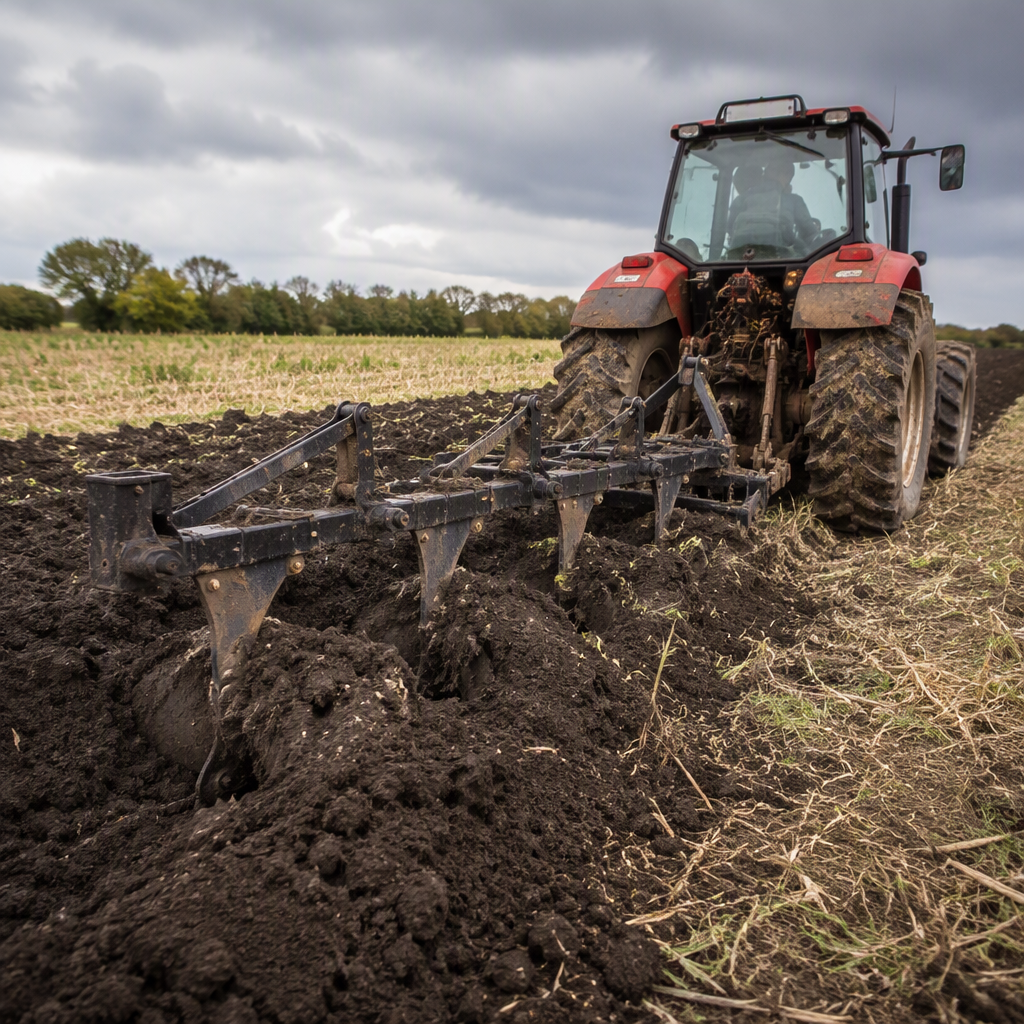
Iron ploughs have a wide range of applications in agriculture, making them versatile tools for various farming practices:

Tillage Preparation: The primary use of iron ploughs is in preparing the soil for planting. They effectively turn over the soil, incorporating crop residues and improving soil aeration.

Weed Control: By overturning the soil, ploughs can help manage weeds before planting, reducing the reliance on chemical herbicides.

Soil Improvement: Deep tillage can improve soil structure and water infiltration, beneficial in areas with compacted soils.

Crop Rotation: Farmers can use ploughs to help in crop rotation practices, ensuring that different crops are planted in the same fields across seasons, which can improve soil health and yield.

Intercropping: In mixed cropping systems, iron ploughs can be used to prepare land for multiple crop types, allowing for diversified farming practices.

Understanding these applications enables buyers to leverage the full potential of their iron ploughs, optimizing their farming strategies and improving productivity. By effectively evaluating specifications, assessing project needs, understanding cost factors, addressing common issues, and exploring various applications, B2B buyers can make informed decisions that enhance their agricultural operations with high-quality iron ploughs.

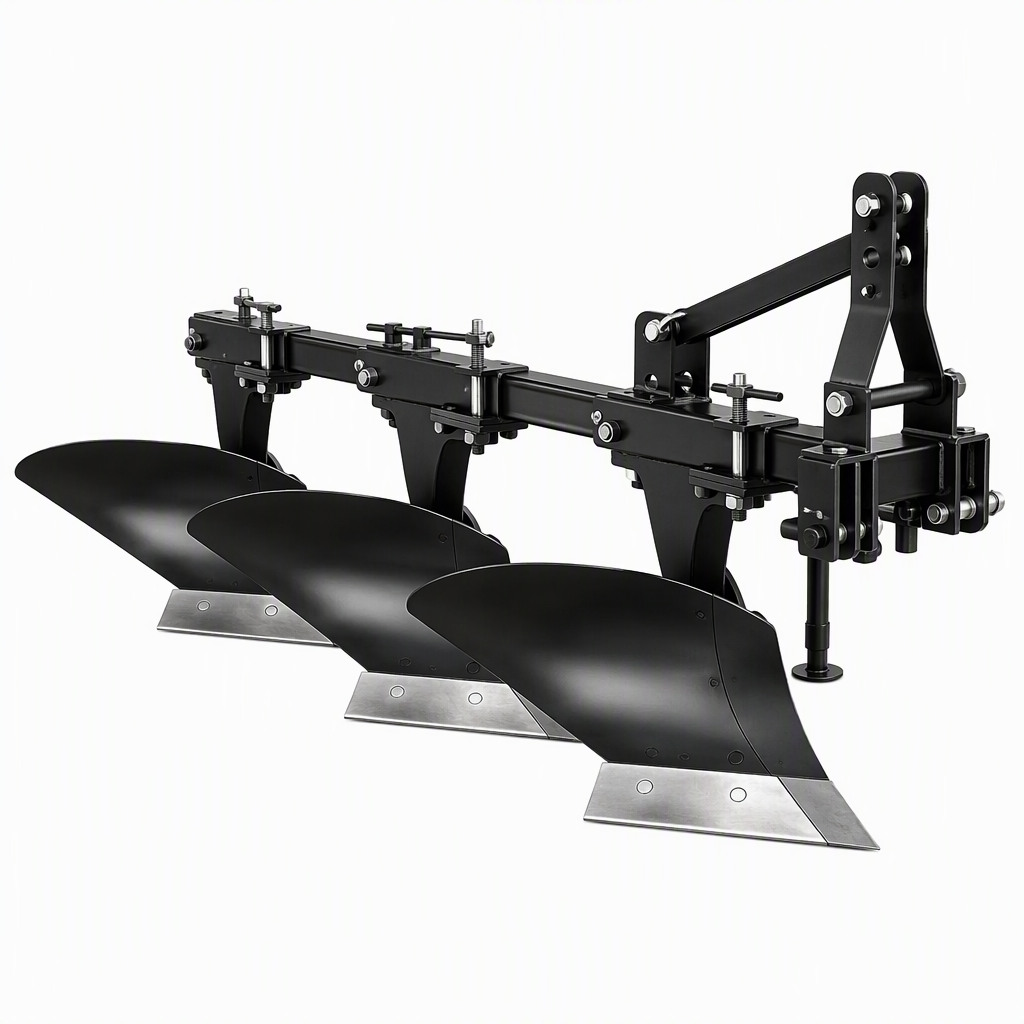
Key Specifications and Features of Our Iron Ploughs for Wholesale Buyers

When selecting an iron plough, buyers should focus on several key specifications that directly influence performance. These include:

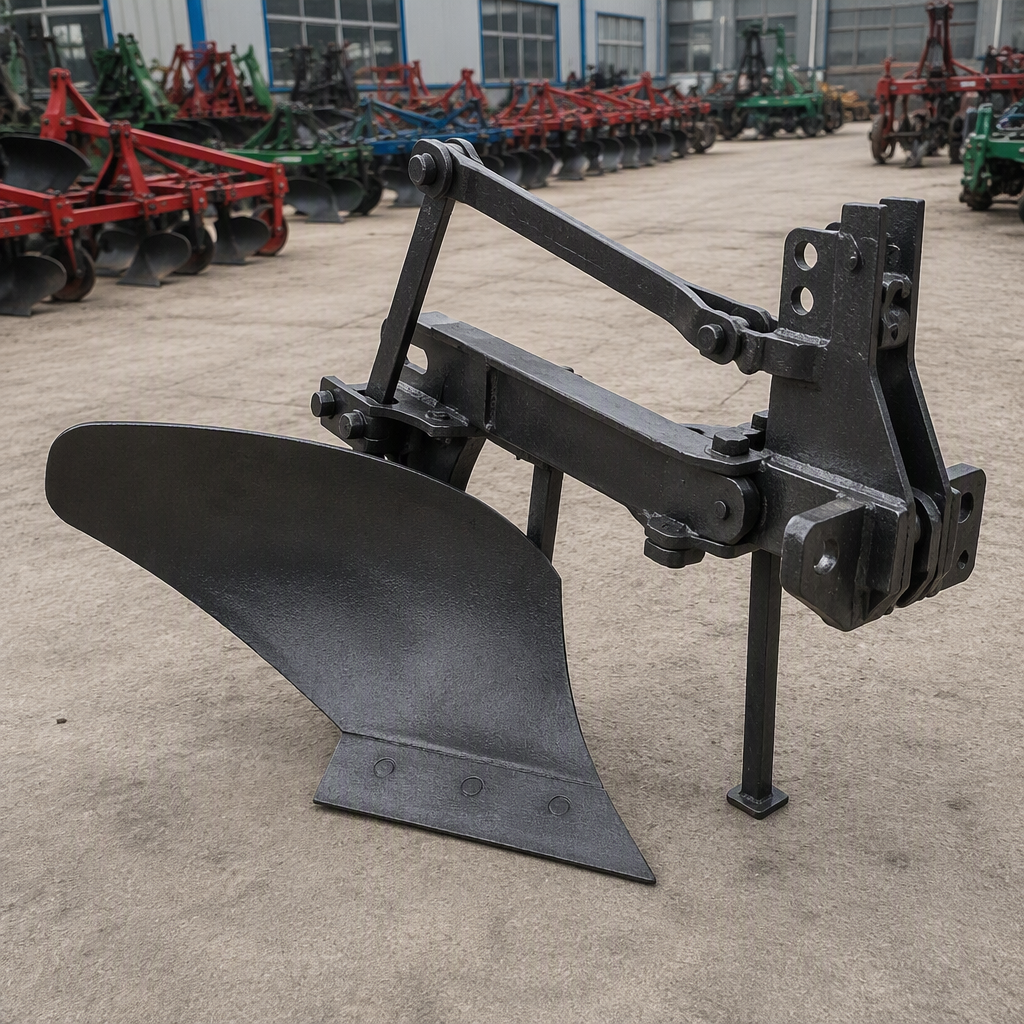
Material: Our iron ploughs are constructed from high-strength steel, ensuring durability and resistance to wear during intensive agricultural use. The choice of material affects both the plough’s weight and its ability to withstand harsh conditions.

Dimensions: The working width and depth of the plough are crucial for determining its efficiency in soil turnover. Different models offer varying widths, from 12 to 20 inches, allowing buyers to choose based on the scale of their operations.

Design Configuration: Our ploughs feature various designs, including reversible and fixed types. Reversible ploughs allow for efficient soil turning without lifting the implement from the ground, while fixed ploughs provide straightforward operations for smaller fields.

Adjustability: Many of our models come equipped with adjustable settings for depth and angle, enabling farmers to customize the ploughing process according to soil type and moisture conditions.

Weight: A heavier plough generally penetrates the soil better, but it requires a tractor with sufficient power. Buyers should consider their existing equipment when selecting a model.

Understanding these specifications not only helps in selecting the right plough but also ensures compatibility with existing machinery and operational requirements.

Frequently Asked Questions

What is the iron plough designed for?

The iron plough is designed for primary tillage, turning soil, cutting residues and preparing seedbeds on farms and plantations of various sizes.
Our iron plough is manufactured under CE and ISO 9001 standards, ensuring quality, safety and consistent performance.
It suits small to large farms and plantations; models and specifications can be matched to field size, soil type and tractor power.
Regular checks of bolts, wear parts and lubrication are recommended; replace worn shares and sharpen as needed to maintain performance.
Yes. We offer lifecycle-based support, spare parts supply and technical guidance to customers across our served countries.

Get a Free Quote

Our representative will contact you soon.
0/1000