Choosing the Right Modern Plough for Agriculture

application/modern-plough, application/modern-plough, 
Inquiry
Inquiry

modern plough

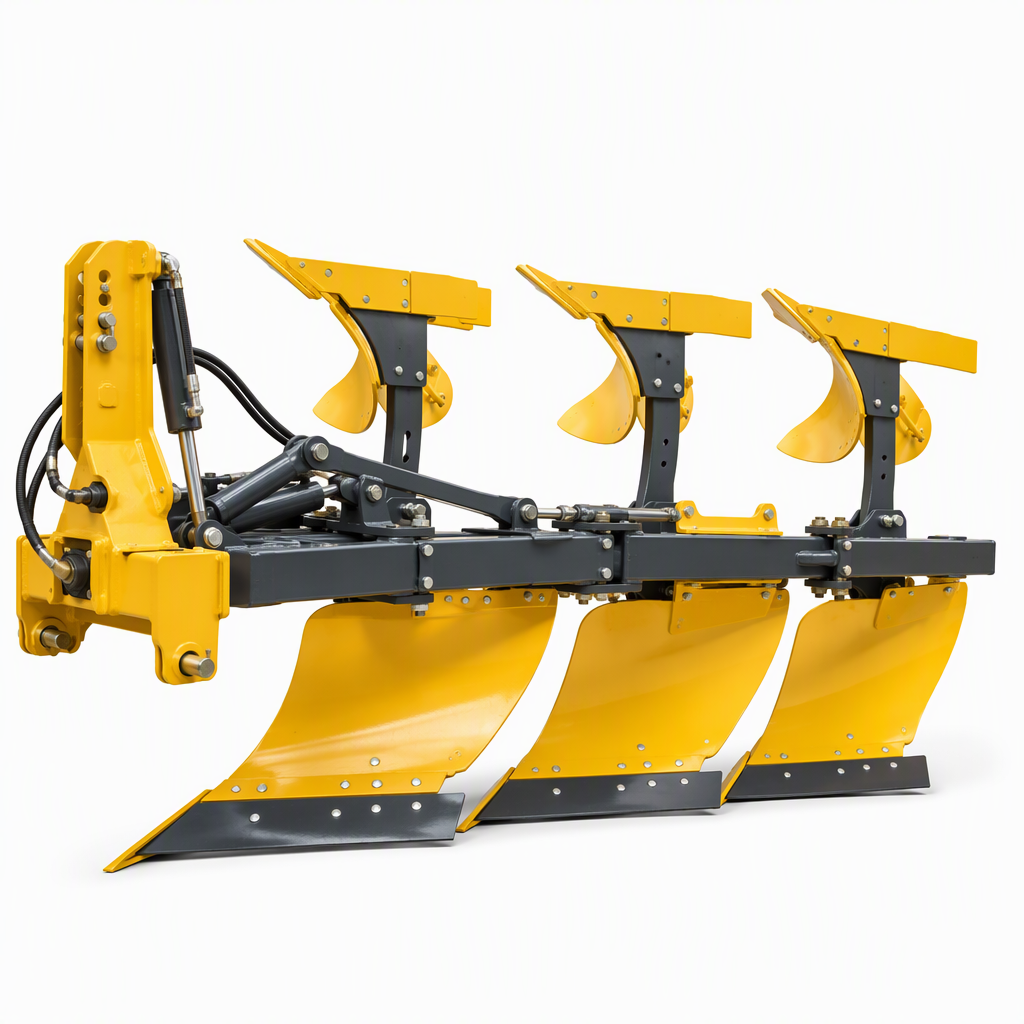
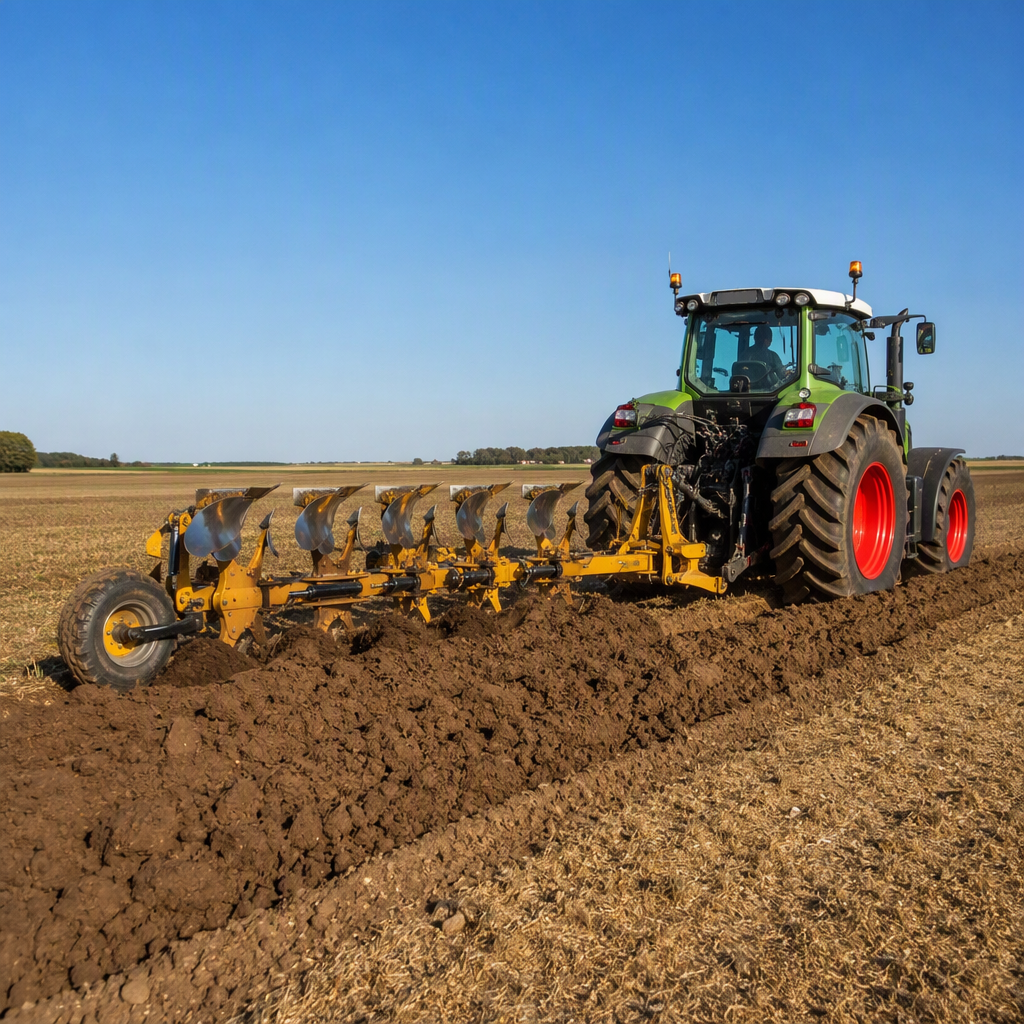
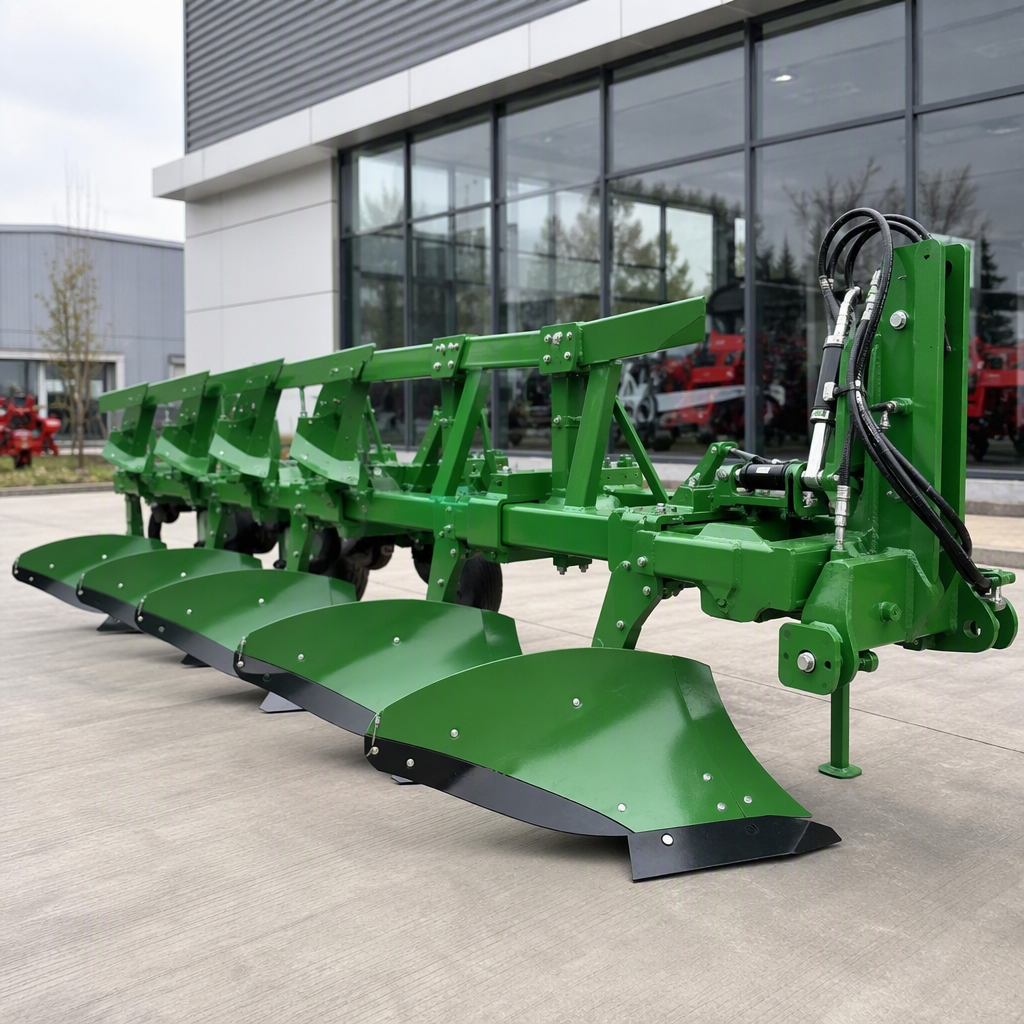
Modern ploughs are essential agricultural tools designed for soil cultivation, enabling farmers to prepare land for planting crops effectively. As a B2B buyer in the agricultural machinery sector, you may have several concerns regarding the selection, specifications, and sourcing of modern ploughs. This article aims to provide you with comprehensive insights to help make informed decisions for your agricultural needs.

Key Considerations

Key Considerations

When evaluating modern ploughs, several key factors should guide your decision-making:

Material Quality: The durability of the plough is often determined by the materials used in its construction. High-carbon steel components typically offer better wear resistance, which translates to longer service life and reduced maintenance costs.

Customization Options: Many manufacturers provide customization options to tailor the plough to your specific needs, including adjustments in size, type of attachments, and configuration. Customization can enhance performance and operational efficiency.

Technical Specifications: Pay attention to dimensions such as working width, depth adjustment capabilities, and weight. These specifications will impact the plough's performance and suitability for your specific soil conditions.

Manufacturer Reputation: When sourcing modern ploughs, consider suppliers with a proven track record. Certifications such as ISO 9001 and CE compliance can indicate adherence to quality standards, enhancing buyer confidence.

Maintenance Requirements: Understand the maintenance needs of the plough. Regular maintenance can prevent unexpected downtime in the field. Consider whether the manufacturer provides support, spare parts availability, and service options.

Where to Source Reliable Suppliers for Modern Ploughs

Where to Source Reliable Suppliers for Modern Ploughs

Sourcing reliable suppliers for modern ploughs requires a strategic approach. Start by researching manufacturers that specialize in agricultural machinery, such as Agripros, which designs equipment tailored for various farming needs. Look for suppliers with experience in your geographical area, as they may have better insights into local farming practices and conditions.

Trade shows and agricultural expos are excellent venues for meeting potential suppliers and viewing their products firsthand. Additionally, online platforms and industry directories can provide a comprehensive list of manufacturers. Always read reviews and request references to gauge the reliability and quality of service from your selected supplier.

Engaging with suppliers who offer a clear understanding of your agricultural needs and provide lifecycle-based solutions will ensure you receive the best equipment for your operations. For instance, consider exploring the Grain Crusher 3 kW Electric Mill for Poultry Feed Milling for efficient feed processing.

Cost Factors to Consider When Purchasing Modern Ploughs in Bulk

Cost Factors to Consider When Purchasing Modern Ploughs in Bulk

Cost is a significant consideration when purchasing modern ploughs, particularly in bulk. Here are key factors that can influence pricing:

Initial Purchase Price: The base cost of the plough can vary widely based on its type, features, and material quality. Ensure you understand the pricing structure of different models.

Bulk Discounts: Many manufacturers offer discounts for bulk purchases. It’s beneficial to inquire about pricing tiers based on quantity to optimize your procurement budget.

Shipping and Handling Fees: Depending on your location, shipping costs can significantly impact the total expense. Discuss delivery options and any associated costs with your supplier.

Customization Costs: If you require tailored features for your plough, this will likely add to the overall cost. Confirm these expenses upfront to avoid surprises.

Long-term Operating Costs: Consider not just the upfront costs, but also the long-term expenses associated with maintenance, potential downtime, and fuel efficiency. A more expensive but durable plough may provide better value over time.

Step-by-Step Approach

To streamline your purchasing process for modern ploughs, consider the following step-by-step approach:

Define Your Requirements: Clearly outline your specific needs, including soil type, acreage, and crop types. This information will guide your selection.

Research Suppliers: Compile a list of potential suppliers, paying attention to their reputation, certifications, and product range.

Request Quotations: Reach out to your shortlisted suppliers for detailed quotations. Provide them with your specifications to receive accurate pricing.

Evaluate Samples: If possible, request samples or demonstrations of the ploughs to assess their performance. Pay attention to how they operate in conditions similar to your own.

Negotiate Terms: Once you identify a suitable supplier, negotiate terms of purchase, including price, delivery schedules, and warranty conditions.

Finalize the Order: After confirming all details, finalize your order. Ensure all specifications are documented to prevent misunderstandings.

Quality Assurance: Before accepting delivery, establish a quality check process. Verify that the received plough meets the agreed specifications and is free from defects.

By following this structured approach, you can ensure a more efficient purchasing process and a successful integration of modern ploughs into your agricultural operations.

How to Choose the Right Modern Plough for Your Agricultural Needs

Selecting the right modern plough involves understanding your specific agricultural requirements, including soil type, crop rotation practices, and ploughing depth. Different plough types, such as moldboard, disc, and chisel ploughs, serve various purposes. For instance, moldboard ploughs are excellent for turning and aerating heavy soil, while disc ploughs are suitable for breaking up hard or compacted ground.

Considerations like the width of the plough, which affects the number of rows you can till at once, and the horsepower requirement for your tractor are also crucial. A mismatch here can lead to inefficiencies, increased fuel consumption, or even damage to both the tractor and the plough. Therefore, always clarify your operational conditions with potential suppliers to find a plough that aligns with your farming practices. If you're looking for a robust option, consider the 8-25HP Diesel Walk Behind Tractor Water-Cooled Hand Start Farm Tractor for optimal performance.

Frequently Asked Questions

What are the key features of the modern plough?

The modern plough offers adjustable depth control, durable steel shares, reinforced frame, easy hitching to tractors, and low maintenance parts to improve tillage efficiency and longevity.
Compatibility varies by model; typical ranges fit small to medium tractors from 25 to 120 HP. Contact us with your tractor specs for exact match and hitch recommendations.
We provide detailed manuals and remote technical support. On-site installation can be arranged as a paid service or through authorized partners in selected regions.
Our ploughs are manufactured under ISO 9001 quality management and CE standards where applicable, ensuring consistent production and safety compliance.
Yes. We supply genuine spare parts, maintenance guidance, and lifecycle-based support across 40 countries with warranty and technical assistance options.

Get a Free Quote

Our representative will contact you soon.
0/1000