Choosing the Right Paddy Planter Machine

application/paddy-planter-machine, application/paddy-planter-machine, 
Inquiry
Inquiry

paddy planter machine

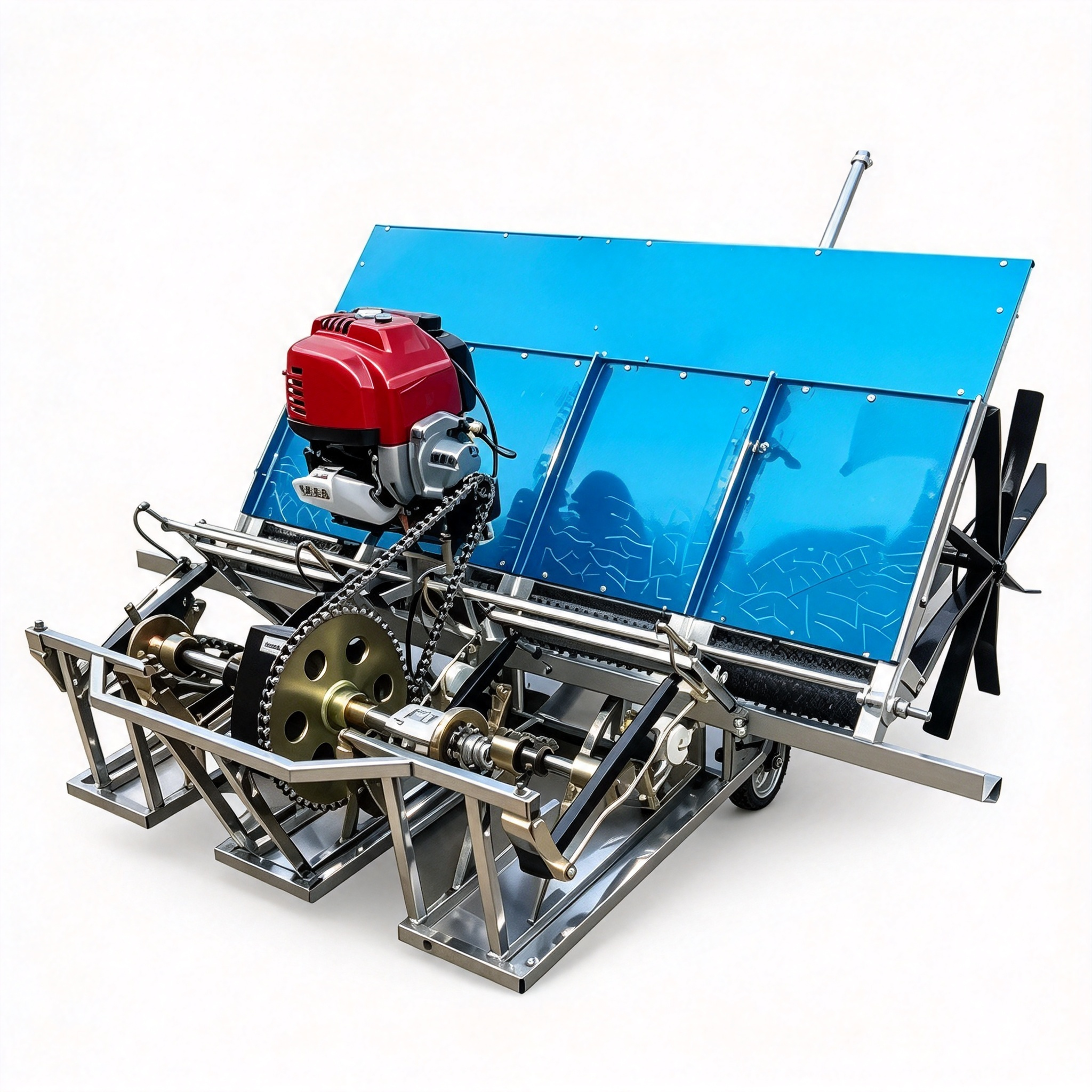
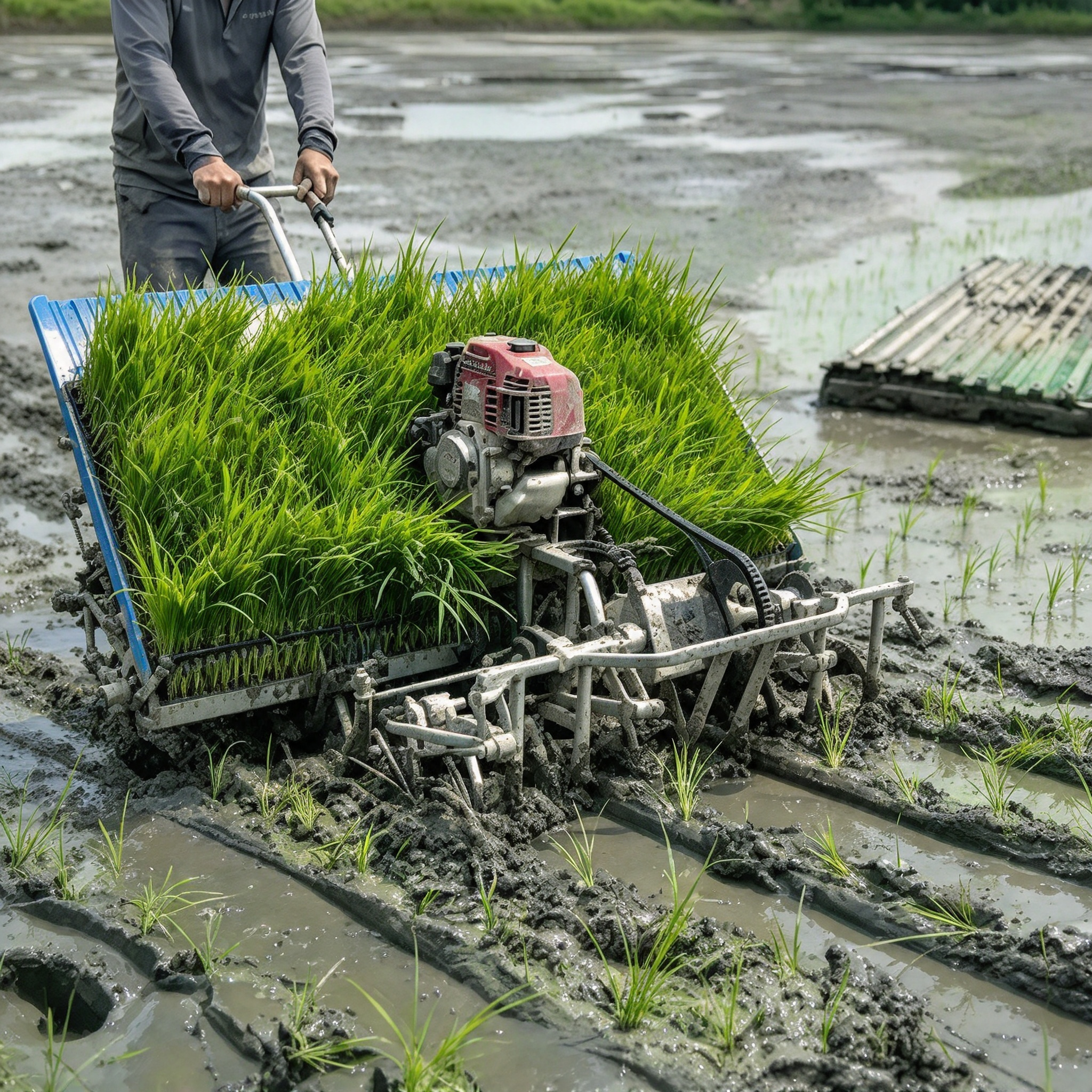
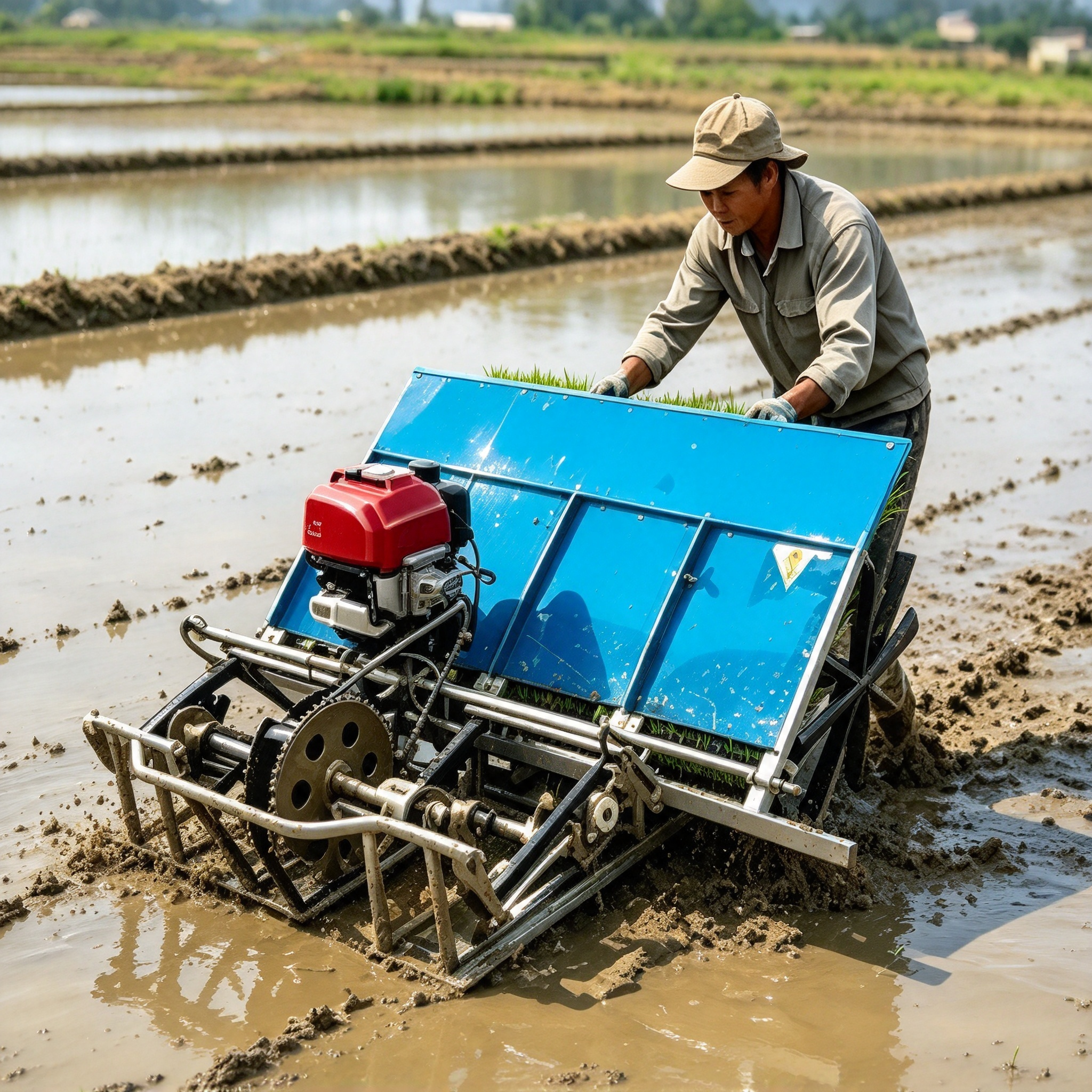
Paddy planter machines are essential tools for modern agriculture, specifically designed to streamline the planting of rice and other similar crops. As a purchasing manager or distributor, your key concerns may include the machine's efficiency, reliability, and suitability for your specific agricultural needs. This article will guide you through the considerations necessary for selecting the right paddy planter machine, including specifications, cost factors, installation guidance, and applications in contemporary farming.

Technical Specifications of High-Quality Paddy Planter Machines

Technical Specifications of High-Quality Paddy Planter Machines

When evaluating paddy planter machines, several key specifications warrant attention:

Planting Width and Depth: The planting width should correspond to the desired row spacing for optimal crop yield. Depth settings should be adjustable to accommodate different seed types and soil conditions.

Seed Metering System: The precision of the seed metering system is crucial for achieving uniform plant populations. Look for planters equipped with high-quality metering devices that minimize seed damage and ensure accurate spacing.

Power Source: Consider whether the machine is manually operated, tractor-mounted, or self-propelled. The power source will influence both the operational cost and the efficiency of the planting process. For example, a Tractor Mounted 6 Row Seed Drill Grain Seeder for Sorghum can significantly enhance your planting efficiency.

Durability and Material Quality: The materials used in construction should withstand harsh agricultural environments. High-quality steel or reinforced composites are often preferable for long-term use.

Weight and Mobility: The weight of the machine can affect its ability to maneuver in wet conditions, which is common in paddy fields. A lightweight design that maintains stability is generally advantageous.

By understanding these specifications, you can make informed comparisons between different models and select a paddy planter that aligns with your operational requirements.

Features and Benefits

Features and Benefits

The cost of a paddy planter machine is influenced by several factors that extend beyond the initial purchase price.

Machine Type and Features: More advanced machines with features like GPS technology or automated seed placement will typically come with a higher price tag. Determine which features are essential for your operation to avoid overspending on unnecessary capabilities.

Operational Costs: Consider the ongoing costs associated with fuel, maintenance, and parts replacement. A machine that is efficient in fuel consumption and requires minimal maintenance can significantly reduce long-term expenses.

Financing Options: Explore different financing options available for purchasing agricultural machinery. Some manufacturers may offer leasing arrangements or financing plans that can ease the upfront cost burden.

Resale Value: While not immediately apparent, the potential resale value of the machine can impact overall cost-effectiveness. Research the market demand for specific models to ensure a reasonable return on investment when the time comes to upgrade.

By evaluating these cost factors comprehensively, you can make a more informed purchasing decision that aligns with your budgetary constraints.

Understanding the Applications of Paddy Planter Machines in Farming

Understanding the Applications of Paddy Planter Machines in Farming

Proper installation of your paddy planter machine is crucial for optimal performance. Begin by reviewing the manufacturer's guidelines, as each model may have specific requirements.

Site Preparation: Ensure that the installation site is level and free from debris. This preparation will facilitate better machine operation and longevity.

Calibration: Before using the machine, calibrate it according to the seed variety and desired planting depth. Inaccurate calibration can lead to poor seed placement and reduced crop yield.

Test Runs: Conduct test runs in a small area of the field to verify that the planting depth and spacing are as intended. This trial will allow you to make any necessary adjustments before full-scale planting.

Operator Training: Ensure that the operators are well-trained in the machine’s functions. Familiarity with the equipment will enhance operational efficiency and reduce the risk of errors during planting.

By following these installation guidelines, you can maximize the performance and lifespan of your paddy planter machine.

Quality Control Measures in Paddy Planter Machine Manufacturing

Paddy planter machines play a pivotal role in modern agricultural practices, particularly in rice cultivation. Their primary application is in streamlining the planting process, which traditionally required extensive labor and time.

Increased Efficiency: With the ability to plant seeds at a consistent depth and spacing, these machines significantly reduce the time required for planting, enabling farmers to cover larger areas more swiftly.

Improved Crop Uniformity: The precision offered by mechanical planting helps achieve more uniform crop emergence, which is crucial for optimizing yield and simplifying subsequent field management practices.

Reduced Labor Costs: By mechanizing the planting process, farmers can lower labor costs and mitigate the challenges associated with labor shortages, particularly during peak planting seasons.

Adaptability to Technology: Modern paddy planters can be integrated with precision agriculture technologies, including GPS and remote monitoring. This integration allows for data-driven decision-making, enhancing productivity and sustainability in crop management.

By understanding these applications, agricultural professionals can better appreciate the value of investing in a reliable paddy planter machine and its potential to transform planting practices in their operations.

Choosing the Right Paddy Planter Machine for Your Agricultural Needs

Selecting the appropriate paddy planter machine involves assessing various factors that directly impact your operational efficiency. First, consider the planting method that best suits your farming practices—mechanical or manual. Mechanical paddy planters are generally preferred for large-scale operations because they offer greater planting speed and consistency. For instance, if you're looking for a robust solution, the 8-25HP Diesel Walk Behind Tractor Water-Cooled Hand Start Farm Tractor can be an excellent choice to complement your paddy planter.

Next, evaluate the machine's capacity in relation to your field size and required planting density. A high-capacity planter will be advantageous for larger operations, allowing for quick planting while ensuring uniform seed distribution. Additionally, consider the adaptability of the machine to different soil types and environmental conditions. If your fields have varied terrains, a versatile planter with adjustable components will enhance productivity.

Lastly, assess any specific features that may be beneficial for your operation, such as seed metering systems, row spacing adjustments, and ease of maintenance. Aligning these considerations with your operational goals will help ensure you select a paddy planter machine that meets your demands efficiently.

Frequently Asked Questions

What is the paddy planter machine used for?

The paddy planter machine accurately transplants rice seedlings into flooded fields, improving planting speed, uniformity, and crop establishment for small to large farms.
Our paddy planter carries CE and ISO 9001 certifications, ensuring quality manufacturing, safety standards, and reliable performance.
Designed for smallholder to medium and large plantations, it adapts to various paddy field sizes with adjustable spacing and planting density.
We provide lifecycle-based support including spare parts, maintenance guidance, and technical assistance to ensure long-term operation across regions.
Contact our sales team with field size, soil type, row spacing, and power source; we’ll recommend a tailored model and setup to match your requirements.

Get a Free Quote

Our representative will contact you soon.
0/1000