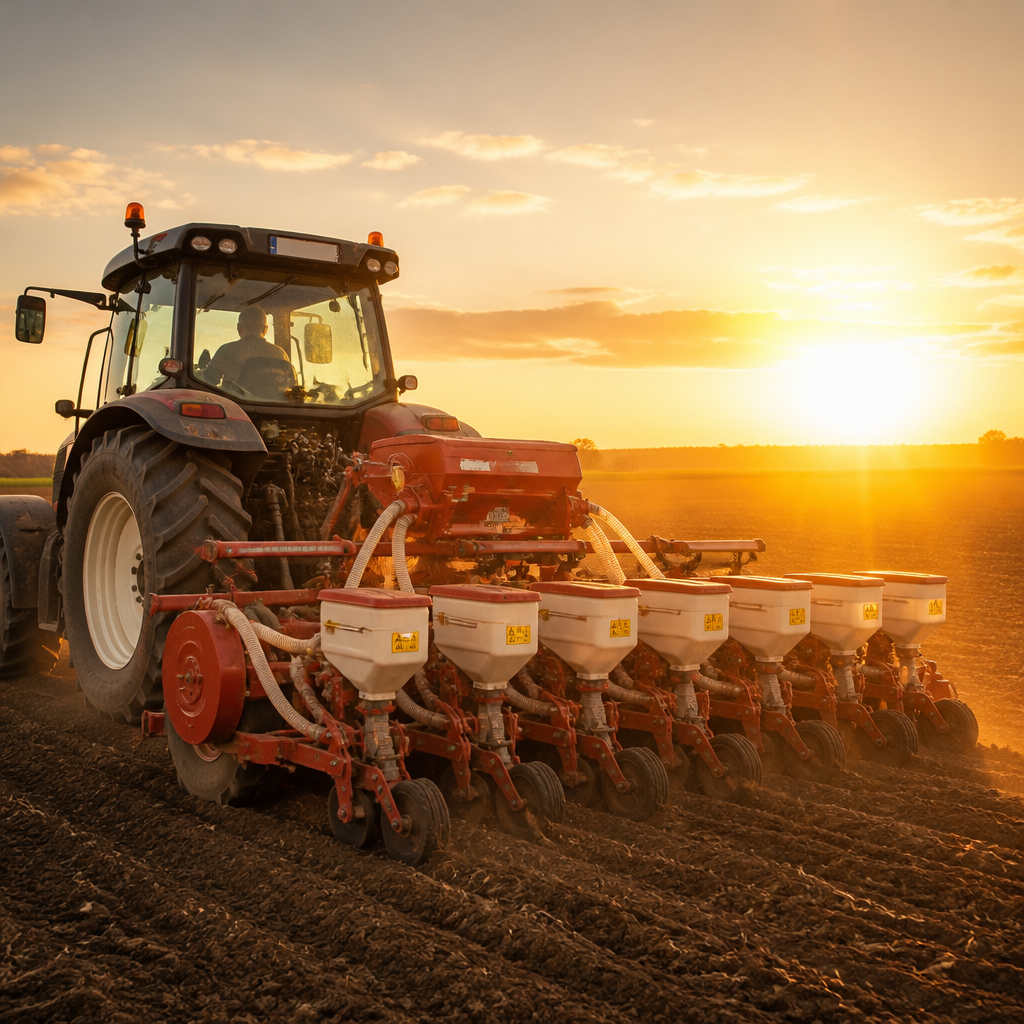
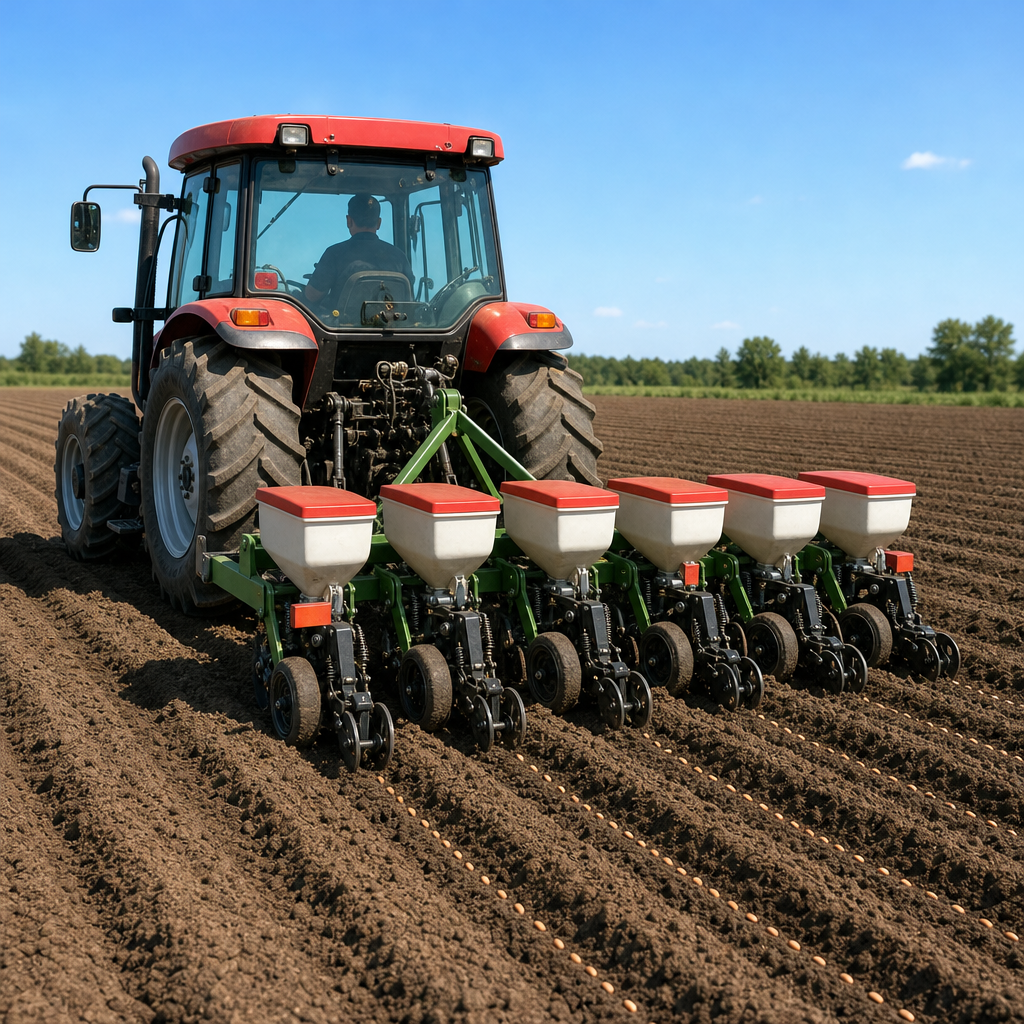
Bulk Order Solutions for Planter Agriculture Machinery

application/planter-agriculture, application/planter-agriculture, 
Inquiry
Inquiry

planter agriculture

In the realm of agriculture, the efficiency and effectiveness of planting operations greatly depend on the machinery used. Planter agriculture machinery is designed to optimize the planting process, ensuring seeds are sown at the right depth and spacing for maximum yield. B2B buyers, including purchasing managers and agricultural engineers, often face concerns regarding specifications, cost factors, and installation when selecting these essential machines. This article will delve into the bulk order solutions, specifications, cost considerations, installation guidance, and material advantages of planter agriculture machinery, equipping buyers with the knowledge needed to make informed decisions.

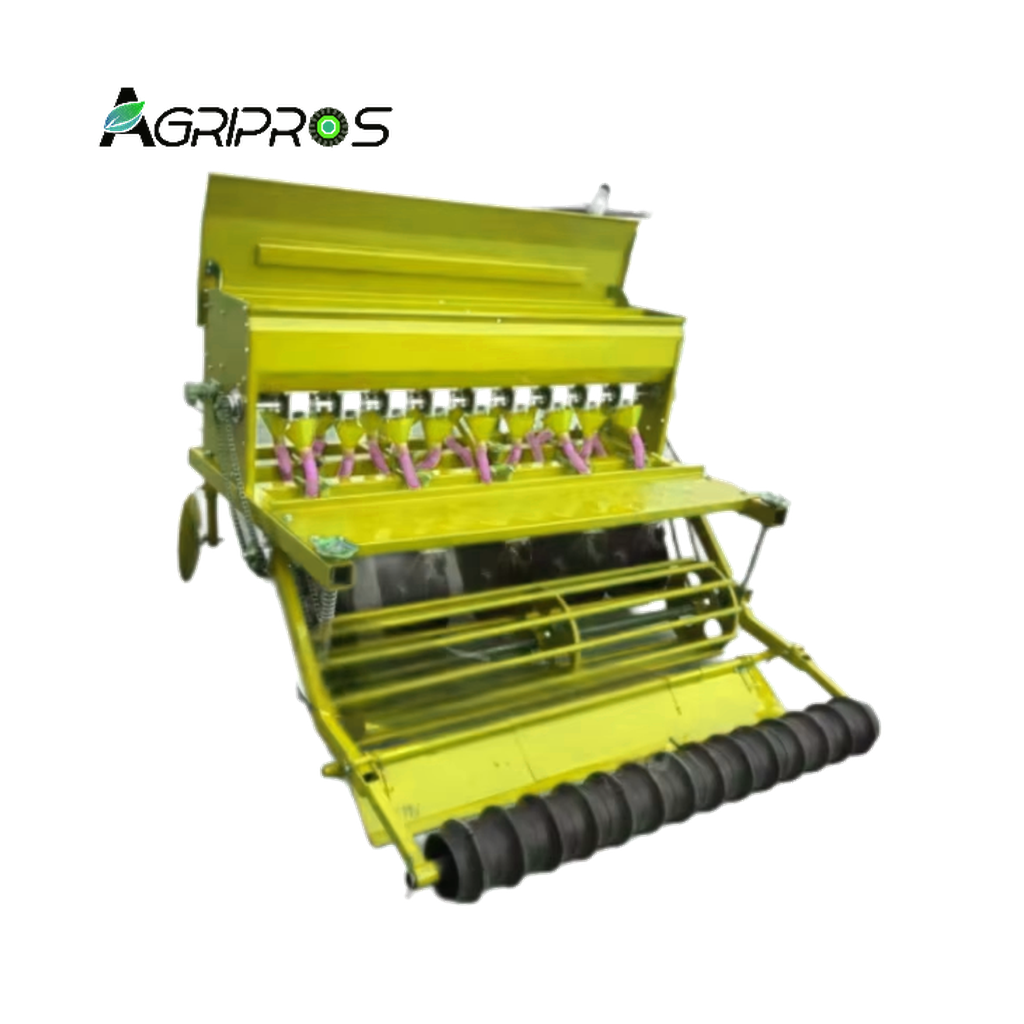
Specifications to Compare for Planter Agriculture Equipmen

Specifications to Compare for Planter Agriculture Equipmen

When evaluating planter agriculture equipment, several key specifications should be compared to ensure compatibility with operational requirements. These include:

Row Spacing: The distance between rows can significantly impact crop yield and management practices. It's essential to choose machinery that matches the preferred row spacing for the specific crops being planted.

Seed Depth: Different crops require different planting depths for optimal germination. Buyers should confirm that the machinery can adjust to the necessary depth accurately.

Capacity: The seed capacity of the planter will determine how much area can be covered in a single pass. A higher capacity can improve efficiency but may also require more robust machinery.

Durability: The materials used in construction, such as high-strength steel or corrosion-resistant coatings, can affect the longevity and maintenance needs of the equipment. For example, the Diesel Multicrop Grain Thresher with Double Fan for Farms is known for its durability and efficiency.

Compatibility with Other Equipment: Buyers should ensure that the planter is compatible with existing machinery in their operations, such as tractors or tillage equipment.

Understanding these specifications allows buyers to select equipment that maximizes productivity and aligns with their agricultural practices.

Understanding Cost Factors in Planter Agriculture Purchases

Understanding Cost Factors in Planter Agriculture Purchases

The cost of planter agriculture machinery can vary widely based on several factors. These include the type of equipment, its specifications, and any additional features that enhance performance. Key cost considerations include:

Initial Purchase Price: This is the most apparent cost and will vary based on brand, model, and capabilities. Buyers should consider the long-term value rather than just the upfront cost.

Customization Costs: Custom-built machinery to meet specific operational needs may incur additional charges. Discussing customization options upfront can help avoid unexpected costs later.

Maintenance and Operating Costs: Regular maintenance and potential repairs are crucial for keeping machinery running efficiently. Buyers should inquire about maintenance schedules and typical costs associated with upkeep.

Financing Options: Some suppliers may offer financing solutions that can ease the burden of upfront costs. Understanding the terms and interest rates can aid in making a financially sound decision.

Resale Value: Considering the expected resale value of the equipment can also be beneficial, as some brands and models retain value better than others.

By weighing these cost factors, buyers can make informed decisions that align with their budget and operational goals.

Installation Guidance for Planter Agriculture Equipmen

Installation Guidance for Planter Agriculture Equipmen

Proper installation of planter agriculture machinery is critical to ensuring optimal performance. Here are several steps and considerations for effective installation:

Site Preparation: Ensure that the installation site is adequately prepared, including leveling the ground and ensuring easy access to utilities if needed.

Review Manufacturer Instructions: Each model may have specific installation requirements. Thoroughly reviewing the manufacturer's guidelines can help prevent potential installation errors.

Calibration: After installation, the machinery should be calibrated according to the specific crop requirements, including seed depth and spacing. This step ensures that the planter operates efficiently.

Training: Providing training for operators on how to use and maintain the machinery is crucial. Familiarity with the machine and its controls will lead to better performance and reduced risk of errors.

Testing: Before full-scale operation, conducting trial runs can help identify any issues with the installation or calibration. Adjustments can be made based on the results of these tests.

By following these guidelines, buyers can ensure that their planter agriculture machinery is installed correctly and operates at peak efficiency.

Key Advantages of Materials Used in Planter Agriculture Equipment

The materials used in the construction of planter agriculture machinery play a significant role in its performance and longevity. Key advantages of specific materials include:

High-Strength Steel: Often used in key structural components, high-strength steel provides durability and resistance to wear and tear. This material is crucial for equipment expected to handle the rigors of fieldwork.

Corrosion-Resistant Coatings: Equipment exposed to harsh weather conditions should feature materials that resist corrosion. This extends the lifespan of the machinery and reduces maintenance needs.

Lightweight Composites: Some modern planters utilize lightweight composite materials, which can reduce overall weight and improve maneuverability without sacrificing strength.

Wear Parts: Components such as blades and seed tubes should be made from materials designed for high wear resistance. This ensures consistent performance and reduces the frequency of replacements.

Environmental Considerations: Selecting eco-friendly materials can also be a selling point for buyers looking to enhance their sustainability practices.

Understanding the advantages of different materials allows buyers to select equipment that not only meets their operational needs but also aligns with their long-term agricultural goals. By addressing these critical aspects of planter agriculture machinery, buyers can make well-informed decisions, ensuring their investments support efficient and effective agricultural practices.

Bulk Order Solutions for Planter Agriculture Machinery

When considering bulk orders for planter agriculture machinery, buyers should first assess their specific needs, including the scale of their operations and the types of crops being planted. Agripros offers tailored solutions to meet the diverse requirements of farms and plantations, ensuring that machinery can handle the specific planting and operational demands of various agricultural environments. For instance, the 8-25HP Diesel Walk Behind Tractor Water-Cooled Hand Start Farm Tractor can be an optimal choice for various farming needs.

In bulk purchasing scenarios, buyers can benefit from reduced pricing per unit, as well as potential customization options. It is advisable to discuss minimum order quantities (MOQ) with suppliers, as these can vary based on the type of machinery and the supplier's production capabilities. Additionally, ordering in bulk may streamline logistics and reduce shipping costs, making it a financially advantageous choice for larger operations.

Frequently Asked Questions

What types of planters do you supply?

We offer row crop, precision, and multi-row planters tailored for various crops and field sizes, with options for mechanical or pneumatic seed metering.
Yes. Our planters are manufactured under CE and ISO 9001 standards to ensure quality, safety, and consistent performance.
Yes. We provide tailored solutions based on crop type, field conditions, and lifecycle needs, including frame width, seed spacing, and attachments.
We offer technical support, spare parts, maintenance guidance, and remote troubleshooting to ensure long-term operation and uptime.
We support farms in 40 countries. Delivery times depend on model and customization; typical lead times are provided after order confirmation.

Get a Free Quote

Our representative will contact you soon.
0/1000