Key Specifications for Agricultural Planters

application/planter-in-agriculture, application/planter-in-agriculture, 
Inquiry
Inquiry

planter in agriculture

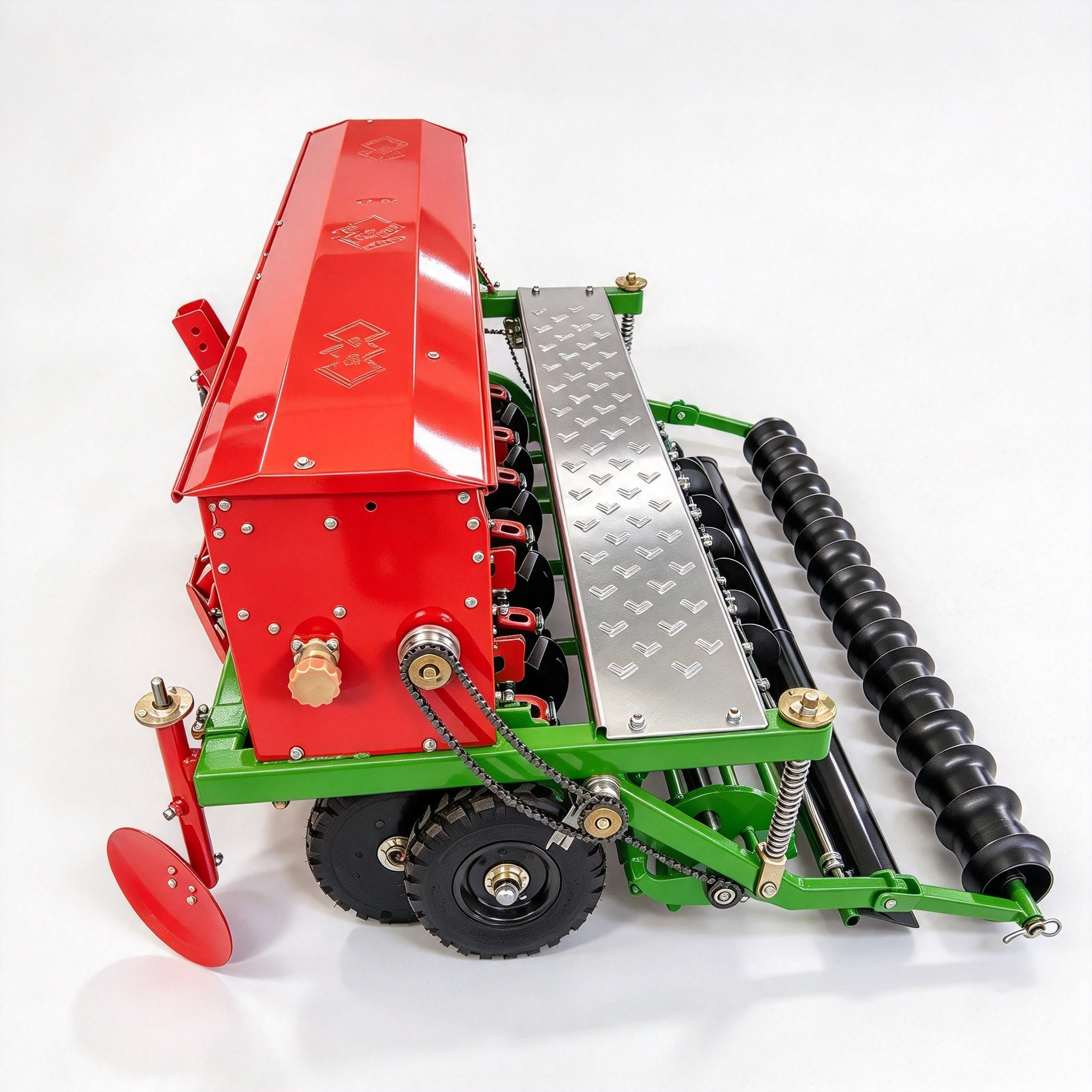
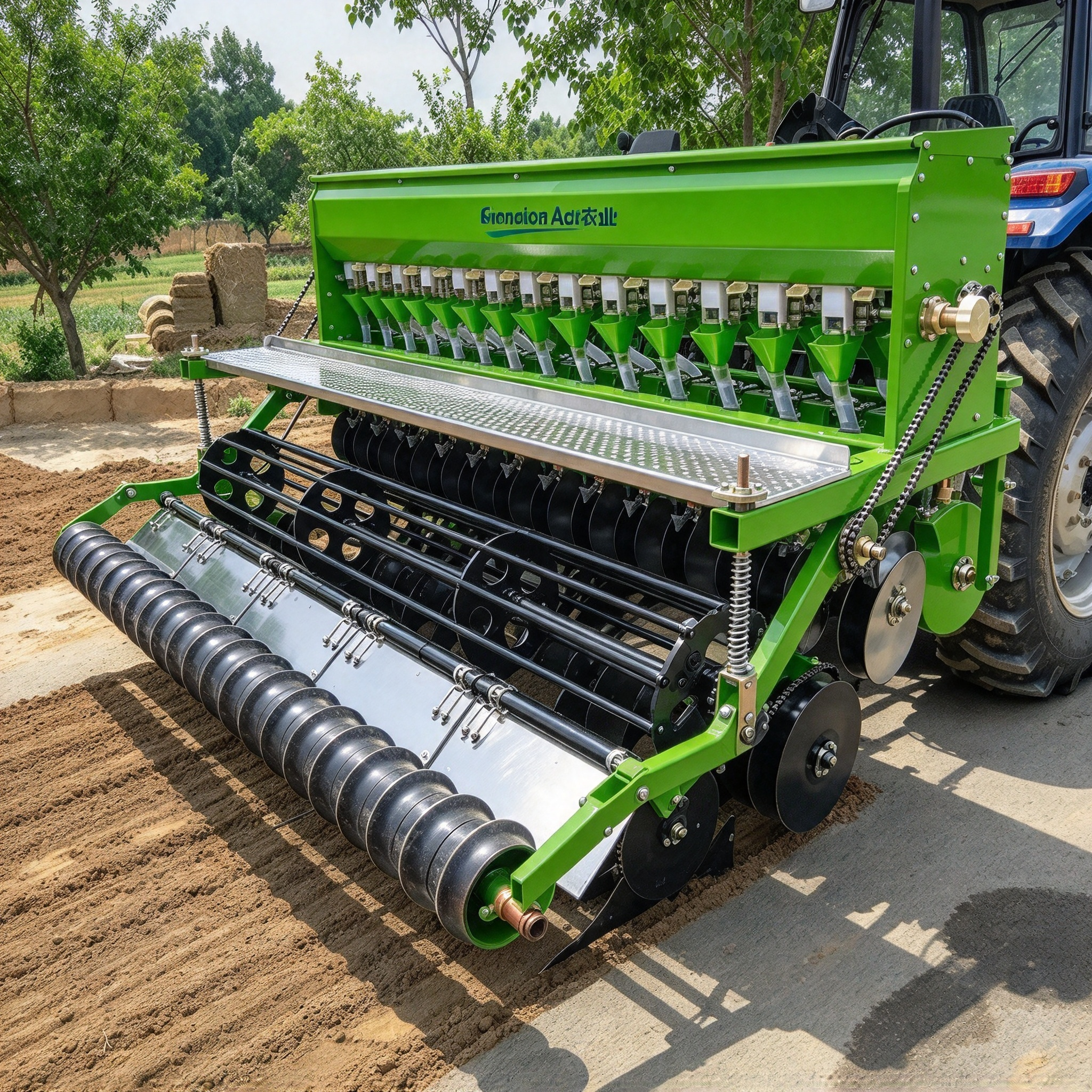
Agricultural planters are essential machinery in modern farming, designed for efficient seed placement and soil preparation. For buyers, understanding the intricacies of planters in agriculture is crucial, as key concerns often include performance, compatibility with existing equipment, and overall durability. This article will guide purchasing managers and agricultural professionals through the vital specifications, quality evaluations, installation guidance, common issues, and cost considerations related to agricultural planters.

How to Evaluate the Quality of Planters for Your Projects

How to Evaluate the Quality of Planters for Your Projects

Evaluating the quality of agricultural planters involves a comprehensive approach that encompasses several factors:

Certifications and Standards: Ensure that the planter meets international standards such as ISO 9001 and CE certifications. These indicate adherence to quality management systems and safety regulations.

Manufacturing Processes: Inquire about the manufacturing capabilities of the supplier. High-quality planters are often produced using advanced techniques that ensure precision and consistency. Look for suppliers who provide details about their quality control processes.

Customer Reviews and Case Studies: Request references or case studies from previous customers. Real-world performance feedback can provide insights into the planter's reliability and effectiveness in similar applications.

Spare Parts Availability: Quality is also determined by the availability of spare parts and after-sales service. A reputable supplier should offer easy access to replacement parts to minimize downtime during the planting season. Additionally, planters should be compatible with Cultivators & Tillers to ensure versatility in the field.

By focusing on these areas, buyers can assess the quality and suitability of agricultural planters for their specific projects.

Installation Guidance for Efficient Use of Agricultural Planters

Installation Guidance for Efficient Use of Agricultural Planters

Proper installation of agricultural planters is essential for maximizing their efficiency and lifespan. Here are key steps to ensure correct setup:

Preparation of the Site: Before installation, assess the terrain and soil conditions. Ensure that the area is clear of debris and that the soil is adequately moisture-balanced to facilitate smooth operation.

Alignment and Calibration: During installation, align the planter accurately with the tractor to avoid uneven planting. Calibration of the seed metering system is crucial; this ensures that seeds are dispensed at the correct rate.

Testing: After installation, conduct field tests to ensure the planter operates as intended. Check for uniform seed placement and depth. Adjust settings as necessary based on test results.

Operator Training: Ensure that operators are trained in the use of the planter. Understanding operational controls and maintenance needs will enhance efficiency and reduce wear.

By following these installation guidelines, buyers can optimize the performance of their agricultural planters.

Common Problems with Planters and Effective Solutions Offered

Common Problems with Planters and Effective Solutions Offered

Like any machinery, agricultural planters can encounter issues that affect their performance. Here are some common problems and solutions:

Clogging of Seed Distributors: This often occurs due to debris or incorrect seed size. To mitigate this, regularly clean the seed distribution system and ensure that the seed type matches the planter's specifications.

Inconsistent Planting Depth: This can result from uneven terrain or improper calibration. Regularly check and adjust the planter's depth settings, and consider using a planter equipped with depth control technologies.

Mechanical Failures: Components can wear out over time. Regular maintenance, including lubrication and inspection of moving parts, can prevent mechanical failures. Ensure that replacement parts are readily available from your supplier.

Poor Seed Germination: This issue can arise from incorrect planting depth or poor soil conditions. Conduct soil tests and adjust the planting strategy accordingly to enhance seed germination rates.

By being aware of these common problems and their solutions, buyers can ensure that their agricultural planters operate effectively throughout the planting season.

Cost Factors to Consider When Purchasing Agricultural Planters

When budgeting for agricultural planters, several cost factors must be taken into account:

Initial Purchase Price: This is the most obvious cost but does not include the potential long-term savings from high-quality machinery. Consider the durability and efficiency of the planter when evaluating its price.

Operational Costs: Factor in the costs associated with fuel, maintenance, and repairs. A more efficient planter may have higher upfront costs but can save money in the long run through reduced operational expenses.

Customization Options: If specific adaptations are required for unique agricultural applications, customization may incur additional costs. Understand the implications of customization on the overall budget.

Financing Options: Explore financing solutions offered by suppliers, which can help manage cash flow. The right financing plan can make purchasing high-quality planters more accessible.

Resale Value: Consider the potential resale value of the planter. High-quality, well-maintained planters typically retain their value better, which can be an important factor if future upgrades are planned.

By carefully evaluating these cost factors, buyers can make informed purchasing decisions that align with their financial strategies and operational needs.

Key Specifications of Our Agricultural Planters for Buyers

When selecting agricultural planters, several specifications are critical to ensure optimal performance. Key parameters include planting depth, row spacing, and seed metering accuracy. Planters should also be compatible with various Processing Machines to enhance functionality.

Planting Depth: This is the depth at which seeds are placed in the soil. It affects germination and root development. Planters should allow for adjustable depth settings to cater to different seed types and soil conditions.

Row Spacing: This refers to the distance between each planting row. Proper spacing is important for crop health and effective machine operation. Planters should accommodate various row configurations based on crop type.

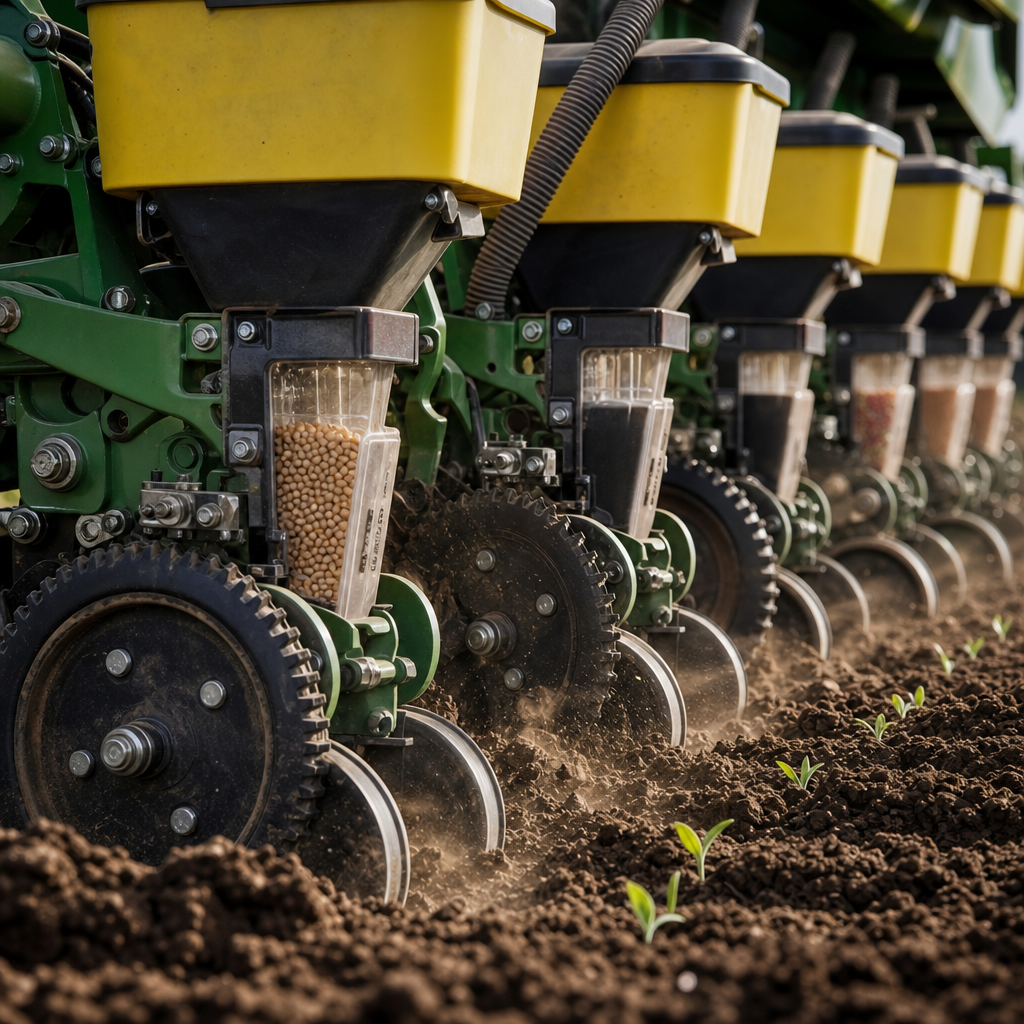
Seed Metering System: A precise seed metering system ensures uniform seed distribution, which is essential for maximizing yields. Buyers should look for planters equipped with advanced seed metering technologies that can handle different seed sizes and shapes.

Durability of Materials: Planters made from high-grade steel or alloys can withstand the rigors of agricultural work. Buyers should consider the material's resistance to wear and environmental factors.

Understanding these specifications helps buyers select a planter tailored to their specific agricultural needs, ensuring efficiency and productivity.

Get a Free Quote

Our representative will contact you soon.
0/1000