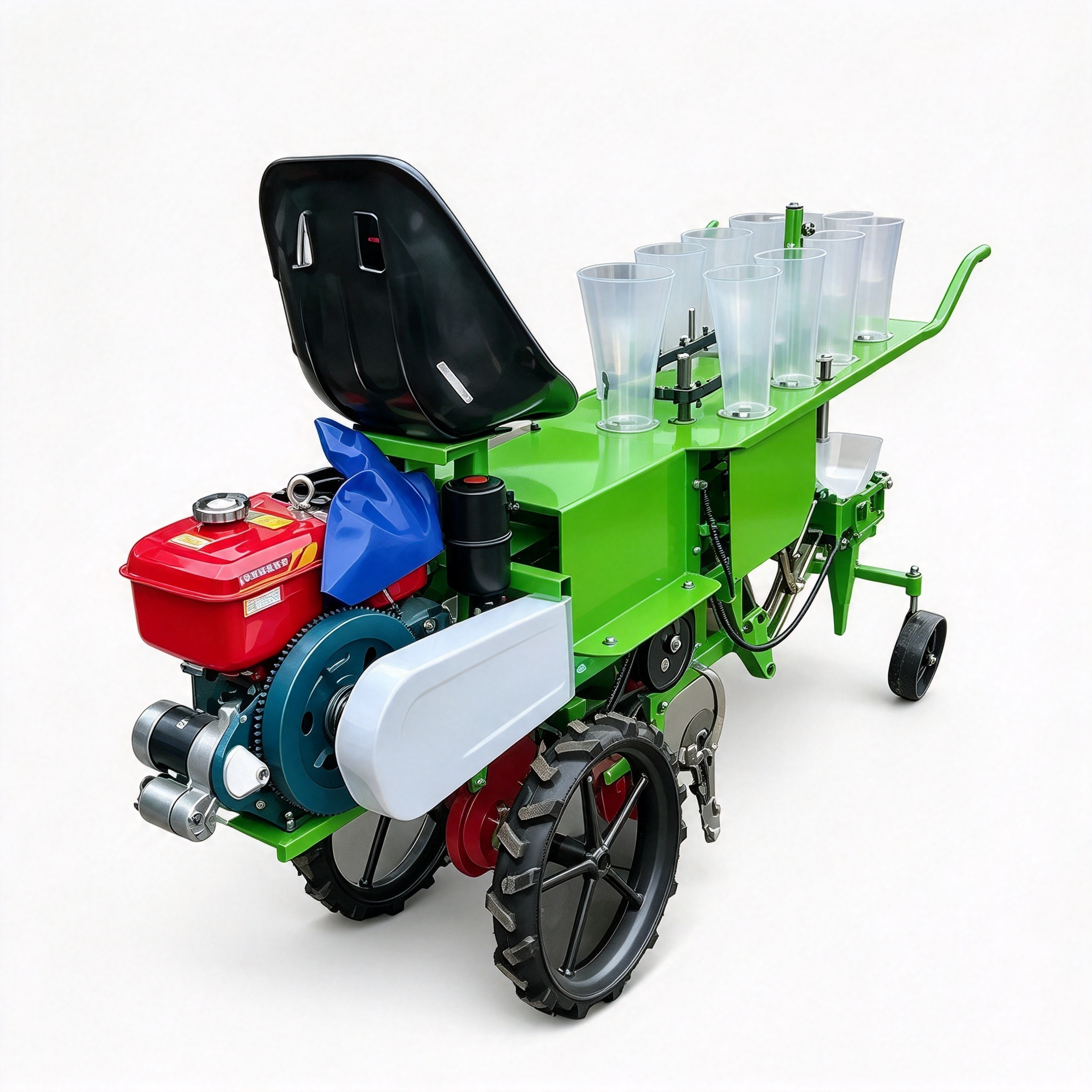
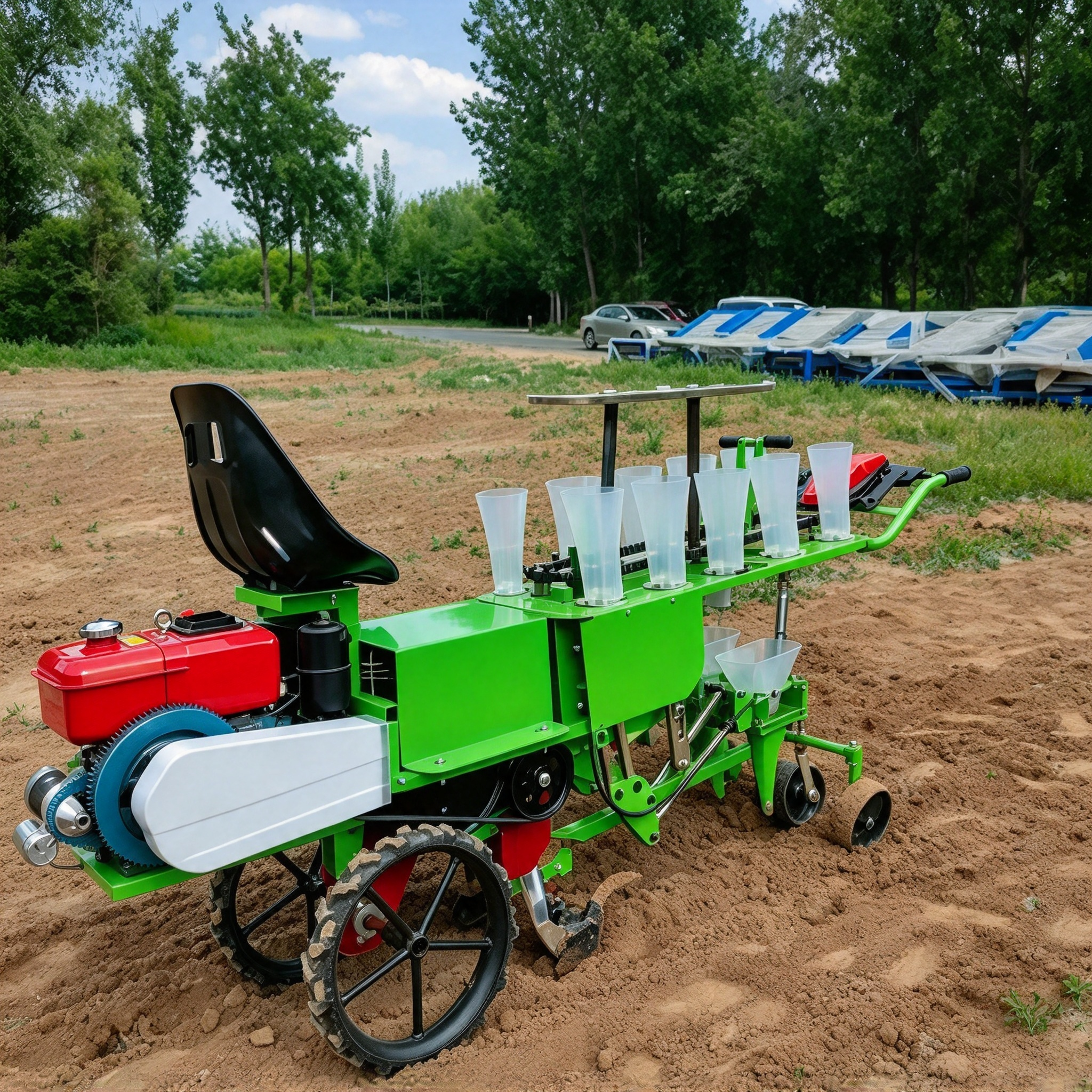
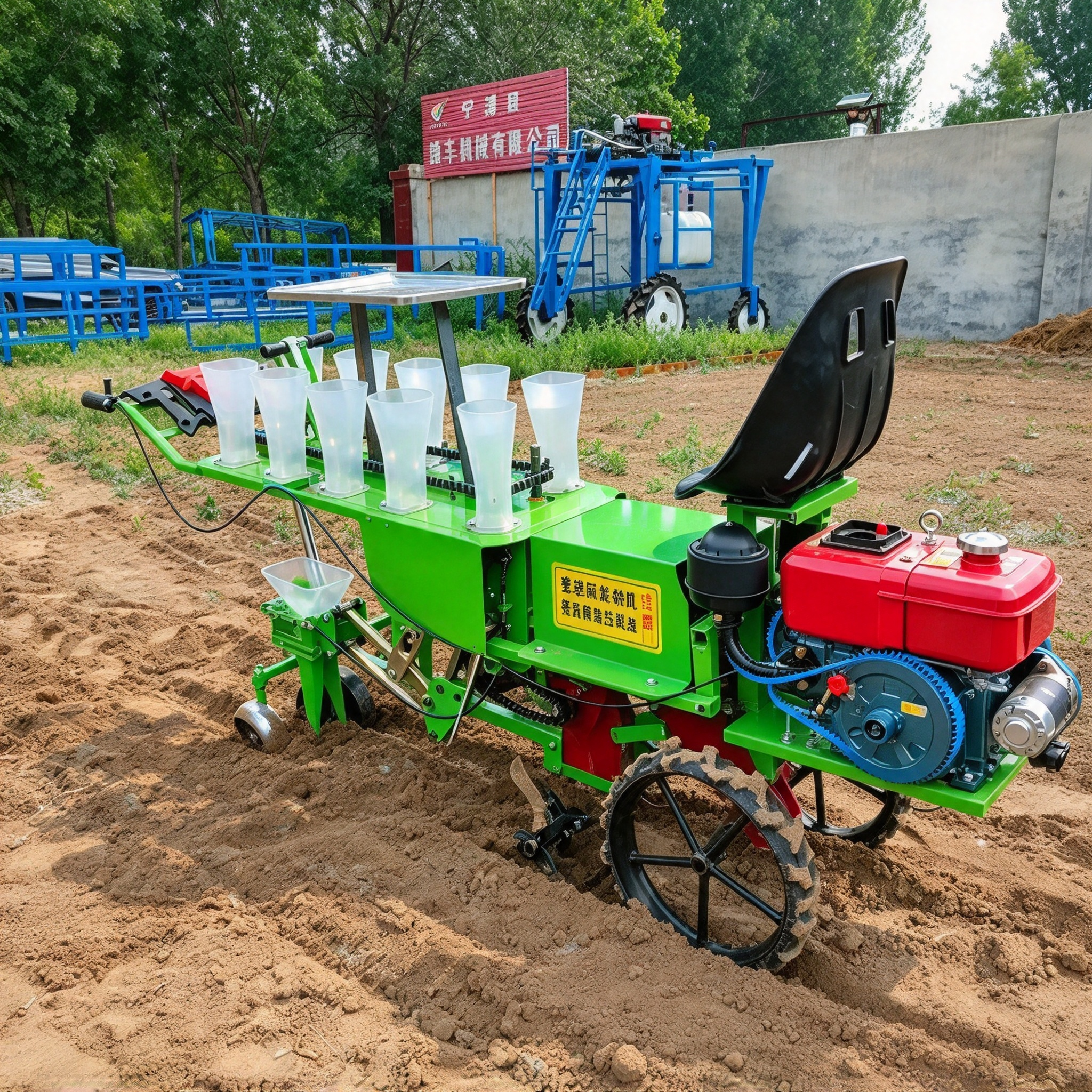
Key Specifications of Agricultural Planters

application/agricultural-planter, application/agricultural-planter, 
Inquiry
Inquiry

agricultural planter

Agricultural planters are essential machinery in modern farming, designed for efficient seeding and planting of various crops. As a key investment for purchasing managers and agricultural businesses, understanding the specifications, sourcing options, cost factors, applications, and quality evaluation of agricultural planters is crucial. This article aims to provide practical insights to help you make informed purchasing decisions for your agricultural needs.

Where to Source Reliable Agricultural Planters Wholesale

Where to Source Reliable Agricultural Planters Wholesale

Sourcing agricultural planters wholesale requires careful consideration of suppliers. Look for manufacturers like Agripros, which have a proven track record in the industry and possess certifications such as CE and ISO 9001.

Online Marketplaces and Trade Shows: Platforms like Alibaba or industry-specific trade shows can connect you with various suppliers. When attending trade shows, take the opportunity to inspect equipment firsthand and discuss specifications directly with manufacturers.

Local Distributors: Partnering with local distributors can provide added advantages, such as after-sales support and easier access to spare parts. They often have a deep understanding of regional agricultural needs.

Direct Manufacturer Relationships: Establishing a direct relationship with manufacturers allows for better pricing, customization options, and insights into new technologies. Discuss your specific agricultural needs to find a suitable solution.

Understanding the Cost Factors of Agricultural Planters

Understanding the Cost Factors of Agricultural Planters

The cost of agricultural planters can vary significantly based on several factors:

Specifications and Features: Planters equipped with advanced technology, such as GPS systems or precision planting capabilities, typically come at a higher price point. Determine which features are essential for your operations to avoid unnecessary expenses.

Material and Construction: The quality of materials used affects both the initial cost and the long-term maintenance expenses. Investing in higher-quality construction may lead to reduced downtime and replacement costs over time.

Customization Needs: Custom-built planters tailored to specific crops and field conditions may require a larger initial investment but can significantly improve efficiency and yield.

Volume Discounts: Purchasing in bulk can often lead to substantial savings. Negotiating with suppliers for volume discounts when ordering multiple units can lower the overall cost per unit.

Best Applications for Agricultural Planters in Modern Farming

Best Applications for Agricultural Planters in Modern Farming

Agricultural planters are versatile tools used in a variety of farming applications:

Row Crop Planting: Ideal for crops such as corn and soybeans, planters can be adjusted to accommodate different row widths and planting depths.

Precision Agriculture: Modern planters equipped with precision technology can optimize seed placement, reducing waste and enhancing crop performance. This technology is particularly beneficial in large-scale operations where efficiency is paramount.

Cover Crops: Planters can also be used for planting cover crops, which improve soil health and reduce erosion. Selecting a planter that can handle diverse seed types is advantageous for integrated farming systems.

Intercropping: Some planters are designed for intercropping, allowing farmers to grow two or more crops in the same field, maximizing land use and yield potential.

Evaluating the Quality of Agricultural Planters Before Purchase

Before finalizing a purchase, evaluating the quality of agricultural planters is crucial:

Requesting Samples: If possible, request samples or demonstrations of the planter in action. This allows you to assess its performance and suitability for your specific applications.

Quality Control Processes: Inquire about the manufacturer's quality control processes. A reputable manufacturer should have robust quality assurance protocols in place to ensure that each unit meets industry standards.

Customer Reviews and Case Studies: Research customer feedback and case studies to gauge the product's performance in real-world scenarios. This can provide insights into potential challenges and advantages.

Warranty and After-Sales Support: Consider the warranty offered and the availability of after-sales support. A strong warranty can provide peace of mind, while accessible support can assist with any operational issues that arise.

By understanding the specifications, sourcing options, cost factors, applications, and quality evaluation strategies for agricultural planters, purchasing managers and agricultural businesses can make informed decisions that align with their operational goals. Additionally, investing in tools like the Grain Crusher 3 kW Electric Mill for Poultry Feed Milling can enhance overall farm productivity.

Key Specifications of High-Quality Agricultural Planters

When evaluating agricultural planters, several key specifications should be considered.

Row Spacing and Planting Depth: The ability to adjust row spacing and planting depth allows for better crop management and can influence growth rates. A planter that offers customizable settings can adapt to various crops and soil conditions.

Material Quality: High-quality materials, such as durable steel or corrosion-resistant alloys, contribute to the planter's longevity. The choice of materials impacts not only the durability but also the maintenance requirements throughout its operational life.

Seed Metering System: A reliable seed metering system ensures accurate seed placement, reducing waste and improving yield. Look for planters that feature advanced seed metering technologies, like vacuum or electronic systems, for optimal performance.

Hopper Capacity: The size of the seed hopper affects the efficiency of planting operations. Larger hoppers can reduce downtime by allowing longer planting sessions before needing to be refilled.

Compatibility with Other Machinery: Ensure the planter is compatible with your existing farming equipment. Compatibility can streamline operations and reduce the need for additional investments.

For example, the 8-25HP Diesel Walk Behind Tractor Water-Cooled Hand Start Farm Tractor is a great option for ensuring compatibility with various planters.

Get a Free Quote

Our representative will contact you soon.
0/1000