Key Considerations for Choosing a Plough for Farming

application/plough-for-farming, application/plough-for-farming, 
Inquiry
Inquiry

plough for farming

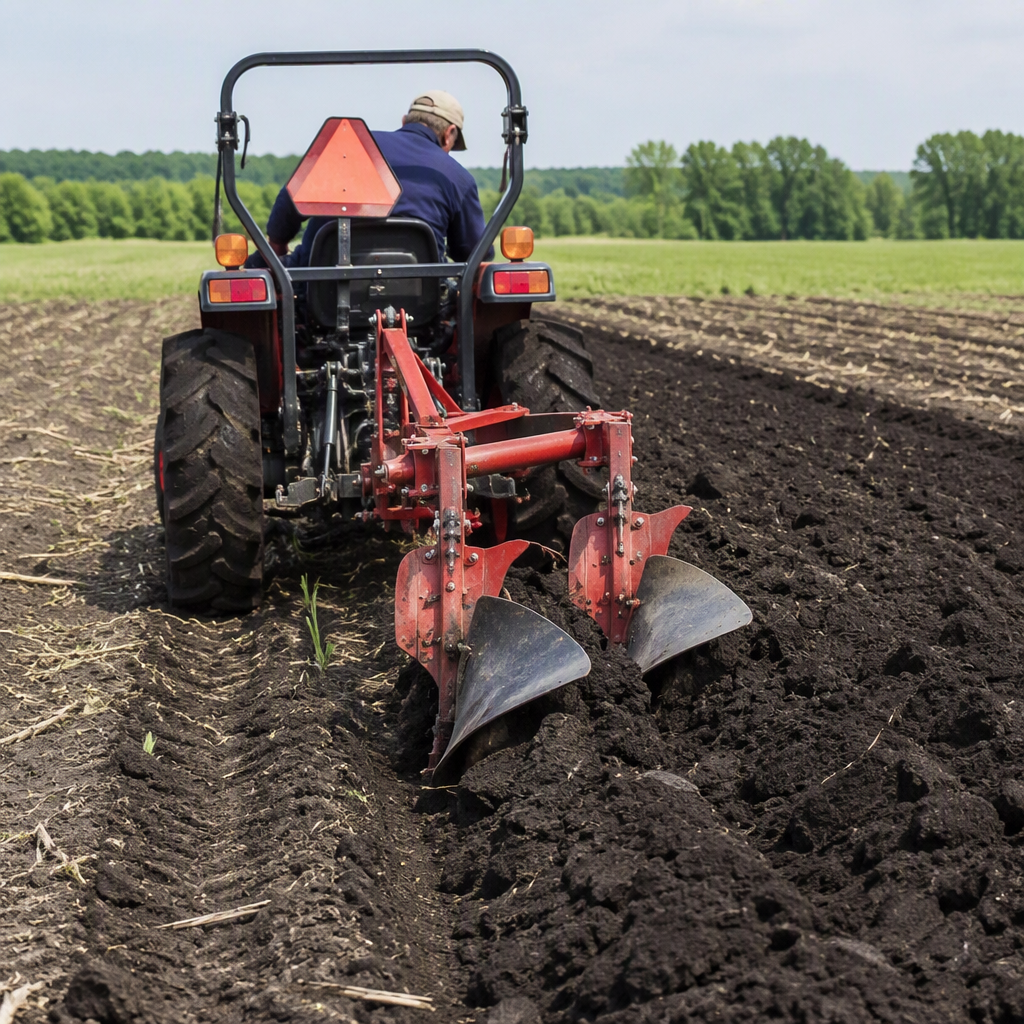
When considering a plough for farming, it’s essential to understand its role in enhancing soil preparation for crop planting. A plough breaks up the earth, aerating the soil and facilitating efficient seed germination. B2B buyers, such as purchasing managers and agricultural engineers, often have specific concerns regarding the plough's specifications, installation, and sourcing reliable suppliers. This article will provide crucial insights into these areas, helping you make informed decisions before purchasing a plough.

Installation Guidance for Efficient Plough Use on Farms

Installation Guidance for Efficient Plough Use on Farms

Proper installation of a plough is vital for achieving optimal performance. Here are some practical tips to ensure efficient use:

Compatibility Check: Before installation, confirm that the plough is compatible with your tractor model. This includes verifying the hitch type and hydraulic requirements to ensure a seamless connection.

Calibration: After mounting the plough, it's important to calibrate it for the desired working depth and width. Adjustments should be made according to soil conditions, as different soils may require different settings for effective tillage.

Regular Maintenance: Establish a routine maintenance schedule to check for wear and tear on blades and other critical components. This practice helps extend the lifespan of the plough and ensures consistent performance.

Training Operators: Ensure that operators are properly trained in ploughing techniques and equipment handling. This includes understanding how to adjust settings for different field conditions and recognizing signs of equipment stress.

Where to Source Reliable Plough Suppliers for Bulk Orders

Where to Source Reliable Plough Suppliers for Bulk Orders

Sourcing a reliable supplier for bulk orders of ploughs requires careful consideration. Here are steps to find trustworthy suppliers:

Research and Reviews: Start by researching potential suppliers' reputations. Look for reviews from other B2B buyers, and consider reaching out to industry contacts for recommendations.

Certifications and Compliance: Verify that suppliers hold relevant certifications, such as CE and ISO 9001, which indicate adherence to international quality standards. This is especially important for agricultural machinery that must meet safety and performance regulations.

Product Samples: Before committing to a bulk order, request product samples or prototypes. This allows you to assess the quality and performance of the plough firsthand.

Pricing and Lead Time: Discuss pricing structures and lead times upfront. Understanding these factors will help you manage your budget and project timelines effectively.

Customization Options: Inquire about customization capabilities. A supplier that can tailor the plough to your specific requirements may offer significant advantages in terms of performance and suitability.

What to Know Before You Buy

What to Know Before You Buy

Before finalizing your purchase of a plough for farming, consider the following:

Specifications Confirmation: Ensure that you have confirmed all specifications, including type, dimensions, and material quality, in line with your operational needs.

Total Cost of Ownership: Evaluate the total cost of ownership, including maintenance, parts replacement, and potential downtime. A lower initial purchase price may lead to higher long-term costs if the equipment is not durable.

Warranty and Support: Check the warranty terms and after-sales support provided by the manufacturer. A reliable warranty and responsive customer service can save you time and money in the long run.

Field Trials: If possible, conduct field trials with the plough to evaluate its performance under real operating conditions. This can provide insights into how well it meets your farming requirements.

Finding the Best Fit for Your Projects

Finding the right plough for your farming projects involves aligning equipment capabilities with your specific agricultural needs:

Soil Type and Crop Selection: Assess the types of soil and crops you are working with. Different ploughs perform better in various soil conditions, so matching the plough type to your land characteristics is crucial.

Operational Scale: Consider the scale of your farming operations. Larger farms may require multiple ploughs or more advanced models to maximize efficiency, while smaller operations might benefit from simpler, more cost-effective solutions.

Future Needs: Think about your future agricultural plans. If you anticipate expanding your operations or changing crop types, consider how the chosen plough can adapt to these changes.

Supplier Relationships: Establishing a good relationship with your supplier can be beneficial. A supplier who understands your business can offer valuable insights into equipment upgrades and maintenance that suit your evolving needs.

By carefully considering these factors, you can make an informed decision when selecting a plough for farming, ensuring that it meets both your immediate and long-term agricultural goals.

Key Specifications to Consider When Buying a Plough

When evaluating a plough for farming, several key specifications should be at the forefront of your decision-making process:

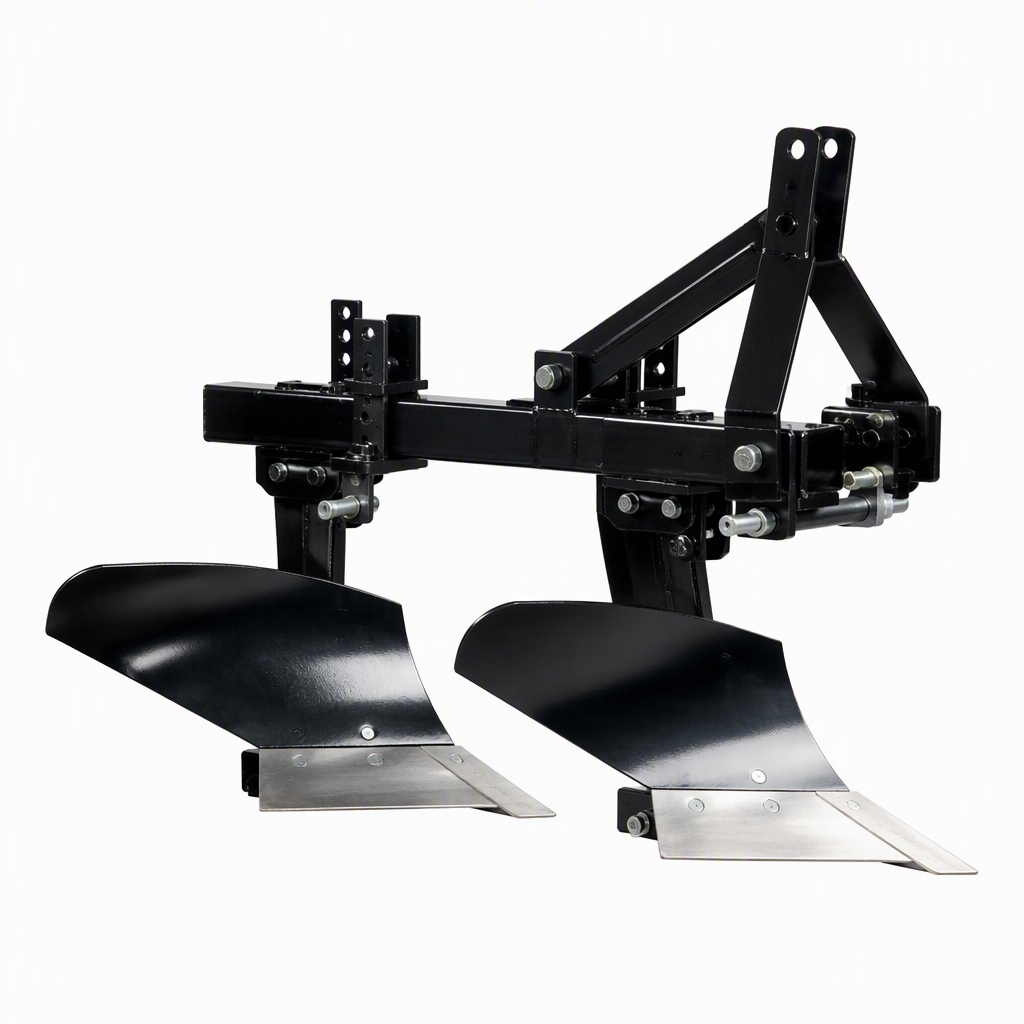
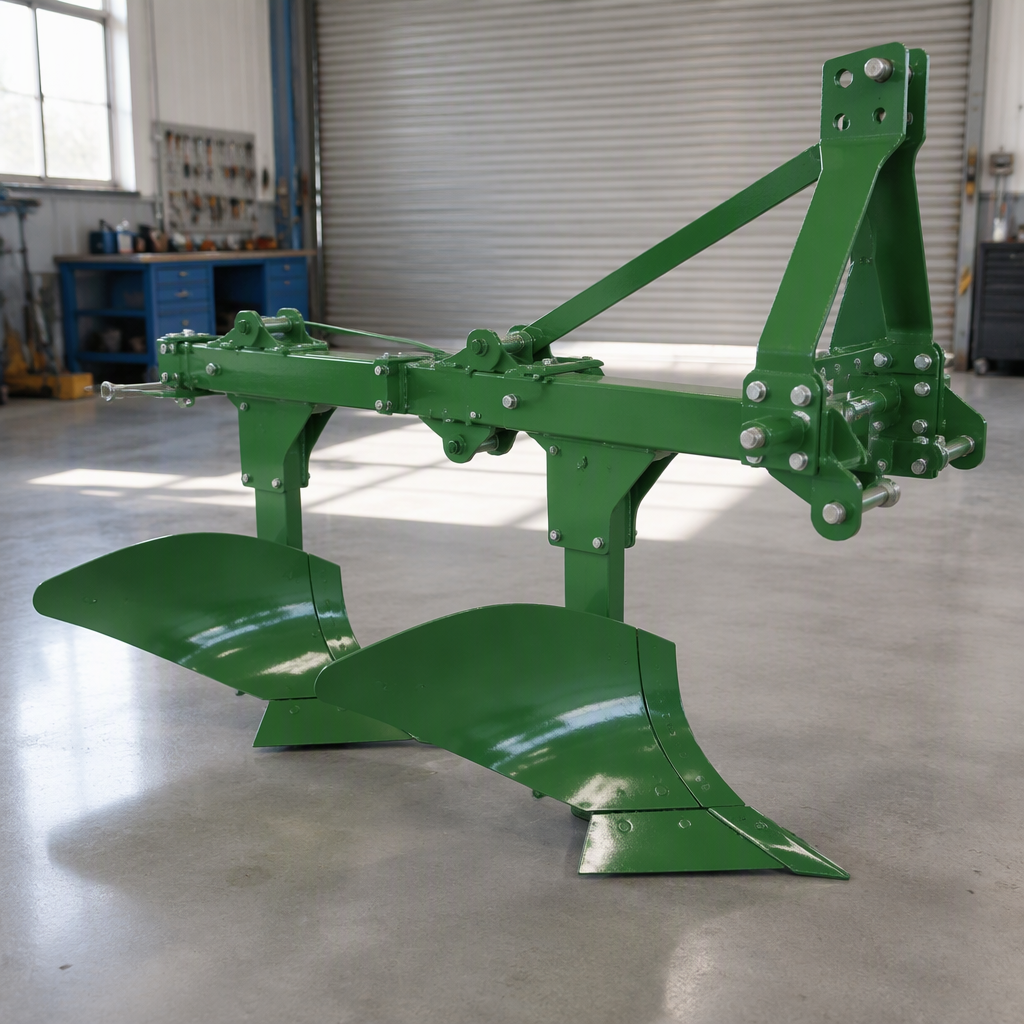
Type of Plough: There are various types of ploughs, including mouldboard, disc, and chisel ploughs. Each type serves different purposes based on soil conditions and crop types. Understanding the specific needs of your land will help determine which type is best suited for your farming practices. If you're also interested in Cultivators & Tillers, they can complement your ploughing efforts for optimal soil preparation.

Material Quality: The durability of a plough largely depends on the materials used in its construction. High-strength steel is commonly used for its resistance to wear and tear, ensuring longevity even in tough soil conditions. Buyers should inquire about the specific steel grades and treatment processes used in the manufacturing of the plough.

Dimensions and Weight: The size and weight of the plough are critical for compatibility with your tractors and other equipment. A plough that is too heavy may require a more powerful tractor, while a lightweight plough might not handle tough soil effectively. Ensure that the dimensions meet your operational requirements.

Working Depth and Width: The working depth and width of the plough directly affect the area of soil tilled in one pass. This specification should align with your cultivation goals, as deeper tillage may be necessary for certain crops or soil types. Additionally, understanding the right Irrigation Systems to pair with your plough can further enhance your farming efficiency.

Adjustability Features: Some ploughs come with adjustable settings that allow farmers to modify the working depth and angle. This flexibility can enhance performance across varying soil conditions and crop types.

Get a Free Quote

Our representative will contact you soon.
0/1000